
In the world of electrical protection, the superiority of high voltage electrical tape stands clear. It is engineered for demanding, high-performance scenarios where ordinary tape simply won’t suffice. Whether you’re dealing with 11 kV cables, transformer terminals, or industrial control panels, options like high voltage tape, 11 kv ht insulation tape, and rubber electrical tape provide unmatched insulation, heat resistance, and mechanical protection. Today’s market, powered by constant innovation, presents powerful solutions that redefine how safety, durability, and performance are combined into a single wrap.
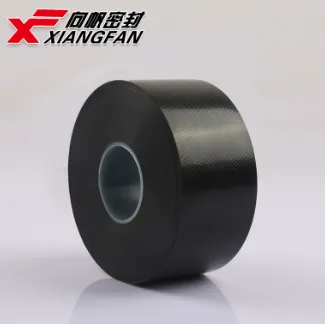
How High Voltage Electrical Tape Differs from Ordinary Electrical Tape
The difference between high voltage electrical tape and regular PVC electrical tape goes far beyond the voltage rating. While standard tape is suitable for low-voltage household or appliance applications, high voltage tape is specifically designed to withstand insulation breakdown even at voltages up to 33 kV or more.
The key lies in its materials and construction. Most rubber electrical tape products are made from ethylene propylene rubber (EPR) or silicone, which offer excellent dielectric strength, elongation, and resilience. Unlike ordinary tapes that rely on sticky adhesives, many 11 kv ht insulation tape products self-amalgamate—meaning they fuse into a single mass without leaving residue. This not only ensures a watertight seal but also creates a long-lasting insulating layer that resists ozone, UV, and moisture infiltration. These features make high voltage tape indispensable for critical joints and terminations in high-energy systems.
Why High Voltage Electrical Tape Resists Temperatures up to 130°C
One of the most defining characteristics of high voltage electrical tape is its ability to resist high temperatures—often up to 130°C continuously, and even more in short bursts. This is primarily due to the use of rubber-based materials like EPDM, which offer superior thermal stability without becoming brittle or losing elasticity.
In high-power environments such as substations or motor windings, temperature spikes are common. Standard vinyl tape softens or degrades quickly under these conditions, leading to insulation failure. In contrast, rubber electrical tape maintains its shape, flexibility, and dielectric properties across wide temperature ranges. The same goes for 11 kv ht insulation tape, which is often rated not just for high thermal endurance but also for flame retardancy and low smoke emission. This makes it ideal for enclosed environments such as panel boards, electrical cabinets, and tunnel installations.
The advanced thermal tolerance of high voltage tape ensures both performance and safety—critical for avoiding equipment damage and costly downtime.
Application Scenarios Where High Voltage Electrical Tape Excels
The range of applications for high voltage electrical tape spans a wide array of industries and environments. In power generation and distribution, it’s commonly used for insulating overhead cable splices, underground utility connections, and high-voltage busbar wraps. 11 kv ht insulation tape is often deployed in substations to wrap terminations and joints, preventing corona discharge and partial discharges at high potentials.
In transportation infrastructure like railways and electric vehicles, rubber electrical tape is ideal for high-voltage motor windings, junction boxes, and charger stations. It's also a staple in marine and aerospace sectors where resistance to water, salt spray, and extreme temperatures is vital.
Utility contractors and maintenance crews rely on high voltage tape to make fast, field-based repairs on energized systems, while keeping safety and compliance intact. Thanks to innovations in elastomer formulation, today's high voltage electrical tape products are thinner, stronger, and easier to apply than ever—saving both labor time and inventory space.
Product Innovation and the Future of High Voltage Tape
With increasing demands for energy efficiency and electrical safety, the evolution of high voltage electrical tape continues at a rapid pace. The latest tapes offer better stretchability, UV resistance, and even color-coded identification for organized installation.
Manufacturers are developing hybrid blends of silicone and EPR in rubber electrical tape to push performance boundaries. Meanwhile, smart packaging and pre-cut rolls make installation more convenient for field technicians.
The growing demand for renewable energy systems like wind and solar is also expanding the role of 11 kv ht insulation tape in connecting and insulating inverters, power conditioners, and grid-tie systems. For technicians working in extreme cold or high-humidity environments, advanced high voltage tape is now available with frost-resistant coatings and enhanced water-repellent features.
Today’s high voltage electrical tape is not only an insulation material—it’s a comprehensive solution that supports safety, compliance, and operational efficiency in increasingly complex energy environments.
High Voltage Electrical Tape FAQs
What is the difference between high voltage electrical tape and regular tape?
High voltage electrical tape is made from rubber or silicone and is designed to handle voltages up to 33 kV or more, unlike regular vinyl tape which is only suitable for low-voltage applications.
Why does high voltage tape withstand temperatures up to 130°C?
The material used in high voltage tape, such as EPDM or silicone rubber, offers exceptional thermal stability, making it ideal for high-energy environments that produce a lot of heat.
What are the typical applications for 11 kv ht insulation tape?
11 kv ht insulation tape is used for insulating cable joints, terminations, and busbars in high-voltage systems, especially in utilities, rail, industrial plants, and renewable energy setups.
How does rubber electrical tape improve performance over time?
Rubber electrical tape self-amalgamates and forms a seamless, weather-resistant, and electrically secure layer that becomes more robust after curing, ensuring long-term insulation.
Can high voltage electrical tape be used outdoors?
Yes, most high voltage electrical tape options are UV- and weather-resistant, making them suitable for both indoor and outdoor high-voltage applications in harsh environments.
-
Industrial Fire Proof Tape Guide for High Temperature ProtectionUutisetApr.16,2026
-
Ultimate Guide to Fireproof Tape Protection and ApplicationsUutisetApr.09,2026
-
Exploring Black Tack Butyl Applications and Benefits for Optimal SealingUutisetApr.07,2026
-
Comprehensive Guide to Black Butyl Rubber Tape Applications and BenefitsUutisetApr.04,2026
-
Comprehensive Guide to High Power Butyl Waterproof Tape ApplicationsUutisetMar.31,2026
-
Comprehensive Guide to 360tronics Butyl Waterproof Tape for Airtight and Watertight SealsUutisetMar.28,2026