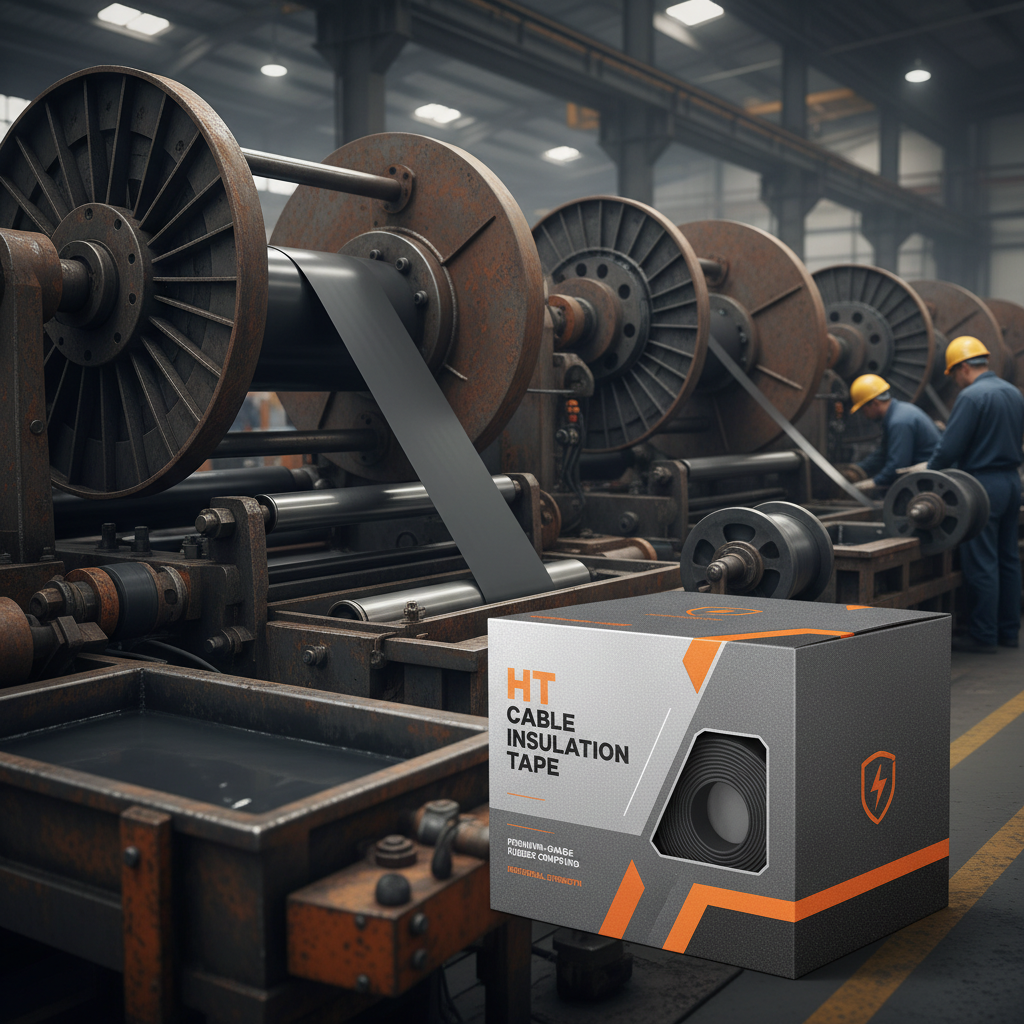
Securing high-performance seals and waterproof barriers requires materials that can withstand extreme environmental stress, making butyl rubber tape in china a critical component for global industrial procurement. Within the specialized field of rubber and plastic products manufacturing, butyl-based solutions are prized for their exceptional impermeability to air and water, combined with strong adhesive properties that maintain integrity over time.
Engineers and procurement managers often struggle with balancing initial cost against the long-term risk of seal failure, especially in humid or high-pressure environments. Selecting the wrong grade of butyl tape can lead to moisture ingress, structural corrosion, and costly maintenance cycles in critical infrastructure and automotive assemblies.
This analysis provides a comprehensive framework for evaluating butyl rubber tape, covering technical specifications, application-specific selection criteria, and a professional guide for sourcing high-quality materials from specialized manufacturers to ensure operational reliability.

Core Material Properties of Butyl Rubber

Butyl rubber is a copolymer of isobutylene with a small amount of isoprene, resulting in a material characterized by low unsaturation. This chemical structure is what gives butyl rubber tape its superior resistance to oxidation and ozone, making it far more durable than natural rubber in outdoor environments. Its most defining characteristic is its extremely low gas permeability, which is essential for airtight sealing.
From a manufacturing perspective, the integration of tackifiers and stabilizers allows the tape to remain flexible across a wide temperature range. This ensures that the adhesive bond does not become brittle in cold weather or lose its grip under heat, providing a consistent seal that adapts to the thermal expansion and contraction of the substrates it bonds.
Key Industrial Application Scenarios
The versatility of butyl rubber tape allows it to be deployed across diverse sectors. In the automotive industry, it is frequently used for windshield sealing and noise-vibration-harshness (NVH) damping. In construction, it serves as a primary barrier for roofing membranes and joint sealing to prevent water leakage. For electrical applications, specialized waterproof butyl composite tapes are used to protect cable entries and junctions from moisture ingress.
Beyond these, the material is critical in the production of capacitors and control box accessories where vibration isolation and air-tightness are required. The ability to form a permanent, non-hardening bond makes it an ideal choice for filling strips and sealing strips in modular housing and industrial equipment assemblies.
Technical Evaluation of Waterproofing Performance
Waterproofing effectiveness is measured by the tape's ability to resist hydrostatic pressure and its adhesion strength to various surfaces. High-grade butyl tapes utilize a cross-linked polymer structure that prevents water molecules from penetrating the seal. The adhesive chemistry is designed to wet the surface thoroughly, eliminating micro-gaps where capillary action could otherwise draw moisture into the protected area.
Technical assessment also considers the "creep" resistance of the material. A high-quality butyl rubber tape must maintain its thickness and position under mechanical load without flowing or thinning over time. This ensures that the seal remains intact even when subjected to the physical pressures found in heavy machinery or structural joints.
Selection Priorities by Application Intensity
Different applications prioritize different technical attributes. While a residential sealing project might prioritize ease of application and cost, an industrial-grade project in the rubber and plastic products industry will prioritize chemical resistance and thermal stability. The following illustrative framework shows the relative priority of different factors across common use cases.
As shown in the conceptual index, Industrial and Automotive applications place a much higher value on Thermal Stability and Chemical Resistance. Conversely, Residential and General-purpose applications lean more towards Ease of Use and Cost-effectiveness. This suggests that buyers should not use a "one size fits all" approach when sourcing butyl rubber tape in china.
Sourcing Standards for Chinese Manufacturers
When evaluating suppliers within the Hebei region or broader China market, procurement officers should look for manufacturers with integrated production chains. A facility that handles everything from rubber mixing and pressing to coating and cutting—such as the systems used by JULU COUNTRY XIANGFAN SEALS FACTORY—typically offers better quality control over the final adhesive properties.
Compliance with international standards, such as RoHS, is a non-negotiable requirement for tapes used in electronic series or automotive wire harness applications. Verifying the precision of coating machines and the strictness of technical parameter testing ensures that the tape thickness is uniform, which is critical for maintaining a consistent seal across large-scale deployments.
Common Installation Pitfalls and Risks
The most common cause of butyl tape failure is improper surface preparation. Contaminants such as dust, oil, or moisture can create a barrier between the adhesive and the substrate, leading to premature peeling. Because butyl rubber is a high-tack material, any trapped air bubbles during application can become points of failure under pressure, allowing water or air to leak through.
Another risk is the mismatch of thermal expansion coefficients between the tape and the substrate. If the tape is too rigid for the application, it may pull away from the surface during extreme temperature shifts. It is essential to ensure the selected grade of butyl rubber is compatible with the expected operating temperature of the end product.
Butyl vs. Alternative Sealing Solutions
Depending on the specific requirement, butyl rubber may be compared against silicone, EPDM, or PVC-based tapes. While silicone offers superior heat resistance, butyl provides better air-tightness and initial tack. EPDM is excellent for weatherstripping but lacks the aggressive adhesive properties of butyl for permanent bonding.
| Material Type | Air Permeability | Adhesion Strength | Primary Use Case |
|---|---|---|---|
| Butyl Rubber | Extremely Low | Very High | Airtight Sealing |
| Silicone | Moderate | Moderate | High-Heat Areas |
| EPDM | Low | Moderate | Weather Stripping |
| PVC Tape | Moderate | High | Electrical Insulation |
| Acrylic Foam | Moderate | Very High | Structural Bonding |
| Neoprene | Moderate | High | Industrial Gaskets |
This comparison demonstrates that for applications where moisture exclusion and air-tightness are the priority, butyl rubber remains the most effective choice. The decision should be based on the specific environmental stressors the seal will face throughout its lifecycle.
Frequently Asked Questions
Butyl rubber tape is significantly more impermeable to air and water and has a higher initial tack, making it better for airtight seals. Silicone tape offers higher temperature resistance and better UV stability but generally lacks the same level of gas-barrier performance.
The substrate must be completely clean, dry, and free of oil. Using an isopropyl alcohol wipe before application is recommended. Additionally, applying firm pressure across the entire length of the tape ensures that all air gaps are removed and the adhesive fully wets the surface.
Butyl rubber is often used for moisture sealing around electrical components. However, for primary electrical insulation, specialized PVC or EPR rubber tapes are more appropriate. Butyl is used as a complementary waterproof layer to protect the insulation from environment-induced degradation.
When correctly installed and matched to the environment, butyl seals can last for decades. Their resistance to ozone and oxidation prevents the material from cracking, though extreme thermal cycling or exposure to certain solvents may reduce their effective lifespan.
Yes, butyl rubber becomes stiffer in very cold temperatures and softer in heat. For cold-weather applications, slight warming of the tape or the substrate can improve the initial bond. Conversely, in high-heat environments, ensure the grade of tape selected is rated for the maximum expected temperature.
Store tape in a cool, dry place away from direct sunlight and heat sources. Keeping the tape in its original packaging helps prevent the adhesive from picking up contaminants and protects the release liner from moisture, ensuring maximum tack upon application.
Conclusion
Choosing the right butyl rubber tape requires a precise understanding of the balance between air permeability, adhesive strength, and environmental resilience. By focusing on integrated manufacturing capabilities and strict adherence to technical standards, buyers can mitigate the risks of seal failure and ensure the long-term integrity of their industrial applications.
For professionals evaluating specific material requirements or seeking technical data on waterproof solutions, detailed product information can be reviewed at www.qiangdatape.com to match the right rubber tape grade to your operational needs.