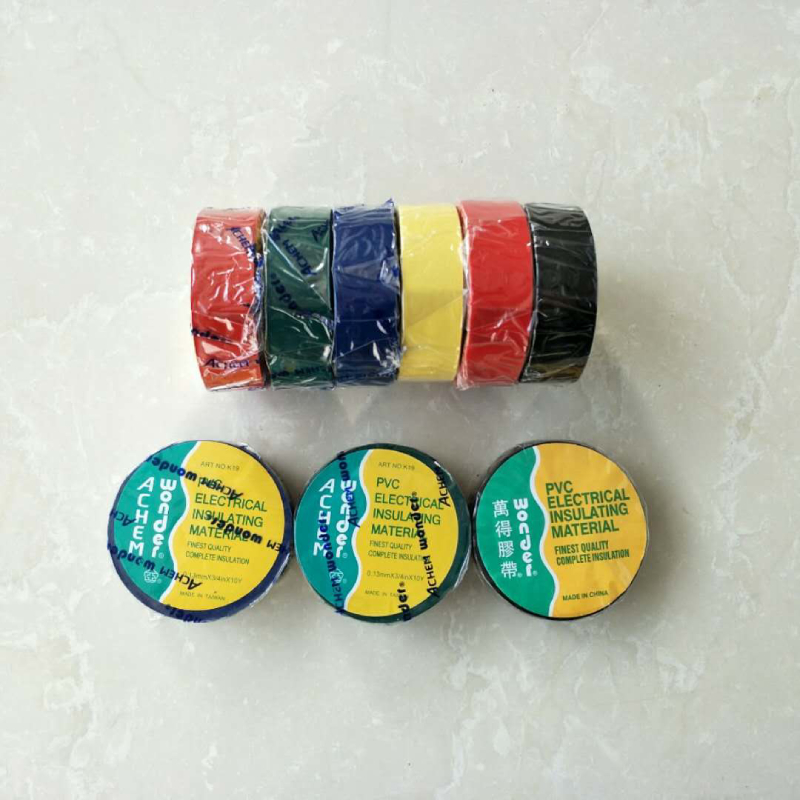

High Performance Electrical Insulation Tapes
Precision-manufactured sealing and insulating components designed to meet rigorous electrical market standards.
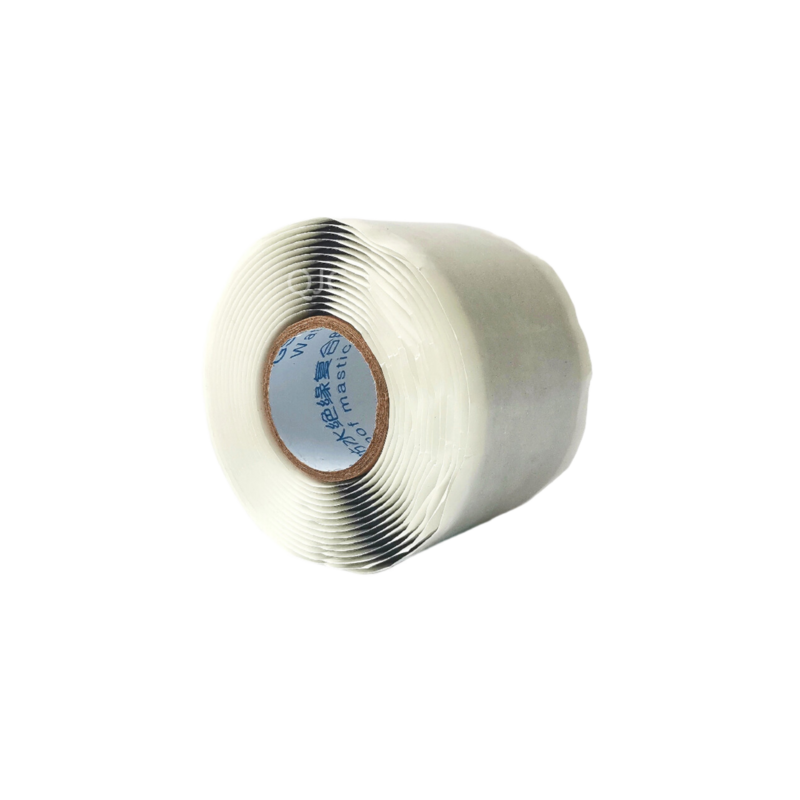
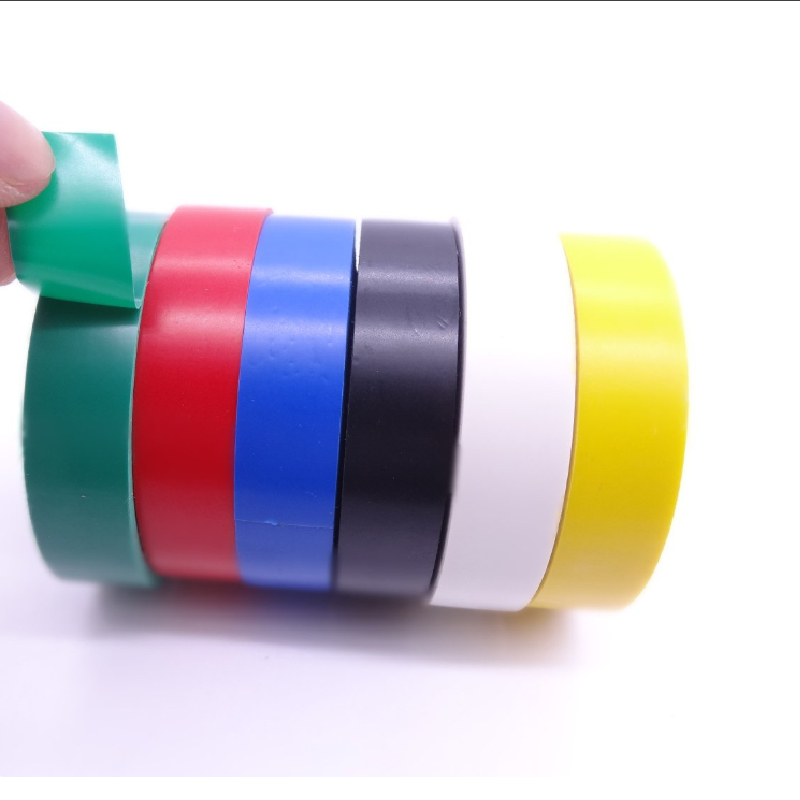
Butyl Rubber Tape
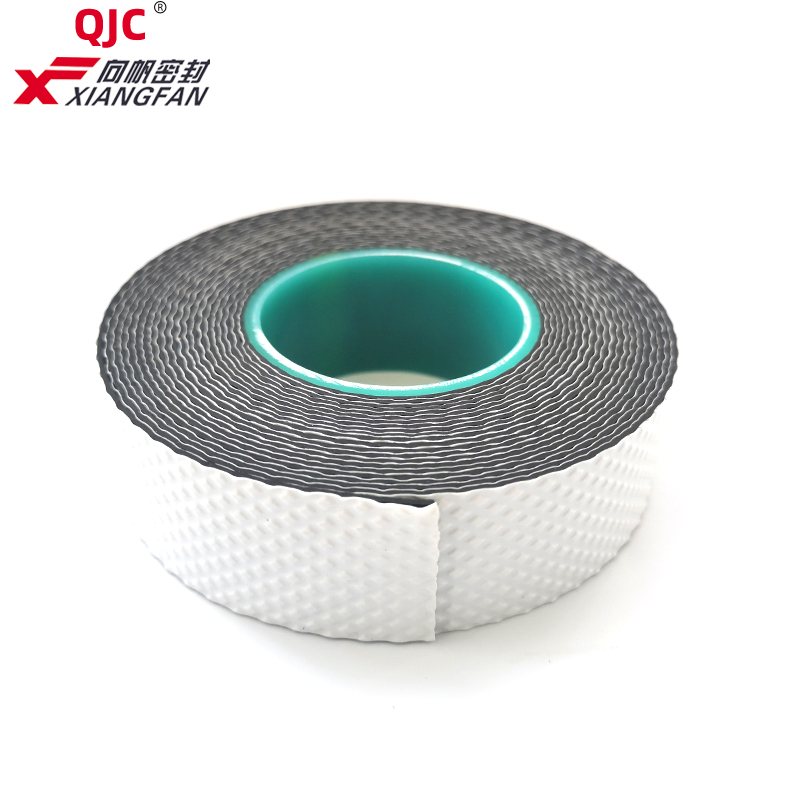
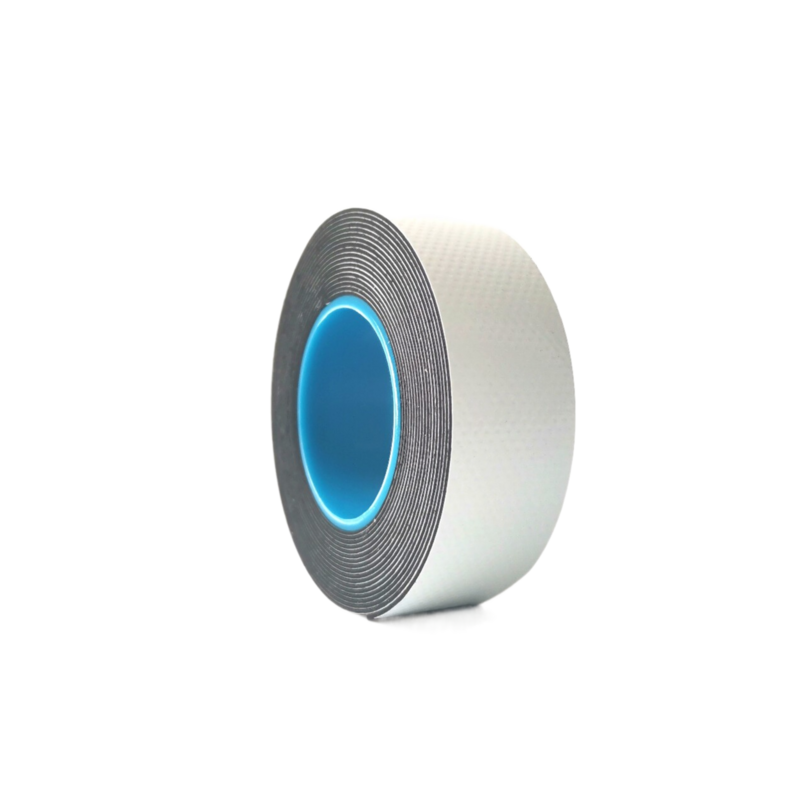
Linerless Insulating Rubber Tape
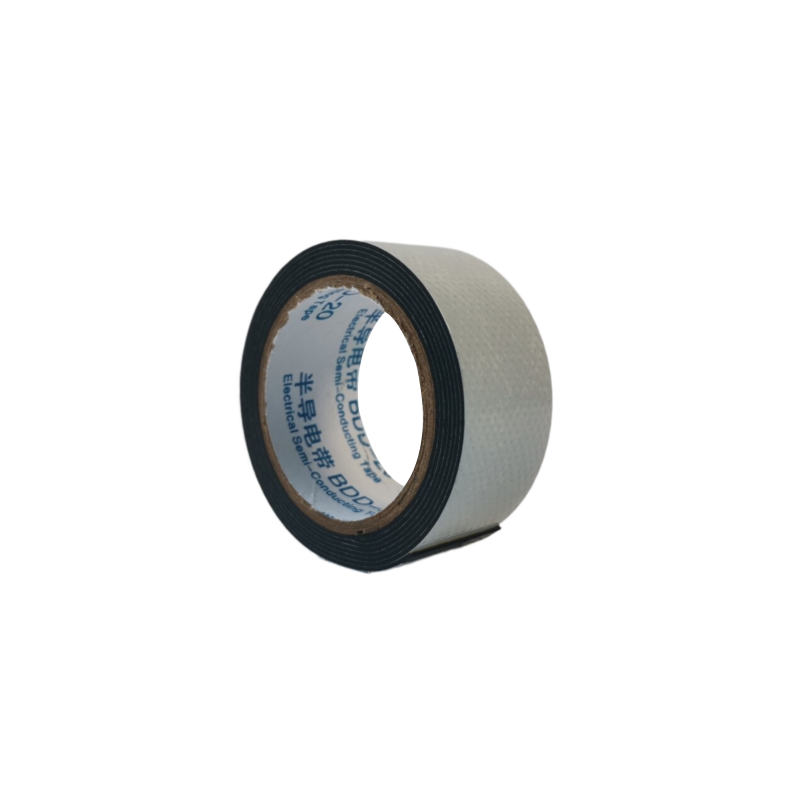
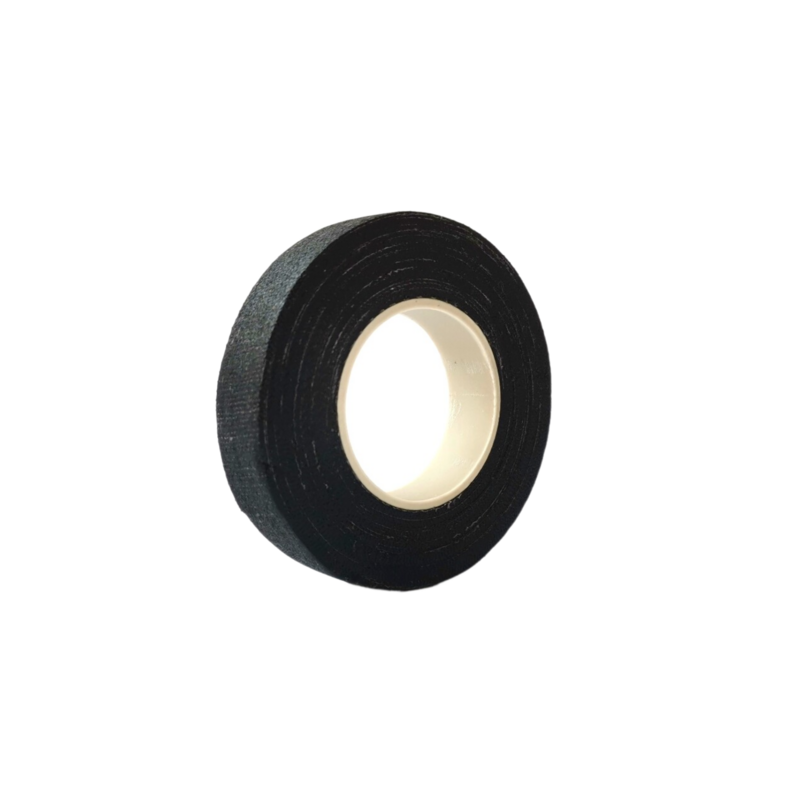
BDD semi conducting self-adhesive tape
Optimizing Electrical Insulation in the Moroccan Market
Analyzing the technical requirements for rubber insulation in North African industrial contexts.
Morocco's diverse geography, ranging from humid coastal regions to arid inland plateaus, creates significant stress on electrical infrastructure. The saline air in coastal cities and extreme thermal cycling in the interior necessitate the use of high voltage self fusing rubber tape to prevent moisture ingress and dielectric breakdown in power distribution networks.
Local industrial buyers increasingly prioritize materials that reduce maintenance intervals. In the energy and manufacturing sectors, there is a growing shift toward rubber mastic electrical tape for its superior void-filling capabilities, which is essential for sealing irregular cable terminations and ensuring long-term stability under high-voltage loads.
Procurement in the region is evolving toward international quality certifications. With the expansion of renewable energy projects, Moroccan engineers are seeking self fusing silicone rubber electrical tape that complies with RoHS standards to ensure both environmental safety and operational reliability in critical infrastructure.
Evolution of Rubber Insulation Technology
From basic adhesive wraps to advanced self-bonding polymer systems.
Technology Adoption Path
-
Early Material Stage
Reliance on basic PVC and standard adhesive tapes which lacked the fusion properties required for high-voltage waterproofing. -
Specialization Stage
Introduction of rubber tape self fusing technology, allowing for seamless, waterproof bonds without the need for external adhesives. -
Advanced Integration Stage
Development of composite materials and silicone-based self-bonding systems that provide superior thermal resistance and dielectric strength.
Future Operational Trends
- Energy Efficiency — Reducing leakage currents through higher-density polymer formulations.
- Customization — Tailoring tape thickness and fusion rates for specific regional voltage requirements.
- Sustainability — Transitioning toward RoHS-compliant and eco-friendly rubber processing methods.
Industry Forward-Looking Analysis
Key drivers shaping the future of electrical sealing and insulation.
Material Science
Integration of nano-fillers in self bonding rubber tape to enhance tear resistance and dielectric stability.
Supply Chain Optimization
Shift toward direct-from-manufacturer sourcing to ensure technical parameter consistency and reduce procurement lead times.
Regulatory Compliance
Increasing demand for RoHS certification to align with international environmental standards in Moroccan infrastructure projects.
Installation Efficiency
Development of tapes with optimized fusion speeds to reduce labor time during field deployment.
Strategic Outlook for Electrical Sealing
Over the next 3-5 years, the focus will shift from simple insulation to comprehensive environmental sealing. The integration of rubber mastic and self-fusing polymers will be critical as Morocco expands its solar and wind energy grids, requiring connections that can withstand extreme UV exposure and thermal fluctuations.
From a procurement perspective, we anticipate a move toward technical partnership models where manufacturers provide specific guidance on tape layering and application techniques to maximize the lifespan of high-voltage installations.
Localized Application Scenarios in Morocco
Practical implementation of rubber tape solutions across various industrial sectors.
1
Renewable Energy Grid Connections
Using high voltage self fusing rubber tape to seal cable joints in solar farm installations, protecting connections from sand abrasion and extreme heat in desert environments.
2
Coastal Industrial Waterproofing
Implementing rubber mastic electrical tape in Casablanca's port facilities to provide a hermetic seal against salt-spray corrosion in medium-to-high voltage switchgears.
3
Urban Infrastructure Retrofitting
Applying self bonding rubber tape for the rapid repair of aging underground power cables in dense urban centers, minimizing downtime without requiring full cable replacement.
4
Manufacturing Plant Maintenance
Utilizing self fusing silicone rubber electrical tape for high-temperature motor windings and industrial machinery insulation in the automotive parts sector.
5
Agricultural Irrigation Power Systems
Deploying waterproof rubber tape solutions for pump control panels in rural irrigation projects, ensuring insulation against groundwater seepage.
JULU COUNTRY XIANGFAN SEALS FACTORY
Over two decades of expertise in professional electrical tape and seal manufacturing.
20+
Foundation & Experience
Industry Establishment
Established with a focus on the electrical market, bringing over 20 years of specialized experience in the production of high-quality electrical tapes and seals.
Cert
Quality Assurance
Certification Milestone
Achieved RoHS quality management system certification, ensuring that all rubber and PVC products meet strict international environmental and safety standards.
Now
Current Capability
Advanced Manufacturing System
Operating a complete production line in the Julu Economic and Technological Development Zone, featuring rubber mixing, pressing, coating, and precision cutting equipment to serve global electrical markets.
Insulation Solutions for Moroccan Electrical Infrastructure
A comprehensive portfolio of RoHS-certified sealing and insulating materials tailored for industrial reliability.
Rubber Insulation Technical FAQ
Expert guidance on selecting and applying self-fusing rubber tapes.
How does high voltage self fusing rubber tape differ from standard electrical tape?
Unlike standard tapes that rely on adhesive, self-fusing tape bonds to itself via a chemical process, creating a seamless, waterproof, and airtight layer. This makes it significantly more effective for high-voltage applications where moisture prevention is critical.
Which product is best for sealing irregular cable terminations in Morocco's coastal areas?
Rubber mastic electrical tape is recommended for irregular surfaces. Its putty-like consistency allows it to fill voids and gaps, providing a superior seal against the humid and saline air typical of coastal regions.
Can self fusing silicone rubber electrical tape withstand high temperatures?
Yes, silicone-based self-fusing tapes are engineered for higher thermal stability than standard rubber, making them suitable for industrial machinery and motor windings that operate at elevated temperatures.
What are the procurement considerations for importing these tapes to Morocco?
Buyers should verify RoHS certification to ensure compliance with environmental regulations. Additionally, sourcing from manufacturers with complete production chains, such as those with in-house mixing and coating, ensures consistent technical parameters across large orders.
How should self bonding rubber tape be applied for maximum effectiveness?
The tape should be stretched to its recommended elongation ratio during application. This tension activates the fusing process, ensuring the layers bond tightly and eliminate air pockets.
Does JULU COUNTRY XIANGFAN SEALS FACTORY support customized specifications?
Yes, with an advanced production system including rubber mixing and separating rolling machines, the factory can maintain strict quality testing on technical parameters to meet specific customer requirements for electrical tapes and seals.
Consult Our Technical Team for Your Morocco Project
Discuss your high-voltage insulation requirements and receive professional guidance on product selection for the Moroccan industrial market.
Contact Us Now