
Butyl Seal Putty Tape: A Comprehensive Guide
When it comes to sealing applications across diverse industries, butyl seal putty tape stands out as a versatile and reliable solution. Its exceptional properties, including flexibility, durability, and resistance to weathering, make it ideal for a wide range of applications. This article will delve into the features, benefits, and common uses of butyl tape, offering a comprehensive overview for professionals and DIY enthusiasts alike. Understanding the capabilities of this product will ensure you choose the right sealant for your project.
What is Butyl Seal Putty Tape?
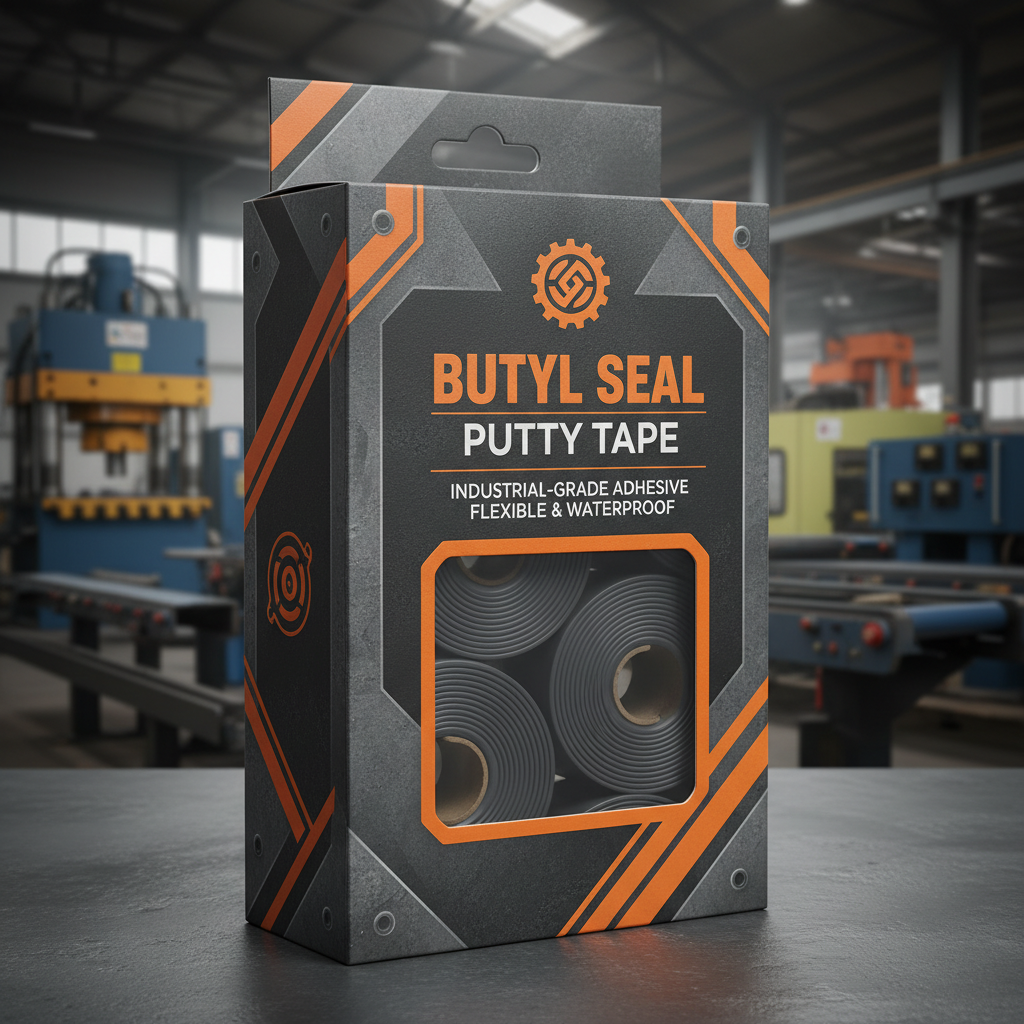
Butyl rubber tape is a pliable, self-fusing sealant commonly used to create a watertight and airtight barrier. It’s composed of butyl rubber, a synthetic rubber known for its excellent impermeability to air and moisture. Unlike some other sealants that require primers or activators, butyl tape is inherently tacky and adheres strongly to a variety of surfaces including metal, plastic, glass, and wood. This ease of application and strong adhesion contribute to its widespread popularity. The composition ensures long-lasting performance, resisting degradation from UV exposure and temperature fluctuations.
Key Highlights: Inherently tacky, adheres strongly to various surfaces, provides a watertight and airtight seal, resistant to UV exposure and temperature fluctuations.
Key Applications of Butyl Seal Putty Tape
The versatility of butyl seal putty tape makes it a popular choice in numerous sectors. Common applications include sealing RV roofs, marine applications (boats, windows, hatches), HVAC ductwork, metal building seams, and window and door installations. It's also widely used in automotive applications for sealing lights, windows, and trim. Its ability to conform to irregular surfaces and provide a long-lasting seal makes it ideal for projects requiring exceptional protection against the elements.
Common Application Areas:
• RV Roofs & Seams
• Marine Applications (Boats, Hatches)
• HVAC Ductwork Sealing
• Automotive Sealing (Lights, Windows)
Butyl Seal Putty Tape vs. Other Sealants: A Comparison
While various sealants exist, butyl tape offers distinct advantages in specific applications. Compared to silicone, butyl tape generally exhibits better adhesion to certain surfaces and doesn't require a primer. Unlike acrylic sealants, butyl tape remains flexible over a wider temperature range, making it less prone to cracking. It's also more resistant to UV degradation than many other rubber-based sealants. Choosing the right sealant depends on the specific project requirements, but butyl tape frequently emerges as the superior choice for long-term reliability and performance.
Selecting the Right Butyl Tape for Your Needs
Butyl tape is available in various widths, thicknesses, and colors. The choice depends on the application. Wider tapes are suitable for larger seams and gaps, while thicker tapes offer greater sealing power. Consider the surface material when selecting a tape – some tapes are formulated for specific substrates. Qiangda Tape offers a wide selection of butyl tapes to meet diverse requirements.
Installation Tips for Optimal Performance
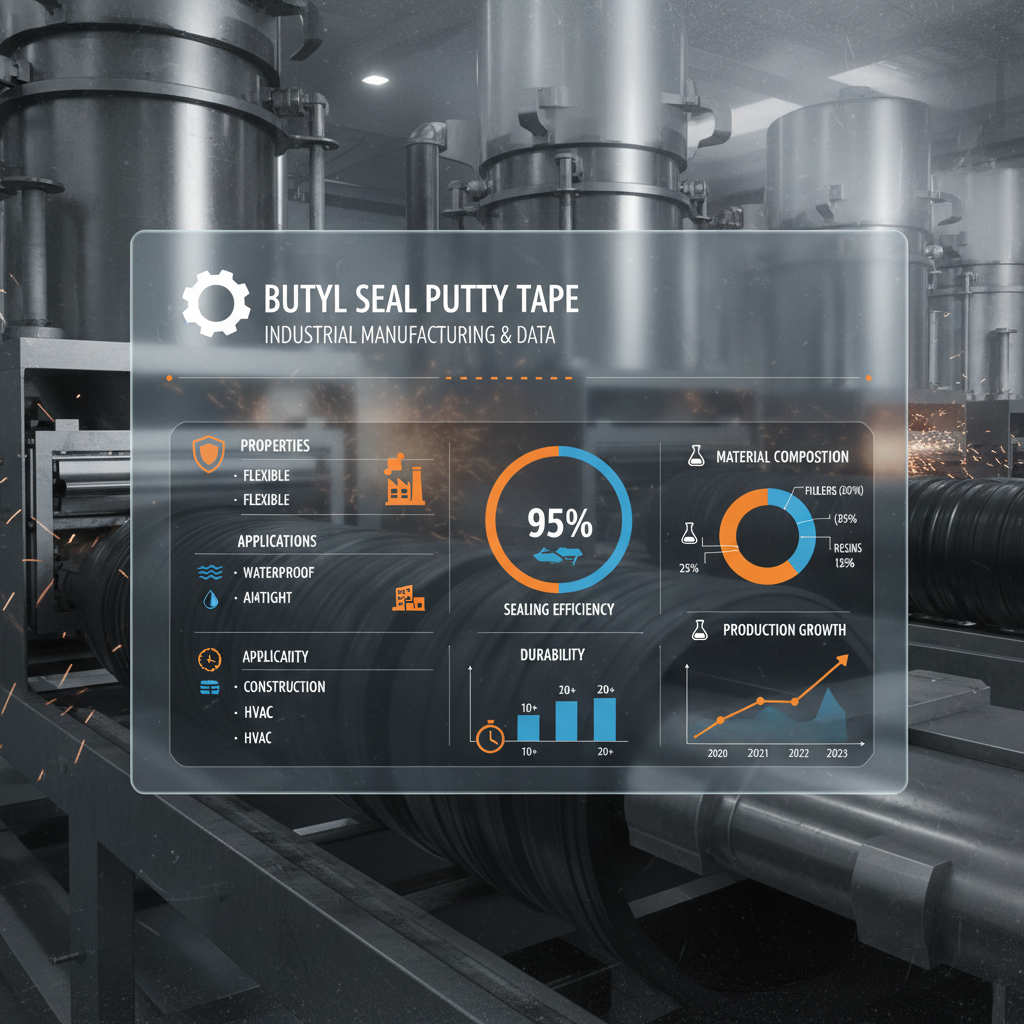
Proper installation is crucial for achieving a reliable seal. Ensure the surfaces are clean, dry, and free of debris before applying the tape. Remove any existing sealant or adhesive. Apply firm, even pressure to the tape as you adhere it to the surface. For long seams, overlap the tape slightly to ensure complete coverage. Avoid stretching the tape during application. Refer to the manufacturer's instructions for specific guidelines.
Conclusion: A Reliable Sealing Solution
Butyl seal putty tape offers a durable, flexible, and reliable solution for a wide array of sealing applications. Its ease of use, strong adhesion, and resistance to weathering make it a preferred choice for professionals and DIYers alike. Choosing the right tape and following proper installation techniques will ensure a long-lasting, watertight, and airtight seal.
Frequently Asked Questions (FAQs)
What temperature range can butyl tape withstand?
Butyl tape generally maintains its flexibility and sealing properties within a temperature range of -40°F to 176°F (-40°C to 80°C). However, this can vary slightly depending on the specific formulation of the tape. Prolonged exposure to extreme temperatures outside this range may affect its performance. It’s important to check the manufacturer’s specifications for the exact temperature limitations of the product you are using.
Can butyl tape be painted?
While butyl tape itself isn’t typically painted, it can be top-coated with certain paints. However, it’s crucial to use a paint that is compatible with rubber and allows for some flexibility. Acrylic latex paints generally adhere well. Oil-based paints may not adhere as effectively and can potentially dissolve the tape over time. Always test the paint on a small, inconspicuous area first to ensure compatibility.
How long does butyl tape last?
The lifespan of butyl tape depends on the application and environmental conditions. When properly installed and protected from direct sunlight and extreme weather, it can last for 10-20 years or even longer. UV exposure can degrade the tape over time, so covering it with paint or another protective coating is recommended in exposed applications. Regular inspection for cracks or deterioration is always a good practice.
Is butyl tape safe to use?
Butyl tape is generally considered safe for most applications. However, it's essential to work in a well-ventilated area during installation. Avoid prolonged skin contact, and wash thoroughly with soap and water if contact occurs. Refer to the product's safety data sheet (SDS) for detailed safety information.
-
Industrial Fire Proof Tape Guide for High Temperature ProtectionNewsApr.16,2026
-
Ultimate Guide to Fireproof Tape Protection and ApplicationsNewsApr.09,2026
-
Exploring Black Tack Butyl Applications and Benefits for Optimal SealingNewsApr.07,2026
-
Comprehensive Guide to Black Butyl Rubber Tape Applications and BenefitsNewsApr.04,2026
-
Comprehensive Guide to High Power Butyl Waterproof Tape ApplicationsNewsMar.31,2026
-
Comprehensive Guide to 360tronics Butyl Waterproof Tape for Airtight and Watertight SealsNewsMar.28,2026