
The Ultimate Guide to Fire Proof Tape: Protecting Your Assets from Heat
In high-temperature environments, the difference between a minor incident and a catastrophic failure often comes down to the quality of your insulation materials. Using a professional-grade fire proof tape is essential for sealing joints, wrapping cables, and protecting sensitive components from extreme thermal stress. Whether you are operating in aerospace, automotive manufacturing, or industrial construction, ensuring your seals can withstand intense heat is a non-negotiable safety requirement. This guide explores how these specialized tapes function and how to choose the right one for your specific operational needs.
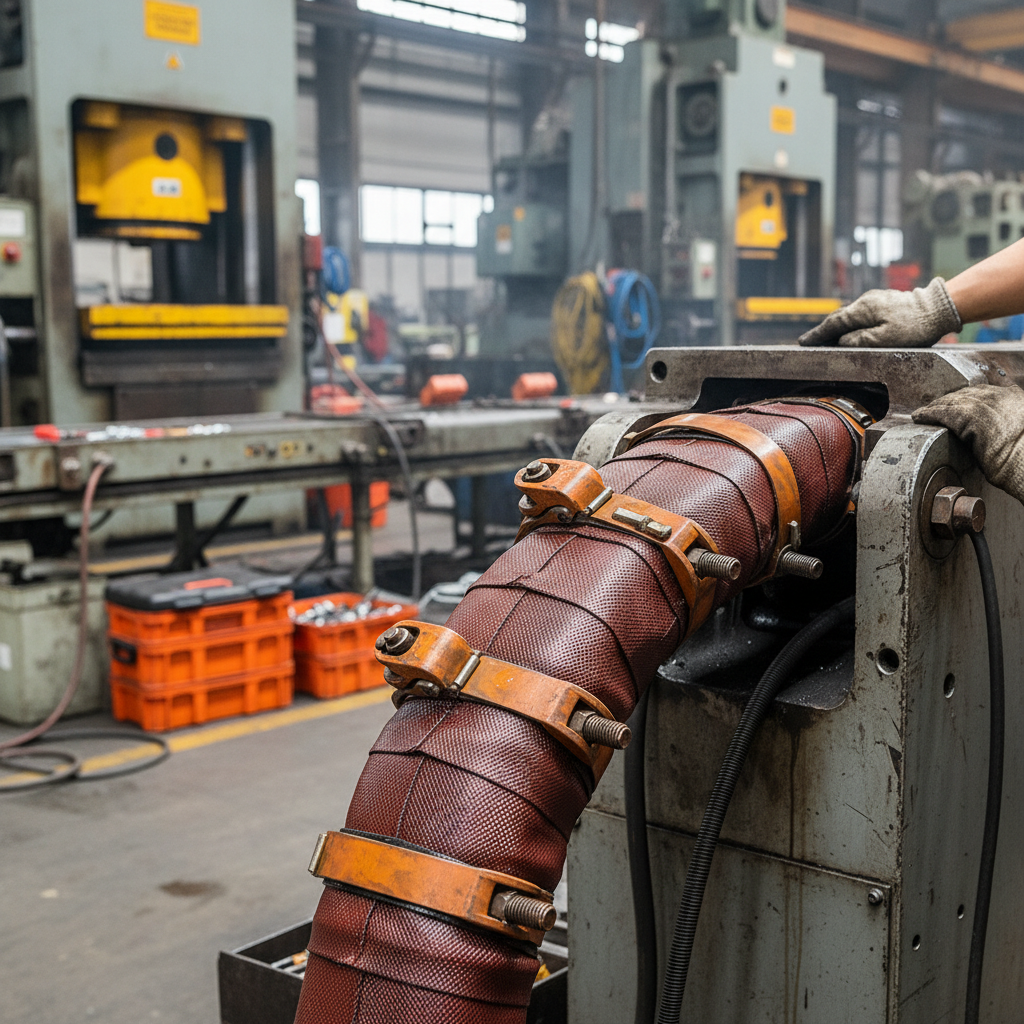
How Fire Proof Tape Works to Prevent Damage
Most high-performance fire proof tape is engineered using advanced materials such as fiberglass, silicone, or PTFE (Teflon). These materials possess a high melting point and low thermal conductivity, which means they act as a thermal barrier, slowing the transfer of heat to the underlying surface. Some tapes are designed to be flame retardant, meaning they resist ignition, while others are fireproof, meaning they can withstand direct exposure to flame for a specified duration without losing structural integrity. This prevents electrical shorts in wiring and stops oxygen from fueling potential fires in sealed conduits.
Pro Tip: Always check the temperature rating of your tape. A tape rated for 200°C will fail rapidly if exposed to a 500°C environment, potentially creating a secondary hazard.
Types of Fire Proof Tape and Their Applications
Different industries require different levels of thermal protection. For instance, automotive exhaust wraps require a tape that can handle constant high-cycle heat, whereas electrical panels may require a tape that focuses on preventing sparks from igniting. By utilizing the correct fire proof tape, you ensure that the material does not degrade, crack, or peel under pressure. Common applications include wrapping fuel lines, sealing furnace gaskets, and protecting aircraft wiring harnesses from engine heat.
Common Use Cases:
• Electrical Insulation: Preventing short circuits in high-heat machinery.
• HVAC Systems: Sealing ducts to prevent heat leakage.
• Automotive: Shielding wires near the engine block or exhaust manifold.
• Industrial Piping: Wrapping pipes to maintain temperature and protect workers.
Comparing Fire Proof Tape Materials
Choosing the right material is the most critical step in the selection process. While fiberglass is renowned for its sheer heat resistance, silicone offers better flexibility and moisture resistance. Understanding these trade-offs allows engineers to implement the most efficient fire proof tape strategy. Below is a comparison of the most common materials used in thermal protection tapes to help you make an informed decision based on your environment.
Installation Tips for Fire Proof Tape Efficiency
The effectiveness of a fire proof tape depends heavily on the quality of the installation. First, the surface must be completely clean, free of oil, dust, and moisture to ensure the adhesive bonds correctly. When wrapping cables, we recommend a 50% overlap on each turn; this ensures there are no gaps where heat can penetrate the inner core. Finally, apply slight tension during the wrap to prevent the tape from sagging or bubbling, which could create air pockets that reduce thermal efficiency.
Product Specifications for Industrial Fire Proof Tape
When sourcing materials for large-scale projects, technical specifications are the only way to guarantee safety compliance. A standard industrial fire proof tape is tested for continuous operating temperature, peak temperature spikes, and tensile strength. Ensuring that your supplier provides a full technical data sheet (TDS) is crucial for passing safety audits and meeting international fire safety standards like UL or EN certifications.
Conclusion: Prioritizing Thermal Safety
Investing in high-quality fire proof tape is a critical step in risk management for any industrial operation. By selecting the correct material—whether it be fiberglass for extreme heat or silicone for versatility—and following strict installation protocols, you can significantly reduce the likelihood of fire-related downtime and equipment failure. Don't wait for a failure to occur; secure your systems today with professional thermal protection solutions.
Frequently Asked Questions (FAQs)
What is the difference between fire retardant and fire proof tape?
Fire retardant tape is designed to resist ignition and slow the spread of fire, often by releasing chemicals that inhibit combustion. In contrast, fire proof tape is designed to withstand direct exposure to heat and flames without melting or breaking down, providing a physical barrier. While retardants prevent the start of a fire, proofing protects the equipment even when a fire is already present. Depending on your safety requirements, you may need a product that offers both properties.
Can fire proof tape be used on outdoor pipes?
Yes, but you must choose a tape with UV resistance and moisture-proofing capabilities. Silicone-based fire proof tape is generally excellent for outdoor use because it resists weathering and prevents water from seeping into the insulation. For extreme outdoor conditions, we recommend adding a protective outer jacket or choosing an aluminized version that reflects sunlight and protects against UV degradation.
How do I know when to replace my thermal tape?
Thermal tapes should be inspected quarterly. Look for signs of discoloration (charring), brittleness, or peeling at the edges. If the tape becomes stiff or cracks when touched, it has likely surpassed its thermal life cycle and is no longer providing full protection. In high-vibration environments, check for "creep" or sliding of the tape. Regular replacement is far more cost-effective than replacing an entire electrical system damaged by heat exposure.
Is adhesive-backed fire proof tape as effective as mechanical wraps?
Adhesive-backed tapes provide a faster installation and better sealing against moisture and gases. For most applications, the adhesive is engineered to withstand the same temperatures as the backing material. However, for extreme temperatures that exceed the adhesive's melting point, a non-adhesive mechanical wrap secured with stainless steel ties is preferred. Always verify the "adhesive temperature range" separately from the "backing temperature range" in the product specifications.
-
Industrial Fire Proof Tape Guide for High Temperature ProtectionNewsApr.16,2026
-
Ultimate Guide to Fireproof Tape Protection and ApplicationsNewsApr.09,2026
-
Exploring Black Tack Butyl Applications and Benefits for Optimal SealingNewsApr.07,2026
-
Comprehensive Guide to Black Butyl Rubber Tape Applications and BenefitsNewsApr.04,2026
-
Comprehensive Guide to High Power Butyl Waterproof Tape ApplicationsNewsMar.31,2026
-
Comprehensive Guide to 360tronics Butyl Waterproof Tape for Airtight and Watertight SealsNewsMar.28,2026