
Butyl Rubber Adhesive Tape: A Comprehensive Guide
When it comes to sealing, bonding, and protecting surfaces, butyl rubber adhesive tape stands out as a versatile and reliable solution. This article provides an in-depth look at its properties, applications, benefits, and considerations for optimal use. Butyl rubber tape offers exceptional adhesion, weather resistance, and durability, making it ideal for a wide range of industrial and commercial applications. We'll explore how it outperforms other adhesive options and why it's a smart choice for your project.
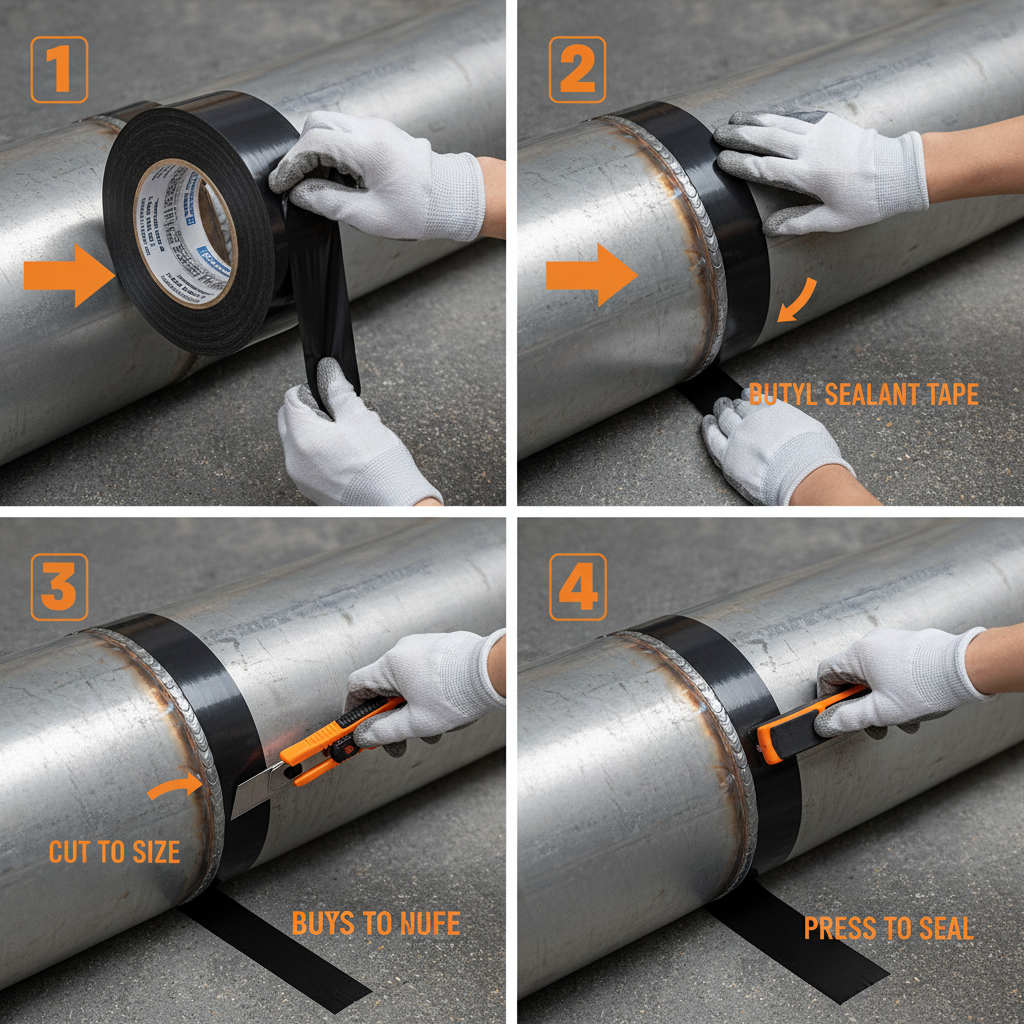
Understanding Butyl Rubber Adhesive Tape
Butyl rubber is a synthetic rubber copolymer of isobutylene and isoprene. This composition grants the tape remarkable properties, including excellent impermeability to air and moisture, resistance to chemicals, and exceptional flexibility. Butyl rubber tape is commonly used with a pressure-sensitive adhesive (PSA) backing, allowing for easy application without the need for solvents or heat. Its inherent tack and strong bonding capabilities make it a preferred choice for applications requiring a long-lasting, waterproof seal. This tape can withstand extreme temperatures and UV exposure, making it suitable for outdoor applications.
Key Highlights: Exceptional impermeability, chemical resistance, flexibility, and ease of application. Long-lasting performance in harsh environments.
Key Applications of Butyl Rubber Adhesive Tape
The versatility of butyl rubber tape allows it to be used in a wide array of applications. Common uses include sealing joints in HVAC systems, bonding roofing membranes, waterproofing seams in construction, and repairing leaks in automotive applications. It's also widely utilized in the marine industry for sealing boat hulls and preventing corrosion. Butyl rubber adhesive tape is invaluable in industries where reliable sealing and bonding are crucial for performance and longevity.
Application Areas:
• HVAC Sealing
• Roofing and Waterproofing
• Automotive Repair
• Marine Applications
Butyl Rubber Adhesive Tape vs. Other Adhesive Options
Compared to other adhesive tapes, butyl rubber offers unique advantages. While acrylic tapes provide good UV resistance, they lack the superior impermeability of butyl rubber. Silicone tapes are heat-resistant but typically have lower adhesion. Butyl rubber adhesive tape excels in applications demanding a watertight, airtight seal and enduring performance. It resists aging, cracking, and degradation better than many alternatives, making it a cost-effective long-term solution.
Choosing the Right Butyl Rubber Adhesive Tape
Selecting the correct butyl rubber tape depends on the specific application. Consider the surface material, temperature range, and exposure to chemicals. Qiangda Tape offers a variety of butyl rubber tapes with different thicknesses, widths, and adhesive strengths to meet diverse needs. Ensure proper surface preparation before application for optimal adhesion. Cleaning the surface to remove dirt, dust, and oil is crucial.
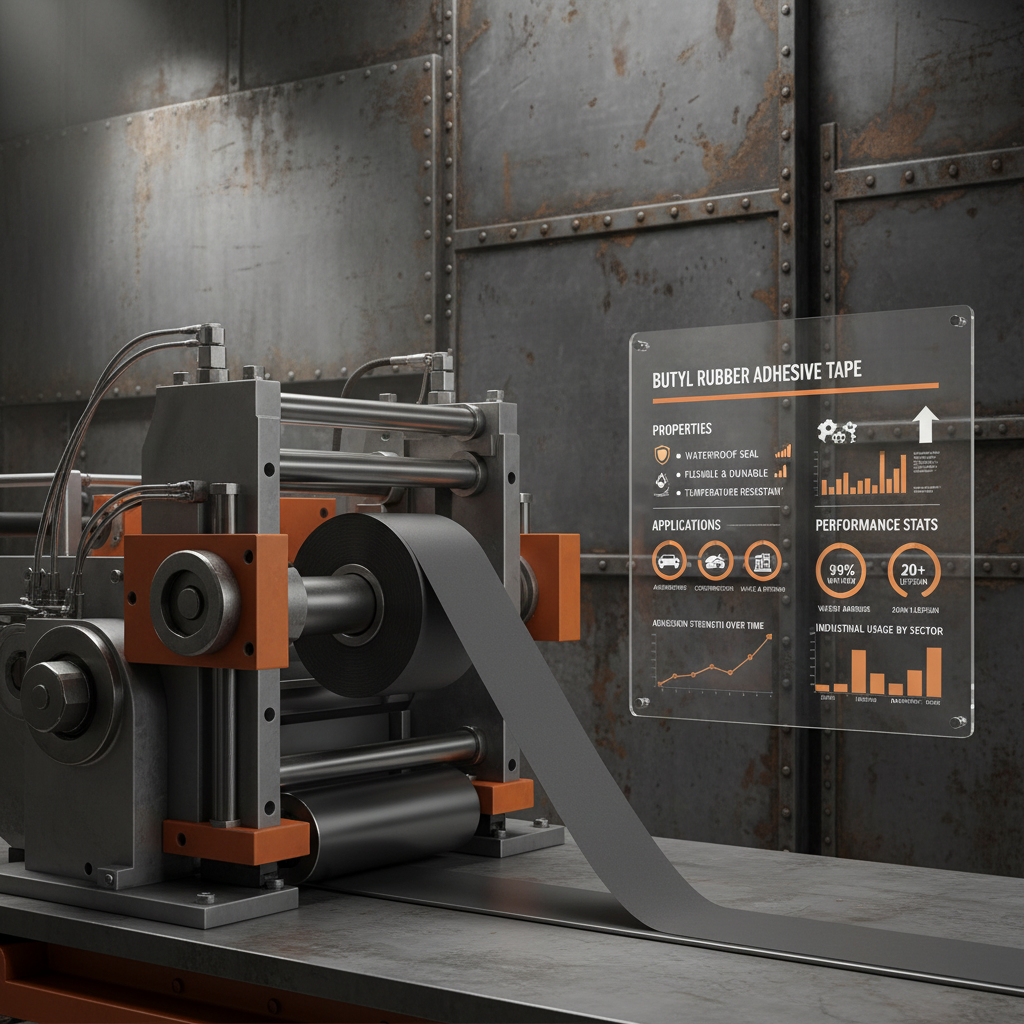
Product Specifications & Considerations
Here’s a quick overview of common specifications for butyl rubber adhesive tape:
Conclusion: The Reliable Solution for Sealing and Bonding
Butyl rubber adhesive tape offers a compelling combination of performance, durability, and ease of use. Its versatile properties make it an ideal choice for a wide range of applications. Choosing a quality butyl rubber tape from a trusted supplier like Qiangda Tape ensures you're getting a product that meets your specific needs and delivers long-lasting results.
Frequently Asked Questions (FAQs)
What is the shelf life of butyl rubber adhesive tape?
Generally, butyl rubber tape has a shelf life of 1-2 years when stored in a cool, dry place away from direct sunlight. However, the actual shelf life can vary depending on the specific product and storage conditions. Proper storage is crucial to maintain the tape's adhesive properties. Inspect the tape for any signs of degradation before use, such as tackiness loss or discoloration. If you are unsure, contact the manufacturer, Qiangda Tape, for guidance.
Can butyl rubber tape be used outdoors?
Yes, butyl rubber tape is well-suited for outdoor applications. Its excellent weather resistance protects against UV radiation, moisture, and temperature fluctuations. However, prolonged exposure to extreme weather conditions may eventually affect its performance. Choosing a tape specifically designed for outdoor use, with UV stabilizers, will maximize its lifespan. Proper surface preparation is also crucial for ensuring long-lasting adhesion in outdoor environments.
How do I properly apply butyl rubber adhesive tape?
Before applying, ensure the surface is clean, dry, and free of contaminants. Remove any existing adhesives or coatings. Peel off the release liner and carefully apply the tape, pressing firmly to ensure full contact. Use a roller or similar tool to smooth out any air bubbles and ensure a secure bond. For best results, follow the manufacturer's instructions provided by Qiangda Tape.
Is butyl rubber tape removable?
Butyl rubber tape is designed for a strong, long-lasting bond and can be difficult to remove cleanly. Attempting to remove it forcefully may damage the bonded surfaces. Using a specialized adhesive remover or heat gun (with caution) may help loosen the adhesive, but careful testing is recommended before applying to a large area. The removability will also depend on the surface material and the duration of adhesion.
-
Industrial Fire Proof Tape Guide for High Temperature ProtectionNewsApr.16,2026
-
Ultimate Guide to Fireproof Tape Protection and ApplicationsNewsApr.09,2026
-
Exploring Black Tack Butyl Applications and Benefits for Optimal SealingNewsApr.07,2026
-
Comprehensive Guide to Black Butyl Rubber Tape Applications and BenefitsNewsApr.04,2026
-
Comprehensive Guide to High Power Butyl Waterproof Tape ApplicationsNewsMar.31,2026
-
Comprehensive Guide to 360tronics Butyl Waterproof Tape for Airtight and Watertight SealsNewsMar.28,2026