
Understanding Butyl Rubber Flashing for Superior Sealing
Butyl rubber flashing is a versatile and highly effective material used in a wide range of sealing applications, particularly in construction and automotive industries. Its exceptional impermeability to air and moisture, coupled with its flexibility and durability, makes it a preferred choice for preventing leaks and protecting structures. This article will provide a comprehensive overview of butyl rubber flashing, its properties, applications, installation, and benefits. Whether you are a contractor, engineer, or DIY enthusiast, understanding butyl rubber flashing is crucial for ensuring long-lasting, weatherproof seals. Explore our range of butyl tapes and flashing solutions to find the perfect product for your needs.
What is Butyl Rubber Flashing?
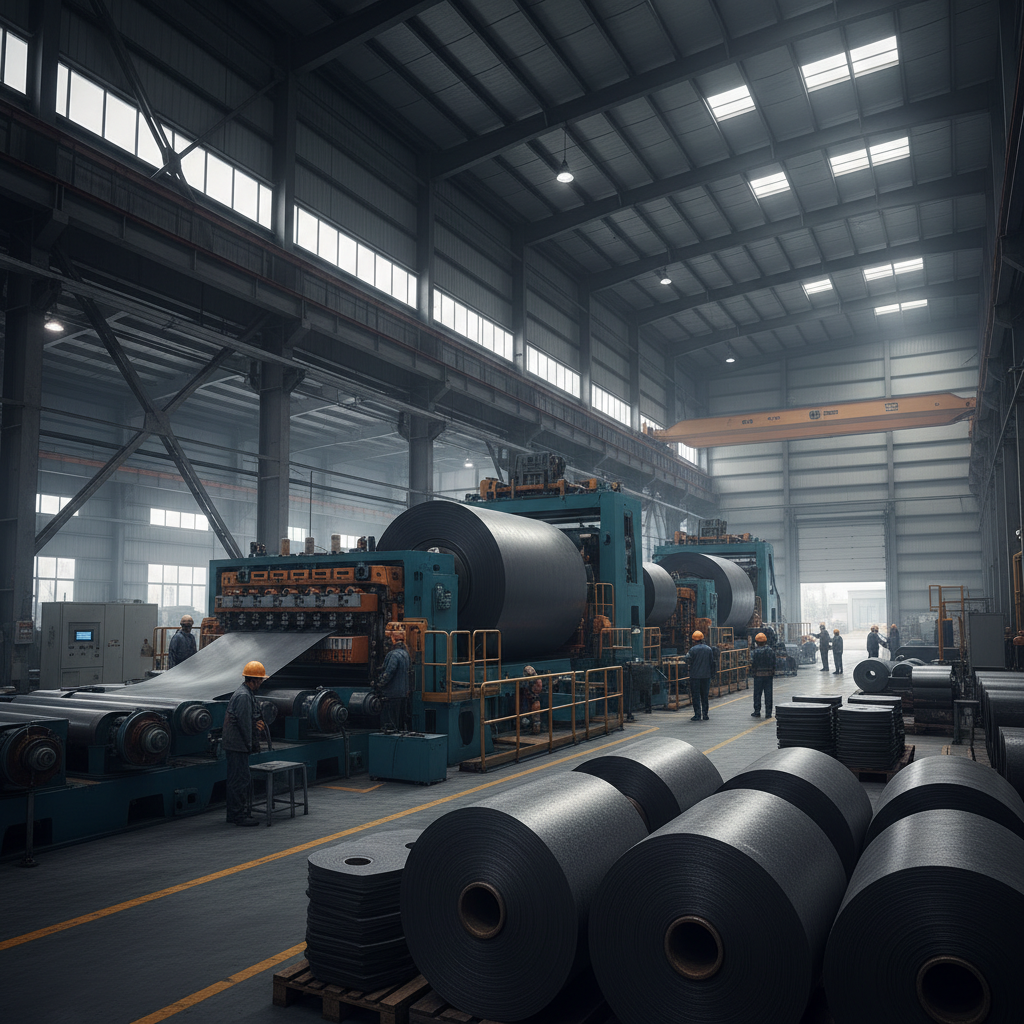
Butyl rubber flashing is a pliable, self-adhesive tape or sheet composed of butyl rubber, a synthetic rubber copolymer. Unlike many other sealants, butyl rubber offers exceptional resistance to aging, weathering, and chemical degradation. It maintains its flexibility over a broad temperature range, ensuring a reliable seal even in harsh conditions. The adhesive side typically features an aggressive adhesive that bonds strongly to a variety of surfaces including metal, plastic, wood, and concrete. It's commonly used to seal joints, gaps, and seams where water intrusion is a concern. The key characteristic is its ability to create a watertight and airtight barrier, making it ideal for both interior and exterior applications.
Key Highlights: Exceptional impermeability to air and moisture, superior resistance to weathering, and a strong, lasting adhesive bond.
Common Applications of Butyl Rubber Flashing
Butyl rubber flashing’s versatility makes it suitable for numerous applications. In construction, it’s widely used for sealing around windows and doors, roofing underlayment, chimney flashing, and pipe penetrations. Automotive applications include sealing windshields, sunroofs, and body panels. It is also frequently found in HVAC systems for duct sealing and insulation, and in marine applications for sealing deck hardware and hull penetrations. Furthermore, it’s utilized in the manufacturing of RVs and trailers for seam sealing and preventing water damage. Its ability to conform to irregular surfaces and maintain a tight seal makes it a valuable component in many industries.
Application Benefits:
• Excellent water and air barrier
• Ideal for both indoor and outdoor use
• Resistant to UV radiation and temperature fluctuations
• Long-lasting and durable
Butyl Rubber Flashing vs. Other Flashing Materials
When choosing a flashing material, it’s important to consider the pros and cons of each option. Compared to traditional asphalt-based flashing, butyl rubber offers superior longevity, flexibility, and resistance to cracking. Unlike silicone sealants, butyl rubber doesn't require a primer for many surfaces and maintains its adhesion even when exposed to moisture. While aluminum flashing provides excellent durability, it can be prone to corrosion and requires careful installation. Butyl rubber provides an excellent balance of performance and ease of use, making it a cost-effective solution for a wide range of sealing needs. Browse our selection of high-quality butyl rubber flashing.
Installation Tips for Optimal Performance
Proper installation is key to maximizing the effectiveness of butyl rubber flashing. Ensure the surfaces are clean, dry, and free of dust, grease, or loose particles. Peel off the release liner and carefully apply the flashing, pressing firmly to ensure complete adhesion. Avoid stretching the flashing during application, as this can compromise its seal. For best results, overlap seams by at least 2 inches. In cold weather, warming the flashing slightly can improve its adhesion. Consider using a roller to apply even pressure and eliminate any air bubbles. Find detailed installation guides and resources on our website.
Conclusion: A Reliable Solution for Weatherproofing
Butyl rubber flashing offers a superior sealing solution for a wide array of applications. Its exceptional properties, including durability, flexibility, and water resistance, make it a smart choice for anyone seeking long-lasting protection against the elements. Investing in high-quality butyl rubber flashing from a trusted supplier, like Qiangda Tape, ensures optimal performance and peace of mind.
Frequently Asked Questions (FAQs)
What temperature range can butyl rubber flashing withstand?
Butyl rubber flashing generally performs well in temperatures ranging from -40°F to 176°F (-40°C to 80°C). It maintains its flexibility and sealing properties even in extreme temperatures, unlike many other sealants that become brittle in cold weather or lose adhesion in high heat. This makes it a reliable choice for a wide range of climates and applications. However, prolonged exposure to very high temperatures may gradually degrade the rubber over time.
Can butyl rubber flashing be painted?
While it’s possible to paint butyl rubber flashing, it’s generally not recommended. The paint may not adhere well to the rubber surface, and it can compromise the flashing’s flexibility and sealing properties. If painting is absolutely necessary, use a paint specifically designed for rubber or plastic surfaces and apply a thin, flexible primer first. Always test a small area before painting the entire surface.
How long does butyl rubber flashing last?
With proper installation and under normal conditions, butyl rubber flashing can last for 10-20 years or even longer. Its resistance to weathering, UV radiation, and chemical degradation contributes to its long lifespan. Regular inspection for any signs of cracking, peeling, or damage is recommended. Factors such as exposure to harsh chemicals, extreme temperatures, and physical stress can affect its longevity.
Is butyl rubber flashing environmentally friendly?
Butyl rubber is generally considered a more environmentally friendly option compared to some other sealants. It's a synthetic rubber that doesn't contain harmful solvents or VOCs (volatile organic compounds). It's also recyclable in some cases. However, proper disposal methods should always be followed to minimize its environmental impact.
-
Industrial Fire Proof Tape Guide for High Temperature ProtectionNewsApr.16,2026
-
Ultimate Guide to Fireproof Tape Protection and ApplicationsNewsApr.09,2026
-
Exploring Black Tack Butyl Applications and Benefits for Optimal SealingNewsApr.07,2026
-
Comprehensive Guide to Black Butyl Rubber Tape Applications and BenefitsNewsApr.04,2026
-
Comprehensive Guide to High Power Butyl Waterproof Tape ApplicationsNewsMar.31,2026
-
Comprehensive Guide to 360tronics Butyl Waterproof Tape for Airtight and Watertight SealsNewsMar.28,2026