
Butyl Rubber Flashing Tape: A Comprehensive Guide
When tackling roofing, waterproofing, or any construction project requiring a secure seal against the elements, butyl rubber flashing tape is an essential material. This self-adhesive tape offers superior adhesion, flexibility, and weather resistance, making it a preferred choice among professionals. This article will explore the benefits, applications, installation, and factors to consider when choosing the right butyl rubber flashing tape. We’ll cover everything from its composition to maximizing its performance for long-lasting protection.
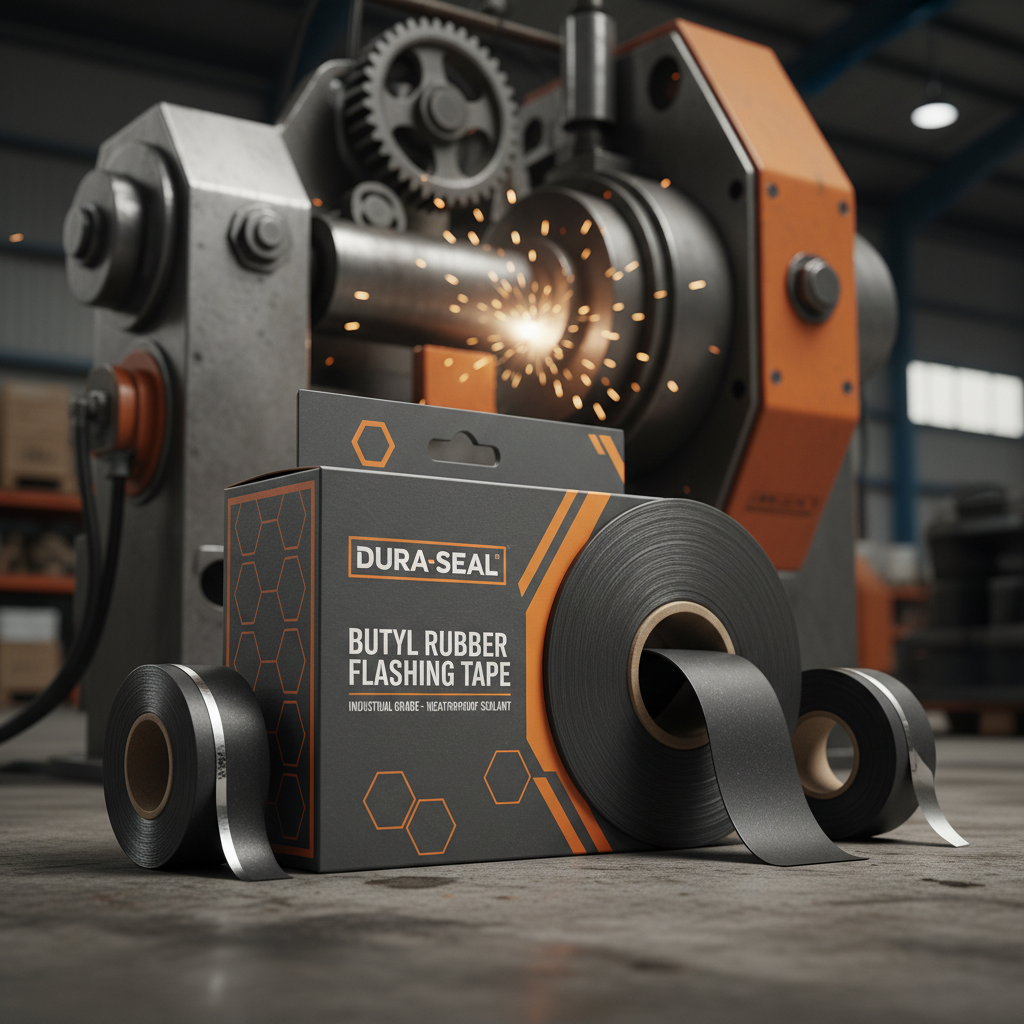
Understanding Butyl Rubber Flashing Tape
Butyl rubber flashing tape is a self-adhesive waterproofing material composed of a butyl rubber compound and reinforced with a variety of backing materials like aluminum, polyethylene film, or woven fabrics. The butyl rubber provides exceptional adhesion to various surfaces – including wood, metal, concrete, and plastics – even in challenging conditions. It’s known for its ability to remain flexible and airtight over time, resisting cracking and shrinking. This flexibility is crucial for accommodating building movement and temperature fluctuations. The tape’s self-adhesive nature simplifies installation, reducing labor costs and ensuring a reliable seal.
Key Highlights: Excellent adhesion, superior weather resistance, exceptional flexibility, and simplified installation make butyl rubber flashing tape a versatile solution for various sealing applications.
Applications of Butyl Rubber Flashing Tape
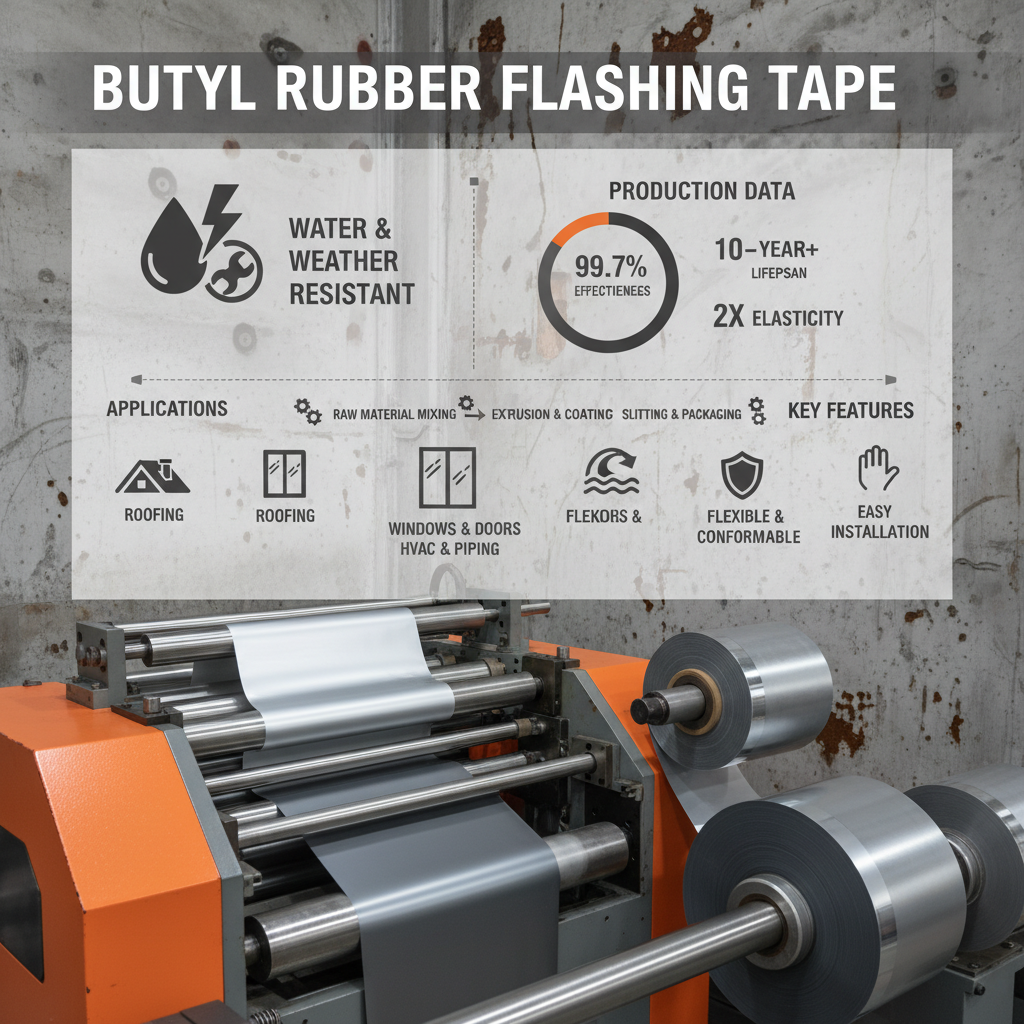
The versatility of butyl rubber flashing tape lends itself to a broad spectrum of applications. Common uses include: roofing underlayment, sealing around windows and doors, flashing chimneys and vents, repairing leaks in RVs and trailers, and waterproofing seams and joints. It's frequently used in metal building construction to seal overlaps and side joints, providing a watertight barrier against weather elements. Its ability to conform to irregular surfaces makes it ideal for complex architectural details. Beyond construction, it finds applications in automotive and marine industries for sealing and vibration dampening.
Common Applications:
• Roofing underlayment and repair
• Window and door sealing
• Chimney and vent flashing
• RV and trailer leak repair
Butyl Rubber Flashing Tape vs. Other Flashing Materials
Compared to traditional flashing materials like aluminum or copper, butyl rubber flashing tape offers distinct advantages. Aluminum can be prone to corrosion, and copper is relatively expensive. Butyl tape’s inherent flexibility allows it to conform to uneven surfaces more easily, creating a tighter seal. Unlike liquid flashing compounds, butyl tape doesn’t require mixing or specialized application tools. While asphalt-based flashing can be cost-effective, it becomes brittle with age and doesn’t offer the same level of adhesion or long-term durability as butyl rubber. The superior performance and ease of use often justify the slightly higher initial cost of butyl rubber tape.
Installation Best Practices
Proper installation is critical for ensuring the longevity and effectiveness of butyl rubber flashing tape. The surface must be clean, dry, and free of any debris, oil, or loose particles. Apply firm, even pressure during application to ensure optimal adhesion. Overlap seams by at least 2-3 inches. Avoid stretching the tape excessively, as this can compromise its adhesive properties. For best results, work in temperatures above 40°F (4°C). Consider using a seam roller to further enhance adhesion and eliminate any air pockets. Always follow the manufacturer’s instructions for specific application guidelines.
Choosing the Right Butyl Rubber Flashing Tape
Several factors should be considered when selecting butyl rubber flashing tape. The type of backing material – aluminum, polyethylene, or woven fabric – will influence the tape’s strength, flexibility, and resistance to UV radiation. The thickness of the butyl rubber compound impacts its adhesion and sealing capabilities. Consider the climate and exposure conditions; for areas with high UV exposure, choose a tape with a UV-resistant coating. Qiangda Tape offers a range of butyl rubber flashing tapes designed to meet diverse project requirements.
Conclusion: Secure Your Projects with Butyl Rubber Flashing Tape
Butyl rubber flashing tape is a reliable and versatile solution for a wide range of sealing and waterproofing applications. Its superior adhesion, flexibility, and weather resistance make it a preferred choice for professionals. By selecting the right tape and following proper installation techniques, you can ensure long-lasting protection and peace of mind. Invest in quality butyl rubber flashing tape and safeguard your projects against the elements.
Frequently Asked Questions (FAQs)
Can butyl rubber flashing tape be used on wet surfaces?
While butyl rubber flashing tape offers excellent adhesion even on slightly damp surfaces, it’s generally recommended to apply it to a dry surface for optimal results. Excess moisture can hinder the initial tack and long-term bond. If the surface is wet, attempt to dry it as much as possible before applying the tape. However, the tape’s inherent properties allow it to seal minor moisture, providing a waterproof barrier even if complete dryness isn’t achievable.
What is the temperature range for butyl rubber flashing tape application?
Most butyl rubber flashing tapes perform best when applied in temperatures between 40°F (4°C) and 100°F (38°C). Lower temperatures can reduce the tape’s tackiness, while higher temperatures may make it overly soft. Avoid applying the tape in direct sunlight or extreme weather conditions. If applying in cooler temperatures, warming the tape slightly can improve its adhesion. Always refer to the manufacturer's specifications for specific temperature recommendations.
How long does butyl rubber flashing tape last?
The lifespan of butyl rubber flashing tape typically ranges from 10 to 20 years, depending on exposure to UV radiation, weather conditions, and the quality of installation. Proper installation and protection from direct sunlight can significantly extend its longevity. Regularly inspect the tape for signs of cracking, peeling, or degradation, and replace it if necessary. Quality tapes from reputable manufacturers like Qiangda Tape are designed for long-lasting performance.
-
Industrial Fire Proof Tape Guide for High Temperature ProtectionNewsApr.16,2026
-
Ultimate Guide to Fireproof Tape Protection and ApplicationsNewsApr.09,2026
-
Exploring Black Tack Butyl Applications and Benefits for Optimal SealingNewsApr.07,2026
-
Comprehensive Guide to Black Butyl Rubber Tape Applications and BenefitsNewsApr.04,2026
-
Comprehensive Guide to High Power Butyl Waterproof Tape ApplicationsNewsMar.31,2026
-
Comprehensive Guide to 360tronics Butyl Waterproof Tape for Airtight and Watertight SealsNewsMar.28,2026