
Butyl Rubber Roof Sealant: A Comprehensive Guide
Protecting your roof from the elements is crucial for maintaining the integrity of your building. One of the most effective ways to achieve this is by using a high-quality butyl rubber roof sealant. This guide will provide an in-depth look at butyl rubber sealants, their benefits, applications, and how to choose the right product for your needs. We'll cover everything from understanding its properties to application techniques, ensuring your roof remains watertight and durable for years to come.
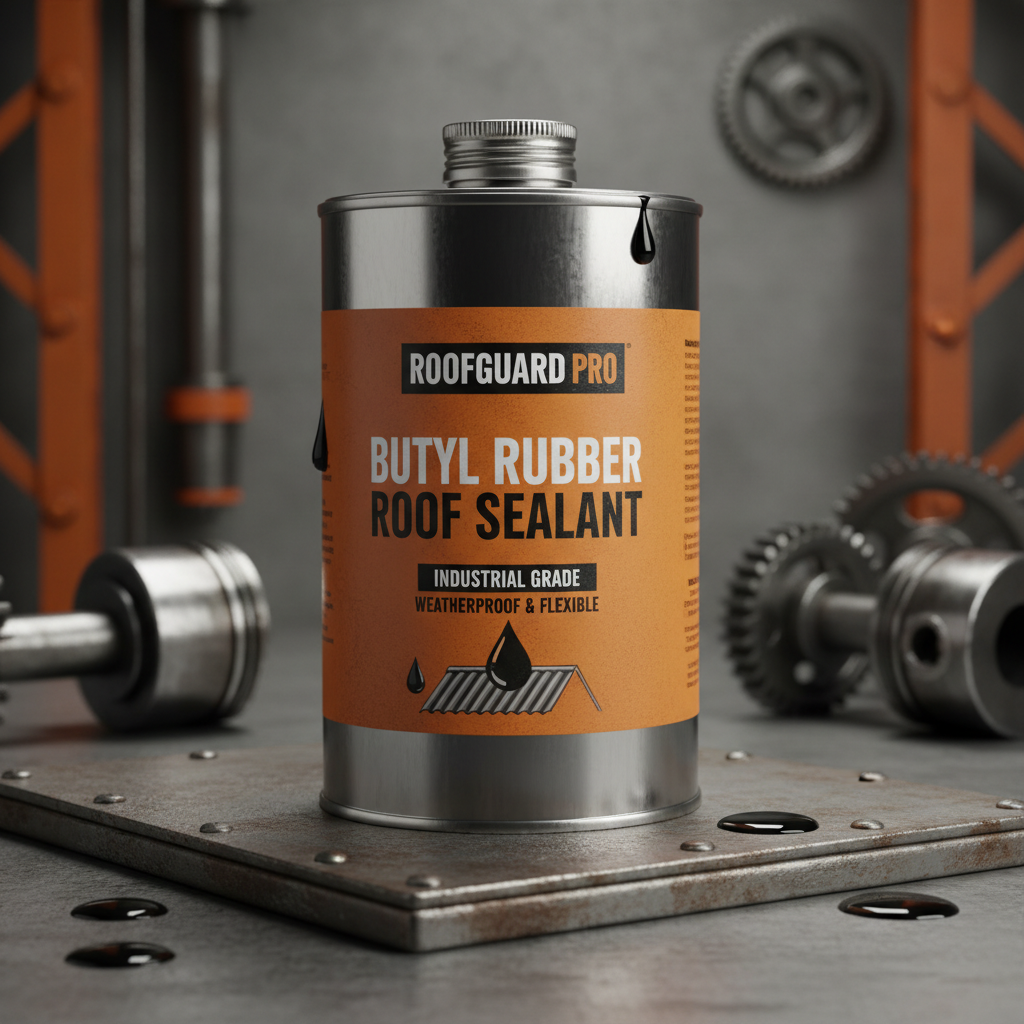
Understanding Butyl Rubber Sealant
Butyl rubber is a synthetic rubber copolymer of isobutylene and isoprene. Its unique molecular structure grants it exceptional properties making it an ideal material for roofing sealants. Notably, butyl rubber exhibits excellent resistance to weathering, aging, and chemical degradation. It remains flexible over a wide temperature range and provides a durable, watertight seal. Unlike some other sealants, butyl rubber doesn't shrink or harden significantly over time, maintaining its effectiveness for years. It adheres well to various roofing materials, including metal, concrete, wood, and plastics. QiangDatape's butyl rubber roof sealants are formulated to deliver superior performance and long-lasting protection.
Key Highlights: Exceptional weathering resistance, durable watertight seal, maintains flexibility, strong adhesion to various roofing materials.
Butyl Rubber Roof Sealant vs. Silicone and Polyurethane Sealants
When choosing a roof sealant, you might consider alternatives like silicone or polyurethane. While both have their advantages, butyl rubber often outperforms them in specific areas. Silicone offers excellent temperature resistance, but its adhesion can be limited, and it's difficult to paint over. Polyurethane provides strong adhesion but can become brittle over time, losing its flexibility. Butyl rubber strikes a balance between these characteristics. It offers good adhesion, maintains flexibility, and resists cracking or shrinking. For long-term reliability and performance, butyl rubber is often the preferred choice for roofing applications. Explore our range of butyl rubber products to see the difference.
Sealant Comparison:
• Butyl Rubber: Excellent flexibility, long-lasting, good adhesion, resists shrinking.
• Silicone: High temperature resistance, limited adhesion, difficult to paint.
• Polyurethane: Strong adhesion, can become brittle, less flexible.
Applications of Butyl Rubber Roof Sealant
Butyl rubber roof sealant is incredibly versatile and can be used in a wide array of roofing applications. Common uses include sealing around vents, chimneys, skylights, and pipes. It’s also excellent for repairing cracks and gaps in roofing materials, preventing water intrusion. It’s often used to seal seams in metal roofing, as well as around flashing. Because of its excellent adhesion, it's also commonly used for bonding roofing components. It is an essential product for both new construction and roof repair projects. Choosing the right application method is key for optimal performance.
Selecting the Right Butyl Rubber Roof Sealant
Not all butyl rubber sealants are created equal. Consider factors like viscosity, color, and application temperature. Higher viscosity sealants are often better for vertical surfaces, while lower viscosity sealants are easier to apply to horizontal surfaces. Choose a sealant color that complements your roofing material. Ensure the sealant is suitable for the temperature range you'll be working in.
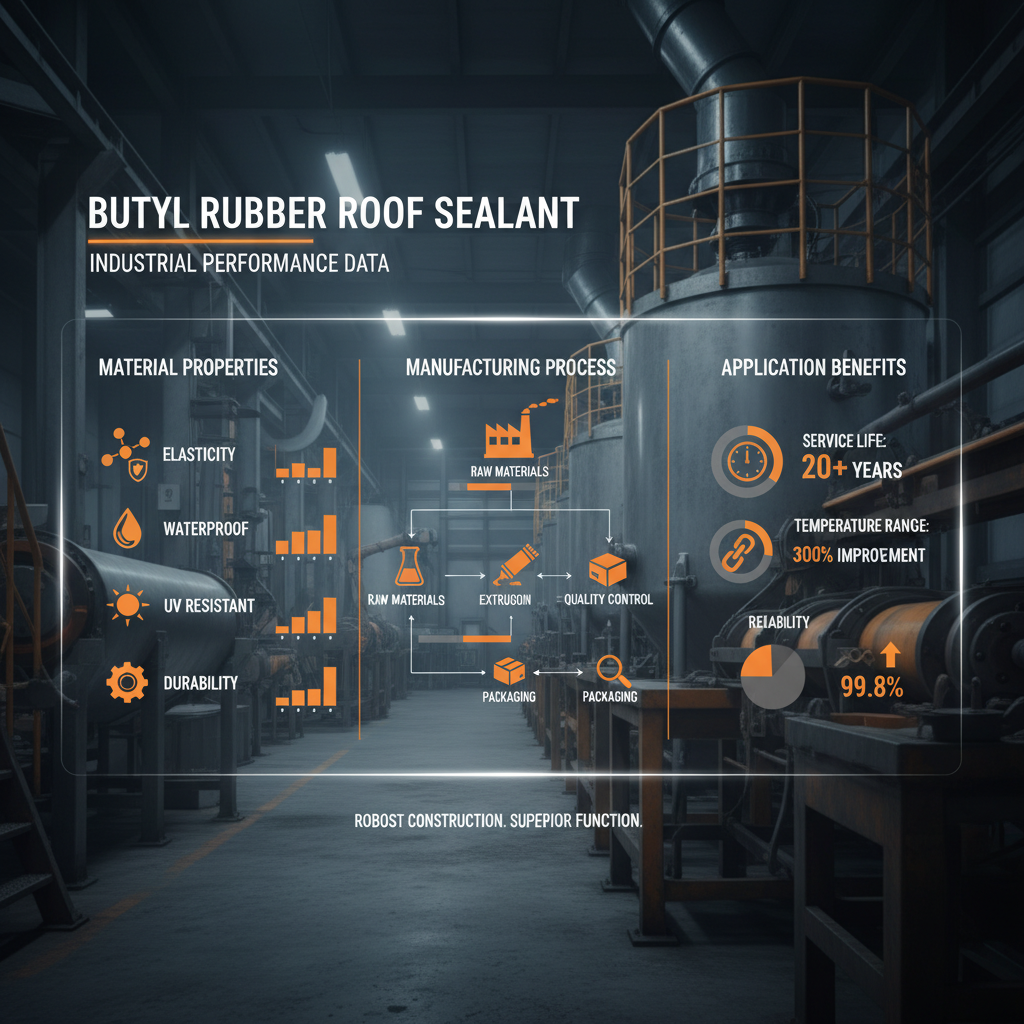
Application Tips for Best Results
Proper application is essential for maximizing the performance of your butyl rubber roof sealant. Ensure the surface is clean, dry, and free of debris. Apply the sealant evenly, using a caulking gun or putty knife. Press the sealant firmly into the crack or gap to ensure good adhesion. Smooth the sealant with a wet finger or tool for a professional finish. Allow the sealant to cure according to the manufacturer's instructions. Protect the sealant from rain or moisture during the curing process. Follow these tips to ensure a long-lasting, watertight seal.
Conclusion: Protecting Your Investment with Butyl Rubber
Investing in a high-quality butyl rubber roof sealant is a proactive step towards protecting your building from water damage and extending its lifespan. Its durability, flexibility, and excellent adhesion make it a superior choice for a wide range of roofing applications. Choose QiangDatape for reliable, long-lasting roofing solutions.
Frequently Asked Questions (FAQs)
What is the shelf life of butyl rubber roof sealant?
Butyl rubber roof sealant generally has a shelf life of 12-24 months when stored in a cool, dry place, away from direct sunlight. Check the manufacturer’s packaging for specific instructions. Over time, the sealant may thicken or lose some of its adhesive properties. Properly sealed containers are crucial to maintain product quality. Ensure the sealant is still pliable and has a consistent texture before use. Discard any sealant that is hardened, dried out, or shows signs of contamination.
Can butyl rubber sealant be painted over?
Yes, most butyl rubber sealants can be painted over once they have fully cured. However, it's recommended to use a paint that is compatible with rubber and has good adhesion properties. Acrylic latex paints generally work well. Before painting, ensure the sealant surface is clean and dry. It’s best to test a small area first to ensure compatibility and prevent peeling or cracking.
Is butyl rubber sealant environmentally friendly?
Butyl rubber is considered relatively environmentally friendly compared to some other sealant materials. It doesn't contain harmful solvents and emits low levels of volatile organic compounds (VOCs). However, proper disposal is still essential. Follow local regulations for disposing of construction materials. QiangDatape is committed to sustainable practices and offers eco-friendly sealant options.
How do I prepare the surface before applying butyl rubber sealant?
Proper surface preparation is crucial for ensuring strong adhesion. Clean the surface thoroughly to remove any dirt, dust, grease, or loose particles. Use a suitable cleaner or solvent to degrease the surface if necessary. Ensure the surface is completely dry before applying the sealant. For porous surfaces, consider applying a primer to improve adhesion. Remove any existing old sealant or debris before applying the new sealant.
-
Industrial Fire Proof Tape Guide for High Temperature ProtectionNewsApr.16,2026
-
Ultimate Guide to Fireproof Tape Protection and ApplicationsNewsApr.09,2026
-
Exploring Black Tack Butyl Applications and Benefits for Optimal SealingNewsApr.07,2026
-
Comprehensive Guide to Black Butyl Rubber Tape Applications and BenefitsNewsApr.04,2026
-
Comprehensive Guide to High Power Butyl Waterproof Tape ApplicationsNewsMar.31,2026
-
Comprehensive Guide to 360tronics Butyl Waterproof Tape for Airtight and Watertight SealsNewsMar.28,2026