
Butyl Rubber Roofing Sheet: A Comprehensive Guide
Choosing the right roofing material is a critical decision for any building project. Butyl rubber roofing sheet offers a compelling combination of durability, waterproofing, and longevity, making it a popular choice for both flat and low-sloped roofs. This article delves into the benefits, applications, installation, and considerations when selecting butyl rubber roofing, providing a comprehensive overview for homeowners, contractors, and architects. Understanding the properties of butyl rubber can ensure you make an informed decision for lasting roof protection.
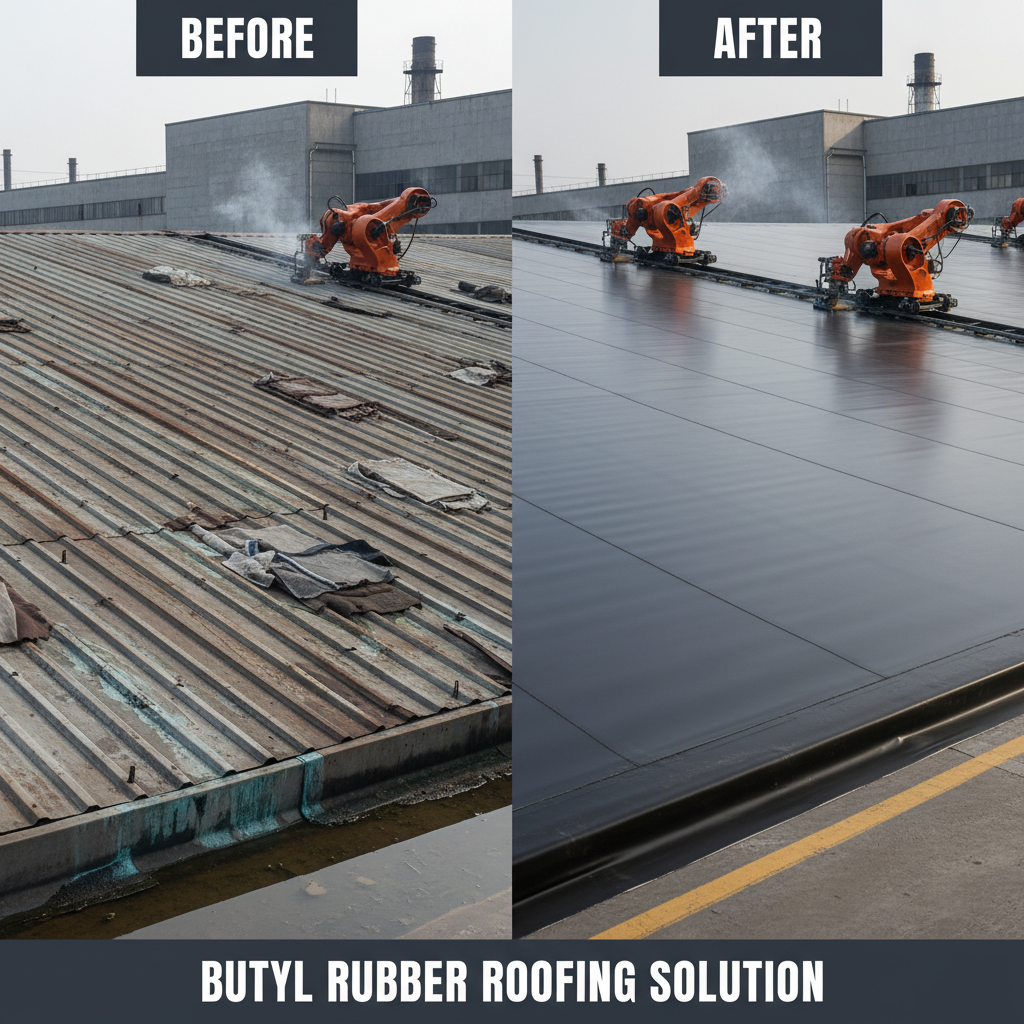
Understanding Butyl Rubber: Key Properties and Benefits
Butyl rubber is a synthetic rubber copolymer of isobutylene and isoprene. It’s renowned for its exceptional impermeability to gases and moisture, making it an ideal roofing material. Key benefits include excellent weather resistance, UV stability, and flexibility even at low temperatures. This prevents cracking and shrinking often seen with other roofing materials. Furthermore, butyl rubber resists ozone, chemicals, and abrasion, extending the lifespan of the roof. It is also relatively easy to install and requires minimal maintenance, saving time and money in the long run. Choosing butyl rubber roofing sheet is an investment in a durable and reliable roofing solution.
Key Highlights: Excellent weather resistance, UV stability, and flexibility. Resists ozone, chemicals, and abrasion for a long-lasting roof.
Butyl Rubber Roofing Sheet: Applications
Butyl rubber roofing sheets are versatile and suitable for a wide range of applications. They are commonly used for flat roofs on residential, commercial, and industrial buildings. They're also excellent for low-sloped roofs, caravan roofs, boat decks, and even waterproofing foundations. The flexibility of the material allows it to conform to complex roof shapes and contours, minimizing seams and potential leak points. Additionally, its resistance to chemicals makes it suitable for roofs exposed to industrial pollutants or corrosive environments. The material is commonly used in the construction and automotive industries.
Application Areas:
• Flat Residential Roofs
• Commercial Buildings
• Caravan & Boat Roofs
• Foundation Waterproofing
Butyl Rubber Roofing vs. Other Roofing Materials
Compared to other roofing materials like asphalt, EPDM, and PVC, butyl rubber offers unique advantages. While asphalt is often cheaper upfront, it has a shorter lifespan and requires more frequent maintenance. EPDM (ethylene propylene diene monomer) is also a good waterproofing option, but butyl rubber generally exhibits better resistance to UV degradation and chemical exposure. PVC (polyvinyl chloride) can be durable, but it’s less flexible than butyl rubber and may be more prone to cracking in cold weather. The following table provides a comparative overview:
Installation Considerations for Butyl Rubber Roofing Sheet
Proper installation is crucial for maximizing the lifespan and performance of your butyl rubber roof. Generally, the sheets are applied using a full adhesive system or a combination of adhesive and mechanical fastening. The roof surface should be clean, dry, and free of debris before installation. Overlapping seams should be carefully sealed to prevent water infiltration. For optimal results, it's recommended to hire a qualified roofing contractor experienced in working with butyl rubber materials. Qiangdatape provides high-quality butyl rubber roofing sheets and can offer guidance on best installation practices.
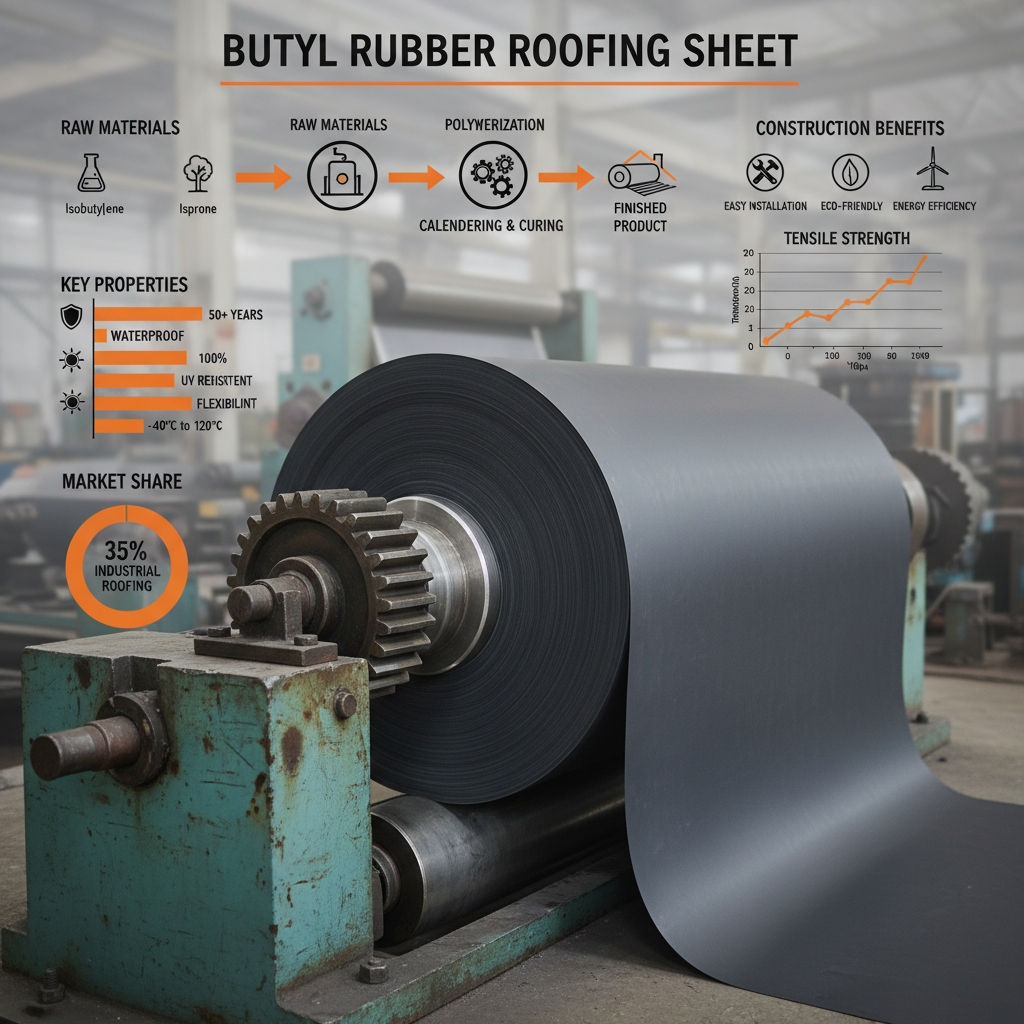
Product Specifications and Selection
Butyl rubber roofing sheets are available in various thicknesses, widths, and lengths to suit different project requirements. Common thicknesses range from 1.0mm to 2.0mm. When selecting a product, consider the roof’s slope, climate conditions, and expected foot traffic. Look for products that meet relevant industry standards and certifications. We offer various types and specifications to cater your demand.
Conclusion: A Durable and Reliable Roofing Solution
Investing in butyl rubber roofing sheet offers a long-term, cost-effective solution for a waterproof and durable roof. Its exceptional properties, versatility, and ease of installation make it a smart choice for a wide range of applications. Prioritize quality materials and professional installation to ensure optimal performance and longevity.
Frequently Asked Questions (FAQs)
What is the typical lifespan of a butyl rubber roof?
With proper installation and maintenance, a butyl rubber roof can typically last between 20 to 30 years or even longer. Its exceptional resistance to UV radiation, weathering, and chemical exposure contributes to its longevity. Regular inspections and prompt repairs of any minor damage can further extend the roof's lifespan. The quality of the material itself plays a significant role; choosing a reputable manufacturer like Qiangdatape ensures you're getting a durable and reliable product.
Is butyl rubber roofing environmentally friendly?
Butyl rubber is considered a relatively environmentally friendly roofing option. It doesn't contain harmful chemicals or VOCs (volatile organic compounds) that can contribute to air pollution. Furthermore, its long lifespan reduces the need for frequent replacements, minimizing waste generation. While not biodegradable, butyl rubber can be recycled in certain facilities, contributing to a more sustainable building practice.
Can butyl rubber roofing be installed over an existing roof?
In some cases, butyl rubber roofing can be installed over an existing roof, but it depends on the condition of the existing roof. The existing roof must be structurally sound, clean, dry, and free of loose materials. It’s crucial to address any underlying issues before installing the new butyl rubber layer. A professional roofing contractor can assess the existing roof and determine if it's suitable for a cover-over installation.
What kind of maintenance does a butyl rubber roof require?
Butyl rubber roofing requires minimal maintenance. Regular inspections (at least twice a year) for punctures, tears, or loose seams are recommended. Remove any debris, such as leaves or branches, that may accumulate on the roof. Promptly repair any damage to prevent water infiltration. Cleaning with mild soap and water can help maintain the roof’s appearance.
-
Industrial Fire Proof Tape Guide for High Temperature ProtectionNewsApr.16,2026
-
Ultimate Guide to Fireproof Tape Protection and ApplicationsNewsApr.09,2026
-
Exploring Black Tack Butyl Applications and Benefits for Optimal SealingNewsApr.07,2026
-
Comprehensive Guide to Black Butyl Rubber Tape Applications and BenefitsNewsApr.04,2026
-
Comprehensive Guide to High Power Butyl Waterproof Tape ApplicationsNewsMar.31,2026
-
Comprehensive Guide to 360tronics Butyl Waterproof Tape for Airtight and Watertight SealsNewsMar.28,2026