
Butyl Rubber Rope: A Comprehensive Guide
Butyl rubber rope is a versatile and durable material finding increasing applications in various industries, from marine and automotive to construction and sealing. Its exceptional impermeability to gases, excellent resistance to chemicals, and outstanding aging properties make it a superior choice over traditional ropes in many scenarios. This article will explore the characteristics, benefits, applications, and considerations when choosing butyl rubber rope, providing a thorough overview for professionals and buyers alike. Understanding its properties is key to maximizing its performance in your specific needs.
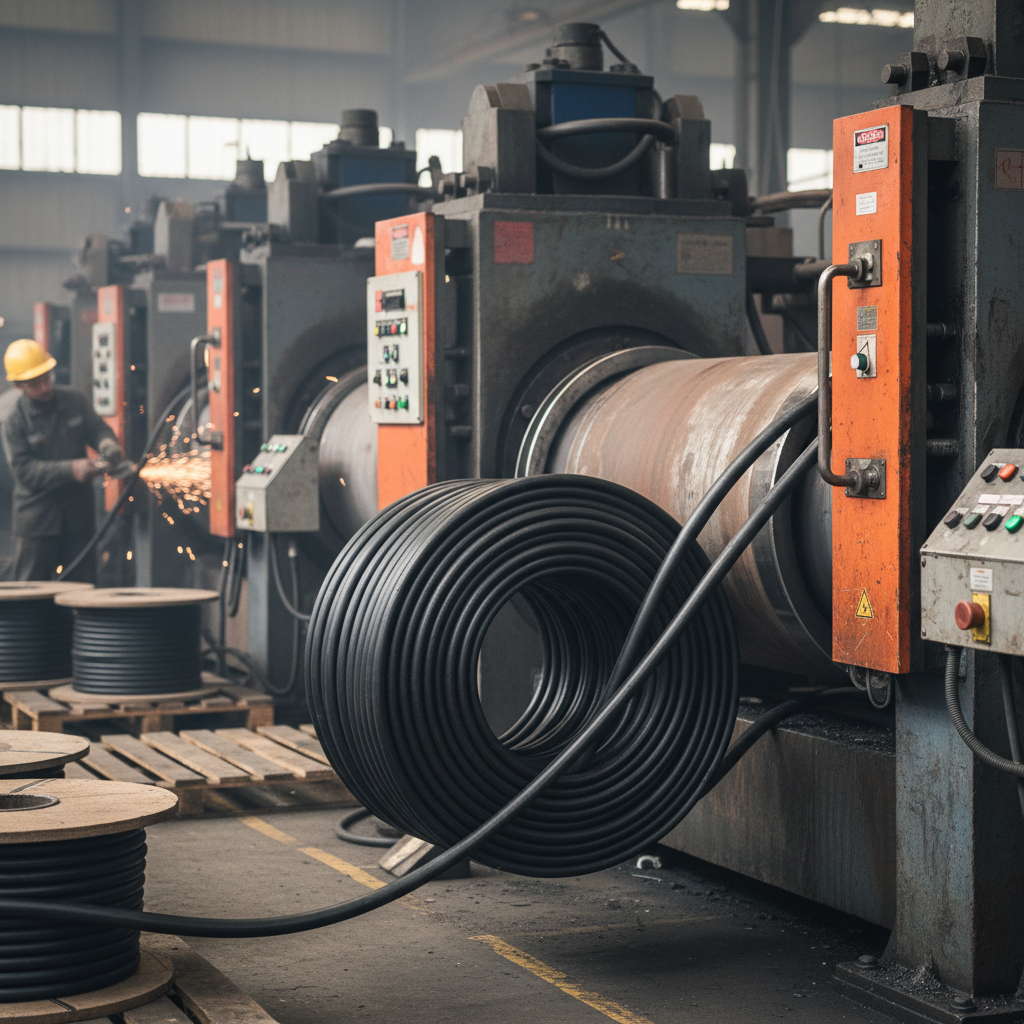
Key Properties of Butyl Rubber Rope
Butyl rubber, a copolymer of isobutylene and isoprene, possesses a unique combination of properties that make its rope form invaluable. Exceptional gas impermeability is a defining characteristic, far exceeding natural rubber and many other synthetic elastomers. This makes it ideal for applications requiring airtight seals. Furthermore, butyl rubber exhibits superior resistance to oxidation, UV exposure, and ozone cracking, contributing to its long lifespan even in harsh environments. Its resistance extends to a broad range of chemicals, including acids, bases, and alcohols. Finally, the material demonstrates good flexibility and damping properties, reducing vibration and wear. These attributes combine to create a rope capable of withstanding demanding conditions.
Key Highlights: Exceptional gas impermeability, superior chemical resistance, outstanding aging properties, and good flexibility make it ideal for sealing and demanding applications.
Butyl Rubber Rope vs. Other Rope Materials
Compared to common rope materials like natural rubber, neoprene, and polypropylene, butyl rubber rope offers distinct advantages in specific applications. Natural rubber, while flexible, lacks the same level of gas impermeability and chemical resistance. Neoprene provides better resistance to oil and weathering than natural rubber but doesn’t match butyl rubber’s gas barrier properties. Polypropylene is cost-effective but offers limited resistance to chemicals and UV degradation. The following table highlights a direct comparison:
Applications of Butyl Rubber Rope
The unique properties of butyl rubber rope lend themselves to a diverse range of applications. In the marine industry, it's used for sealing hatches, portholes, and other areas requiring an airtight barrier against water and air. The automotive sector utilizes it in fuel lines, vacuum lines, and seals due to its resistance to gasoline and other fuels. Construction benefits from its use in expansion joints, sealing around pipes, and dampening vibrations. Beyond these, applications extend to pharmaceutical packaging (seals), chemical processing (handling corrosive substances), and even specialty gaskets where a reliable, long-lasting seal is paramount. You can find detailed information on available sizes and specifications at Qiangdatape.
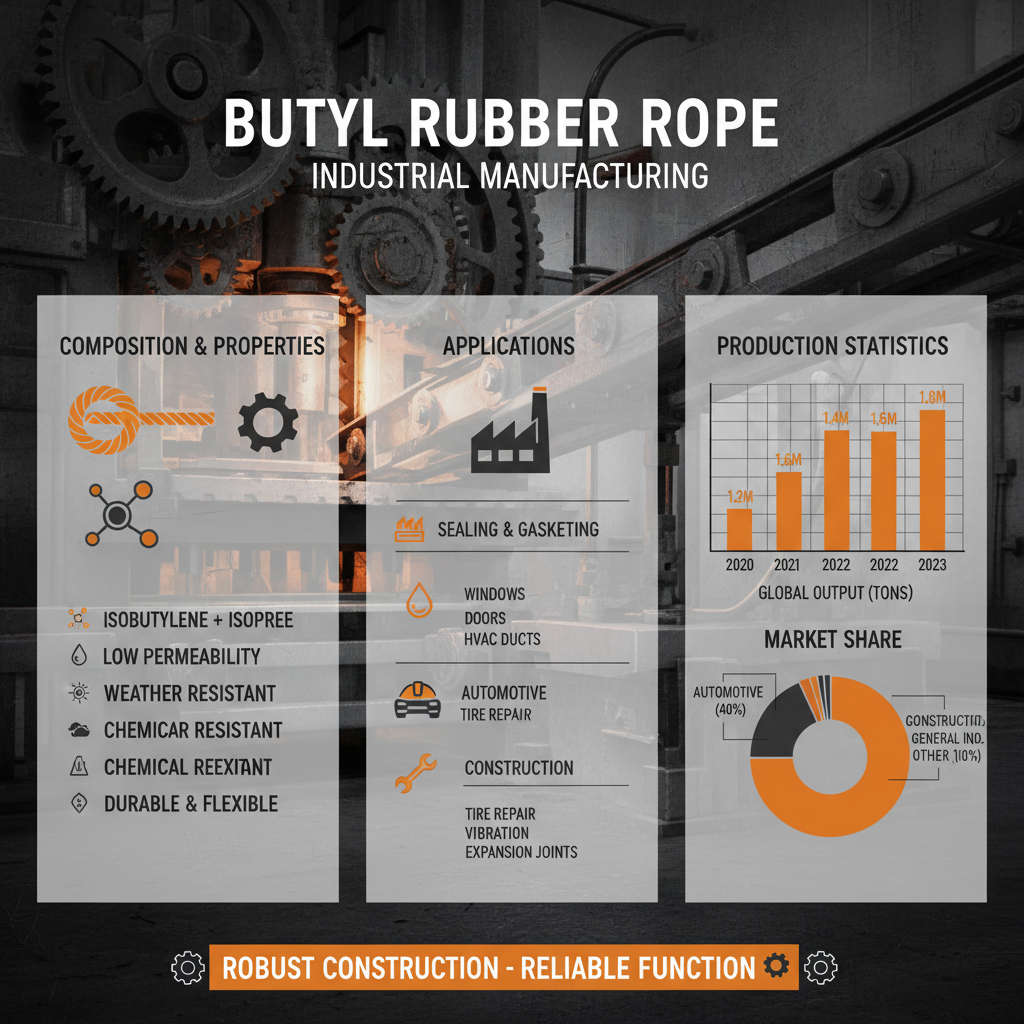
Choosing the Right Butyl Rubber Rope: Specifications & Considerations
Selecting the appropriate butyl rubber rope involves considering factors like diameter, length, and hardness. Diameter dictates the rope's strength and sealing ability – thicker ropes are suitable for higher-pressure applications. Hardness, measured using the Shore A scale, influences flexibility and resilience; a lower Shore A value indicates greater flexibility. The following table outlines common specifications:
Butyl Rubber Rope: Long-Term Performance and Maintenance
While butyl rubber is remarkably durable, proper handling and storage contribute to its longevity. Avoid prolonged exposure to extreme temperatures or direct sunlight when not in use. Clean the rope with mild soap and water to remove dirt or contaminants. Regular inspection for signs of wear or damage is recommended. With proper care, butyl rubber rope will deliver reliable performance for years, offering a cost-effective and dependable sealing solution. Explore the full range of sizes and options at Qiangdatape.
Conclusion: The Superior Choice for Reliable Sealing
Butyl rubber rope stands out as a superior sealing solution thanks to its exceptional impermeability, chemical resistance, and durability. From marine to automotive applications, its versatility and long-lasting performance make it a worthwhile investment. Choosing quality butyl rubber rope from a reputable supplier ensures you receive a product that meets your specific requirements and delivers lasting value.
Frequently Asked Questions (FAQs)
What is the temperature range for butyl rubber rope?
Butyl rubber rope generally performs well within a temperature range of -40°C to +100°C (-40°F to +212°F). However, prolonged exposure to extreme temperatures, especially at the higher end of the range, can potentially affect its properties over time. It is crucial to consult the product specifications from the manufacturer, such as Qiangdatape, to determine the exact temperature limitations for a particular rope type.
Is butyl rubber rope resistant to UV exposure?
Yes, butyl rubber exhibits excellent resistance to UV exposure compared to many other elastomers. However, prolonged and intense UV exposure can still cause gradual degradation over several years. Applying a UV protective coating or storing the rope indoors when not in use can help extend its lifespan. Always check the product data sheet for specific UV resistance ratings.
What applications are butyl rubber ropes NOT suitable for?
While versatile, butyl rubber rope isn’t ideal for applications involving prolonged contact with strong oxidizing agents, chlorinated solvents, or petroleum oils. Also, it’s not recommended for high-load dynamic applications where significant stretching and fatigue are expected. For these scenarios, other materials like steel cable or specialized synthetic ropes might be more appropriate. Always assess the specific chemical environment and mechanical stresses before selecting butyl rubber rope.
-
Industrial Fire Proof Tape Guide for High Temperature ProtectionNewsApr.16,2026
-
Ultimate Guide to Fireproof Tape Protection and ApplicationsNewsApr.09,2026
-
Exploring Black Tack Butyl Applications and Benefits for Optimal SealingNewsApr.07,2026
-
Comprehensive Guide to Black Butyl Rubber Tape Applications and BenefitsNewsApr.04,2026
-
Comprehensive Guide to High Power Butyl Waterproof Tape ApplicationsNewsMar.31,2026
-
Comprehensive Guide to 360tronics Butyl Waterproof Tape for Airtight and Watertight SealsNewsMar.28,2026