
Butyl Tape Rubber: A Comprehensive Guide
When it comes to sealing, waterproofing, and vibration dampening, butyl tape rubber stands out as a highly effective and versatile solution. This article will delve into the properties, applications, benefits, and considerations when using butyl tape, providing a thorough overview for professionals and DIY enthusiasts alike. Choosing the right sealing solution is vital for ensuring long-term performance and preventing costly issues. We’ll explore why butyl tape is a trusted choice for a wide range of industries and applications.
Understanding Butyl Tape Rubber: Composition and Properties
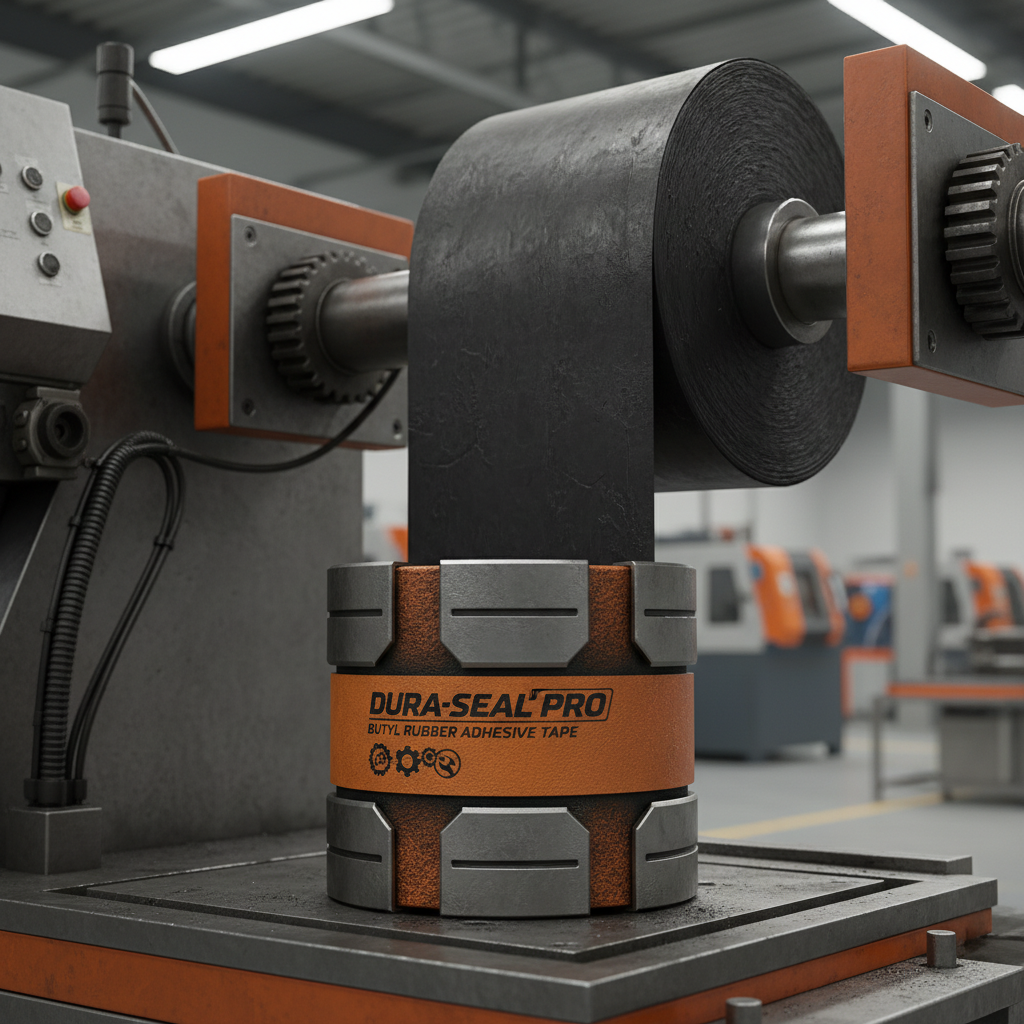
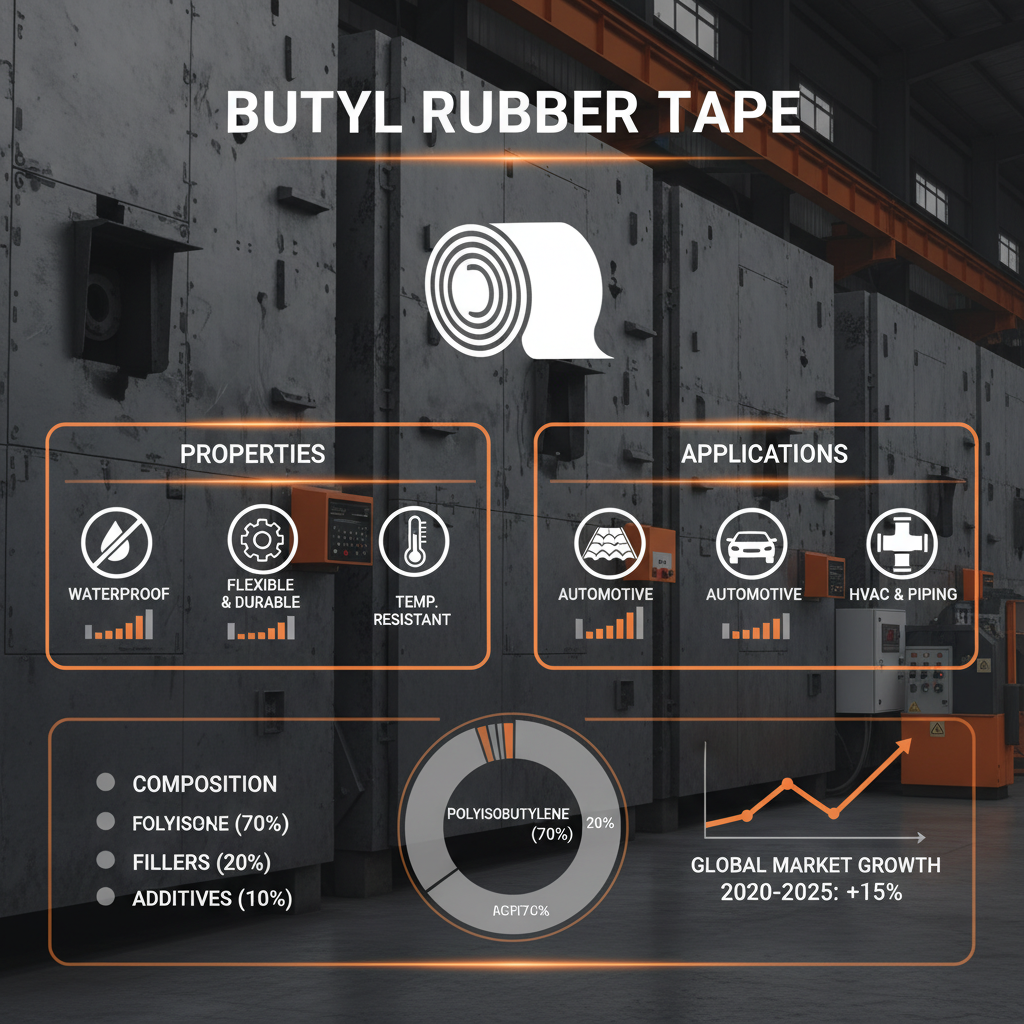
Butyl tape rubber is typically composed of butyl rubber, a synthetic rubber copolymer of isobutylene and isoprene. This composition provides exceptional impermeability to air and moisture, excellent chemical resistance, and superior aging properties. Unlike some other tapes, it doesn't become brittle or crack over time when exposed to UV light or temperature fluctuations. It exhibits high flexibility and conformability, allowing it to effectively seal irregular surfaces. Its inherent tackiness allows for instant adhesion without the need for primers in many applications. The ability of butyl tape to maintain a permanent seal even under stress or vibration makes it invaluable in numerous industries.
Key Highlights: Exceptional impermeability to air and moisture, excellent chemical resistance, superior aging properties, and high flexibility.
Key Applications of Butyl Tape Rubber
The versatility of butyl tape rubber leads to a wide array of applications. Common uses include sealing RV and camper seams, automotive body panel sealing, HVAC duct sealing, window and door frame waterproofing, and creating watertight seals around pipes and conduits. In the construction industry, it's used for flashing, roofing underlayment, and joint sealing. It’s also frequently employed in marine applications to prevent water ingress. Furthermore, it’s ideal for vibration dampening in machinery and equipment.
Application Benefits:
• RV and Camper Seam Sealing
• Automotive Body Panel Sealing
• HVAC Duct Sealing
• Window and Door Waterproofing
Butyl Tape Rubber vs. Other Sealing Tapes: A Comparative Analysis
While several sealing tapes are available, butyl tape distinguishes itself through its unique properties. Compared to acrylic tapes, butyl tape offers superior adhesion and long-term durability. Unlike silicone tapes, it doesn't require a clean surface for application and provides a more permanent seal. Compared to other rubber-based tapes, butyl exhibits better resistance to UV radiation, ozone, and aging. The following table summarizes a comparison of these key differences:
Selecting the Right Butyl Tape Rubber for Your Needs
Butyl tape comes in various forms, including single-sided, double-sided, and with different carrier materials (like fabric or foil). Choosing the appropriate type depends on the specific application. Consider the surface you're adhering to, the level of moisture exposure, and the required level of adhesion. For high-stress applications, a reinforced butyl tape with a fabric or foil carrier is recommended. The thickness of the tape also plays a role; thicker tapes offer better sealing capabilities but may be less conformable. Qiangda Tape offers a wide range of butyl tape options to meet diverse needs.
Installation Best Practices and Considerations
Proper installation is crucial for maximizing the effectiveness of butyl tape. Ensure the surfaces are clean and dry before application, although butyl tape tolerates slightly imperfect surfaces better than many other adhesives. Remove any loose debris or contaminants. Apply even pressure during application to ensure full contact. For long seams, overlap the tape slightly to create a continuous seal. Avoid stretching the tape excessively, as this can reduce its adhesive properties. Store butyl tape in a cool, dry place away from direct sunlight. Always refer to the manufacturer's instructions for specific recommendations.
Conclusion: The Reliable Sealing Solution
Butyl tape rubber offers a powerful and reliable solution for a wide range of sealing and waterproofing applications. Its unique properties, ease of use, and durability make it a favorite among professionals and DIY enthusiasts alike. By choosing the right type of butyl tape and following proper installation practices, you can ensure a long-lasting and effective seal.
Frequently Asked Questions (FAQs)
What temperature range can butyl tape withstand?
Butyl tape typically performs well within a temperature range of -40°C to +80°C (-40°F to +176°F). However, this can vary slightly depending on the specific formulation of the tape. It is important to check the manufacturer's specifications for the exact temperature range. Exposure to extreme temperatures outside the recommended range may affect the tape's adhesion and performance.
Can butyl tape be painted over?
Yes, most butyl tapes can be painted over, but it's recommended to use a paint that is compatible with rubber. Acrylic latex paints generally adhere well to butyl tape. Before painting, ensure the tape is fully cured and clean. It's also advisable to test a small area first to confirm compatibility and adhesion. Using a primer may improve paint adhesion in some cases.
Is butyl tape resistant to chemicals?
Butyl tape exhibits good resistance to many common chemicals, including water, alcohols, and dilute acids. However, it may be affected by strong solvents, oils, and gasoline. Refer to the manufacturer's chemical resistance chart for specific compatibility information. It’s important to select a butyl tape that is suitable for the specific chemical environment it will be exposed to.
How long does butyl tape last?
The lifespan of butyl tape depends on the application and environmental conditions. When properly applied and protected from direct sunlight and extreme temperatures, butyl tape can last for many years – often 10 years or more. Regular inspection for any signs of degradation or loss of adhesion is recommended.
-
Industrial Fire Proof Tape Guide for High Temperature ProtectionNewsApr.16,2026
-
Ultimate Guide to Fireproof Tape Protection and ApplicationsNewsApr.09,2026
-
Exploring Black Tack Butyl Applications and Benefits for Optimal SealingNewsApr.07,2026
-
Comprehensive Guide to Black Butyl Rubber Tape Applications and BenefitsNewsApr.04,2026
-
Comprehensive Guide to High Power Butyl Waterproof Tape ApplicationsNewsMar.31,2026
-
Comprehensive Guide to 360tronics Butyl Waterproof Tape for Airtight and Watertight SealsNewsMar.28,2026