
Understanding Butyl Tape Rubber Glue: A Comprehensive Guide
Butyl tape rubber glue is a versatile sealant and adhesive widely used in various industries, including construction, automotive, and marine applications. Known for its excellent waterproof properties, flexibility, and durability, it provides a reliable solution for sealing joints, bonding surfaces, and preventing corrosion. This article explores the composition, applications, benefits, and key considerations when choosing butyl tape rubber glue. Understanding its characteristics will help you determine if it’s the right product for your specific needs.
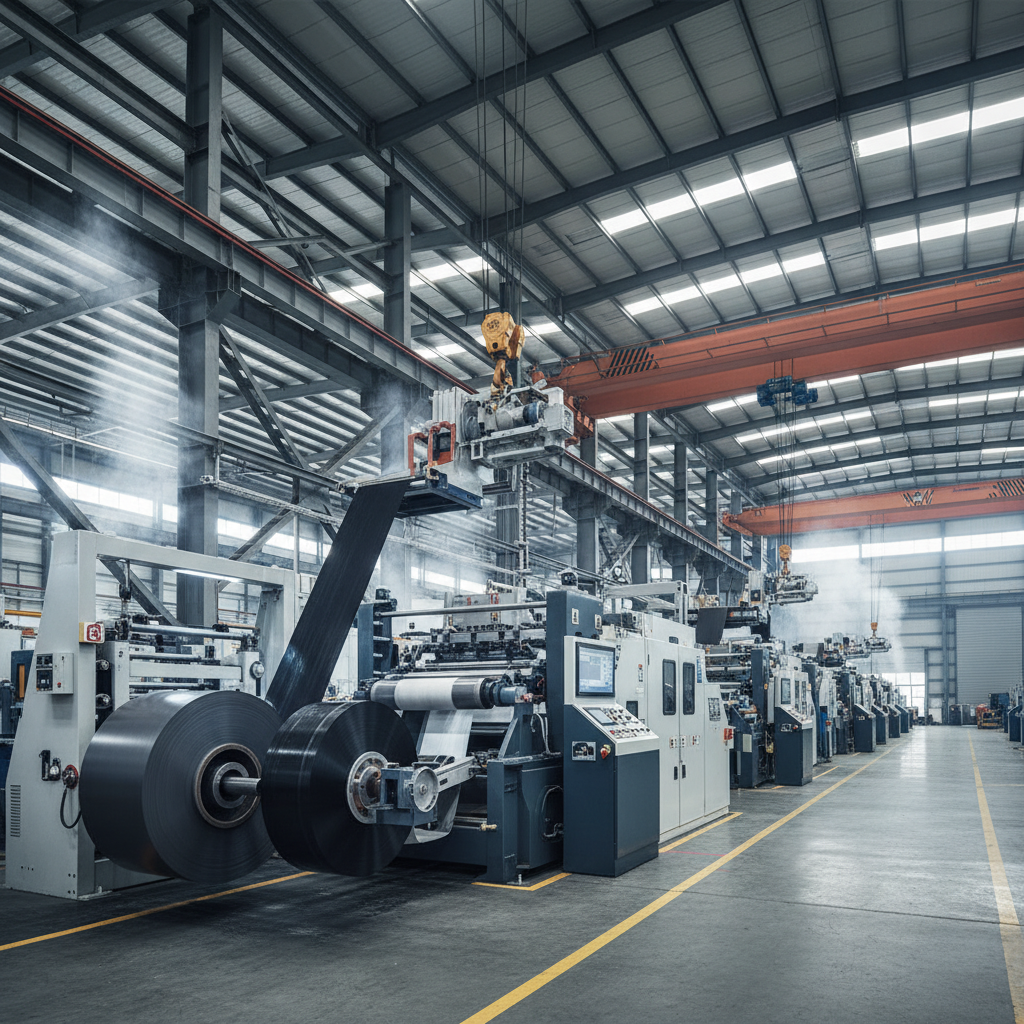
What is Butyl Tape Rubber Glue?
Butyl tape rubber glue is a permanently pliable, non-curing sealant and adhesive. It's primarily composed of polyisobutylene, a synthetic rubber known for its exceptional impermeability to gas and water. This composition gives butyl tape its unique properties, making it suitable for a wide range of sealing and bonding applications. It’s often reinforced with fabrics or films for added strength and dimensional stability. Unlike some adhesives that dry out and become brittle over time, butyl tape maintains its flexibility, ensuring a long-lasting seal. This makes it a preferred choice for applications where movement and vibration are expected.
Key Highlights: Permanently pliable, excellent waterproof properties, maintains flexibility over time, and suitable for various applications where movement is expected.
Applications of Butyl Tape Rubber Glue
The applications for butyl tape are incredibly diverse. In the construction industry, it's used for sealing window and door frames, preventing air and water leaks. Automotive applications include sealing seams and joints in vehicle bodies, as well as bonding trim and molding. The marine industry utilizes it for sealing hulls, decks, and fittings, providing a watertight barrier against saltwater corrosion. It also finds use in HVAC systems for sealing ductwork, and in roofing for flashing and seam sealing. The versatility of butyl tape rubber glue makes it a valuable component in many industries.
Common Applications:
• Sealing window and door frames
• Automotive seam and joint sealing
• Marine hull and deck sealing
• HVAC ductwork sealing
Butyl Tape Rubber Glue vs. Other Sealants
When choosing a sealant, it’s important to compare different options. Butyl tape stands out due to its unique characteristics compared to silicone, acrylic, and polyurethane sealants. Silicone offers excellent temperature resistance but can be difficult to adhere to certain surfaces. Acrylic is cost-effective but less durable and waterproof. Polyurethane provides good adhesion and flexibility but can shrink over time. Butyl tape offers a balance of these properties, providing excellent waterproof performance, flexibility, and adhesion, without the drawbacks of other sealants.
Factors to Consider When Choosing Butyl Tape Rubber Glue
Selecting the right butyl tape depends on the specific application. Consider factors like the substrates being bonded, the temperature range, exposure to UV light, and the required level of waterproofing. Different formulations offer varying levels of adhesion and resistance to environmental factors. Ensure the tape is compatible with the surfaces you’re bonding to prevent adhesion failure. For critical applications, choose a tape with a higher thickness and reinforcement for increased strength and durability. Working with a reputable supplier like Qiangda Tape can ensure you receive a high-quality product tailored to your needs.
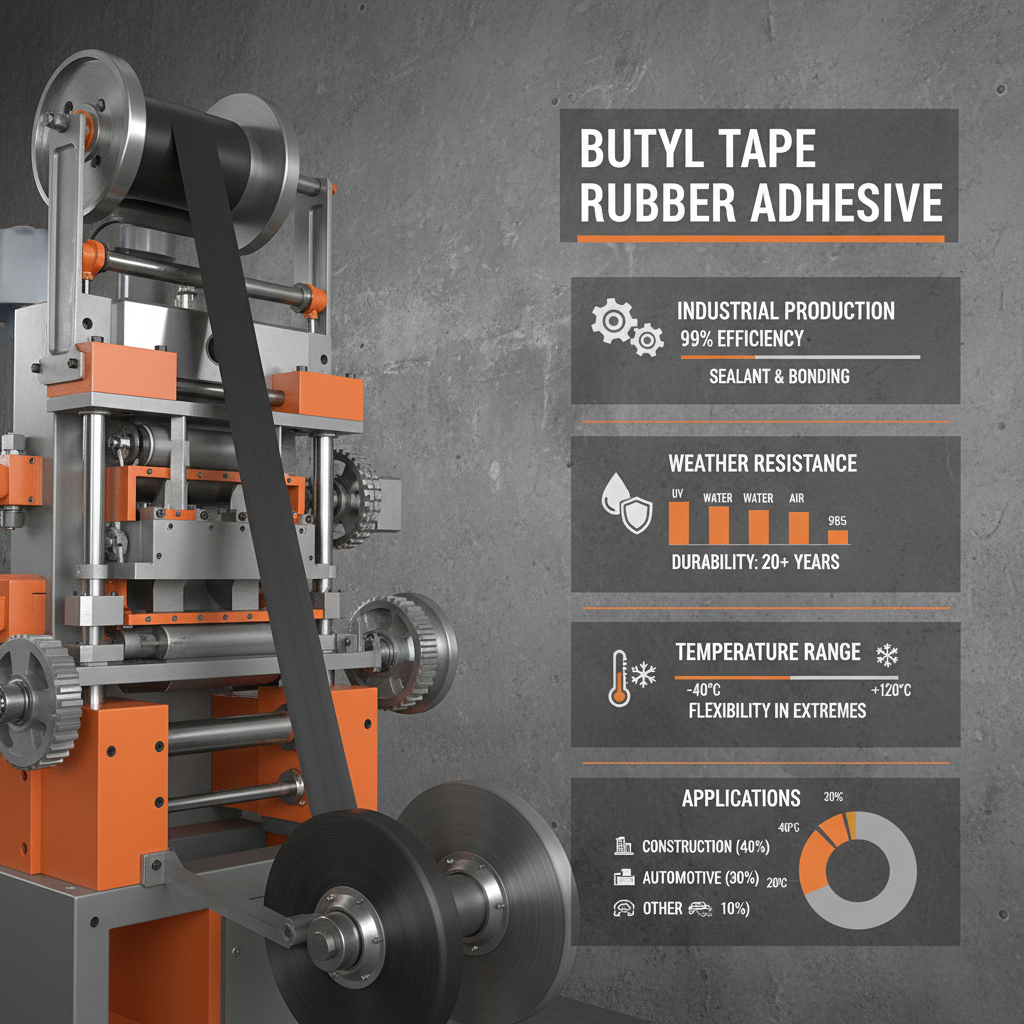
Product Specifications: Qiangda Tape Butyl Rubber Tape
Here's a glimpse of our Butyl Rubber Tape specifications:
Conclusion: Choosing the Right Butyl Tape for Your Project
Butyl tape rubber glue is a highly effective sealant and adhesive with a broad range of applications. Its excellent waterproof properties, flexibility, and durability make it a superior choice for many projects. When selecting butyl tape, consider your specific needs and choose a high-quality product from a reliable supplier like Qiangda Tape to ensure optimal performance and long-lasting results.
Frequently Asked Questions (FAQs)
Can butyl tape be used on wet surfaces?
While butyl tape offers excellent water resistance, it’s generally not recommended for direct application on standing water. The surfaces should be clean and dry for optimal adhesion. However, it can tolerate some moisture and is often used in applications where exposure to humidity or occasional splashes is expected. For truly wet surfaces, ensure thorough drying and proper surface preparation before applying the tape. Proper adhesion relies on a clean, dry bond.
What is the temperature range for butyl tape?
Most butyl tapes maintain their flexibility and sealing properties within a temperature range of -20°C to +80°C (-4°F to +176°F). However, this can vary depending on the specific formulation. Always refer to the manufacturer’s specifications for the exact temperature limitations of the product you’re using. Extreme temperatures outside this range may affect the tape’s performance and adhesion.
How long does butyl tape last?
Butyl tape, when properly applied and protected from direct sunlight and harsh chemicals, can last for 10-20 years or even longer. Its non-curing properties mean it won't dry out and crack like some other sealants. Regular inspections can help identify any potential issues. The lifespan depends on factors like exposure to UV radiation, temperature fluctuations, and the quality of the initial application.
Is butyl tape paintable?
Butyl tape is generally not recommended to be painted directly. Paint may not adhere well to the butyl rubber surface and could potentially compromise the seal. If painting is necessary, it’s best to apply a primer specifically designed for rubber or plastic surfaces before applying the paint. However, it's often better to conceal the tape rather than paint over it.
-
Industrial Fire Proof Tape Guide for High Temperature ProtectionNewsApr.16,2026
-
Ultimate Guide to Fireproof Tape Protection and ApplicationsNewsApr.09,2026
-
Exploring Black Tack Butyl Applications and Benefits for Optimal SealingNewsApr.07,2026
-
Comprehensive Guide to Black Butyl Rubber Tape Applications and BenefitsNewsApr.04,2026
-
Comprehensive Guide to High Power Butyl Waterproof Tape ApplicationsNewsMar.31,2026
-
Comprehensive Guide to 360tronics Butyl Waterproof Tape for Airtight and Watertight SealsNewsMar.28,2026