
Understanding Butyl Weather Stripping for Superior Sealing
Butyl weather stripping is a versatile sealing solution widely used in various industries, including automotive, construction, and HVAC. Known for its exceptional durability, flexibility, and resistance to weathering, it provides a reliable barrier against air, water, and dust. This article will delve into the properties, applications, benefits, and installation tips for butyl weather stripping, offering a comprehensive guide for professionals and DIY enthusiasts alike. Choosing the right weather stripping can significantly enhance the energy efficiency and longevity of your projects.
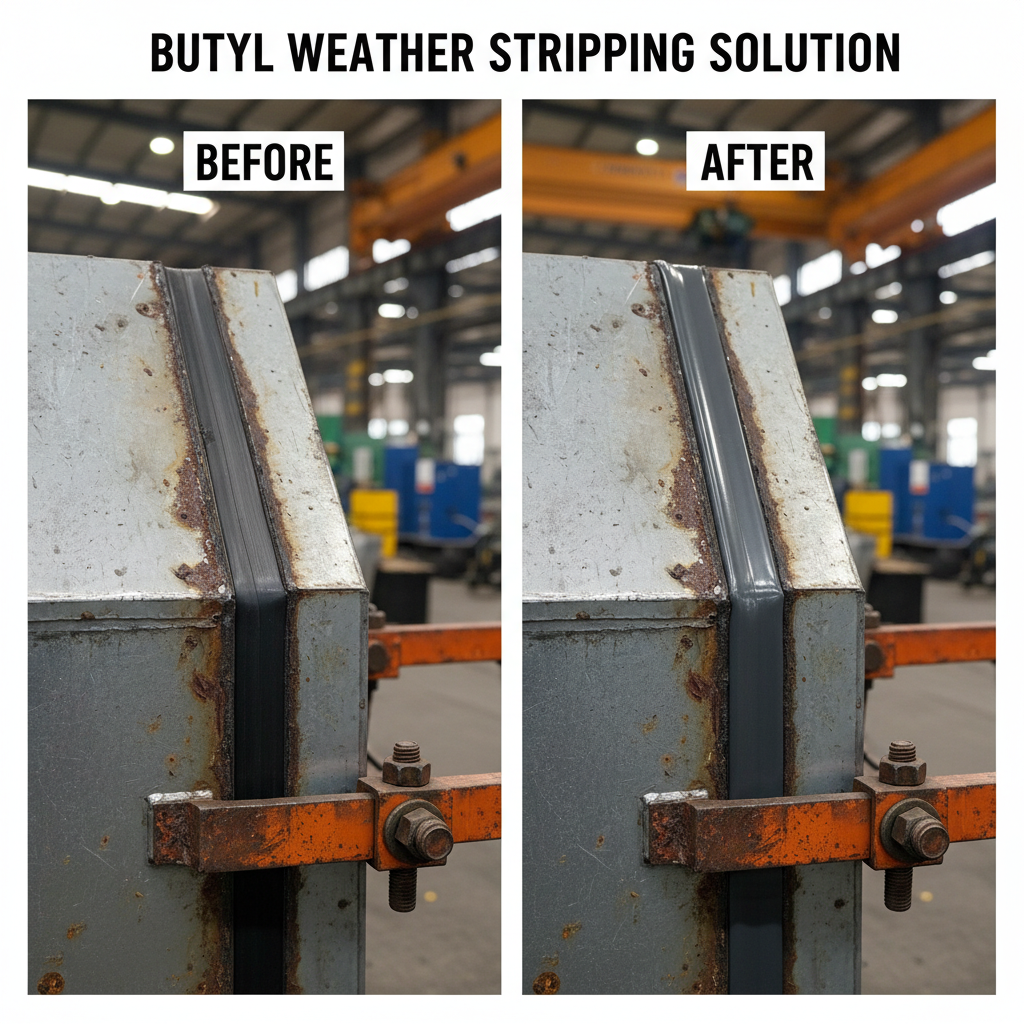
What is Butyl Weather Stripping?
Butyl rubber is a synthetic rubber copolymer of isobutylene and isoprene. It’s prized for its impermeability to air and gases, making it an excellent material for sealing applications. Butyl weather stripping typically comes in tape form, often with an adhesive backing for easy installation. The material remains flexible over a wide temperature range, resisting cracking and hardening. Unlike some other rubber compounds, butyl is relatively unaffected by UV exposure, ozone, and many chemicals. This makes it suitable for both indoor and outdoor use, offering long-lasting performance.
Key Highlights: Exceptional durability, flexibility, and resistance to weathering. Remains flexible over a wide temperature range and is UV resistant.
Key Applications of Butyl Weather Stripping
Butyl weather stripping finds application across numerous industries. In the automotive sector, it's used to seal doors, windows, trunks, and hoods, reducing wind noise and preventing water leaks. Construction utilizes it for sealing window frames, door frames, and expansion joints. The HVAC industry employs butyl tape for sealing ductwork, ensuring efficient air distribution and preventing energy loss. Its versatility also extends to marine applications, sealing hatches and windows on boats and yachts. Furthermore, it's used in appliance manufacturing for sealing refrigerator and freezer doors.
Application Benefits:
• Reduces wind noise and water leaks in automotive applications.
• Improves energy efficiency in buildings by sealing air gaps.
• Ensures efficient air distribution in HVAC systems.
• Provides a durable seal in marine environments.
Butyl Weather Stripping vs. Other Sealing Materials
When selecting a weather stripping material, several options exist, each with its own advantages and disadvantages. Compared to foam tape, butyl offers superior durability and resistance to compression set. Foam tape can compress over time, losing its sealing effectiveness, while butyl maintains its shape and sealing properties for much longer. Compared to silicone, butyl typically provides a stronger initial tack and is more cost-effective. While silicone offers excellent temperature resistance, butyl generally performs better in terms of air and moisture permeability. Ultimately, the best choice depends on the specific application and requirements. You can find high quality butyl tapes at Qiangdatape.
Installation Tips for Optimal Performance
Proper installation is crucial for maximizing the effectiveness of butyl weather stripping. Ensure the surface is clean, dry, and free of any dirt, grease, or old adhesive residue. Apply the tape evenly and firmly, pressing it into place to ensure good adhesion. Avoid stretching the tape during application, as this can compromise its sealing properties. For corners and curves, carefully cut and miter the tape to ensure a tight fit. After application, allow the adhesive to cure for the recommended time, typically 24-48 hours, before exposing the seal to moisture.
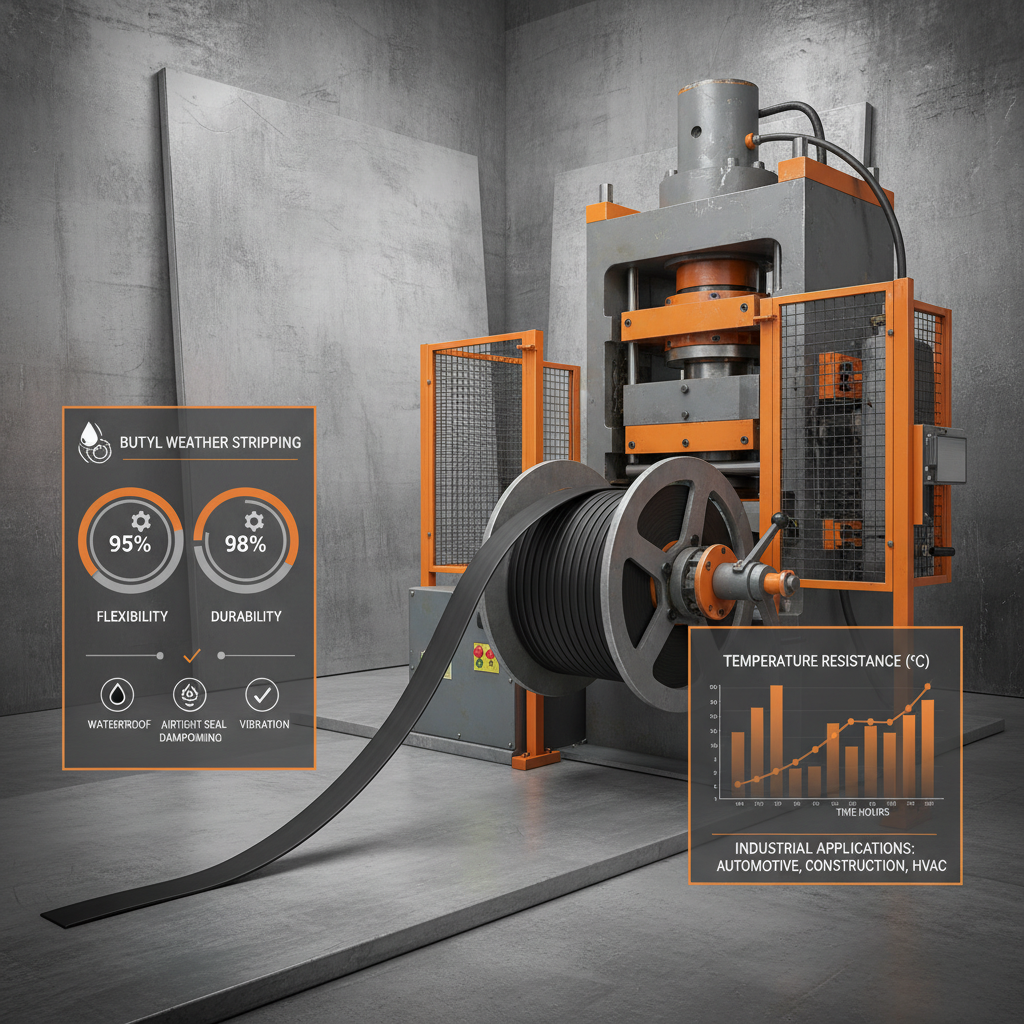
Conclusion: Butyl Weather Stripping – A Reliable Sealing Solution
Butyl weather stripping is a superior choice for a wide range of sealing applications. Its durability, flexibility, and resistance to weathering make it a long-lasting and effective solution. When you need a reliable seal, Qiangdatape's butyl weather stripping offers exceptional performance and value.
Frequently Asked Questions (FAQs)
What temperature range can butyl weather stripping withstand?
Butyl weather stripping generally maintains its flexibility and sealing properties within a temperature range of -40°F to +176°F (-40°C to +80°C). However, prolonged exposure to extreme temperatures may eventually affect its performance. It’s crucial to select a butyl tape specifically designed for the temperature conditions it will be exposed to. Some formulations are optimized for high-temperature applications, while others are better suited for cold environments.
How long does butyl weather stripping last?
The lifespan of butyl weather stripping typically ranges from 10 to 20 years, depending on the application, exposure to environmental factors, and quality of installation. UV exposure can degrade the tape over time, so protecting it from direct sunlight is recommended. Regular inspection for cracks, drying, or loss of adhesion is crucial. Properly installed and maintained butyl tape can provide long-lasting sealing performance.
Can butyl weather stripping be painted?
While it's generally not recommended to paint butyl weather stripping, it can be done if necessary. However, the paint must be flexible and compatible with the butyl rubber to avoid cracking or peeling. Acrylic latex paints are often a suitable choice. Priming the tape before painting can improve adhesion. Be aware that painting may reduce the tape’s UV resistance and slightly compromise its sealing properties. It is always best to test a small area first.
-
Industrial Fire Proof Tape Guide for High Temperature ProtectionNewsApr.16,2026
-
Ultimate Guide to Fireproof Tape Protection and ApplicationsNewsApr.09,2026
-
Exploring Black Tack Butyl Applications and Benefits for Optimal SealingNewsApr.07,2026
-
Comprehensive Guide to Black Butyl Rubber Tape Applications and BenefitsNewsApr.04,2026
-
Comprehensive Guide to High Power Butyl Waterproof Tape ApplicationsNewsMar.31,2026
-
Comprehensive Guide to 360tronics Butyl Waterproof Tape for Airtight and Watertight SealsNewsMar.28,2026