
Understanding Foil Backed Butyl Tape: A Comprehensive Guide
Foil backed butyl tape is a versatile sealing solution widely used across various industries, from HVAC and construction to automotive and marine applications. Its exceptional adhesion, waterproof properties, and temperature resistance make it a go-to choice for creating reliable and long-lasting seals. This article will explore the properties, applications, benefits, and considerations when selecting foil backed butyl tape, providing a detailed overview for professionals and DIY enthusiasts alike. Choosing the correct tape can significantly impact the efficiency and longevity of your projects.
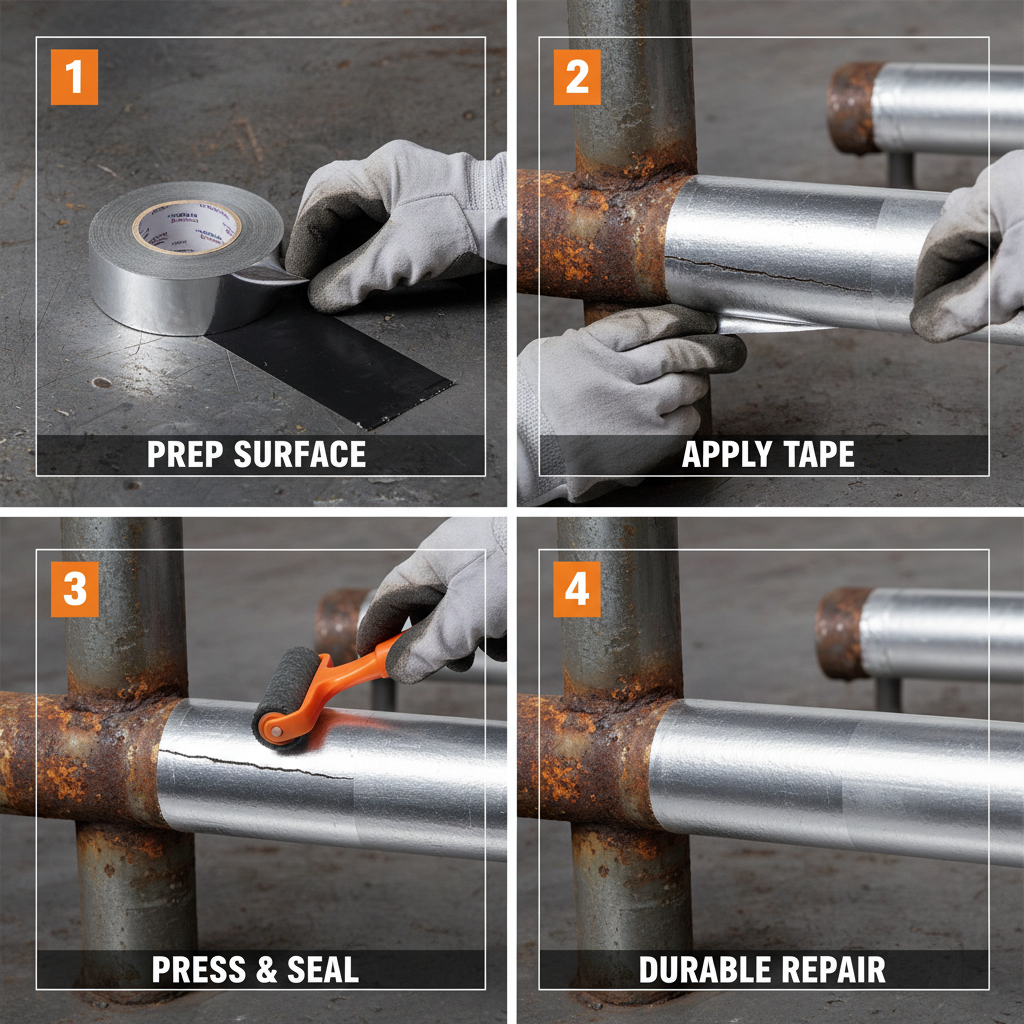
What is Foil Backed Butyl Tape?
Foil backed butyl tape consists of a highly conformable butyl rubber adhesive coated onto an aluminum foil backing. The butyl rubber provides the exceptional sealing properties, while the foil backing enhances durability, UV resistance, and provides a neat, professional finish. Butyl rubber is known for its excellent resistance to weathering, aging, and chemicals. The foil backing also offers a barrier against moisture and provides structural support to the adhesive. This combination creates a robust and reliable sealing solution for diverse applications. It's a self-fusing tape that creates a permanent, airtight, and watertight seal when properly applied.
Key Highlights: Self-fusing, airtight, watertight, UV resistant, excellent adhesion, and high conformability.
Key Applications of Foil Backed Butyl Tape
The versatility of foil backed butyl tape makes it suitable for a wide array of applications. In HVAC systems, it's used to seal ductwork seams, connections, and insulation, preventing air leakage and improving energy efficiency. In construction, it's used for flashing windows and doors, sealing roof seams, and repairing leaks. Automotive applications include sealing seams in car bodies, repairing rust holes, and sound dampening. The marine industry utilizes it for sealing boat hulls, deck fittings, and through-hull connections. Furthermore, it’s used in metal building applications to seal panels, prevent water ingress, and maintain structural integrity. Qiangda Tape offers a range of butyl tapes tailored to specific industry needs.
Application Areas:
• HVAC Duct Sealing
• Construction Flashing
• Automotive Body Sealing
• Marine Hull Sealing
• Metal Building Seams
Foil Backed Butyl Tape vs. Other Sealing Methods
Compared to traditional sealing methods like caulking or liquid sealants, foil backed butyl tape offers several advantages. It provides a more durable, long-lasting seal that resists cracking and shrinking over time. Unlike caulking, it doesn’t require specialized tools or expertise for application. Moreover, butyl tape maintains its flexibility and adhesion even in extreme temperatures. Compared to other tapes like duct tape, butyl tape exhibits superior adhesion, waterproof properties, and UV resistance. The initial cost might be slightly higher, but the long-term performance and reduced maintenance make it a cost-effective solution.
Selecting the Right Foil Backed Butyl Tape
Choosing the right tape involves considering several factors. The thickness of the tape affects its sealing performance and durability; thicker tapes generally provide a stronger seal. The width of the tape should be appropriate for the application – wider tapes cover larger areas more efficiently. Also, consider the operating temperature range and ensure the tape is suitable for the environment. Finally, look for tapes from reputable manufacturers like Qiangda Tape, known for consistent quality and reliable performance.
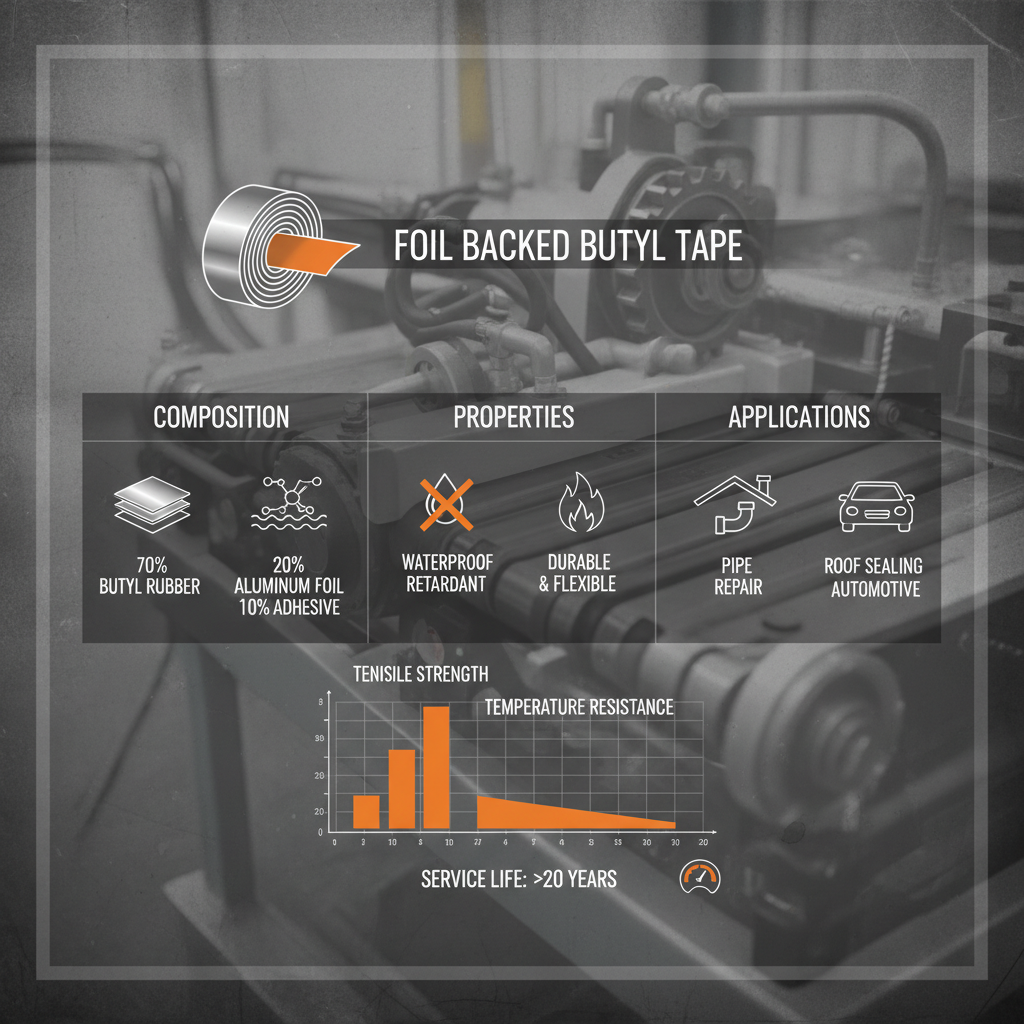
Application Tips for Optimal Performance
Proper application is crucial for achieving a reliable seal. Ensure the surfaces are clean, dry, and free of contaminants like dust, oil, and grease. Remove any existing loose material. Apply firm, consistent pressure while applying the tape to ensure proper adhesion. For best results, overlap the edges of the tape slightly. Avoid stretching the tape excessively during application. Finally, use a roller or firm hand to smooth the tape and eliminate any air bubbles. Following these simple steps will maximize the effectiveness and longevity of your seal.
Conclusion: The Power of a Reliable Seal
Foil backed butyl tape is an exceptional sealing solution offering numerous advantages over traditional methods. Its durability, waterproof properties, and ease of application make it a valuable asset for professionals and DIYers alike. By understanding its applications, selecting the right tape, and following proper application techniques, you can ensure a reliable and long-lasting seal for your projects. Choose Qiangda Tape for quality and performance you can trust.
Frequently Asked Questions (FAQs)
What temperature range can foil backed butyl tape withstand?
Most high-quality foil backed butyl tapes can withstand temperature ranges from -40°F (-40°C) to 176°F (80°C). However, it's essential to check the specific product specifications from the manufacturer, such as Qiangda Tape, as temperature ranges can vary. Exposure to temperatures outside the recommended range may affect the tape’s adhesion and performance. It’s also important to consider the duration of exposure to extreme temperatures.
Is foil backed butyl tape UV resistant?
Yes, the aluminum foil backing provides excellent UV resistance, protecting the butyl rubber adhesive from degradation caused by prolonged sun exposure. This makes it ideal for outdoor applications. However, prolonged exposure to intense UV radiation over many years can still cause some fading or discoloration of the foil. Choosing a tape with a higher quality foil backing will enhance UV protection.
Can foil backed butyl tape be painted?
Generally, it’s not recommended to paint directly over foil backed butyl tape. Paint may not adhere properly to the foil surface, leading to peeling and compromised sealing performance. If painting is necessary, it’s best to apply a primer specifically designed for metal surfaces before painting. However, it’s always recommended to test a small area first to ensure compatibility and adhesion.
How do I remove old foil backed butyl tape?
Removing old butyl tape can be challenging due to its strong adhesive properties. Start by carefully peeling up an edge of the tape. Use a plastic scraper or putty knife to gently lift the tape, avoiding damage to the underlying surface. To soften the adhesive residue, you can use a citrus-based adhesive remover or mineral spirits, following the manufacturer's instructions. Be cautious when using solvents and ensure adequate ventilation. Avoid using harsh abrasives that could scratch the surface.
-
Industrial Fire Proof Tape Guide for High Temperature ProtectionNewsApr.16,2026
-
Ultimate Guide to Fireproof Tape Protection and ApplicationsNewsApr.09,2026
-
Exploring Black Tack Butyl Applications and Benefits for Optimal SealingNewsApr.07,2026
-
Comprehensive Guide to Black Butyl Rubber Tape Applications and BenefitsNewsApr.04,2026
-
Comprehensive Guide to High Power Butyl Waterproof Tape ApplicationsNewsMar.31,2026
-
Comprehensive Guide to 360tronics Butyl Waterproof Tape for Airtight and Watertight SealsNewsMar.28,2026