
Understanding Butyl Rubber Strips: Applications and Benefits
Butyl rubber strips are versatile sealing solutions utilized across a wide array of industries, prized for their exceptional impermeability to air and moisture. Their unique properties make them ideal for applications requiring a reliable, long-lasting seal. From automotive to construction and beyond, butyl rubber strips offer superior performance compared to many alternative materials. This article will delve into the characteristics, common uses, and advantages of butyl rubber strips, providing a comprehensive overview for professionals and those seeking effective sealing solutions.
Key Properties of Butyl Rubber
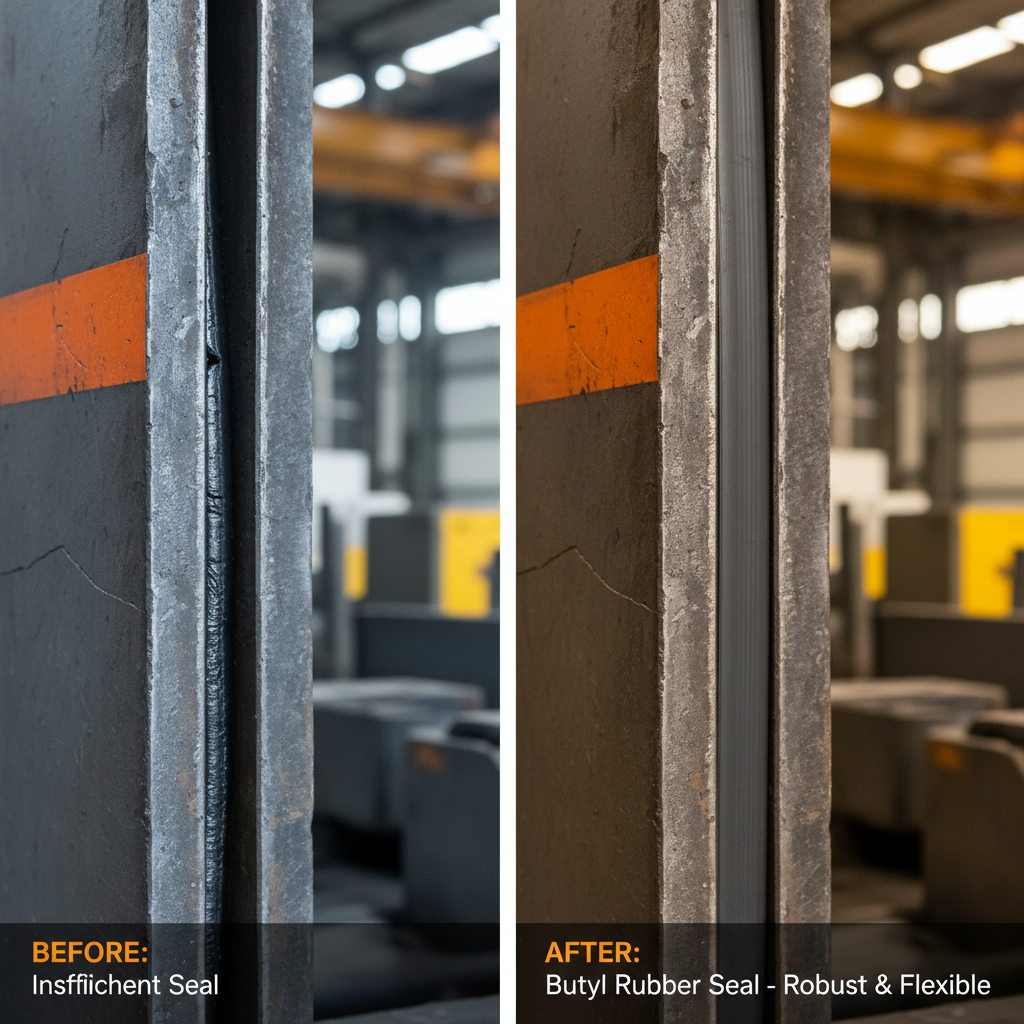
Butyl rubber is a synthetic rubber copolymer of isobutylene and isoprene. This composition grants it remarkable characteristics including low gas permeability, excellent chemical resistance, and impressive vibration damping qualities. Unlike natural rubber, butyl rubber exhibits superior resistance to ozone, weathering, and heat aging. This makes it a preferred material for long-term sealing applications where reliability is paramount. Furthermore, butyl rubber maintains its flexibility over a wide temperature range, ensuring consistent performance in diverse environmental conditions. QiangDatape specializes in high-quality butyl rubber strips tailored to meet specific application requirements.
Key Highlights: Exceptional impermeability, excellent chemical resistance, superior resistance to weathering and ozone, maintains flexibility across a broad temperature range.
Common Applications of Butyl Rubber Strips
Butyl rubber strips find applications in a vast spectrum of industries. In the automotive sector, they are commonly used for sealing car doors, windows, and trunks, ensuring a watertight and airtight cabin. Within the construction industry, butyl rubber strips provide effective sealing for joints in roofing, cladding, and window installations, preventing water infiltration and enhancing energy efficiency. They're also frequently utilized in HVAC systems to seal ductwork and prevent air leakage. Other applications include sealing for refrigerators, freezers, and various industrial equipment.
Application Areas:
• Automotive sealing (doors, windows, trunks)
• Construction (roofing, cladding, windows)
• HVAC systems (duct sealing)
• Refrigeration and freezer sealing
Butyl Rubber Strip vs. Other Sealing Materials
While various materials can be employed for sealing, butyl rubber strips often outperform alternatives in specific scenarios. Compared to silicone rubber, butyl rubber offers significantly lower gas permeability, making it ideal for applications where airtightness is critical. Against neoprene, butyl rubber demonstrates superior resistance to ozone and weathering. EPDM rubber is a good all-around choice but generally doesn’t match butyl’s impermeability. Foam tapes can offer compression set issues over time, whereas butyl rubber maintains its sealing properties for extended periods. The best choice hinges on the specific application requirements, but butyl rubber frequently presents a compelling balance of properties and cost-effectiveness.
Selecting the Right Butyl Rubber Strip for Your Needs
When choosing a butyl rubber strip, consider the application's specific requirements. Factors such as temperature range, exposure to chemicals, UV exposure, and the desired level of sealing performance should all be taken into account. Different formulations of butyl rubber exist to address these varying needs. Thickness, width, and adhesive backing are also critical considerations. QiangDatape’s expert team can provide guidance in selecting the optimal butyl rubber strip for your unique application.
Conclusion: The Enduring Value of Butyl Rubber Sealing
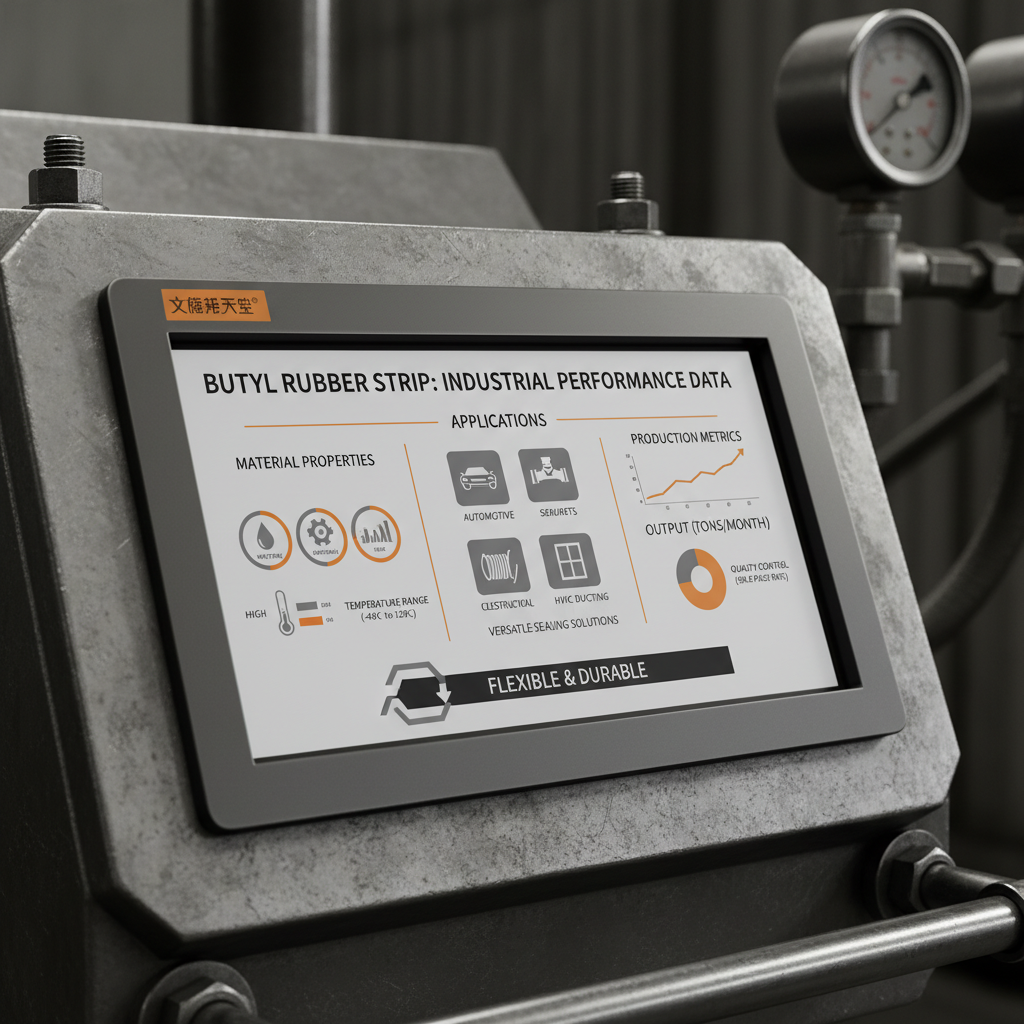
Butyl rubber strips represent a robust and reliable sealing solution for a diverse range of industries. Their unique combination of properties, including impermeability, chemical resistance, and weathering stability, makes them an ideal choice for long-lasting performance. Partnering with a trusted supplier like QiangDatape ensures access to high-quality butyl rubber strips tailored to meet your specific needs.
Frequently Asked Questions (FAQs)
What is the expected lifespan of a butyl rubber strip?
The lifespan of a butyl rubber strip varies depending on environmental conditions and application. However, under normal conditions, a properly installed butyl rubber strip can last for 10-20 years, or even longer. Factors that can affect lifespan include prolonged exposure to extreme temperatures, harsh chemicals, and UV radiation. Regular inspection for cracking, drying, or loss of adhesion is recommended. Selecting a butyl rubber strip formulated for the specific environment will maximize its longevity.
Is butyl rubber strip suitable for outdoor use?
Yes, butyl rubber exhibits excellent resistance to weathering, making it well-suited for outdoor applications. It is highly resistant to ozone, UV radiation, and moisture, preventing degradation and maintaining its sealing properties. However, prolonged exposure to extreme temperatures and harsh chemicals can still affect its lifespan. Choosing a butyl rubber formulation specifically designed for outdoor use will enhance its durability.
How do I properly prepare a surface for butyl rubber strip application?
Proper surface preparation is crucial for ensuring a strong and reliable bond. The surface should be clean, dry, and free of any contaminants such as dust, grease, oil, or loose particles. Use a suitable cleaning agent to remove any residue. The surface should also be smooth and level. For porous surfaces, a primer may be necessary to improve adhesion. Follow the manufacturer's instructions for surface preparation guidelines.
Can butyl rubber strips be painted?
Painting butyl rubber strips is generally not recommended as it can compromise the adhesive properties and sealing performance. Most paints will not adhere well to the rubber surface. If painting is absolutely necessary, use a paint specifically designed for rubber and follow the manufacturer's instructions carefully. Thoroughly test the paint on a small, inconspicuous area before applying it to the entire strip.
-
Industrial Fire Proof Tape Guide for High Temperature ProtectionNewsApr.16,2026
-
Ultimate Guide to Fireproof Tape Protection and ApplicationsNewsApr.09,2026
-
Exploring Black Tack Butyl Applications and Benefits for Optimal SealingNewsApr.07,2026
-
Comprehensive Guide to Black Butyl Rubber Tape Applications and BenefitsNewsApr.04,2026
-
Comprehensive Guide to High Power Butyl Waterproof Tape ApplicationsNewsMar.31,2026
-
Comprehensive Guide to 360tronics Butyl Waterproof Tape for Airtight and Watertight SealsNewsMar.28,2026