
Butyl Rubber Windshield Sealant: A Comprehensive Guide
Choosing the right sealant for your windshield is crucial for preventing leaks, reducing noise, and ensuring the structural integrity of your vehicle. Butyl rubber windshield sealant is a popular choice among professionals and DIYers alike, known for its exceptional properties. This article will explore the benefits, applications, and installation tips for butyl rubber windshield sealant, providing you with all the information you need to make an informed decision. Proper sealing not only enhances your driving experience but also protects against corrosion and potential safety hazards. Qiang Datape offers high-quality butyl rubber sealants designed for optimal performance.
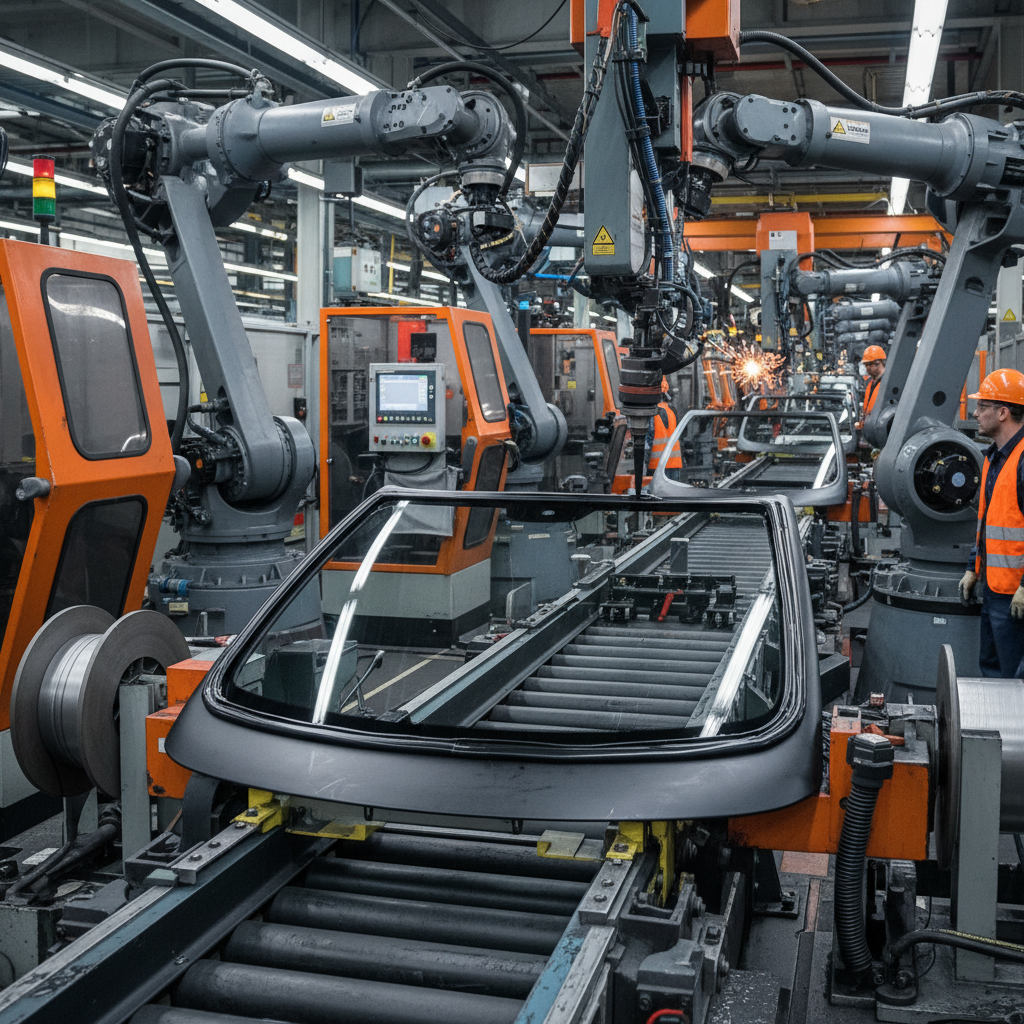
Understanding Butyl Rubber: The Core of a Superior Sealant
Butyl rubber is a synthetic rubber copolymer of isobutylene and isoprene. What sets it apart is its exceptionally low permeability to gases and moisture, making it ideal for sealing applications. Unlike other sealants, butyl rubber remains flexible over a wide temperature range, ensuring a long-lasting and reliable seal even in harsh weather conditions. Its inherent tackiness facilitates a strong initial bond, while its resistance to aging prevents it from becoming brittle or cracking over time. Qiang Datape’s butyl rubber windshield sealant leverages these properties for superior performance and durability.
Key Highlights: Butyl rubber’s low permeability, flexibility, and resistance to aging contribute to its exceptional sealing capabilities. It provides a strong, long-lasting bond that withstands temperature fluctuations and exposure to the elements.
Butyl Rubber Windshield Sealant vs. Other Sealant Types
When choosing a windshield sealant, it's essential to understand how butyl rubber stacks up against other options like polyurethane or silicone. Polyurethane offers strong adhesion but can be brittle and prone to cracking with age. Silicone provides good flexibility but often lacks the same level of long-term durability and resistance to moisture. Butyl rubber strikes an optimal balance between these properties, offering a reliable and long-lasting seal. It’s also less likely to cause corrosion on automotive surfaces compared to some other sealant types. Qiang Datape specializes in formulating butyl rubber sealants for superior performance.
Sealant Comparison:
• Butyl Rubber: Excellent flexibility, low permeability, long-lasting, corrosion-resistant.
• Polyurethane: Strong adhesion, but can be brittle.
• Silicone: Good flexibility, but may lack long-term durability.
Applications of Butyl Rubber Windshield Sealant
Beyond windshields, butyl rubber sealant finds application in various automotive sealing needs. These include sealing around windows, doors, sunroofs, and even body panels. Its waterproof nature makes it perfect for preventing leaks and protecting against rust. In the marine industry, it's used to seal boat windows and hatches. The versatility and reliability of butyl rubber sealant make it an invaluable asset for both automotive and marine applications. Qiang Datape provides solutions for a wide range of sealing requirements.
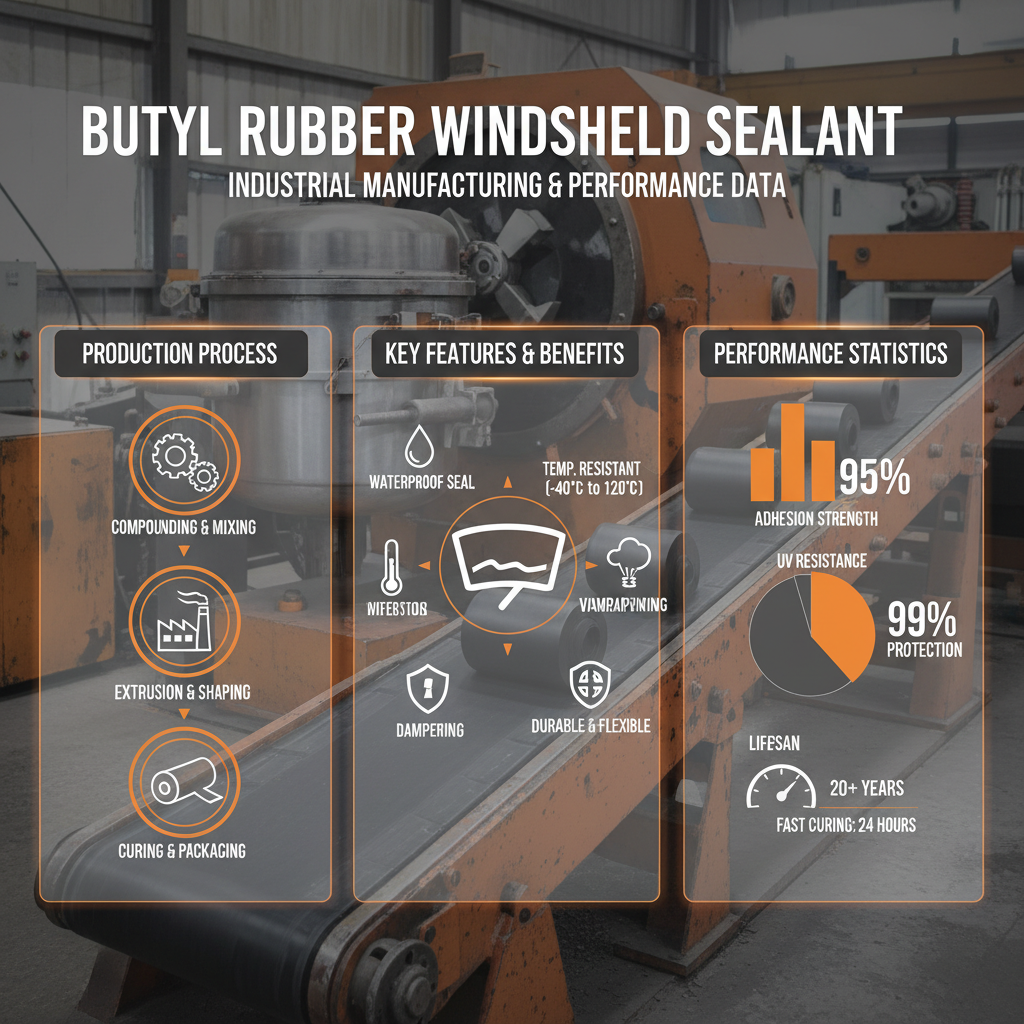
Product Specifications & Performance Data
Understanding the technical specifications of butyl rubber windshield sealant is crucial for selecting the right product. Here's a table outlining key properties of Qiang Datape's butyl rubber sealant:
Installation Tips for Butyl Rubber Windshield Sealant
Proper installation is key to maximizing the performance of butyl rubber windshield sealant. Ensure the surfaces are clean, dry, and free of debris. Apply the sealant evenly, ensuring complete coverage. Use appropriate tools to smooth and press the sealant into place. Avoid gaps or air pockets. Follow the manufacturer's instructions for optimal results. Qiang Datape offers detailed application guides and support to help you achieve a professional finish.
Conclusion: A Reliable Seal for Lasting Protection
Choosing butyl rubber windshield sealant from Qiang Datape offers unparalleled performance, durability, and peace of mind. Its unique properties and ease of application make it the ideal solution for a wide range of sealing needs. Invest in quality sealant and ensure your vehicle remains protected from the elements for years to come.
Frequently Asked Questions (FAQs)
How long does butyl rubber sealant typically last?
When properly applied and maintained, butyl rubber windshield sealant can last for 10-20 years. Its resistance to UV degradation, temperature extremes, and moisture contribute to its longevity. However, factors such as exposure to harsh chemicals or physical damage can shorten its lifespan. Regular inspection for cracks or deterioration is recommended. Proper surface preparation before application is crucial for maximizing sealant life.
Can butyl rubber sealant be painted over?
Yes, butyl rubber sealant can generally be painted over once it has fully cured. However, it’s essential to use a paint that is compatible with rubber. A flexible paint designed for automotive applications is typically recommended. Prior to painting, ensure the sealant surface is clean and dry. It’s also advisable to test a small area first to ensure compatibility and adhesion.
Is butyl rubber sealant suitable for all types of windshields?
Butyl rubber sealant is compatible with most types of windshields, including laminated safety glass. However, it's important to ensure the windshield surface is properly prepared before application. Remove any old sealant, dirt, and debris. For specific windshield types, such as those with specialized coatings, it's always best to consult with the sealant manufacturer or a professional installer to confirm compatibility.
What safety precautions should I take when applying butyl rubber sealant?
When working with butyl rubber sealant, it’s advisable to wear gloves and eye protection to prevent skin and eye irritation. Work in a well-ventilated area to avoid inhaling fumes. Follow the manufacturer's safety guidelines provided on the product packaging. Keep the sealant out of reach of children. Dispose of any waste materials responsibly, following local regulations.
-
Industrial Fire Proof Tape Guide for High Temperature ProtectionNewsApr.16,2026
-
Ultimate Guide to Fireproof Tape Protection and ApplicationsNewsApr.09,2026
-
Exploring Black Tack Butyl Applications and Benefits for Optimal SealingNewsApr.07,2026
-
Comprehensive Guide to Black Butyl Rubber Tape Applications and BenefitsNewsApr.04,2026
-
Comprehensive Guide to High Power Butyl Waterproof Tape ApplicationsNewsMar.31,2026
-
Comprehensive Guide to 360tronics Butyl Waterproof Tape for Airtight and Watertight SealsNewsMar.28,2026