
Weatherproofing That Pays Back: what pros know about a weather stripping door seal strip and the tape that protects it
If you’ve ever felt a chilly draft around the latch side of a door, you already understand the ROI of sealing. But in the field, the story’s bigger: installers often pair classic door seals with self‑amalgamating rubber tapes to protect wiring, sensors, and metal interfaces that compromise the seal line. It sounds niche, yet it’s surprisingly common in hotels, cold rooms, and high-traffic retail doors.
What’s trending in 2025
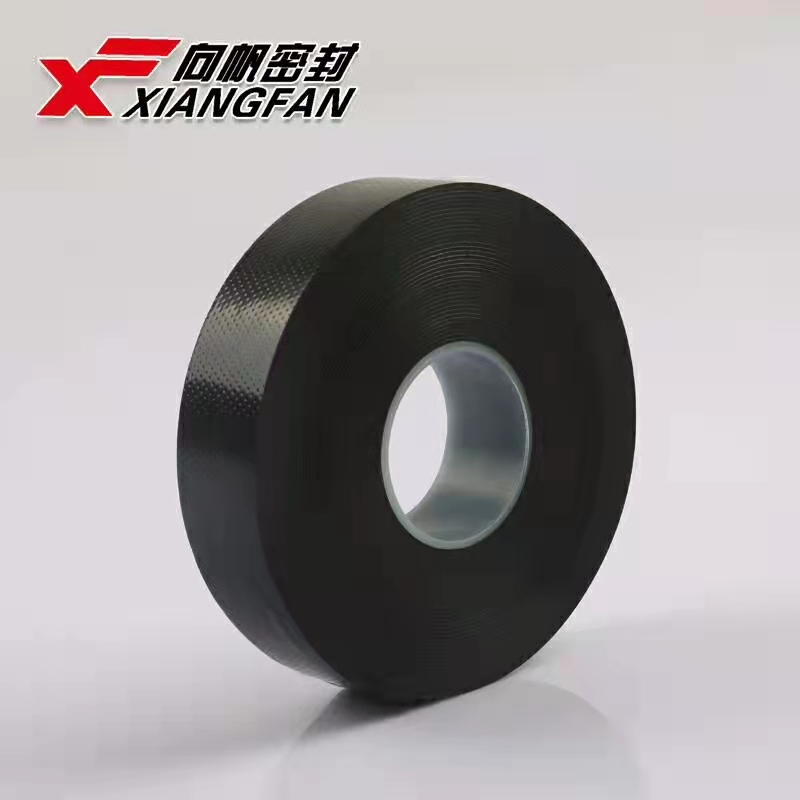
Two currents: tighter energy codes and fewer callbacks. That means higher-density foam or silicone weather stripping door seal strip profiles, plus auxiliary protection for door-adjacent cables (access control, magnetic contacts, low-voltage heaters on cold doors). Many contractors now carry linerless self-fusing rubber tape for those penetrations—fast, clean, and no liner waste.
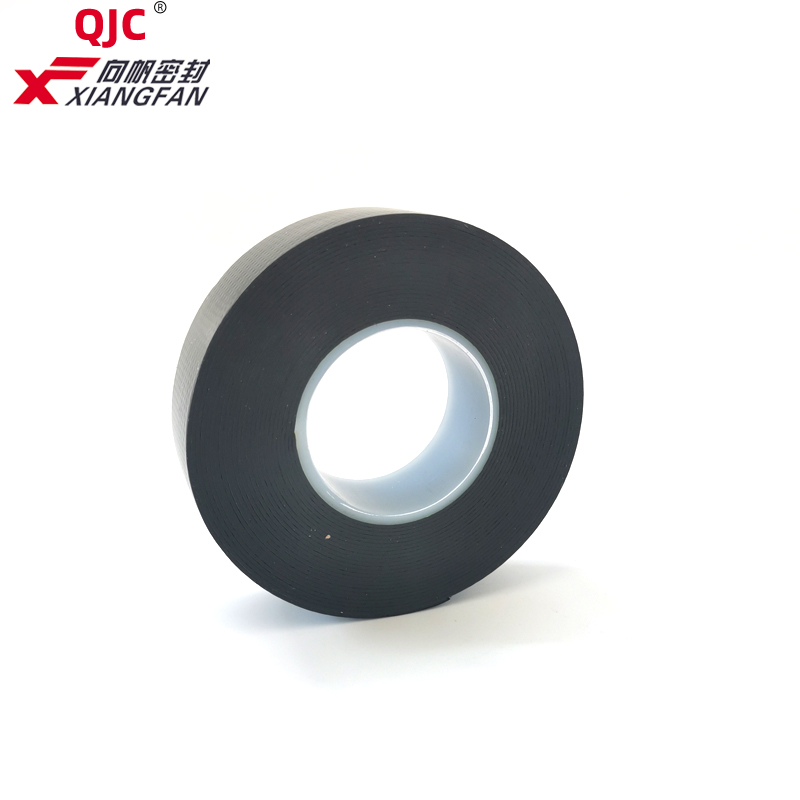
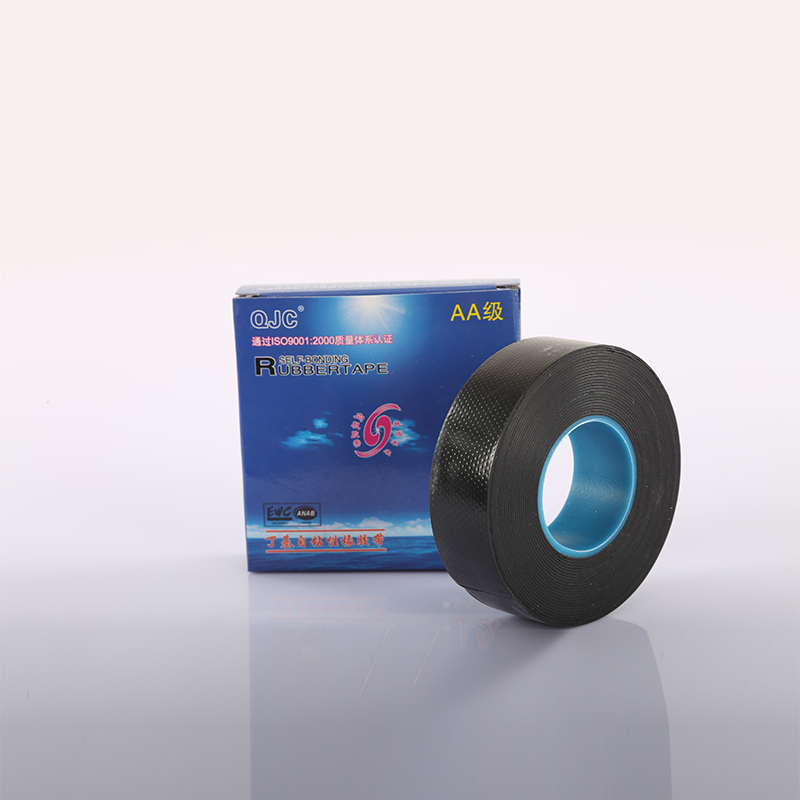
The tape behind the seal: Linerless Insulating Rubber Tape (XF_WCC)
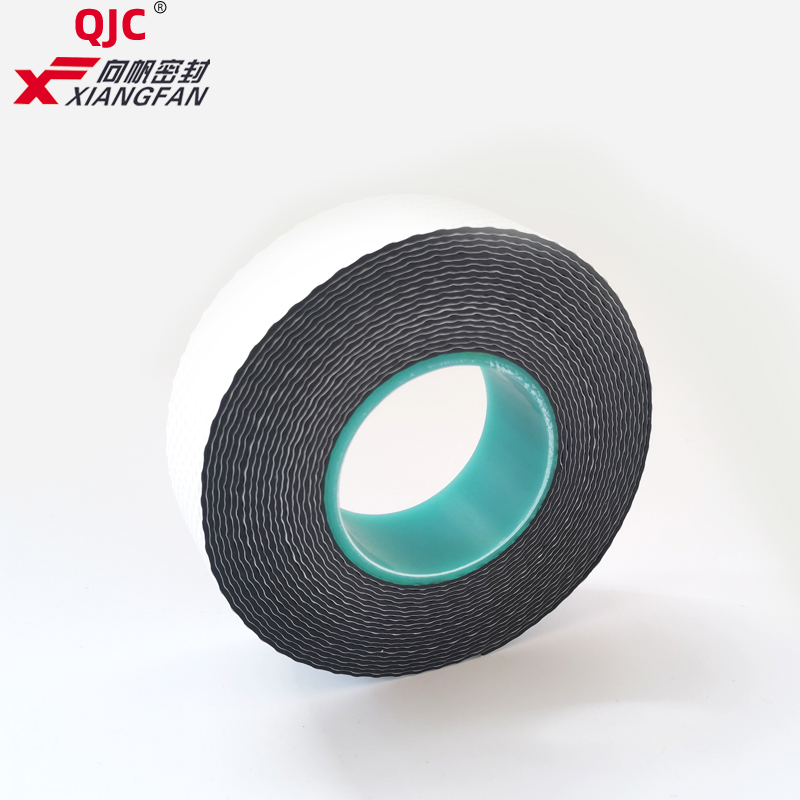
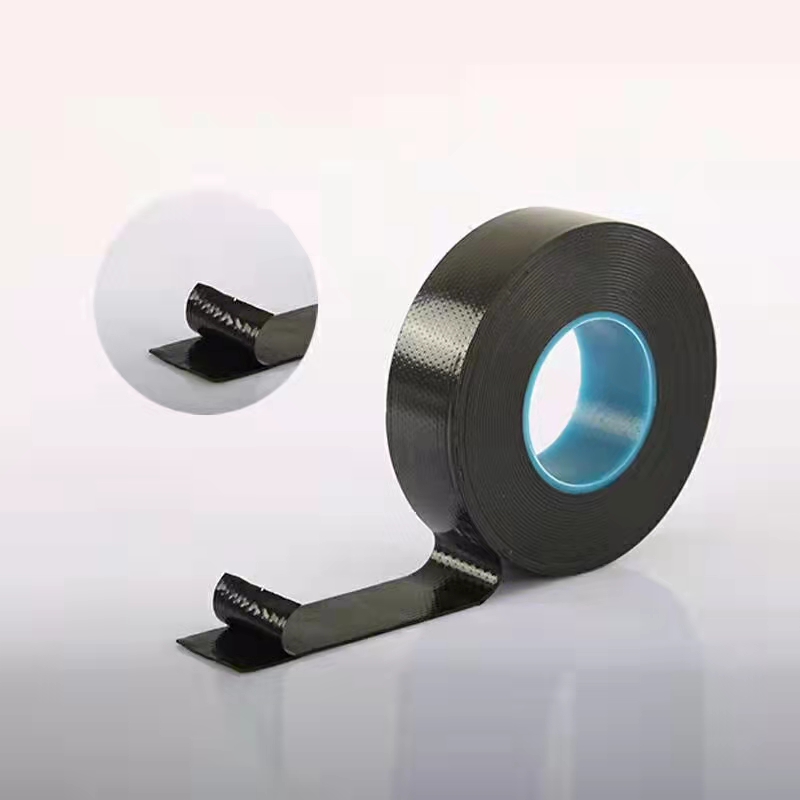
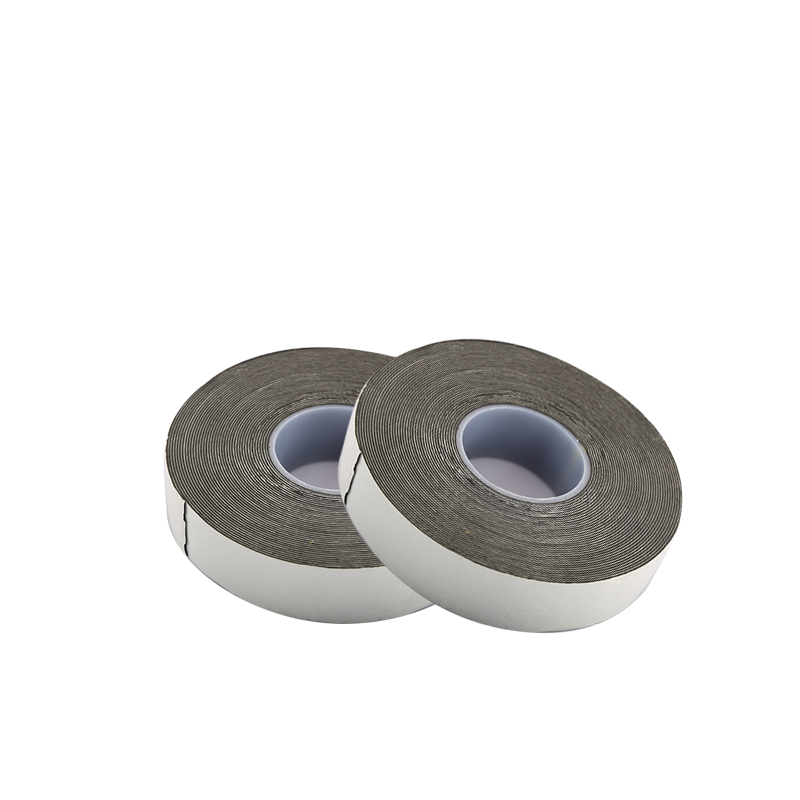
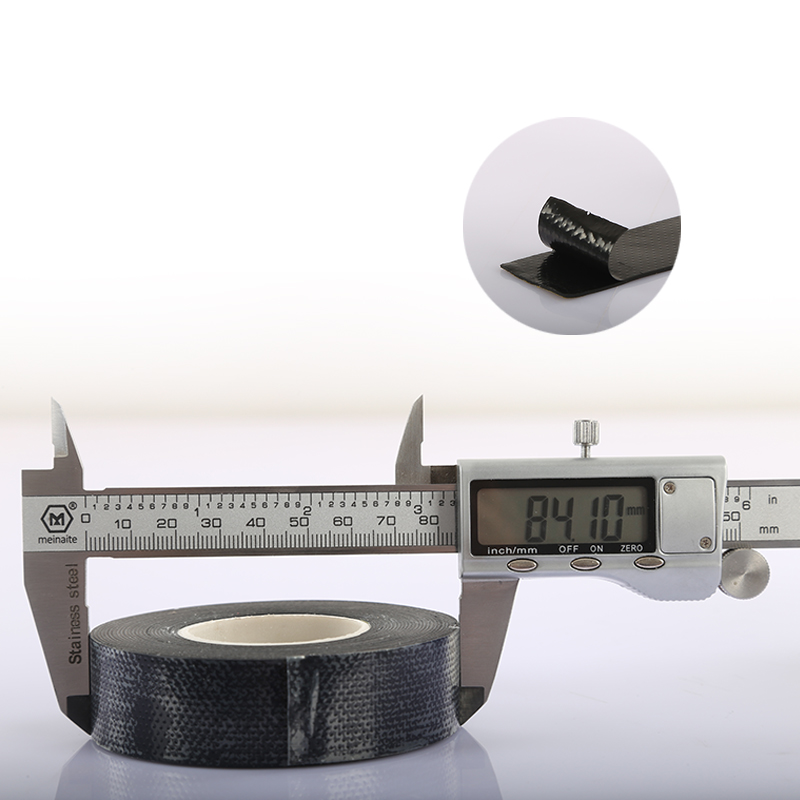
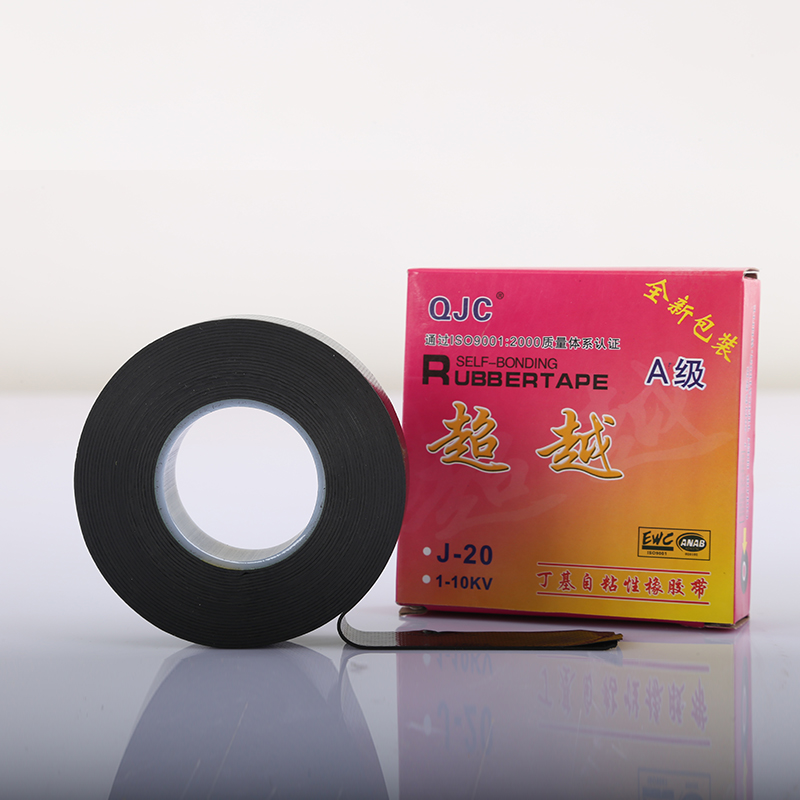
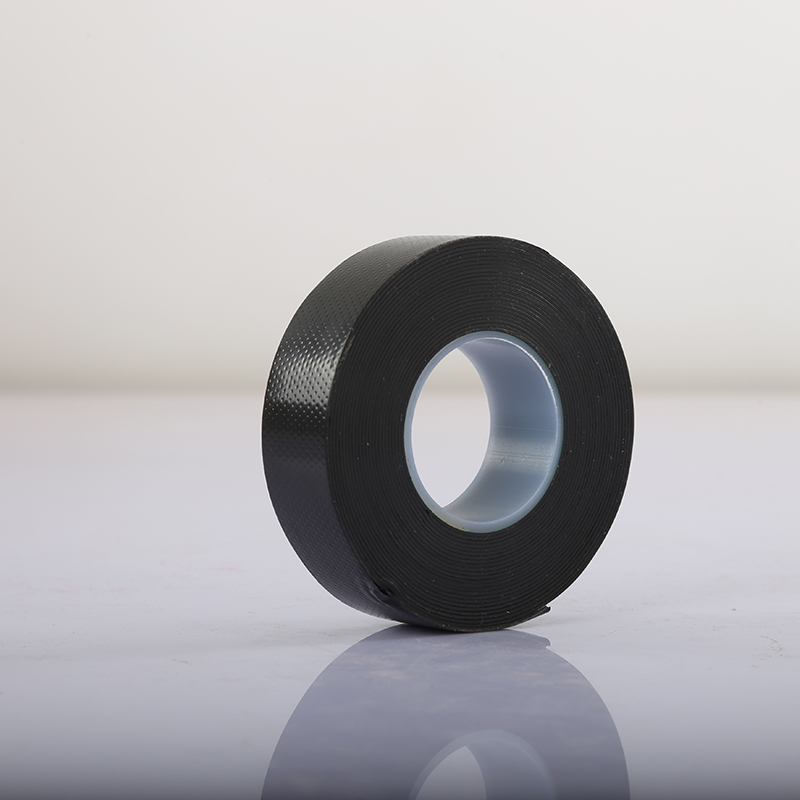
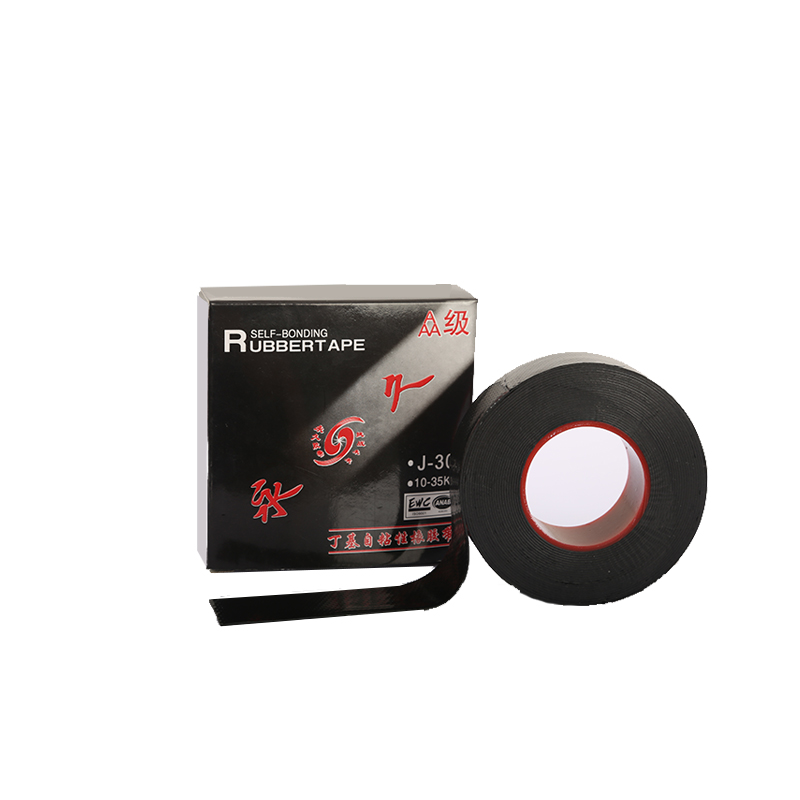
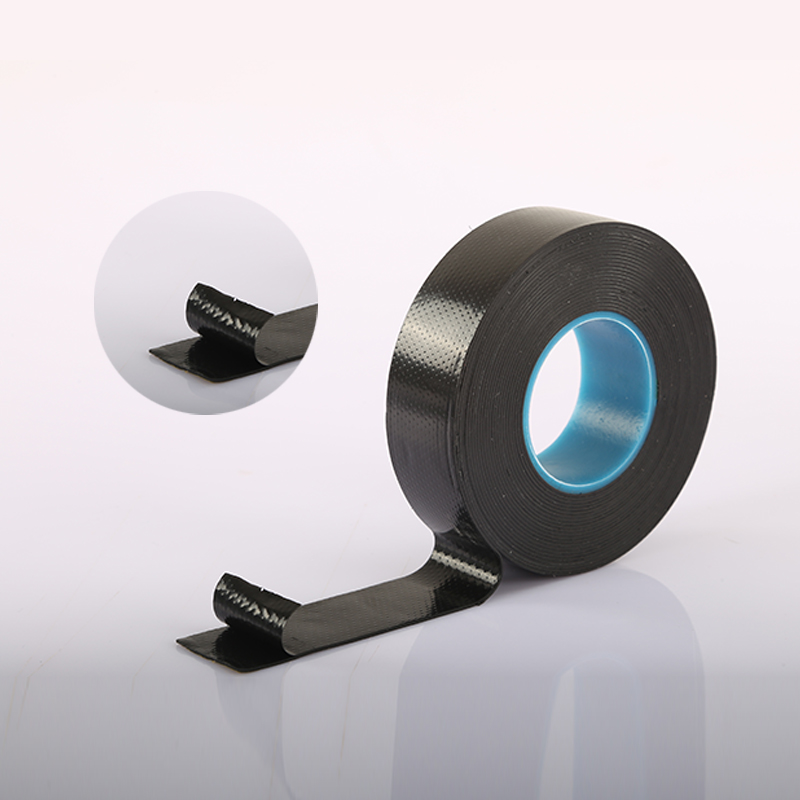
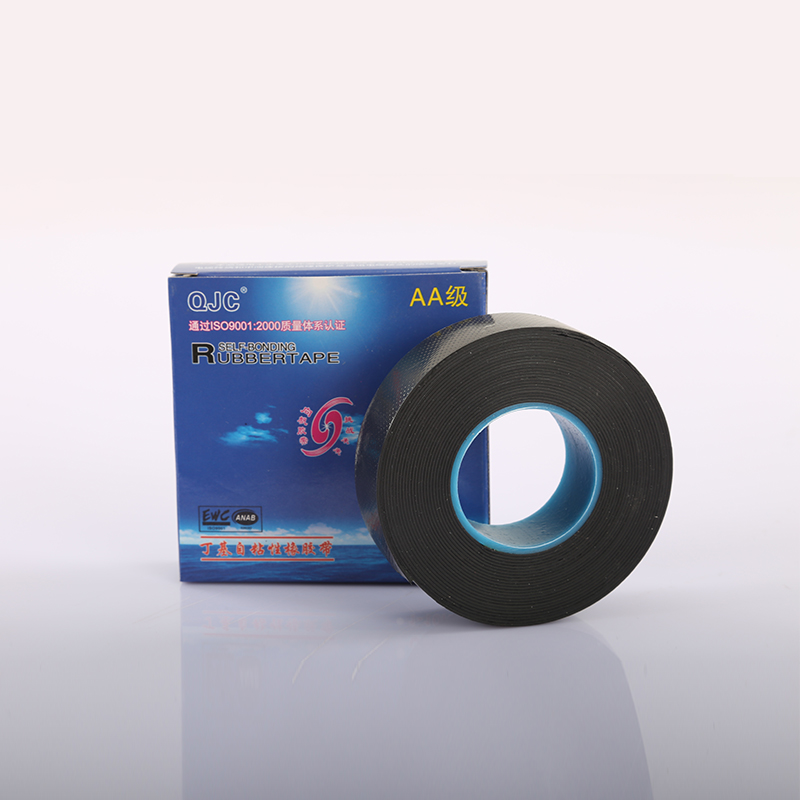
From OFFICE BUILDING OF MANAGEMENT COMMITTEE OF SHIZISHAN HIGH-TECH ZONE, TONGLING, ANHUI, CHINA, this self‑amalgamating PIB rubber tape (black, code XF_WCC) bonds to itself, forming a unified moisture barrier. It’s compatible with extruded dielectric cable insulation and shrugs off UV and common site chemicals. I’ve wrapped strike-plate cutouts and sensor splices with it—it’s tidy and it lasts.
| Spec | XF_WCC Linerless Insulating Rubber Tape (typical) |
|---|---|
| Material | PIB self-amalgamating rubber, linerless |
| Color | Black |
| Dielectric strength | ≈ 20–30 kV/mm (ASTM D149; real-world use may vary) |
| Temperature range | ≈ -40°C to +90°C continuous |
| UV/Chemical/Moisture | Resistant; field-proven for outdoor door frames |
| Compatibility | Extruded dielectric cable insulation (XLPE, EPR, PE) |
| Compliance | Designed to align with IEC 60454 series; RoHS/REACH typically supported |
How pros combine components
- Primary seal: foam/TPE/silicone weather stripping door seal strip sized for compression set and gap (3–6 mm).
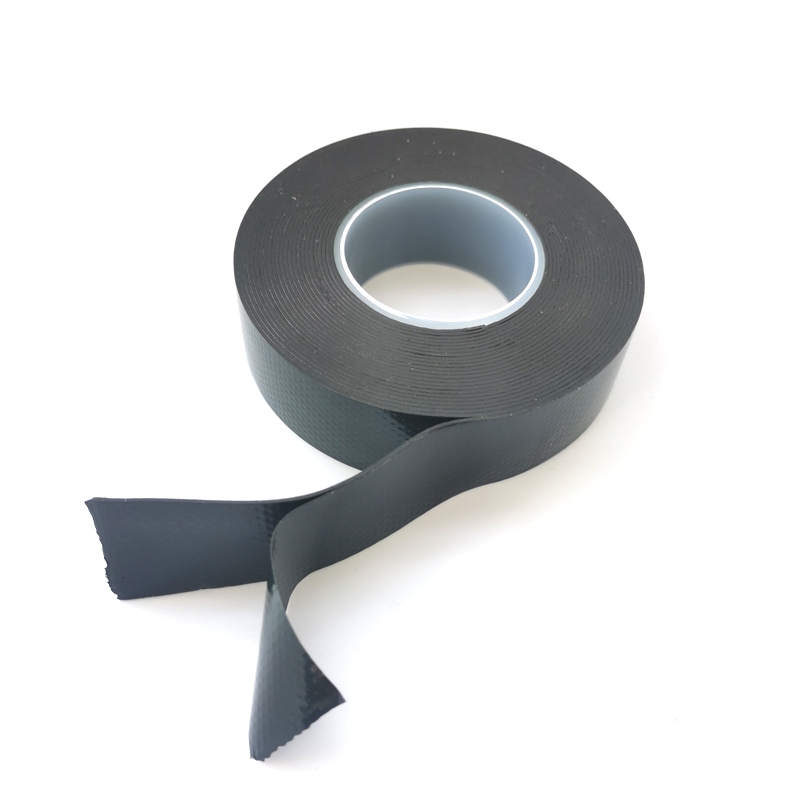
- Ancillary wrap: XF_WCC tape around sensor wires, metal-to-metal transitions, and threshold cable exits to keep moisture out so seals actually seal.
- Testing: quick smoke-pencil + door pressure test; electrical tape joints checked under IEC/ASTM methods.
Process flow, briefly
Materials: EPDM/silicone seals, PIB rubber tape, alcohol wipes. Methods: surface prep; dry-fit; apply seal; wrap cables/voids with 50% tape overlap; roll for amalgamation. Tests: ASTM D149 (dielectric), ASTM D412 (tensile/elongation), IEC 60454 checks; on-site blower-door sampling. Service life: ≈ 5–10 years for seals; tape often matches cable life when shielded from abrasion. Industries: hospitality, cold chain, retail, light industrial, data centers.
Vendor snapshot
| Vendor | Product Type | Lead Time | Certs | Customization |
|---|---|---|---|---|
| Qiangda Tape (XF_WCC) | Self-amalgamating rubber tape | ≈ 7–15 days | ISO 9001; RoHS/REACH | Widths, thickness, die-cuts |
| Foam Strip Vendor A | EPDM door seal foam | ≈ 10–20 days | UL 94 HB, RoHS | Profiles, adhesive type |
| Silicone Gasket Vendor B | Silicone bulb seal | ≈ 15–25 days | FDA-grade options | Color, durometer |
Use cases and quick wins
- Hotel corridor doors: seals reduce air transfer; tape protects card-reader splice at the jamb.
- Cold-room swing doors: silicone seal + taped heater leads at the threshold—less frost creep.
- Loading-dock man doors: durable weather stripping door seal strip with tape around strike pocket to stop wind-driven rain.
Field data and feedback
Many customers say blower-door readings drop 10–25% around retrofitted door sets; noise ingress also improves a notch or two on the subjective scale. One facilities manager told me, “after we wrapped the access wires, the seal finally seated—no more whistling.” Lab-wise, PIB tapes routinely meet high dielectric thresholds (see ASTM/IEC citations below).
Mini case studies
Retail chain, Midwest: Replaced worn seals and taped mag-contact splices. Result: ≈ 12% HVAC runtime reduction near entrances during winter, fewer service tickets.
Data center office wing: Silicone bulb seal + XF_WCC on badge-reader cables; door pressure balanced, drafts gone. To be honest, it looked simple—but it worked.
Buying tips
- Measure the gap; choose seal profile to compress ≈ 25–40%.
- For any penetrations, wrap with self-fusing tape at 50% overlap; finish with a stretch to activate amalgamation.
- Look for ISO 9001 vendors and published test data (ASTM/IEC/UL). That stuff matters.
References
- ASTM D149 – Dielectric Breakdown and Strength of Solid Electrical Insulating Materials: https://www.astm.org/d0149
- IEC 60454 Series – Adhesive Tapes for Electrical Purposes: https://webstore.iec.ch
- UL 510 – Standard for Polyvinyl Chloride, Polyethylene, and Rubber Insulating Tape: https://standardscatalog.ul.com
- EU RoHS Directive and REACH Regulation guidance: https://ec.europa.eu/environment
- ASHRAE 90.1 – Energy Standard for Buildings Except Low-Rise Residential: https://www.ashrae.org
- U.S. DOE Weatherstripping guidance: https://www.energy.gov/energysaver/weatherize/air-sealing-your-home/weatherstripping
-
Industrial Fire Proof Tape Guide for High Temperature ProtectionNewsApr.16,2026
-
Ultimate Guide to Fireproof Tape Protection and ApplicationsNewsApr.09,2026
-
Exploring Black Tack Butyl Applications and Benefits for Optimal SealingNewsApr.07,2026
-
Comprehensive Guide to Black Butyl Rubber Tape Applications and BenefitsNewsApr.04,2026
-
Comprehensive Guide to High Power Butyl Waterproof Tape ApplicationsNewsMar.31,2026
-
Comprehensive Guide to 360tronics Butyl Waterproof Tape for Airtight and Watertight SealsNewsMar.28,2026