
Introduction to High-Performance Fire Resistance Tape
In demanding industrial environments, ensuring safety and operational continuity is paramount. Components like electrical cables, conduits, and critical infrastructure require robust protection against thermal events. This is where advanced materials such as fire resistance tape play a pivotal role. Designed to withstand extreme temperatures, prevent flame propagation, and minimize hazardous emissions, these specialized tapes are indispensable in safeguarding personnel, assets, and operational integrity across numerous B2B sectors. Our focus here is on understanding the technical intricacies, application benefits, and strategic considerations for deploying these critical safety components.
Industry Trends and Market Dynamics
The global market for advanced insulating and protective materials is experiencing significant growth, driven by stringent safety regulations, increasing industrialization, and the expansion of complex infrastructure projects. Key trends impacting the demand for specialized tapes, including fire resistance tape, include:
- Heightened Safety Standards: Regulatory bodies worldwide are continuously updating fire safety codes, mandating materials that offer superior flame retardancy, low smoke emission, and absence of toxic halogens. This pushes industries towards adopting high-performance flame retardant tape solutions.
- Growth in Renewable Energy and Data Centers: These sectors involve vast networks of cabling and electrical components, where uninterrupted operation and fire safety are critical. The sheer volume and complexity of electrical installations demand reliable fire protection.
- Electrification of Transport: The railway, automotive (especially electric vehicles), and aerospace industries are increasingly relying on advanced electrical systems, necessitating lightweight, durable, and fire-resistant materials for wiring harnesses and connections.
- Sustainability and Environmental Consciousness: There's a strong industry shift towards products that are not only effective but also environmentally responsible. This includes a preference for low smoke and halogen-free formulations, reducing the ecological footprint and health risks associated with combustion.
- Smart Infrastructure Development: The integration of IoT and advanced monitoring systems in buildings and industrial facilities necessitates robust protection for sensitive electronics, making specialized tapes a core component of resilient infrastructure.
These trends collectively underscore the rising importance of technically advanced tapes that offer more than just basic insulation, providing comprehensive protection against fire, smoke, and corrosive gases.
Manufacturing Process and Technical Foundations of Fire Resistance Tape
The production of advanced fire resistance tape involves a sophisticated sequence of steps, from raw material selection to rigorous testing, ensuring optimal performance under extreme conditions. The Low Smoke and Halogen-free Self-bonding Fire-resistance Tape, for instance, leverages cutting-edge material science to deliver superior protection.
Product Materials:
Typically, these tapes are composed of specialized silicone elastomers, often blended with non-halogenated flame retardant additives, ceramic materials, and reinforcing agents. Silicone's inherent thermal stability, excellent dielectric properties, and flexibility make it an ideal base. The additives are crucial for achieving properties such as low smoke emission, minimal toxic gas release, and the formation of a protective ceramic-like ash layer when exposed to fire.
Manufacturing Process Flow:
- Material Compounding: Raw silicone polymers are carefully mixed with flame retardants, cross-linking agents, pigments, and other performance-enhancing additives. This step is critical for achieving the desired mechanical, electrical, and fire-resistant properties.
- Extrusion or Calendering: The compounded material is then processed through an extruder or calender machine to form a continuous sheet of precise thickness. This ensures uniform material distribution and consistent tape dimensions.
- Vulcanization (Curing): The formed sheet undergoes a high-temperature curing process, where the silicone elastomer cross-links, transforming into a durable, elastic, and thermoset material. This stage sets the final physical and chemical properties of the tape.
- Slitting: The wide cured sheets are precisely slit into narrower rolls of the desired width, ready for packaging.
- Quality Control & Testing: Throughout the process, and especially at the final stage, rigorous quality checks are performed to ensure compliance with technical specifications and safety standards.
Testing Standards:
Compliance with international standards is vital for validating the performance of fire resistant adhesive tapes. Key standards include:
- IEC 60332: Tests for flame propagation on single insulated wires and cables.
- UL 94: Standard for safety of flammability of plastic materials for parts in devices and appliances.
- ASTM E162: Surface flammability of materials using a radiant heat energy source.
- ASTM E662: Standard Test Method for Specific Optical Density of Smoke Generated by Solid Materials.
- NFPA 130: Standard for Fixed Guideway Transit and Passenger Rail Systems (often referencing toxicity and smoke density).
- ISO 4589-2 / IEC 60695-2-10: Oxygen Index (LOI), indicating the minimum oxygen concentration required for combustion.
Simplified schematic of fire resistance tape production and testing stages.
Service Life and Target Industries:
High-quality fire resistance tape typically boasts a service life exceeding 20 years when properly applied and exposed to specified conditions, offering long-term reliability. These tapes are critical in:
- Petrochemical: Protecting electrical systems in hazardous zones.
- Metallurgy: Insulating cables exposed to high heat and harsh environments.
- Water Supply & Drainage: Ensuring integrity of submersible pumps and control systems.
- Railway and Aerospace: Critical for electrical insulation and fire protection in transportation systems.
- Power Generation and Distribution: Enhancing reliability of substation and power plant cabling.
- Data Centers: Fire protection for intricate cable infrastructure to maintain uptime.
In these scenarios, advantages like enhanced fire safety directly translate to energy saving through reduced downtime and maintenance, while the material's inherent resistance to chemicals and moisture offers superior corrosion resistance for underlying components.
Technical Specifications: Low Smoke and Halogen-free Self-bonding Fire-resistance Tape
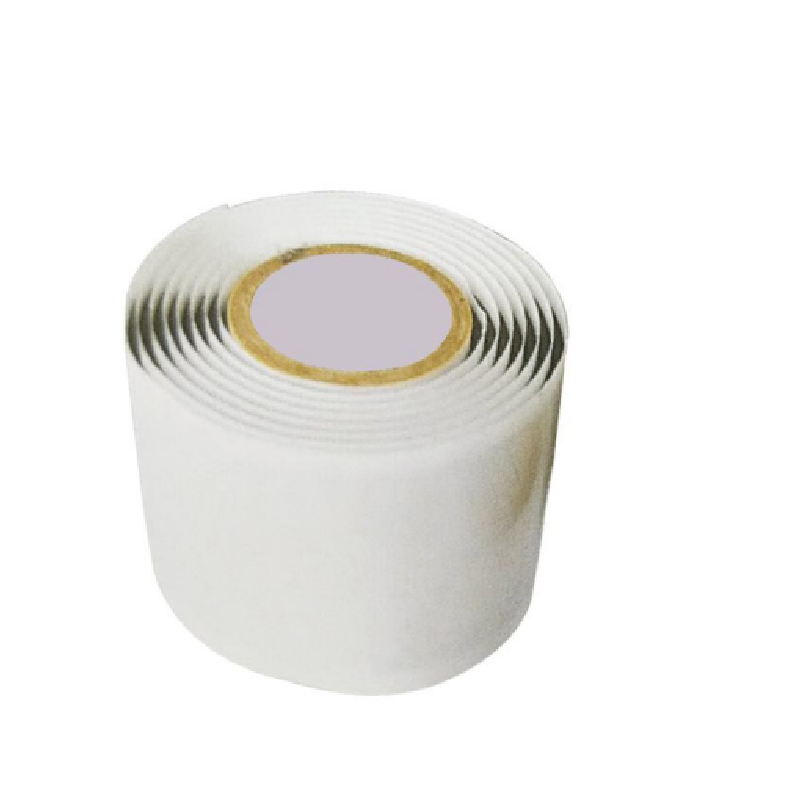
Understanding the precise technical parameters of a fire resistance tape is crucial for engineers and procurement specialists. The Low Smoke and Halogen-free Self-bonding Fire-resistance Tape is engineered to offer exceptional performance, combining robust fire safety with environmental responsibility.
| Parameter | Typical Value | Test Standard |
|---|---|---|
| Material Composition | Modified Silicone Rubber with Fire Retardants | Internal QA |
| Operating Temperature Range | -50°C to +200°C | IEC 60216 |
| Emergency Overload Temperature | Up to +250°C (short term) | Internal Test |
| Dielectric Strength | ≥ 20 kV/mm | ASTM D149 |
| Tensile Strength | ≥ 4.0 MPa | ASTM D412 |
| Elongation at Break | ≥ 400% | ASTM D412 |
| Self-Amalgamation Rate | ≥ 80% (24 hours) | Internal Test |
| Flame Retardancy | Passes vertical flame test | IEC 60332-1-2 |
| Smoke Density | Low Smoke Generation | ASTM E662 |
| Halogen Content | Halogen-free | IEC 61249-2-21 |
| Resistance | UV, Ozone, Moisture, Chemicals | ASTM G154, ASTM D1149 |
These specifications highlight the tape's robust performance, making it suitable for critical applications requiring both excellent electrical insulation and superior fire safety. Its self-bonding nature ensures a void-free, moisture-tight seal, enhancing long-term reliability.
Diverse Application Scenarios
The versatility of non flammable tape extends across a multitude of industrial and commercial applications where heat, flame, and environmental protection are essential. Its unique properties allow it to address complex challenges effectively.
- Electrical Insulation and Splicing: For medium and high-voltage cable terminations and splices, providing primary insulation and moisture sealing, especially where traditional tapes might fail under heat. It’s also an excellent electrical tape fire resistant solution for crucial wiring.
- Arc and Track Protection: Shielding critical electrical components from arc faults and surface tracking, which can lead to catastrophic failures.
- Fire Stopping and Cable Bundling: Used in conduits and cable trays to create fire barriers, prevent flame propagation along cable bundles, and maintain circuit integrity during a fire.
- Pipe and Duct Wrapping: Insulating and protecting pipes in process industries from extreme temperatures, chemical exposure, and mechanical damage, while also adding a layer of fire protection.
- Transformer and Motor Lead Insulation: Providing durable, high-temperature insulation for leads and connections in motors, generators, and transformers.
- Marine and Offshore Installations: Crucial for electrical systems on ships and oil rigs, where fire safety and resistance to saltwater and harsh conditions are paramount.
- Aerospace and Defense: Lightweight yet robust protection for wiring harnesses and critical electronic systems in aircraft and military equipment.
- Industrial Plant Maintenance: Quick and reliable repairs for damaged insulation on electrical cables and busbars, minimizing downtime and enhancing safety.
Versatile applications of fire resistance tape in complex industrial setups.
Technical Advantages and Performance Benefits
The adoption of specialized fire resistance tape provides a clear competitive edge through superior technical advantages and long-term performance benefits compared to conventional insulation materials.
- Exceptional Thermal Stability: Maintains integrity and insulation properties across a wide temperature range, significantly higher than standard tapes, ensuring functionality even under high thermal stress.
- Superior Fire Retardancy: Engineered to resist ignition, inhibit flame spread, and self-extinguish when the flame source is removed, providing critical time for evacuation and intervention.
- Low Smoke & Halogen-Free: Crucially, these tapes produce minimal smoke and no toxic halogen gases during combustion, drastically improving visibility for egress and reducing health risks to personnel, a major advantage in enclosed spaces.
- Self-Amalgamating Property: Forms a seamless, homogenous, void-free layer upon application, creating a moisture-tight, hermetic seal that prevents water ingress, corrosion, and environmental degradation.
- High Dielectric Strength: Provides robust electrical insulation, preventing shorts and maintaining the integrity of electrical circuits even under extreme conditions.
- Environmental Resistance: Excellent resistance to UV radiation, ozone, moisture, and a wide array of chemicals, ensuring durability and extended service life in harsh outdoor or industrial environments.
- Flexibility and Conformability: Easily wraps around irregular shapes and contours, simplifying installation and ensuring comprehensive protection for complex components.
- Cost-Effectiveness: While the initial investment might be higher than standard tapes, the extended service life, reduced maintenance, prevention of costly system failures, and enhanced safety significantly lower total cost of ownership over the product lifespan.
These combined advantages contribute to a safer, more reliable, and more efficient operational environment, directly impacting bottom-line performance.
Vendor Comparison: Choosing the Right Fire Resistance Solution
Selecting the appropriate fire resistance tape vendor is a critical decision that impacts project safety, budget, and long-term reliability. A robust evaluation process considers material quality, certifications, customization capabilities, and after-sales support.
Consider the stark contrast between a generic electrical tape and a specialized product like a Low Smoke and Halogen-free Self-bonding Fire-resistance Tape:
| Feature | Standard PVC Electrical Tape | Low Smoke & Halogen-free Self-bonding Fire-resistance Tape |
|---|---|---|
| Primary Material | Polyvinyl Chloride (PVC) | Modified Silicone Rubber |
| Temperature Range | 0°C to +80°C | -50°C to +200°C |
| Fire Performance | Flammable, drips when burning, high smoke | Fire retardant, low smoke, halogen-free, self-extinguishing |
| Smoke & Toxicity | High smoke, releases toxic halogen gases (HCl) | Low smoke density, non-toxic, halogen-free |
| Self-Amalgamating | No, adhesive backed | Yes, fuses into a solid mass |
| Moisture Sealing | Moderate, can delaminate | Excellent, watertight, void-free |
| UV & Ozone Resistance | Poor, degrades over time | Excellent, weather resistant |
| Typical Cost | Low | Moderate to High (justified by performance) |
This comparison clearly illustrates why investing in high-performance tapes like our featured product, which offers superior fire resistant adhesive properties, is crucial for long-term safety and operational resilience in demanding B2B applications. Vendors excelling in innovation, stringent quality control, and comprehensive support are preferred partners.
Customized Solutions
Recognizing that no two industrial applications are identical, leading manufacturers offer highly customized fire resistance tape solutions. This allows clients to precisely match product specifications to their unique project requirements, optimizing performance and cost-efficiency.
- Dimensions: Tapes can be produced in various widths, thicknesses, and roll lengths to suit specific application needs, from narrow wraps for individual wires to broad sheets for large surface areas.
- Performance Characteristics: Adjustments in material formulation can enhance particular properties, such as higher dielectric strength, increased tensile strength, broader temperature resistance, or even more aggressive self-amalgamation rates.
- Color Matching: While functional, aesthetic or identification needs might require specific colors for easier recognition or integration into color-coded systems.
- Packaging: Custom packaging options can be provided for ease of use in specific industrial settings, bulk orders, or specialized kits.
Engaging in close collaboration with a manufacturer capable of delivering these tailored solutions ensures that the chosen fire resistance tape is not just a component, but an integral, optimized part of the overall safety and operational strategy.
Application Case Studies: Proving Efficacy in Real-World Scenarios
The practical effectiveness of fire resistance tape is best demonstrated through its successful deployment in critical applications.
Case Study 1: Data Center Cable Management
A leading global data center operator faced challenges in protecting its dense network of power and data cables from potential fire hazards. Traditional PVC tapes offered insufficient fire protection and emitted highly toxic smoke in case of a fire, endangering staff and critical equipment. By integrating a Low Smoke and Halogen-free Self-bonding fire resistance tape for bundling and insulating cable runs, the data center significantly enhanced its fire safety protocols. The self-amalgamating property ensured a uniform, void-free seal, preventing moisture ingress and protecting connections, while the low smoke and halogen-free characteristics met stringent safety requirements for enclosed environments. This resulted in improved incident response times and greater protection for high-value assets.
Case Study 2: Railway Infrastructure Electrification
A major European railway authority required a durable and fire-safe insulation solution for overhead line equipment and signaling cables exposed to extreme weather conditions and potential electrical faults. After evaluating several options, a specialized non flammable tape was selected. Its robust thermal stability (up to 200°C continuous operation), UV and ozone resistance, and excellent dielectric properties ensured long-term insulation performance. More importantly, its compliance with railway-specific fire safety standards (e.g., NFPA 130 for smoke and toxicity) provided confidence in protecting crucial electrical systems from fire propagation, minimizing service disruptions and maximizing passenger safety.
Real-world application of fire resistance tape in critical infrastructure.
Case Study 3: Industrial Substation Upgrade
An industrial client upgrading an aging electrical substation needed to enhance the insulation and fire protection of critical busbar connections. The existing insulation showed signs of degradation, posing a fire risk. The client opted for a high-voltage, fire resistance tape. Its self-amalgamating properties allowed for a quick, seamless application over complex busbar shapes, providing primary insulation up to 35kV and robust fire resistance. This application dramatically reduced the risk of electrical shorts leading to fire, ensuring the substation's continued safe and reliable operation. Feedback highlighted ease of application and the tape's robust performance under operational loads.
Commitment to : Authority and Trustworthiness
Our dedication to providing high-quality fire resistance tape solutions is underpinned by a commitment to Expertise, Experience, Authoritativeness, and Trustworthiness ().
Authoritativeness: Certifications and Partnerships
Our products, including the Low Smoke and Halogen-free Self-bonding Fire-resistance Tape, adhere to stringent international standards. We hold certifications such as ISO 9001 for quality management, ensuring consistent product excellence. Our tapes are tested to comply with critical performance benchmarks from organizations like UL, IEC, and ASTM, verifying their flame retardant, low smoke, and electrical insulation properties. We partner with leading enterprises across the energy, telecommunications, and infrastructure sectors globally, providing them with reliable, certified solutions backed by decades of industry experience. Our extensive history of service and continuous product innovation reflects our authoritative standing in the field of specialized tapes.
Trustworthiness: FAQ, Lead Times, Warranty, and Support
We build trust through transparency, reliable logistics, and comprehensive customer support.
Frequently Asked Questions (FAQ):
- Q: What is the primary advantage of self-bonding tape?
A: Self-bonding tapes fuse into a monolithic mass, creating a void-free, moisture-tight seal without needing an adhesive, which enhances electrical performance and environmental resistance. - Q: Are your tapes truly halogen-free?
A: Yes, our Low Smoke and Halogen-free Self-bonding Fire-resistance Tape is engineered without halogens, ensuring minimal toxic gas release during combustion, verified by independent lab tests. - Q: Can this tape be used outdoors?
A: Absolutely. Our silicone-based fire resistance tape offers excellent resistance to UV, ozone, and weathering, making it ideal for outdoor applications. - Q: What is the expected service life?
A: When applied correctly in its specified environment, our tapes are designed for a service life of 20 years or more, providing long-term reliability.
Lead Time and Fulfillment:
Standard orders typically have a lead time of 2-4 weeks, depending on volume and customization. We maintain efficient supply chain management to ensure timely delivery. For urgent requirements, please contact our sales team to discuss expedited options.
Warranty Commitments:
All our products are backed by a comprehensive 1-year warranty against manufacturing defects from the date of purchase. Our commitment extends to ensuring product performance meets or exceeds stated specifications under normal usage conditions.
Customer Support and After-Sales Service:
Our technical support team comprises experienced engineers ready to assist with product selection, application guidance, and troubleshooting. We provide dedicated after-sales support to ensure customer satisfaction and optimal product performance throughout its lifespan. Contact us via phone or email for expert assistance.
Conclusion
The evolution of fire resistance tape represents a significant leap forward in industrial safety and operational resilience. As industries continue to face increasingly stringent regulations and complex operational challenges, the demand for high-performance, environmentally responsible materials will only grow. Solutions like the Low Smoke and Halogen-free Self-bonding Fire-resistance Tape offer not just compliance but a strategic advantage, ensuring the protection of critical infrastructure, personnel, and assets from the devastating impacts of fire. By prioritizing advanced materials, adhering to rigorous testing standards, and offering comprehensive support, manufacturers are enabling a safer and more reliable future for diverse B2B applications worldwide.
References
- International Electrotechnical Commission (IEC) Standards, e.g., IEC 60332.
- Underwriters Laboratories (UL) Standards, e.g., UL 94.
- American Society for Testing and Materials (ASTM) International Standards, e.g., ASTM E162, ASTM E662.
- National Fire Protection Association (NFPA) Standards, e.g., NFPA 130.
- International Organization for Standardization (ISO) Standards, e.g., ISO 9001.
-
Industrial Fire Proof Tape Guide for High Temperature ProtectionNewsApr.16,2026
-
Ultimate Guide to Fireproof Tape Protection and ApplicationsNewsApr.09,2026
-
Exploring Black Tack Butyl Applications and Benefits for Optimal SealingNewsApr.07,2026
-
Comprehensive Guide to Black Butyl Rubber Tape Applications and BenefitsNewsApr.04,2026
-
Comprehensive Guide to High Power Butyl Waterproof Tape ApplicationsNewsMar.31,2026
-
Comprehensive Guide to 360tronics Butyl Waterproof Tape for Airtight and Watertight SealsNewsMar.28,2026