
A Field Guide to Better Sealing: What Pros Get Right About weather stripping door seal strip performance
If you care about drafts, door slam acoustics, or just keeping rain out, you know the rabbit hole: profiles, durometers, adhesives, gap geometry… and then the “why is this still leaking?” moment. Over the last decade, a quiet trend has crossed over from power utilities to building and vehicle sealing: self-amalgamating PIB rubber tech. I’ve used it around cable pass-throughs near doors, and—surprisingly—it solved edge cases the usual foam gaskets couldn’t touch.
Why sealing is having a moment
Energy prices, EV adoption, coastal humidity—pick your driver. In doors and hatches, specifiers ask for lower air leakage (ASTM E283 style targets), stable compression set, and better UV/ozone resistance. Many customers say they want a gasket that “just lasts,” and, to be honest, that usually means fewer joints and smarter transitions—where cable penetrations or hinge side gaps meet the weather stripping door seal strip.
The product behind the scenes
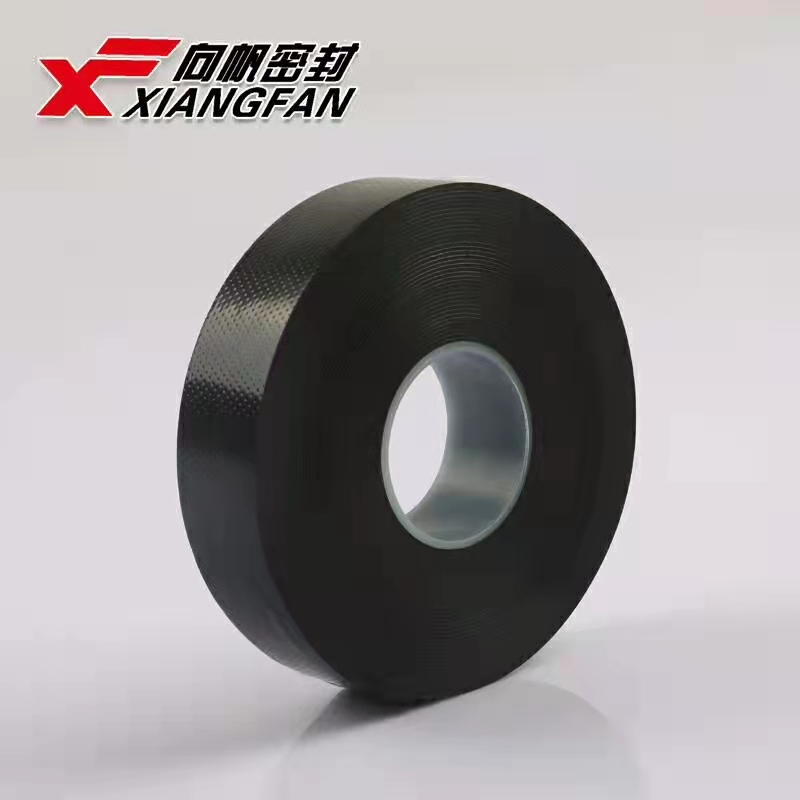
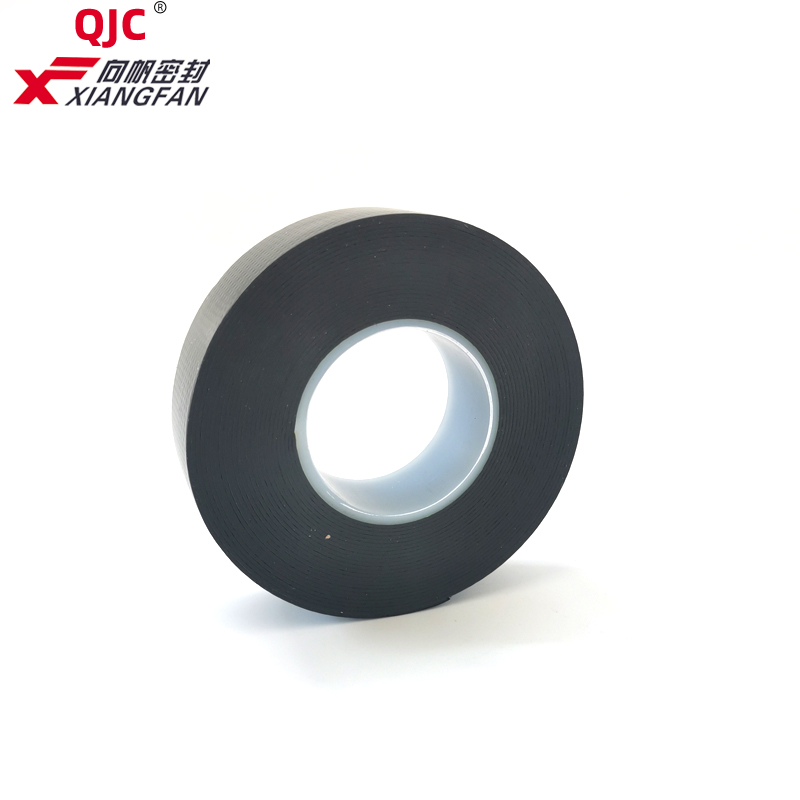
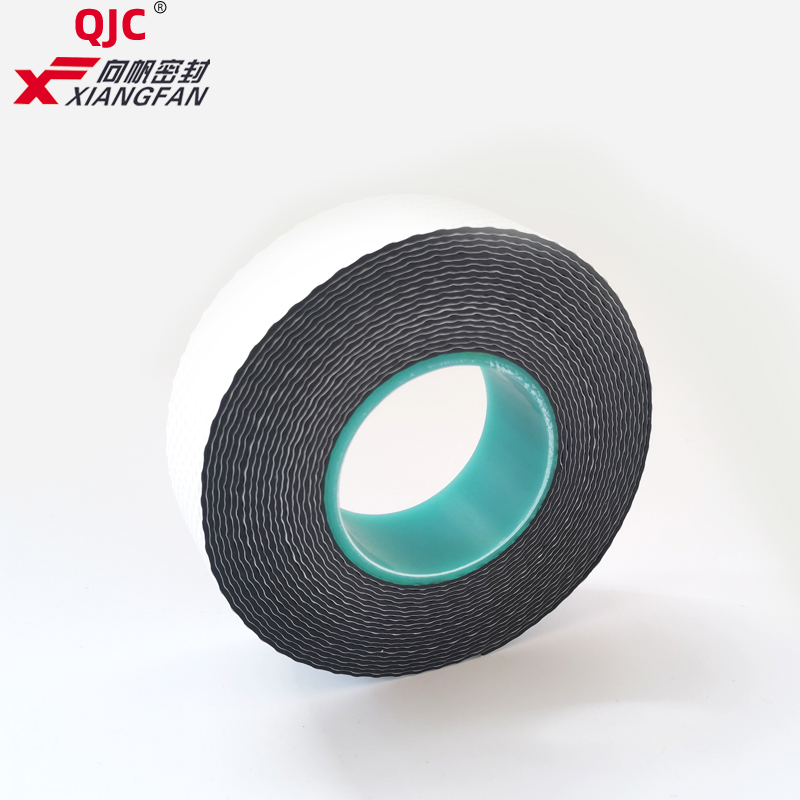
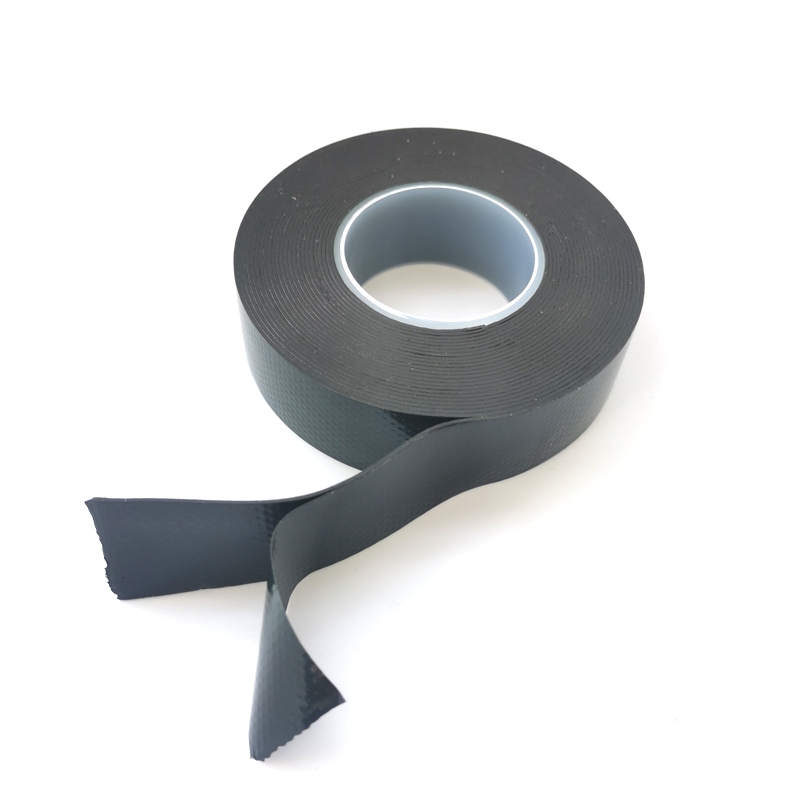
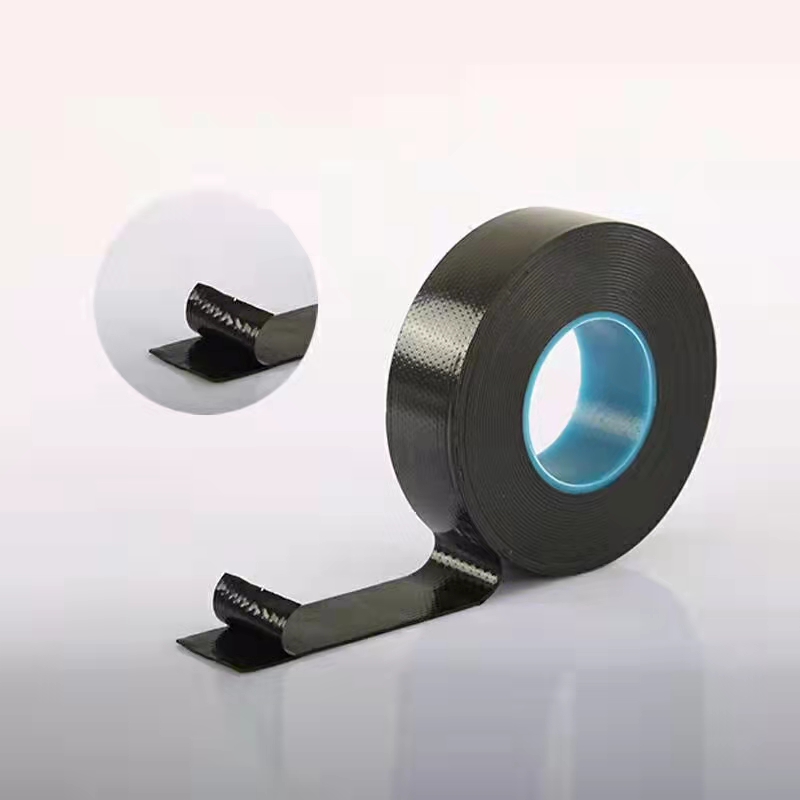
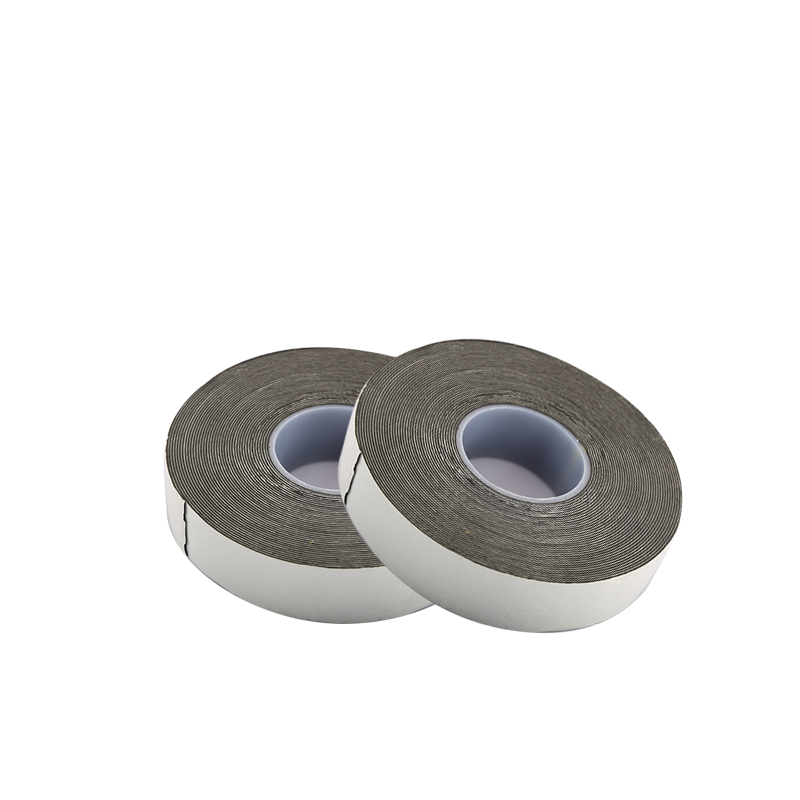
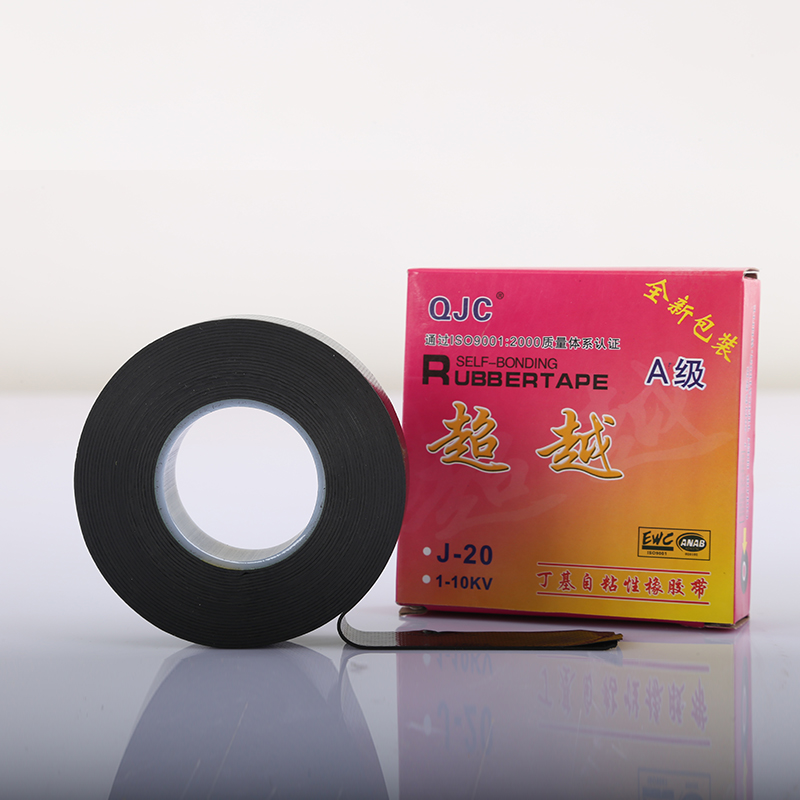
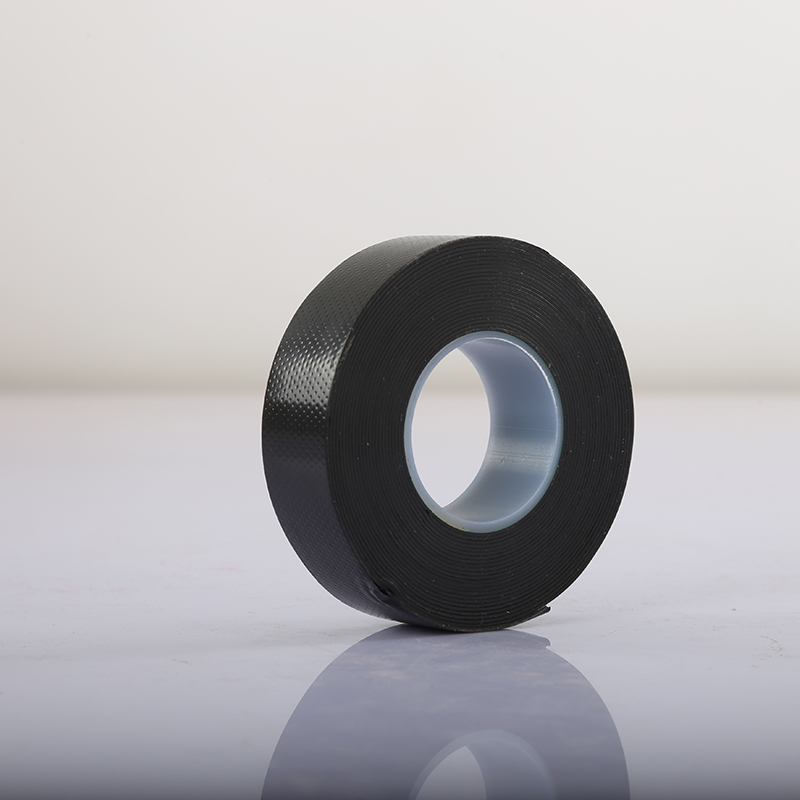
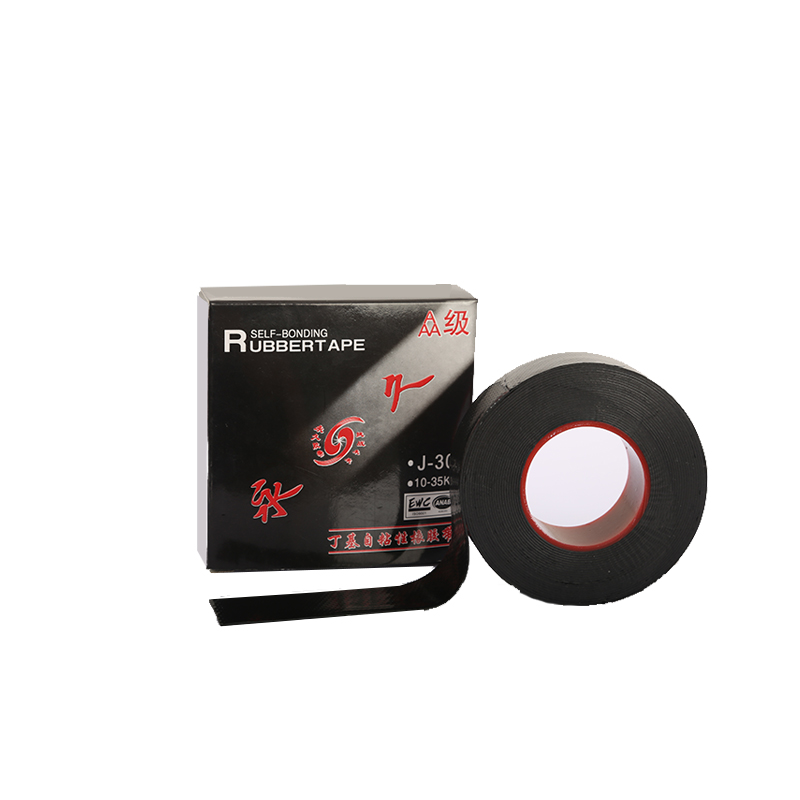
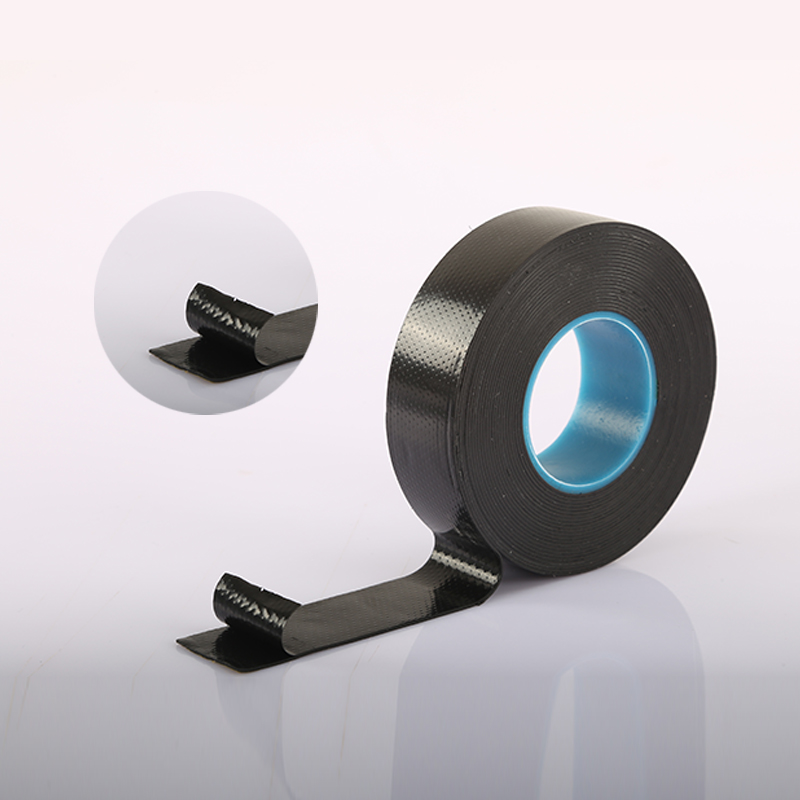
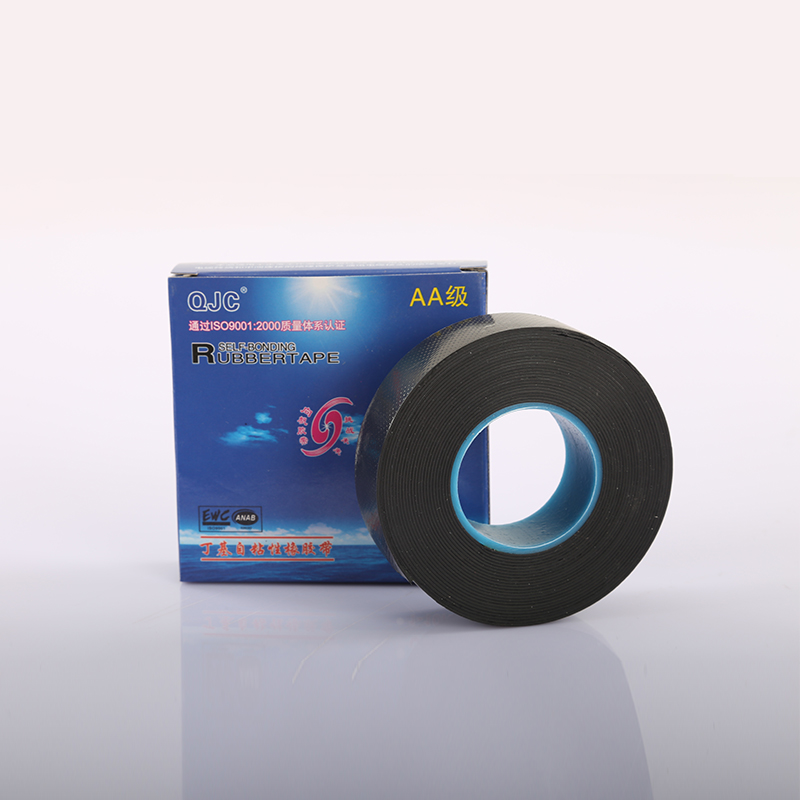
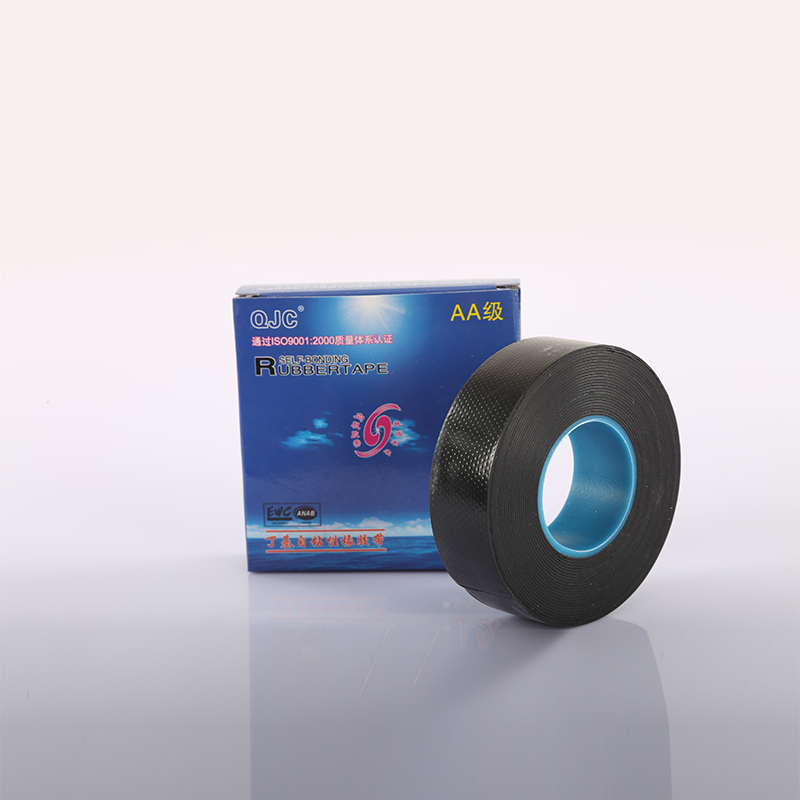
Enter Linerless Insulating Rubber Tape (Code: XF_WCC) from Qiangda Tape—made in OFFICE BUILDING OF MANAGEMENT COMMITTEE OF SHIZISHAN HIGH-TECH ZONE, TONGLING, ANHUI, CHINA. It’s a black, self-amalgamating PIB rubber tape that cold-fuses into a homogenous sleeve. Designed for dielectric cable insulation, yes—but the moisture, UV, and chemical resistance make it a handy ally around door frames, cable glands, and hardware mounting points adjacent to your weather stripping door seal strip.
Typical specifications (real-world use may vary)
| Material | Self-amalgamating PIB rubber, linerless (XF_WCC) |
| Color | Black |
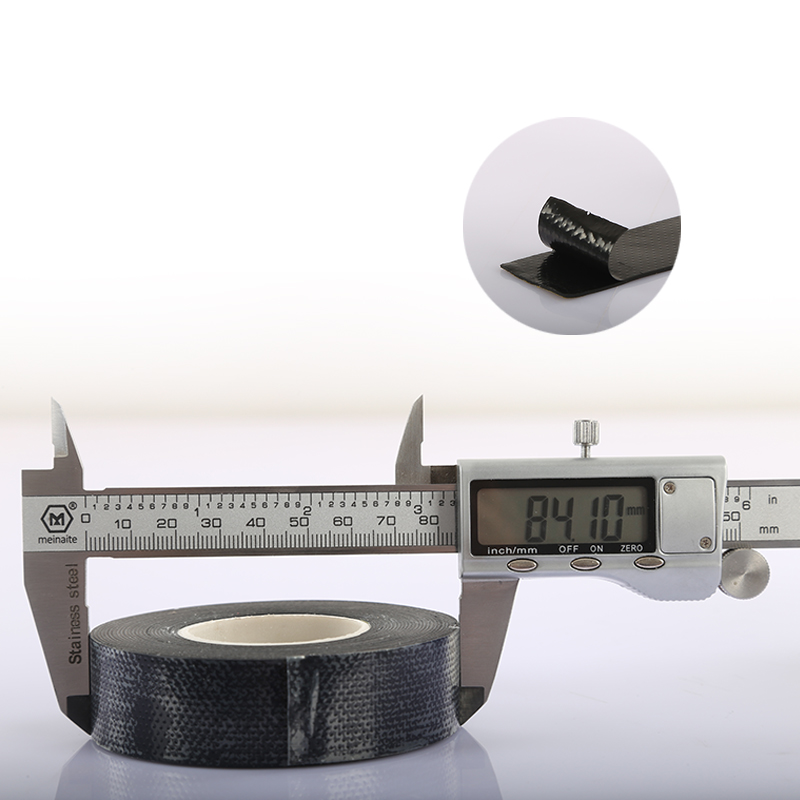
| Thickness | ≈0.5–0.76 mm options |
| Widths | 19/25/38 mm; custom slitting available |
| Elongation (ASTM D412) | ≈800% |
| Tensile (ASTM D412) | ≈3.5 MPa |
| Dielectric strength (ASTM D149) | ≈20 kV/mm |
| Service temp | -40 to 90 °C continuous; short-term ≈130 °C |
| UV/Ozone | Pass D1149; ISO 4892-2 exposure—no cracking (internal) |
| Compliance | RoHS/REACH declarations available |
Where it fits in sealing work
- Door threshold cable pass-throughs and sensor leads—wrap to create a water-shed before the weather stripping door seal strip.
- Cold-room doors: insulate and seal heater wires at hinges.
- Marine hatches and coastal facilities: ozone and salt-spray edge wraps (supplemental to primary gasket).
- EV/rail doors: harness exits where foam gaskets fatigue.
- Outdoor telecom cabinets near access doors.
Process flow, testing, and service life
Compounding → calendaring → controlled cure → precision slitting → cleanliness check → self-fusion performance check. QA includes dielectric breakdown (ASTM D149), tensile/elongation (ASTM D412), ozone (ASTM D1149), UV aging (ISO 4892-2), and adhesive self-amalgamation time. Field life? Around 5–10 years in temperate climates, longer when shielded from full sun; as always, installation quality matters a lot.
Vendor snapshot (quick compare)
| Vendor | Qiangda Tape (XF_WCC) | Vendor A | Vendor B |
| Origin | Tongling, Anhui, China | Imported | Domestic/Imported |
| ISO 9001 | Yes (per company) | Likely | Yes |
| Lead time | ≈7–15 days | ≈20–30 days | ≈10–20 days |
| Custom widths/print | Yes | Limited | Yes |
| Compliance docs | RoHS/REACH on request | Varies | Varies |
Mini case notes
Cold-storage retrofit: Installer wrapped hinge-side heater wires and sensor leads; interfaces to the weather stripping door seal strip stopped frosting. Site reported ≈12% lower infiltration on blower-door follow-up—modest but noticeable.
Coastal telecom cabinet: After a typhoon season, maintenance logs showed no moisture inside the door harness area; ozone cracking was absent at 9 months (spot check). I guess that’s the UV/ozone chemistry doing its job.
Customization tips
Specify width to match cable OD or gap width; choose 0.5 vs 0.76 mm based on build speed and required wrap count. For doors, a neat taper wrap gives a cleaner hand-off to the weather stripping door seal strip. Ask for batch test data (ASTM/ISO) and UV exposure reports; on large projects, I also request salt-fog snapshots (ASTM B117) for coastal work.
Citations
- ASTM D149 – Standard Test Method for Dielectric Breakdown Voltage and Dielectric Strength.
- ASTM D412 – Standard Test Methods for Vulcanized Rubber and Thermoplastic Elastomers—Tension.
- ASTM D1149 – Rubber Deterioration—Surface Ozone Cracking in a Chamber.
- ISO 4892-2 – Plastics—Methods of exposure to laboratory light sources—Xenon-arc.
- UL 510 – Standard for Polyvinyl Chloride, Polyethylene, and Rubber Insulating Tape.
- U.S. DOE Weatherization Guidance—Air Sealing and Infiltration Basics.
-
Industrial Fire Proof Tape Guide for High Temperature ProtectionNewsApr.16,2026
-
Ultimate Guide to Fireproof Tape Protection and ApplicationsNewsApr.09,2026
-
Exploring Black Tack Butyl Applications and Benefits for Optimal SealingNewsApr.07,2026
-
Comprehensive Guide to Black Butyl Rubber Tape Applications and BenefitsNewsApr.04,2026
-
Comprehensive Guide to High Power Butyl Waterproof Tape ApplicationsNewsMar.31,2026
-
Comprehensive Guide to 360tronics Butyl Waterproof Tape for Airtight and Watertight SealsNewsMar.28,2026