
Ultimate Guide to Fireproof Tape: Protection and Applications
In high-temperature industrial environments, the difference between a minor incident and a catastrophic failure often comes down to the materials used for insulation and sealing. fireproof tape serves as a critical line of defense, designed to withstand extreme heat and prevent the spread of flames. Whether you are managing an automotive assembly line, an aerospace project, or electrical installations, choosing a high-performance heat-resistant adhesive is non-negotiable for safety and compliance. This guide will explore the technical nuances of these tapes and how to select the right one for your specific needs.
What Exactly is Fireproof Tape?
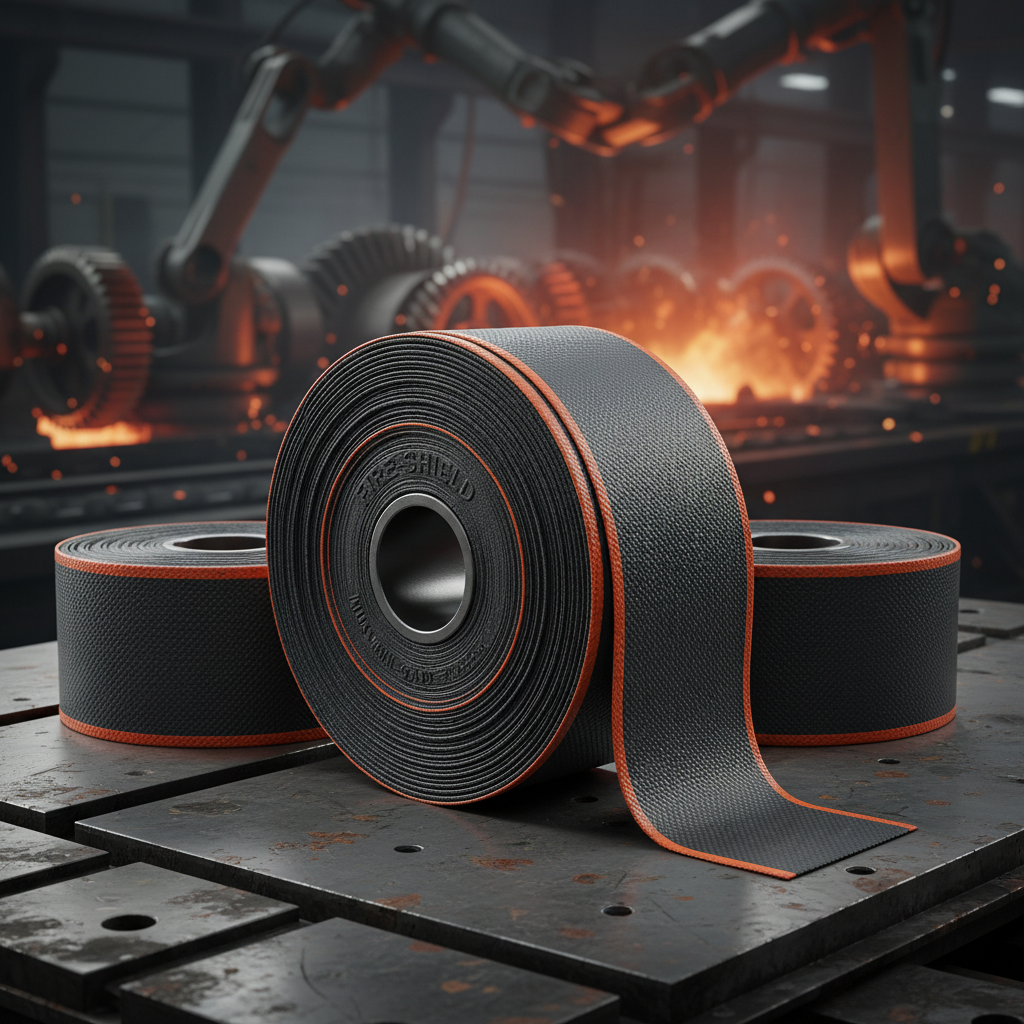
At its core, fireproof tape is a specialized adhesive product engineered from materials like fiberglass, silicone, or PTFE (Teflon) that do not ignite or melt easily when exposed to open flames or intense heat. Unlike standard electrical tapes that may shrink or emit toxic fumes when heated, these professional-grade tapes maintain their structural integrity. They are typically used to wrap wires, seal joints in furnaces, or protect sensitive components from thermal radiation. By creating a thermal barrier, they effectively slow down the heat transfer process, protecting the underlying substrate from damage.
Pro Tip: Always check the temperature rating of the tape. A "heat-resistant" tape may withstand 200°C, whereas a true fireproof tape can often handle temperatures exceeding 1000°C depending on the material.
Key Materials Used in Fireproof Tape Production
Not all fire-resistant tapes are created equal. The effectiveness of the tape depends heavily on its base material and the type of adhesive used. For instance, fiberglass is prized for its incredible strength and high melting point, making it ideal for exhaust wraps. Silicone-based tapes are preferred for their flexibility and resistance to moisture and chemicals. Meanwhile, PTFE tapes offer a low-friction surface combined with excellent thermal stability. Understanding these materials allows engineers to match the tape to the environmental stressors of the job site, ensuring long-term durability and safety.
Common Material Benefits:
• Fiberglass: Exceptional heat resistance and mechanical strength.
• Silicone: Flexible, water-repellent, and stable at moderate-to-high heat.
• PTFE: Non-stick properties and high chemical resistance.
• Aluminum Foil: Reflects radiant heat away from the surface.
Comparing Fireproof Tape Types and Performance
When selecting the right fireproof tape, it is essential to compare the technical specifications. A tape used for wrapping a turbocharger requires different properties than a tape used for sealing a high-temperature oven. The following table provides a clear comparison between the most common types of fire-resistant tapes used in modern industry, highlighting their temperature limits and primary use cases.
Practical Applications of Fireproof Tape in Industry
The versatility of fireproof tape makes it indispensable across various sectors. In the automotive industry, it is used to wrap manifolds and exhaust systems to reduce engine bay temperatures and improve efficiency. In electrical engineering, these tapes are used to insulate high-voltage cables that may generate significant heat during peak loads. Additionally, the aerospace sector utilizes specialized heat-resistant tapes for wiring looms near engines where failure is not an option. By applying these tapes, companies can significantly reduce the risk of electrical fires and equipment meltdown.
Technical Specifications for High-Grade Fireproof Tape
When procuring tapes for industrial use, relying on a "general" description is insufficient. You must look for specific technical data sheets. The quality of a fireproof tape is measured by its tensile strength, its adhesion level at high temperatures, and its certification (such as UL or EN standards). A high-grade tape should not only resist burning but also maintain its grip on the surface despite thermal expansion and contraction. Below are the standard technical specifications you will find in our professional product line:
How to Properly Apply Fireproof Tape for Maximum Efficacy
The best fireproof tape can still fail if the application process is flawed. First, ensure the surface is completely clean and free of oil, grease, or dust; use a degreasing agent if necessary. When wrapping cables or pipes, apply the tape with a slight tension to ensure a tight fit, but avoid over-stretching, which can thin the material. For maximum protection, an overlapping wrap of 50% is recommended. This ensures that there are no gaps where heat can leak through. Finally, allow the adhesive to cure for the manufacturer-recommended time before subjecting the component to extreme temperatures.
Conclusion: Enhancing Safety with Fireproof Tape
Investing in a high-quality fireproof tape is an essential step in risk management for any industrial operation. From preventing electrical fires to protecting critical engine components, the right tape provides peace of mind and operational continuity. By understanding the material differences and following strict application guidelines, you can ensure your facility remains safe and compliant with international fire safety standards. Prioritize quality over cost when it comes to heat protection.
Frequently Asked Questions (FAQs)
Can fireproof tape be used for residential purposes?
Yes, while primarily designed for industrial use, fireproof tape can be used in residential settings, such as wrapping fireplace chimneys or insulating home-based workshop equipment. However, users should ensure they are using a product that is non-toxic and does not emit harmful fumes when heated. Always follow the specific installation guides provided by the manufacturer to ensure the tape is used safely in a home environment.
What is the difference between heat-resistant and fireproof tape?
Heat-resistant tape is designed to withstand a specific temperature range without melting or losing its adhesive properties, but it may still burn if exposed to an open flame. In contrast, fireproof tape is engineered to resist ignition and often self-extinguishes once the flame source is removed. For critical safety applications where fire is a real risk, fireproof tape is the only appropriate choice.
How long does fireproof tape typically last?
The lifespan of the tape depends on the environmental conditions. In stable temperature environments, high-quality fiberglass or silicone tapes can last for several years. However, if the tape is subjected to constant "thermal cycling" (rapid heating and cooling), the material may eventually fatigue. We recommend inspecting your heat shielding every 6 to 12 months for signs of fraying, discoloration, or adhesive failure to ensure continued protection.
Is fireproof tape waterproof?
It depends on the material. Silicone-based fireproof tape is naturally water-repellent and offers excellent protection in damp environments. Fiberglass tapes, however, can absorb moisture if not coated. If your application requires both fire and water resistance, we recommend a silicone-coated fiberglass tape, which combines the heat strength of glass with the waterproof properties of silicone.
-
Industrial Fire Proof Tape Guide for High Temperature ProtectionNewsApr.16,2026
-
Ultimate Guide to Fireproof Tape Protection and ApplicationsNewsApr.09,2026
-
Exploring Black Tack Butyl Applications and Benefits for Optimal SealingNewsApr.07,2026
-
Comprehensive Guide to Black Butyl Rubber Tape Applications and BenefitsNewsApr.04,2026
-
Comprehensive Guide to High Power Butyl Waterproof Tape ApplicationsNewsMar.31,2026
-
Comprehensive Guide to 360tronics Butyl Waterproof Tape for Airtight and Watertight SealsNewsMar.28,2026