
Choosing the Right Sealing Tape for Water Leaks: A Comprehensive Guide
Water leaks can cause significant damage to homes and businesses, leading to costly repairs and potential health hazards. Selecting the appropriate sealing tape for water leaks is crucial for effective and long-lasting solutions. This article will delve into the various types of sealing tapes available, their applications, key considerations for choosing the right tape, and provide helpful resources to ensure you make an informed decision. From emergency repairs to preventative maintenance, understanding your options can save you time, money, and headaches.
Understanding Different Types of Sealing Tape for Water Leaks
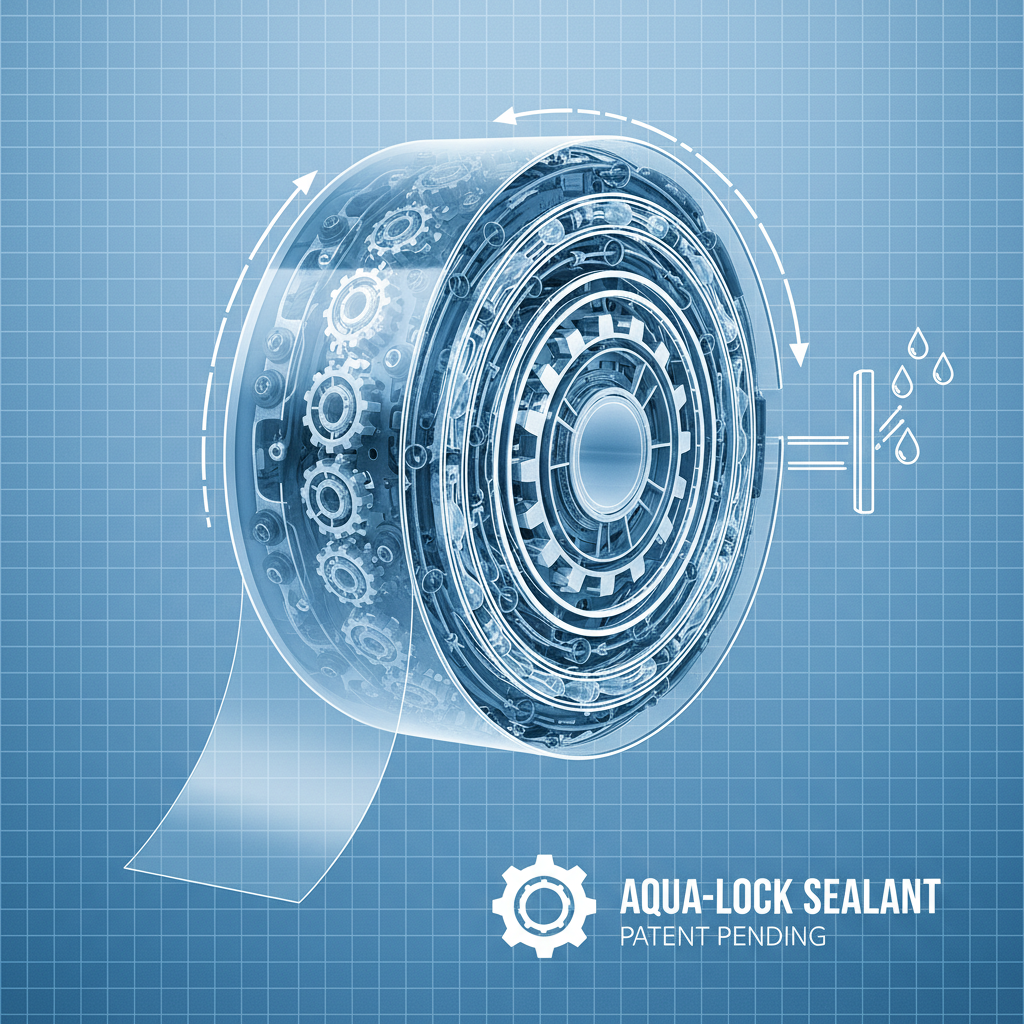
The market offers a diverse range of sealing tapes designed to tackle water leaks. These include butyl rubber tape, aluminum foil tape, silicone tape, and specialized waterproof tapes. Each type possesses unique properties, making them suitable for specific applications. Butyl rubber tape is known for its strong adhesion and flexibility, ideal for sealing joints and seams. Aluminum foil tape offers excellent heat and moisture resistance, often used in HVAC systems. Silicone tape provides a durable, waterproof seal and can withstand extreme temperatures. Choosing the right material depends on the surface being sealed, the severity of the leak, and environmental conditions.
Key Considerations: Material compatibility, temperature range, UV resistance, and adhesion strength are all critical factors when selecting a sealing tape.
Common Applications for Waterproof Sealing Tape
Water leak sealing tapes find wide application in various scenarios. Common uses include repairing roof leaks, sealing around pipes and windows, patching cracks in foundations, and waterproofing seams in gutters and downspouts. They are also essential for marine applications, such as sealing boat hulls and deck fittings. DIY homeowners and professional contractors alike rely on these tapes for quick, effective, and affordable leak solutions. Regular inspection and preventative application of sealing tape can significantly prolong the life of building materials and prevent costly water damage.
Application Areas:
• Roof Repairs
• Pipe Sealing
• Window & Door Waterproofing
• Foundation Crack Repair
Comparing Popular Sealing Tape for Water Leaks: A Detailed Look
Selecting the best tape requires careful comparison. Here’s a table outlining the key features of some commonly used options:
Choosing the Right Tape from Qiangda Tape
At Qiangda Tape, we offer a comprehensive selection of sealing tape for water leaks to meet diverse needs. Our tapes are manufactured using high-quality materials and undergo rigorous testing to ensure reliable performance. We provide detailed product specifications and expert advice to help you choose the optimal tape for your specific application. Whether you’re tackling a minor household leak or a large-scale industrial project, we have the solution you need.
Proper Application for Long-Lasting Results
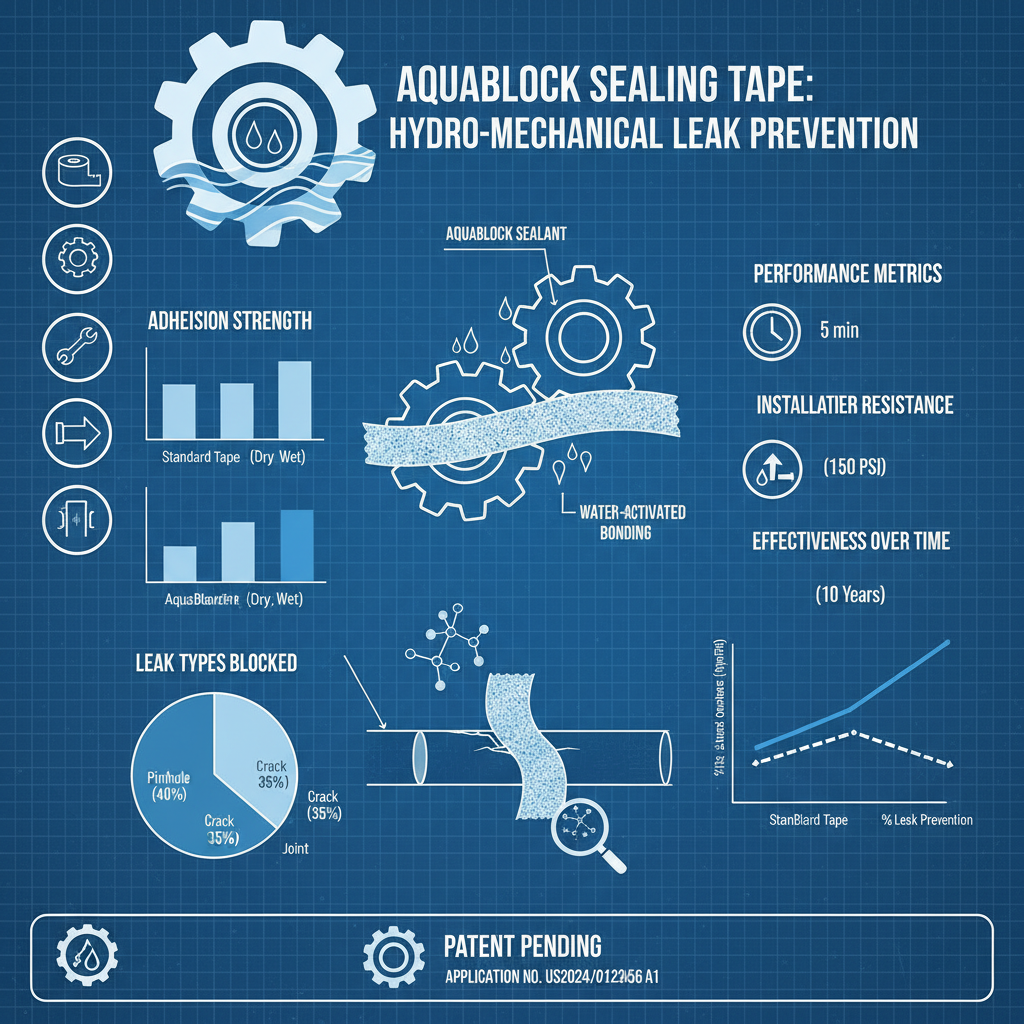
Effective application is just as important as selecting the right tape. Before applying any tape, ensure the surface is clean, dry, and free of debris. Remove any existing loose materials or old sealant. Apply the tape smoothly and firmly, ensuring a complete seal without air bubbles or wrinkles. For optimal adhesion, apply even pressure across the entire surface. Consider using a roller or squeegee to ensure a secure bond. Following these simple steps will maximize the tape's effectiveness and prolong its lifespan.
Conclusion: Protect Your Property with the Right Seal
Choosing the right sealing tape for water leaks is a critical step in protecting your property from costly damage. By understanding the different types of tapes available and following proper application techniques, you can effectively address water leaks and prevent future issues. Explore our wide range of high-quality tapes at Qiangda Tape and ensure a lasting, watertight seal.
Frequently Asked Questions (FAQs)
What is the difference between butyl rubber tape and silicone tape?
Both butyl rubber tape and silicone tape are excellent choices for sealing water leaks, but they have different strengths. Butyl rubber tape excels in adhesion and flexibility, making it ideal for surfaces that expand and contract. It is also more cost-effective. Silicone tape, on the other hand, offers superior heat resistance and a longer lifespan, making it suitable for more demanding applications and environments. Silicone is also more resistant to UV degradation. The best choice depends on the specific application and the conditions it will be exposed to.
Can sealing tape be used on wet surfaces?
While some tapes offer temporary adhesion to slightly damp surfaces, it’s generally recommended to apply sealing tape to a clean, dry surface for optimal results. Moisture can interfere with the adhesive’s ability to create a strong, long-lasting bond. If you need to make an emergency repair on a wet surface, thoroughly dry the area as much as possible before applying the tape. For a permanent fix, ensure the surface is completely dry and clean.
How long will sealing tape last?
The lifespan of sealing tape varies depending on the type of tape, the quality of the application, and the environmental conditions. Generally, high-quality tapes can last for several years when properly applied and protected from direct sunlight and extreme temperatures. However, regular inspection is recommended to identify any signs of wear and tear, such as cracking or peeling. Replace the tape if it shows any damage to ensure continued protection against water leaks.
What is the best way to remove old sealing tape?
Removing old sealing tape can be challenging. Start by gently peeling back the edges of the tape. If it's difficult to remove, use a heat gun or hairdryer on a low setting to soften the adhesive. Be careful not to overheat the surface. You can also use a solvent specifically designed for adhesive removal, following the manufacturer’s instructions carefully. After removing the tape, clean the surface thoroughly to remove any remaining residue before applying new tape.
-
Industrial Fire Proof Tape Guide for High Temperature ProtectionNewsApr.16,2026
-
Ultimate Guide to Fireproof Tape Protection and ApplicationsNewsApr.09,2026
-
Exploring Black Tack Butyl Applications and Benefits for Optimal SealingNewsApr.07,2026
-
Comprehensive Guide to Black Butyl Rubber Tape Applications and BenefitsNewsApr.04,2026
-
Comprehensive Guide to High Power Butyl Waterproof Tape ApplicationsNewsMar.31,2026
-
Comprehensive Guide to 360tronics Butyl Waterproof Tape for Airtight and Watertight SealsNewsMar.28,2026