
Understanding the Versatility of Waterproof Sealant Butyl Rubber Tape
When tackling projects requiring a robust and reliable seal, waterproof sealant butyl rubber tape stands out as a superior solution. Known for its exceptional adhesion, flexibility, and long-lasting performance, this tape is a staple in various industries, from construction and automotive to HVAC and marine applications. This article dives deep into the properties, benefits, applications, and specifications of butyl rubber tape, providing a comprehensive guide for professionals and DIY enthusiasts alike. Choosing the right sealing solution is critical for the longevity and integrity of your projects, and butyl rubber tape delivers exceptional value.
Key Properties of Butyl Rubber Tape
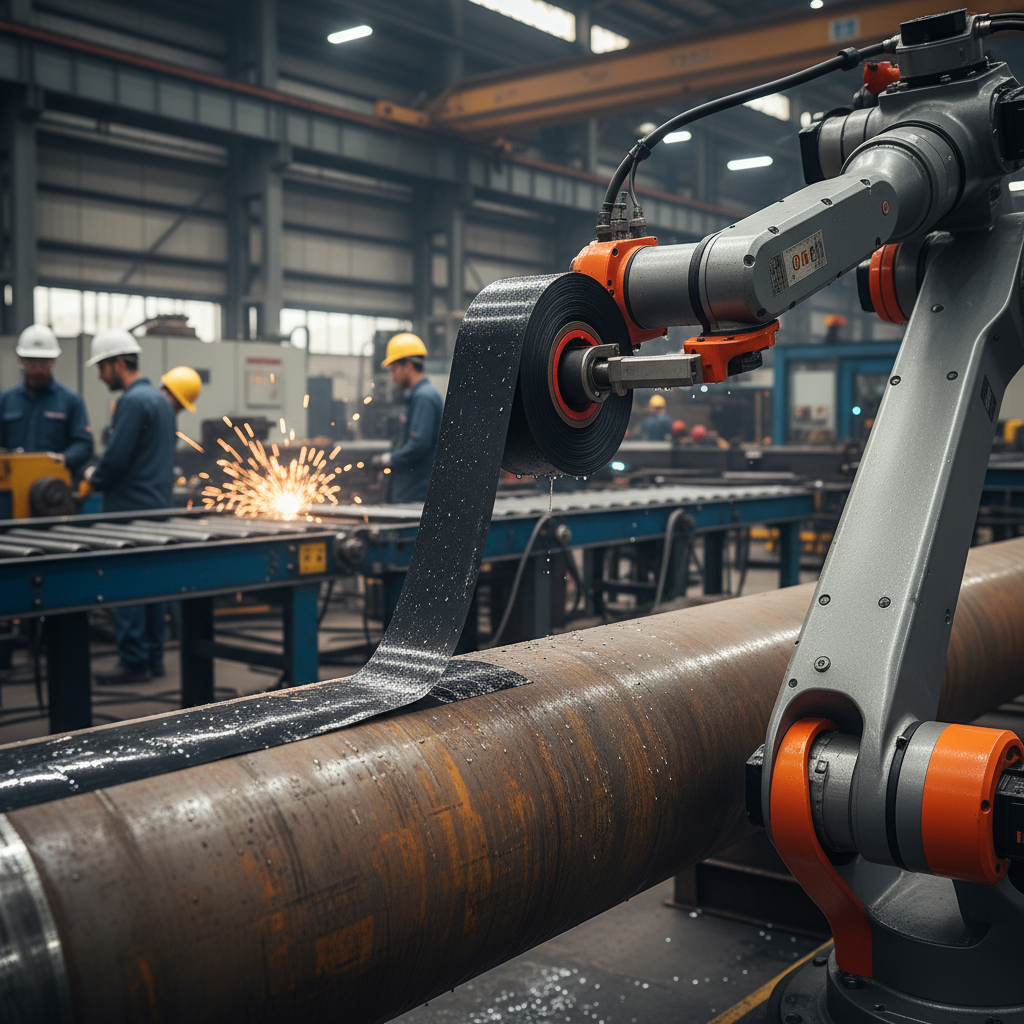
Butyl rubber tape is a synthetic rubber known for its impressive impermeability to air and moisture. This is due to its unique molecular structure, which creates a highly stable and non-porous barrier. It exhibits excellent resistance to weathering, aging, and chemical degradation, ensuring long-term reliability. Furthermore, butyl rubber tape remains flexible over a wide temperature range, accommodating expansion and contraction without cracking or losing its seal. Its self-fusing properties mean that when applied under pressure, the tape bonds to itself, creating a watertight and airtight seal. The inherent tackiness of butyl rubber eliminates the need for primers in many applications, simplifying the installation process. You can find more details on Qiangda Tape's website.
Key Highlights: Excellent adhesion, waterproof and airtight seal, resistance to weathering and chemicals, and remains flexible across temperature changes.
Butyl Rubber Tape Applications: A Wide Range of Uses
The versatility of waterproof sealant butyl rubber tape extends to a multitude of applications. In construction, it's used for sealing roof seams, flashing, and around windows and doors. The automotive industry utilizes it for sealing body panels, repairing leaks, and protecting against corrosion. HVAC applications include sealing ductwork, joining insulation, and preventing air leakage. Marine environments benefit from its resistance to saltwater and UV exposure, making it ideal for sealing hulls and deck fittings. Other applications include sealing solar panel frames, RV roof repairs, and creating watertight enclosures for electrical components. Its ability to conform to irregular surfaces makes it a preferred choice for challenging sealing tasks.
Common Application Areas:
• Roofing and Flashing
• Automotive Body Sealing
• HVAC Ductwork Sealing
• Marine Hull and Deck Sealing
Butyl Rubber Tape vs. Other Sealants: A Comparative Analysis
While numerous sealants are available, butyl rubber tape often outperforms alternatives in specific applications. Compared to silicone sealants, butyl rubber offers superior adhesion to a wider range of surfaces and exhibits better resistance to UV degradation. Acrylic sealants, while cost-effective, generally lack the long-term durability and waterproof properties of butyl rubber. Polyurethane sealants provide excellent strength but can be more difficult to apply and may not be as flexible. Butyl rubber tape’s unique combination of properties – flexibility, adhesion, waterproofness, and longevity – makes it a cost-effective solution in the long run. Explore Qiangda Tape's range of butyl rubber tapes to find the perfect fit for your needs.
Choosing the Right Butyl Rubber Tape: Specifications and Considerations
Butyl rubber tape comes in various thicknesses, widths, and with different backing materials (e.g., cloth, film, aluminum). Selecting the appropriate tape depends on the specific application. Thicker tapes offer greater sealing capabilities, while wider tapes cover larger areas more efficiently. Consider the substrate material – some tapes offer better adhesion to certain surfaces. The operating temperature range and expected exposure to chemicals are also important factors. Qiangda Tape offers a range of specifications to meet diverse project requirements.
Conclusion: The Reliable Sealing Power of Butyl Rubber Tape
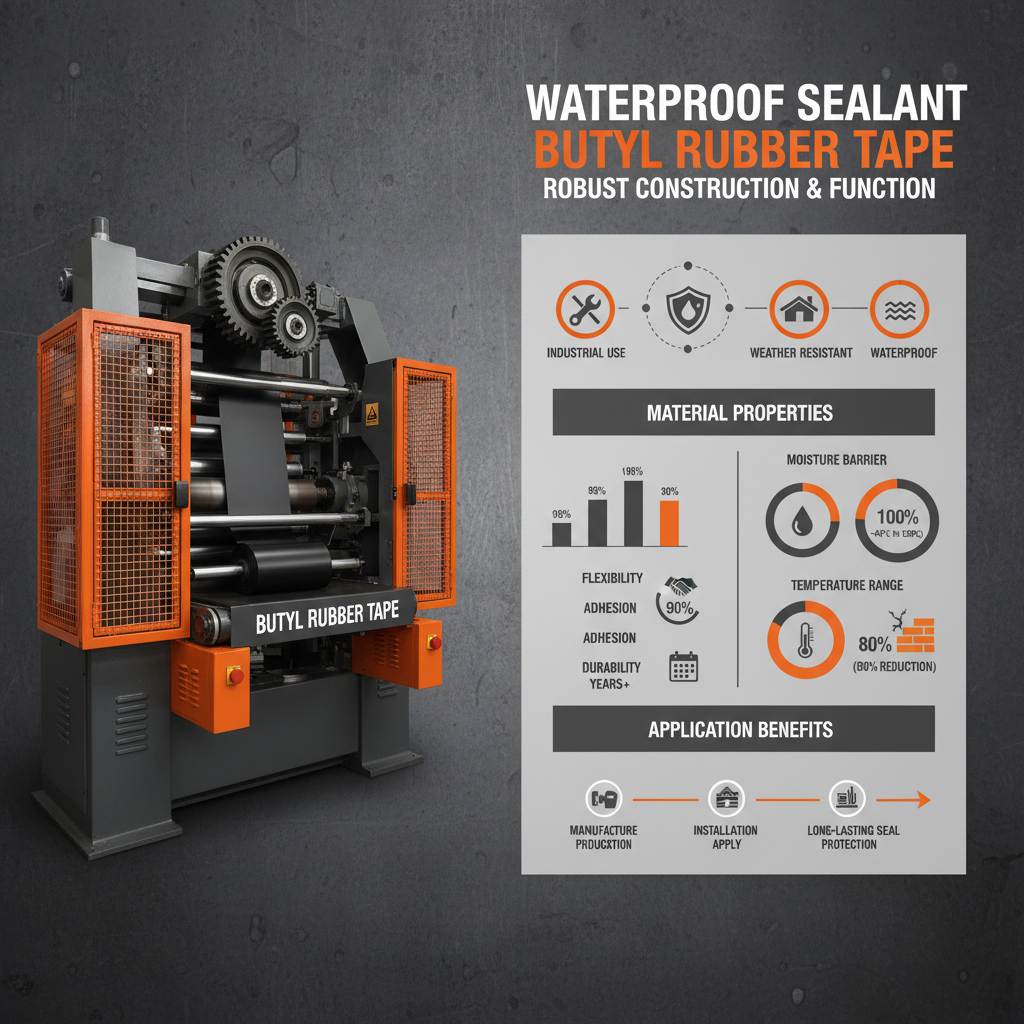
Investing in high-quality waterproof sealant butyl rubber tape is a smart choice for ensuring the long-term integrity and performance of your projects. Its exceptional properties, versatility, and cost-effectiveness make it a preferred solution across numerous industries. Don’t compromise on sealing – choose butyl rubber tape for a reliable and durable result.
Frequently Asked Questions (FAQs)
How do I properly apply butyl rubber tape?
Proper application is crucial for optimal performance. Ensure the surface is clean, dry, and free from any contaminants like dust, oil, or grease. Remove the release liner and carefully apply the tape, applying firm and even pressure as you go. Avoid stretching the tape during application, as this can compromise its sealing properties. For complex shapes or corners, consider using a roller to ensure complete adhesion. Overlapping the tape slightly can create a more robust seal. Always refer to the manufacturer’s instructions for specific recommendations.
What temperature range can butyl rubber tape withstand?
Most butyl rubber tapes can withstand a wide temperature range, typically from -40°C to +80°C (-40°F to +176°F). However, specific temperature limits may vary depending on the tape’s formulation and backing material. It's important to check the product specifications before using the tape in extreme temperature conditions. Prolonged exposure to temperatures outside the recommended range may affect the tape's adhesion and performance.
Is butyl rubber tape resistant to chemicals?
Butyl rubber exhibits excellent resistance to a wide range of chemicals, including acids, alkalis, and solvents. However, it's not universally resistant to all chemicals. Exposure to strong oxidizing agents or certain aromatic hydrocarbons may cause degradation. Always consult the product specifications to determine the tape’s compatibility with the specific chemicals it will encounter in its intended application.
Can butyl rubber tape be painted over?
Yes, butyl rubber tape can generally be painted over, but proper surface preparation is essential. Ensure the tape is fully cured and clean before applying paint. Using a primer specifically designed for rubber surfaces can improve paint adhesion. Avoid using paints that contain strong solvents, as these may damage the tape. Water-based acrylic paints are generally a good choice. Test a small area first to ensure compatibility.
-
Industrial Fire Proof Tape Guide for High Temperature ProtectionNewsApr.16,2026
-
Ultimate Guide to Fireproof Tape Protection and ApplicationsNewsApr.09,2026
-
Exploring Black Tack Butyl Applications and Benefits for Optimal SealingNewsApr.07,2026
-
Comprehensive Guide to Black Butyl Rubber Tape Applications and BenefitsNewsApr.04,2026
-
Comprehensive Guide to High Power Butyl Waterproof Tape ApplicationsNewsMar.31,2026
-
Comprehensive Guide to 360tronics Butyl Waterproof Tape for Airtight and Watertight SealsNewsMar.28,2026