
Understanding 1 1/4 in x 40 ft Butyl Rubber Sealant Tape for Effective Sealing
When it comes to reliable sealing solutions for a variety of applications, 1 1/4 in x 40 ft butyl rubber sealant tape stands out as a versatile and durable option. This tape is designed to provide a watertight and airtight seal, preventing leaks and protecting against environmental factors. Whether you're in the construction, automotive, or RV industry, understanding the benefits and applications of this product is crucial. We’ll explore its properties, uses, and why it's a preferred choice for many professionals.
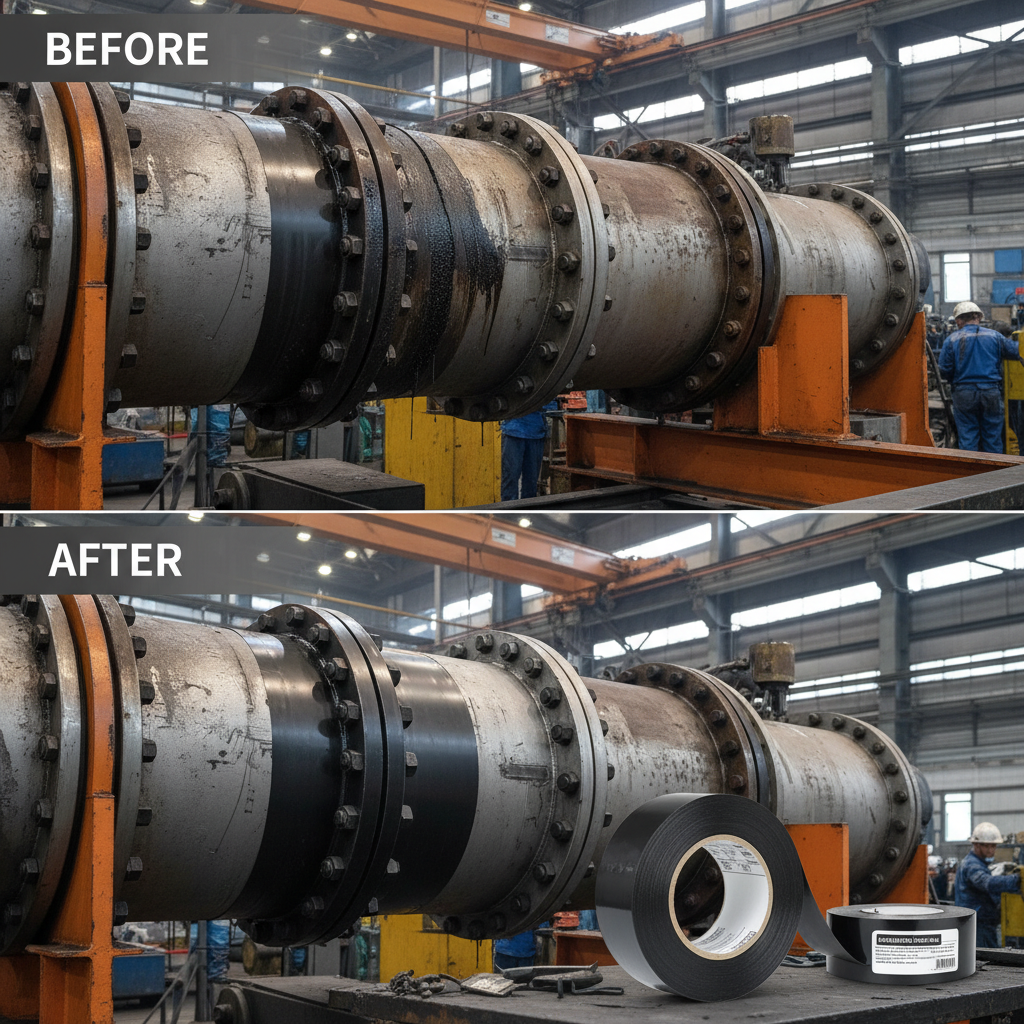
Key Properties of Butyl Rubber Sealant Tape
Butyl rubber is a synthetic rubber known for its excellent impermeability to air and moisture. 1 1/4 in x 40 ft butyl rubber sealant tape leverages these properties to deliver exceptional sealing performance. It's highly flexible, allowing it to conform to irregular surfaces, and it remains pliable over a wide temperature range. This tape is also UV resistant, meaning it won't degrade quickly when exposed to sunlight. Furthermore, butyl rubber is chemically stable and resists aging, ensuring a long-lasting seal. Its strong adhesive backing provides a secure bond to various substrates, including metal, plastic, and wood.
Key Highlights: Highly flexible, excellent impermeability, UV resistance, strong adhesive backing, chemically stable.
Applications of 1 1/4 in x 40 ft Butyl Rubber Sealant Tape
The applications for this tape are incredibly diverse. In the construction industry, it's commonly used for sealing seams in roofing, windows, and doors. Automotive applications include sealing gaps and joints in body panels and around windshields. RV enthusiasts utilize it to seal seams and prevent water intrusion in their vehicles. It's also ideal for HVAC systems, sealing ductwork and preventing air leaks. Beyond these, it finds use in marine applications, industrial equipment, and DIY projects requiring a reliable, weatherproof seal. Essentially, anywhere a watertight or airtight seal is needed, this tape can provide a solution.
Common Applications:
• Roofing Seams
• Window and Door Sealing
• Automotive Body Panels
• RV Sealing
Butyl Rubber vs. Other Sealant Tapes: A Comparison
While several sealant tapes are available, butyl rubber distinguishes itself through its superior properties. Compared to acrylic tapes, butyl rubber offers better resistance to UV radiation and moisture. Silicone tapes, while also waterproof, typically have a higher cost and can be more difficult to apply. Foam tapes provide cushioning but lack the same level of airtight and watertight sealing. 1 1/4 in x 40 ft butyl rubber sealant tape strikes a balance between performance, durability, and cost-effectiveness, making it a preferred choice for many applications.
Proper Application Techniques
For optimal results, ensure the surface is clean, dry, and free from debris before applying 1 1/4 in x 40 ft butyl rubber sealant tape. Remove any release liner and carefully apply the tape, ensuring a smooth and even contact with the surface. Apply firm pressure to activate the adhesive. For larger areas or complex shapes, consider using a roller to ensure complete adhesion. Avoid stretching the tape excessively during application, as this can compromise its sealing properties.
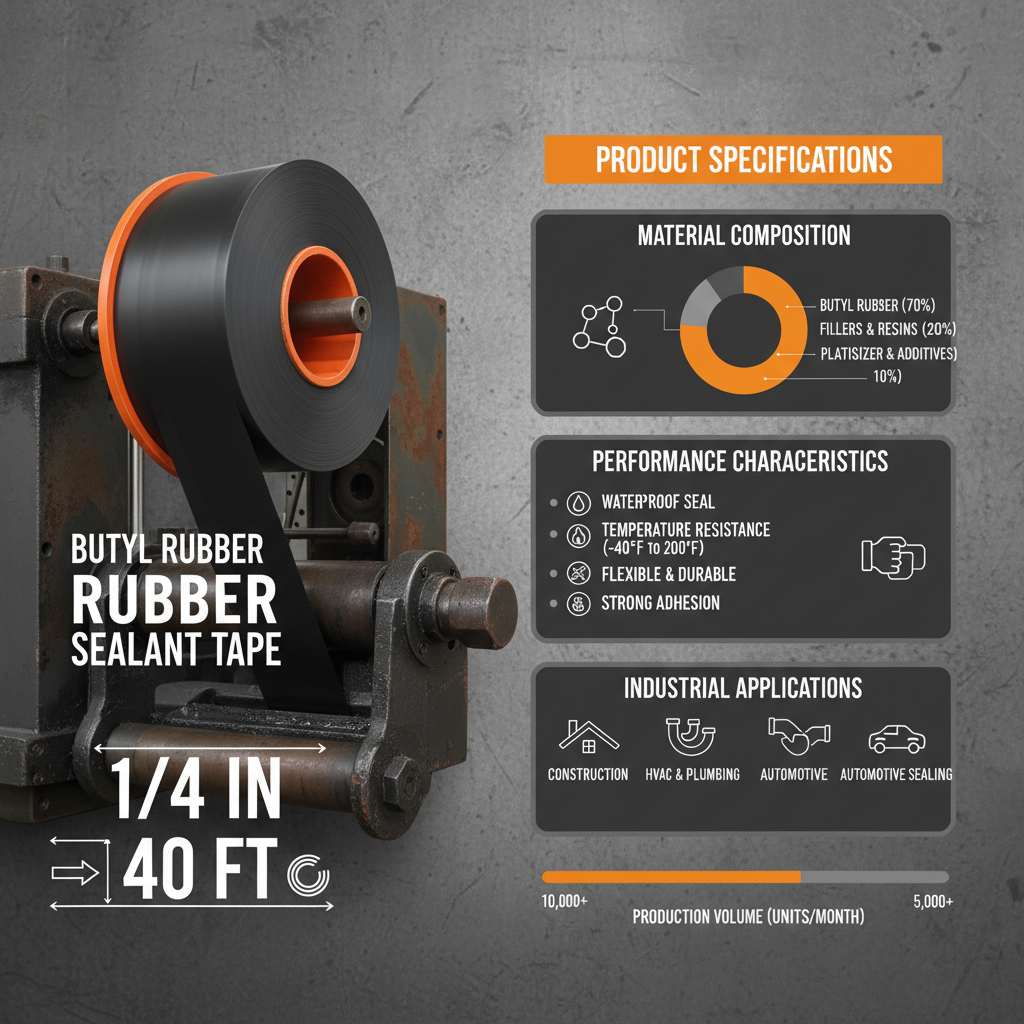
Product Specifications and Available Options
1 1/4 in x 40 ft butyl rubber sealant tape is typically available in a standard width of 1.25 inches (approximately 32mm) and a length of 40 feet (approximately 12 meters). The thickness varies depending on the manufacturer, but commonly ranges from 0.04 to 0.06 inches. Some manufacturers offer variations with different adhesive strengths or color options. When selecting a product, consider the specific requirements of your application and choose a tape that meets those needs.
Conclusion: A Reliable Solution for Effective Sealing
1 1/4 in x 40 ft butyl rubber sealant tape is a versatile and reliable solution for a wide range of sealing applications. Its superior properties, including excellent water resistance, UV resistance, and flexibility, make it a preferred choice for professionals and DIY enthusiasts alike. By understanding its benefits and proper application techniques, you can ensure a long-lasting and effective seal for your projects.
Frequently Asked Questions (FAQs)
What surfaces can butyl rubber tape adhere to?
Butyl rubber tape adheres well to a variety of surfaces, including metal, plastic, wood, glass, and concrete. However, surface preparation is crucial for optimal adhesion. Ensure the surface is clean, dry, and free from dust, oil, and loose particles. For porous surfaces, a primer may be recommended to enhance adhesion. Always test a small area first to confirm compatibility.
Can butyl tape be used in extreme temperatures?
Butyl rubber maintains its flexibility and sealing properties over a wide temperature range, typically from -20°F to 176°F (-29°C to 80°C). However, prolonged exposure to extreme temperatures or direct sunlight may eventually degrade the tape's adhesive properties. For applications involving very high or low temperatures, consult the manufacturer's specifications to ensure compatibility.
Is butyl rubber tape paintable?
Generally, butyl rubber tape can be painted, but it’s recommended to use a paint specifically designed for plastic or rubber surfaces. Before painting, ensure the tape is thoroughly clean and dry. A primer may be necessary to promote better paint adhesion. It's best to test a small, inconspicuous area first to ensure the paint adheres properly and doesn’t damage the tape.
-
Industrial Fire Proof Tape Guide for High Temperature ProtectionNewsApr.16,2026
-
Ultimate Guide to Fireproof Tape Protection and ApplicationsNewsApr.09,2026
-
Exploring Black Tack Butyl Applications and Benefits for Optimal SealingNewsApr.07,2026
-
Comprehensive Guide to Black Butyl Rubber Tape Applications and BenefitsNewsApr.04,2026
-
Comprehensive Guide to High Power Butyl Waterproof Tape ApplicationsNewsMar.31,2026
-
Comprehensive Guide to 360tronics Butyl Waterproof Tape for Airtight and Watertight SealsNewsMar.28,2026