Look, I’ve spent the last fifteen years knee-deep in dust and concrete, watching things get built—and sometimes, watching them fall apart. And if there’s one thing I’ve learned, it’s that you can’t cut corners on the basics. That’s where high tension tape comes in. It’s not glamorous, it doesn’t get a mention in the architect’s plans, but it’s the quiet workhorse that keeps everything aligned, secure, and on schedule. You’d be surprised how often a small failure in holding something steady leads to massive headaches down the line.
I’ve seen crews lose hours – even days – because of tape that just doesn't hold under pressure or in harsh weather. Forget about complex systems, if you don’t have reliable adhesion, the whole thing unravels. We need materials that can stand up to the jobsite, not something that peels and flakes the first time it gets rained on. High tension tape isn’t just a product; it's about minimizing risk, keeping everyone safe, and making sure the project stays within budget.
Honestly, a lot of the stuff out there is just marketing fluff. I’m not interested in buzzwords, I’m interested in performance. I need a tape that can handle the weight, the weather, the abuse a construction site throws at it. It's about more than just sticking two things together, it’s about creating a temporary, yet robust, bond that you can depend on.
The Core Value of High Tension Tape
At its heart, high tension tape is about temporary stability. It’s that crucial element that allows us to hold things in place during the build – ensuring precise alignment, providing support before permanent fixtures are installed, and protecting surfaces during the process. It's less about the tape itself, and more about what it enables. Without it, you’re constantly fighting against gravity and misalignment.
We often overlook these seemingly minor components, but they’re the difference between a smooth, efficient build and a frustrating, error-prone one. It’s not just about keeping things stuck; it's about maintaining quality control and preventing costly mistakes.
Understanding High Tension Tape in Modern Construction
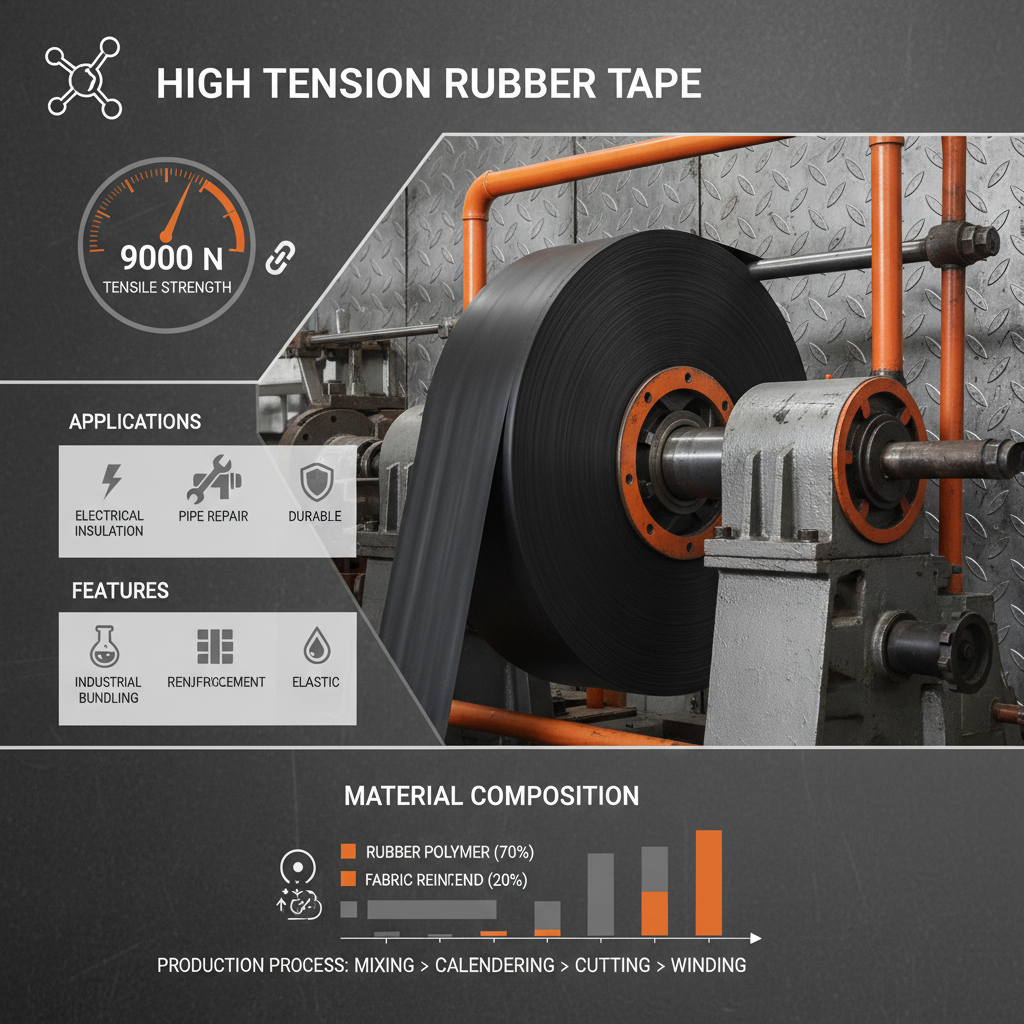
Today's construction projects demand materials that are multi-functional and adaptable. High tension tape has evolved to meet these demands. It’s no longer just about basic adhesion; it’s about resistance to UV exposure, temperature fluctuations, and even certain chemicals. Modern formulations incorporate stronger adhesives and more durable backing materials.
The rise of prefabrication and modular construction has also increased the reliance on high-quality tapes. When components are built off-site and assembled on location, that temporary bond needs to be exceptionally strong. Think about holding steel frames together during welding, or securing panels before permanent fasteners are applied – the tape is taking on critical structural responsibility.
We are seeing more and more specialized tapes tailored for specific applications – tapes designed for concrete bonding, tapes with increased heat resistance, even tapes that leave minimal residue upon removal. It’s a sign of the industry recognizing the importance of these seemingly small details.
Key Factors: What Makes High Tension Tape Reliable
First and foremost, it's about the adhesive. You need something that will create a strong, immediate bond and maintain that strength over time, even under stress. The type of adhesive – acrylic, rubber-based, or silicone – will depend on the specific application and the materials being joined.
Next is the backing material. Cloth, film, or even woven fabrics all offer different levels of tensile strength and tear resistance. A stronger backing means the tape can withstand greater forces without ripping or stretching. Look for materials that are specifically designed to resist deformation.
Environmental resistance is also crucial. Can the tape handle prolonged exposure to sunlight? Will it become brittle in cold temperatures? Is it resistant to moisture or common construction chemicals? These are all questions you need to ask. A tape that fails in the field because it can’t withstand the conditions is a waste of time and money.
Global Applications and Real-World Use Cases
I've seen high tension tape used everywhere, from securing ductwork during HVAC installation in skyscrapers to temporarily anchoring steel beams in bridge construction. In post-disaster relief operations, it’s invaluable for quickly erecting temporary shelters and securing tarpaulins.
We've used it extensively in remote industrial zones where access to welding equipment is limited. It allows us to quickly assemble structures and make repairs without the need for specialized tools. It’s also a lifesaver when dealing with sensitive surfaces that can't be damaged by welding sparks or harsh adhesives.
In Europe, it's widely used for facade construction, holding panels in place while the permanent anchoring systems are installed. And in Asia, where rapid urbanization is a major trend, it plays a vital role in modular building projects.
Tape Performance Comparison Across Applications
Advantages and Long-Term Value Proposition
The biggest advantage, in my experience, is time savings. A good high tension tape can cut setup and alignment times dramatically. That translates directly into lower labor costs and faster project completion.
It also contributes to improved safety. Securely held materials mean less risk of accidents on the job site. And the reduction in rework due to misalignment or instability improves the overall quality and longevity of the finished project.
Future Trends and Innovations in Tape Technology
We're starting to see tapes with embedded sensors that can monitor stress and strain, providing real-time feedback on the integrity of the bond. That's a game-changer for critical applications where failure is not an option.
Biodegradable and eco-friendly tapes are also gaining traction as the industry moves towards more sustainable practices. And the development of tapes with self-healing properties—that can repair minor tears or punctures—is on the horizon.
Digital integration will be key. Imagine a tape that can transmit data about its condition to a central monitoring system, alerting you to potential issues before they become major problems.
Challenges and Solutions in High Tension Tape Application
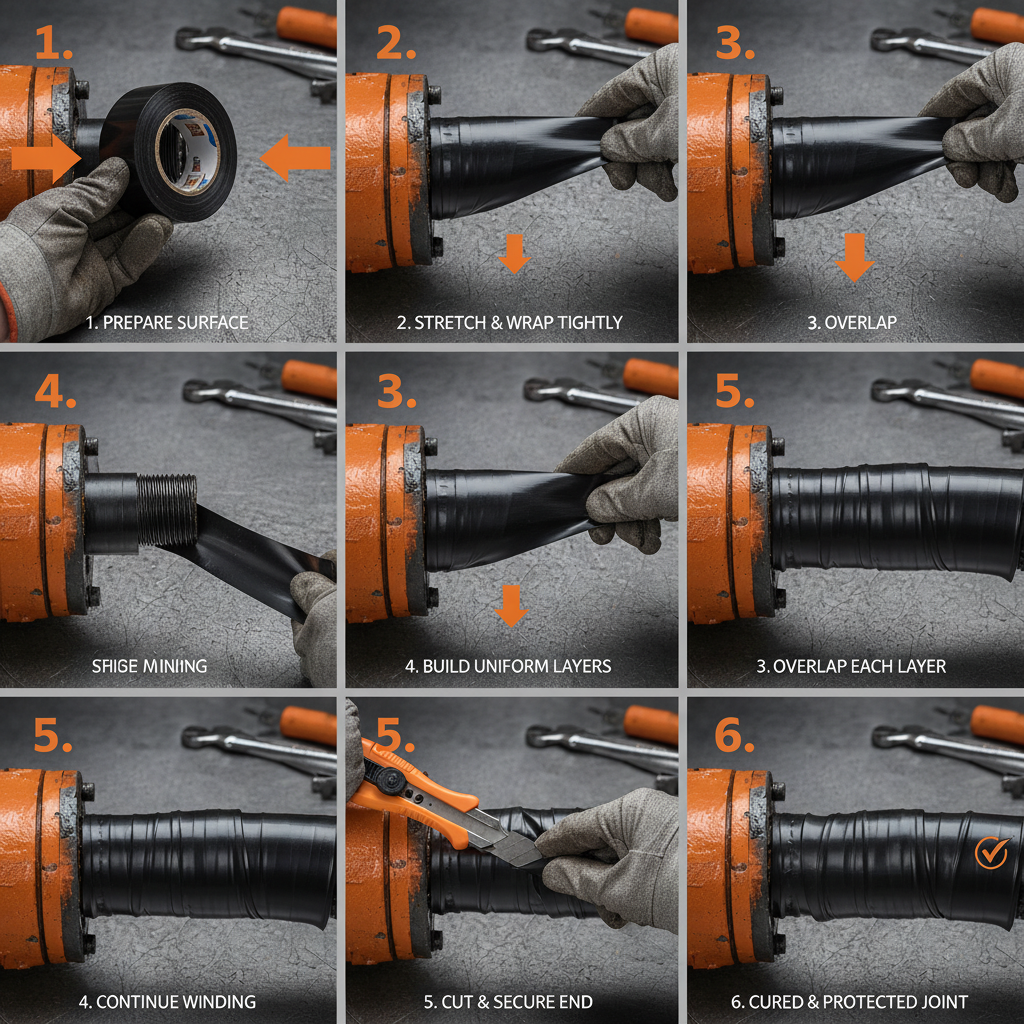
One common challenge is surface preparation. Tape won’t adhere properly to dirty, oily, or wet surfaces. Proper cleaning and priming are essential, but often overlooked. I always tell the crew – take the extra five minutes to prep the surface, it’ll save you hours of headaches later.
Another issue is choosing the right tape for the application. There’s a vast array of options available, and it’s easy to select a tape that isn’t up to the task. Consulting with a knowledgeable supplier or engineer can help ensure you get the right product for the job.
Finally, improper application technique can significantly reduce the tape’s effectiveness. Make sure the tape is applied smoothly and with sufficient pressure to create a strong bond. And always follow the manufacturer’s instructions.
Key Considerations for Effective High Tension Tape Implementation
| Application Area |
Tape Type Recommendation |
Expected Bond Strength (1-10) |
Environmental Resistance |
| Steel Frame Assembly |
High-Tensile Cloth Tape |
9 |
High - UV and Moisture Resistant |
| Concrete Formwork |
Waterproof Vinyl Tape |
7 |
Medium - Water Resistant |
| HVAC Duct Sealing |
Aluminum Foil Tape |
8 |
High - Temperature and Humidity Resistant |
| Facade Panel Temporary Fix |
Double-Sided High Tension Tape |
10 |
Very High - UV, Weather Resistant |
| Temporary Shelter Erection |
Reinforced Polyethylene Tape |
6 |
Medium - Basic Weather Protection |
| Wire & Cable Management |
Electrical Grade Tape |
7 |
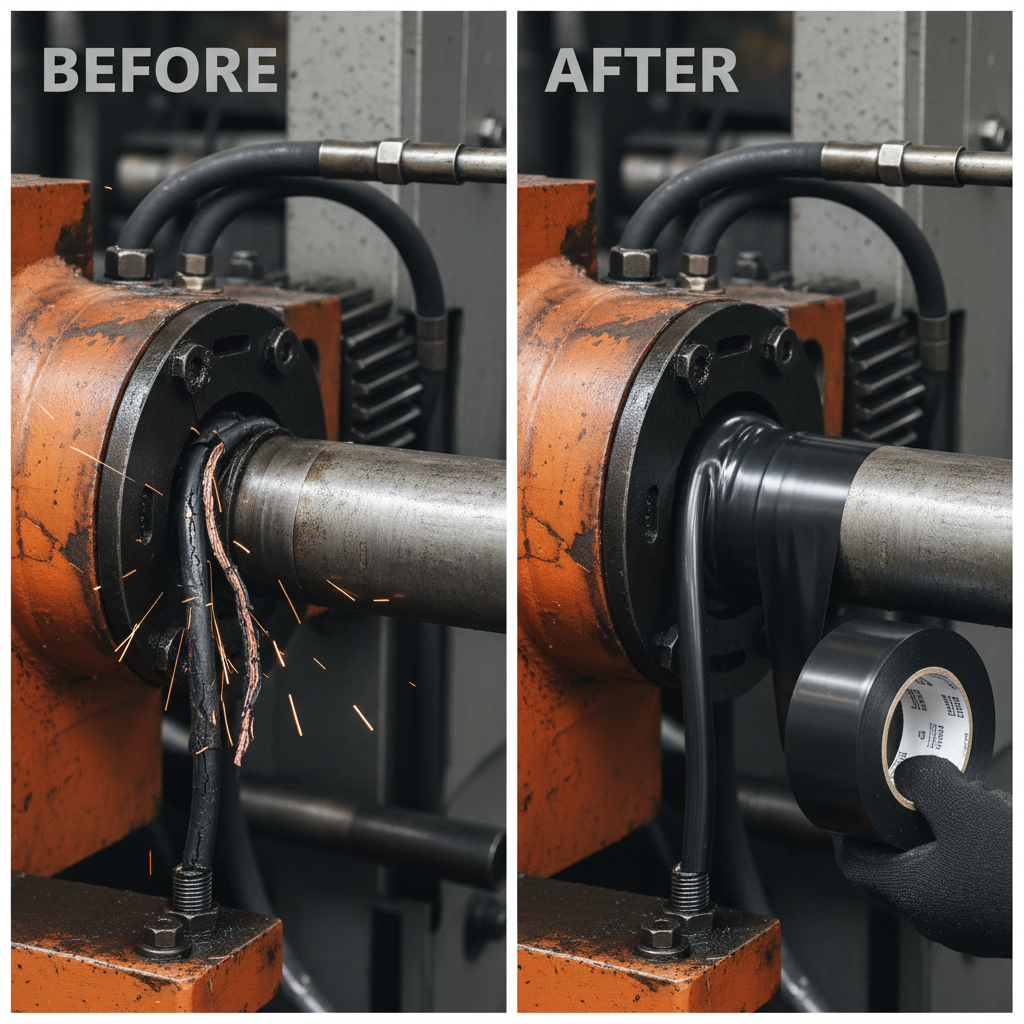
Medium - Electrical Insulation |
FAQS
That depends heavily on the type of tape, the surface it’s applied to, and environmental conditions. However, high-quality tapes can reliably support several pounds per inch of width. Always check the manufacturer’s specifications and conduct a test application before relying on it for critical loads. It's better to overestimate than underestimate. We always factor in a safety margin when using tape for anything structural.
Not all tapes are created equal. While many are designed for outdoor use, their resistance to UV rays, moisture, and temperature extremes varies. Look for tapes specifically labeled as “weather resistant” or “UV resistant”. Even then, prolonged exposure to harsh conditions can degrade the adhesive over time. Regular inspection is key.
Surface preparation is crucial! The surface must be clean, dry, and free of dust, oil, and debris. Use a solvent cleaner if necessary. For smooth surfaces, light abrasion can improve adhesion. Avoid applying tape to surfaces that are painted with flaking paint or are otherwise unstable.
Some tapes do leave residue, particularly those with aggressive adhesives. Look for tapes labeled as “removable” or “low-residue”. If residue does remain, use a solvent recommended by the tape manufacturer to safely remove it. Always test the solvent in an inconspicuous area first to ensure it doesn’t damage the surface.
The shelf life of high tension tape varies depending on the type and storage conditions. Generally, tapes stored in a cool, dry place will maintain their adhesive properties for at least a year or two. However, it's always best to check the manufacturer’s expiration date.
Applying tape to uneven surfaces requires a bit more finesse. Use a thinner tape that conforms easily to the contours. Apply firm, even pressure to ensure the tape makes full contact with the surface. For larger gaps or irregularities, consider using a tape with a foam backing to fill the voids.
Conclusion
High tension tape is far more than just a sticking solution. It's a critical component of modern construction, enabling efficiency, safety, and quality control. From temporary support to specialized applications, it quietly underpins countless projects around the globe. Recognizing its true value is essential for anyone involved in building and construction.
Investing in high-quality tape and proper application techniques will pay dividends in the long run, minimizing rework, reducing costs, and ensuring project success. Don't underestimate the power of a strong bond. For reliable, high-performance solutions, visit our website: www.qiangdatape.com.