
The Indispensable Role of Floor Marking Tape in Modern Industrial Safety and Efficiency
In the complex and dynamic landscape of modern industrial operations, effective spatial organization and safety protocols are paramount. Among the foundational elements ensuring these critical aspects, floor marking tape stands out as an indispensable tool. Far more than just an adhesive strip, it is a sophisticated engineering solution designed to delineate pathways, identify hazards, compartmentalize workspaces, and facilitate lean manufacturing principles across a myriad of sectors. This comprehensive article delves into the technical intricacies, application versatility, and strategic advantages of high-performance floor marking solutions, underscoring their pivotal contribution to operational excellence and worker safety in B2B environments.
From manufacturing plants to logistics hubs, hospitals to educational institutions, the strategic deployment of quality floor tape is instrumental in preventing accidents, improving workflow, and complying with stringent regulatory standards such as OSHA and ISO. We will explore the material science behind durable marking tape, discuss its diverse applications, and provide insights into selecting the most appropriate solutions for specific industrial requirements.
Industry Trends and Market Dynamics for Floor Marking Solutions
The market for floor marking tape is continuously evolving, driven by several key industry trends. A primary driver is the increasing emphasis on workplace safety and compliance with international standards like ISO 45001 (Occupational Health and Safety Management Systems). Companies are proactively investing in robust safety measures to reduce liabilities, enhance employee well-being, and boost productivity. This has led to a surge in demand for durable, highly visible, and long-lasting aisle tape solutions.
Another significant trend is the adoption of Lean Manufacturing and 5S methodologies. These operational frameworks prioritize efficiency, organization, and waste reduction, where clearly defined zones and pathways are fundamental. High-performance floor marking tape facilitates visual management, making it easier to identify tool locations, work-in-progress areas, and safety perimeters. Furthermore, advancements in material science have introduced tapes with enhanced properties such as superior abrasion resistance, chemical inertness, and reflective capabilities, catering to demanding industrial environments. The shift towards automated guided vehicles (AGVs) and robotics in warehousing also necessitates precise and reliable floor markings for navigation and safety zones, further propelling innovation in this segment.
The Indispensable Role of Floor Marking Tape in Modern Industrial Safety and Efficiency
In the complex and dynamic landscape of modern industrial operations, effective spatial organization and safety protocols are paramount. Among the foundational elements ensuring these critical aspects, floor marking tape stands out as an indispensable tool. Far more than just an adhesive strip, it is a sophisticated engineering solution designed to delineate pathways, identify hazards, compartmentalize workspaces, and facilitate lean manufacturing principles across a myriad of sectors. This comprehensive article delves into the technical intricacies, application versatility, and strategic advantages of high-performance floor marking solutions, underscoring their pivotal contribution to operational excellence and worker safety in B2B environments.
From manufacturing plants to logistics hubs, hospitals to educational institutions, the strategic deployment of quality floor tape is instrumental in preventing accidents, improving workflow, and complying with stringent regulatory standards such as OSHA and ISO. We will explore the material science behind durable marking tape, discuss its diverse applications, and provide insights into selecting the most appropriate solutions for specific industrial requirements.
Industry Trends and Market Dynamics for Floor Marking Solutions
The market for floor marking tape is continuously evolving, driven by several key industry trends. A primary driver is the increasing emphasis on workplace safety and compliance with international standards like ISO 45001 (Occupational Health and Safety Management Systems). Companies are proactively investing in robust safety measures to reduce liabilities, enhance employee well-being, and boost productivity. This has led to a surge in demand for durable, highly visible, and long-lasting aisle tape solutions.
Another significant trend is the adoption of Lean Manufacturing and 5S methodologies. These operational frameworks prioritize efficiency, organization, and waste reduction, where clearly defined zones and pathways are fundamental. High-performance floor marking tape facilitates visual management, making it easier to identify tool locations, work-in-progress areas, and safety perimeters. Furthermore, advancements in material science have introduced tapes with enhanced properties such as superior abrasion resistance, chemical inertness, and reflective capabilities, catering to demanding industrial environments. The shift towards automated guided vehicles (AGVs) and robotics in warehousing also necessitates precise and reliable floor markings for navigation and safety zones, further propelling innovation in this segment.
Technical Specifications and Material Science of Floor Marking Tape
The efficacy of floor marking tape is fundamentally rooted in its material composition and technical specifications. Premium tapes are engineered from durable polymers, primarily PVC (Polyvinyl Chloride) or specialized vinyl, which offer a robust backing. The adhesive system is equally critical, typically utilizing a high-performance rubber-based or acrylic adhesive formulated for aggressive tack and long-term adhesion to a variety of substrates, including concrete, epoxy, and painted surfaces. Key performance parameters include tensile strength, elongation at break, thickness, abrasion resistance, and temperature tolerance. For instance, a high-quality yellow floor tape designed for heavy-traffic areas will exhibit superior resistance to tearing and abrasion, ensuring longevity and consistent visibility under harsh conditions.
Understanding the viscoelastic properties of the adhesive allows for optimal adhesion under varying loads and temperatures, preventing lifting or curling. UV stabilization is often incorporated to resist fading when exposed to sunlight, maintaining color vibrancy over time. Below is a typical specification table for PVC Warning And Floor Marking Tape, illustrating critical technical parameters:
Product Specification: PVC Warning And Floor Marking Tape
| Parameter | Value/Description |
|---|---|
| Backing Material | Soft PVC film |
| Adhesive Type | Rubber-based pressure sensitive adhesive |
| Total Thickness | 130 μm (micrometers) ± 5% |
| Adhesion to Steel | ≥ 1.8 N/cm (ISO 29862) |
| Tensile Strength | ≥ 20 N/cm (ISO 1184) |
| Elongation at Break | ≥ 150% (ISO 1184) |
| Temperature Resistance | -10°C to +80°C (short term up to 100°C) |
| Abrasion Resistance | Excellent (Taber Abrasion Test, CS-10 Wheel, 1000g load, 1000 cycles) |
| Colors Available | Yellow, Red, Blue, Green, Black, White, Black/Yellow Stripes, Red/White Stripes |
| Standard Widths | 50mm, 75mm, 100mm (customizable) |
| Service Life (Typical) | 1-3 years under normal indoor industrial conditions |
Manufacturing Process: From Raw Material to Robust Floor Marking Tape
The production of high-quality floor marking tape involves a meticulous multi-stage manufacturing process, ensuring consistent performance and durability. This journey begins with the selection of premium raw materials and culminates in a finished product rigorously tested against industry standards.
Schematic Steps in Floor Marking Tape Production:
- Material Preparation: High-grade PVC resin is mixed with plasticizers, stabilizers, pigments (for color like yellow floor tape), and other additives. This compound forms the base for the film backing. Simultaneously, raw rubber, resins, and tackifiers are prepared for the adhesive formulation.
- Film Extrusion/Calendering: The PVC compound is fed into an extruder or calendering machine. For extrusion, it's melted and pushed through a die to form a continuous film of precise thickness. For calendering, it's pressed between rollers to achieve the desired gauge. This process ensures the film's structural integrity, flexibility, and dimensional stability.
- Adhesive Coating: The prepared PVC film then moves to the coating station. A precisely metered layer of the formulated rubber-based or acrylic adhesive is applied uniformly onto one side of the film. Advanced coating technologies ensure even distribution and consistent adhesive weight.
- Curing/Drying: After adhesive application, the coated film passes through an oven or curing chamber to dry and cross-link the adhesive. This step is crucial for developing the adhesive's ultimate bond strength, shear resistance, and temperature performance.
- Jumbo Roll Winding: The fully processed film, now coated with adhesive, is wound into large jumbo rolls. These rolls serve as the stock material for subsequent slitting.
- Slitting and Rewinding: The jumbo rolls are then transferred to high-precision slitting machines. Here, the wide rolls are cut into specified widths (e.g., 50mm, 75mm, 100mm) and rewound onto individual cores, creating the final consumer-ready rolls of floor tape.
- Quality Control and Testing: Throughout the entire process, and especially after slitting, stringent quality control measures are implemented. Samples from each batch undergo rigorous testing according to international standards such as ISO 29862 (Adhesion), ISO 1184 (Tensile Strength and Elongation), and often ASTM D3654 (Shear Adhesion). Parameters like thickness, color consistency, adhesion, tensile strength, and abrasion resistance are verified. Products are also tested for compliance with specific safety regulations pertinent to target industries (e.g., slip resistance tests if applicable).
- Packaging: The finished rolls of marking tape are then packaged, often with protective wrapping and robust cartons, ready for distribution.
This structured process ensures that each roll of floor marking tape meets the exacting demands of industrial environments, offering reliable performance and extended service life. The emphasis on high-quality materials and precise manufacturing techniques allows for advantages such as enhanced corrosion resistance in chemical environments and energy saving through optimized workflow in logistics.
Diverse Application Scenarios and Target Industries
The versatility of floor marking tape makes it indispensable across a broad spectrum of industries, serving critical functions related to safety, organization, and operational efficiency. Its application extends beyond simple demarcation, encompassing complex visual management systems.
- Manufacturing & Production Facilities: Used for delineating pedestrian walkways, forklift paths, work cell boundaries, quality control areas, and exclusion zones. Helps in implementing 5S principles, improving material flow, and preventing accidents on busy factory floors.
- Warehousing & Logistics: Essential for organizing inventory, defining pallet storage locations, marking receiving and shipping zones, and creating clear aisle tape for vehicle and foot traffic. Supports efficient picking, packing, and overall warehouse management.
- Healthcare Institutions (Hospitals, Clinics): Utilized for guiding patients and visitors, marking sterile areas, designating equipment storage, and identifying emergency exits. Often requires specific tapes that are easy to clean and resist hospital-grade disinfectants.
- Retail & Commercial Spaces: Used for queue management, directing customer flow, indicating sales areas, and temporary event layouts. Offers a flexible and non-permanent solution for spatial organization.
- Educational Facilities (Schools, Universities): For marking sports courts, guiding students in hallways, delineating play areas, and ensuring safety during events.
- Petrochemical & Metallurgy: In these heavy industries, tapes with high chemical and abrasion resistance are vital for marking hazardous areas, equipment zones, and safety pathways where spills or extreme temperatures might occur.
- Water Supply & Drainage Infrastructure: Used to mark maintenance zones, access points, and safe working areas around sensitive equipment or pipelines, often requiring weather-resistant and highly visible options.
In each scenario, the careful selection of appropriate floor tape type—considering factors like traffic volume, environmental conditions, and regulatory requirements—is crucial for maximizing its benefits and ensuring a safe, organized, and efficient operational environment.
Technical Advantages and Performance Benefits
The advanced engineering of modern floor marking tape delivers a multitude of technical advantages that translate directly into significant operational benefits for businesses. These advantages go beyond simple aesthetics, contributing to tangible improvements in safety, efficiency, and cost-effectiveness.
- Superior Durability & Abrasion Resistance: High-performance floor marking tape is designed to withstand heavy foot traffic, forklift wheels, and industrial machinery without peeling, fading, or tearing. This reduces the frequency of reapplication, lowering maintenance costs and ensuring consistent visual cues.
- High Visibility & Color Retention: Utilizing bright, vibrant pigments and often a robust PVC backing, these tapes offer excellent visibility even in poorly lit environments. UV-stabilized formulations ensure that colors like vibrant yellow floor tape resist fading over time, maintaining compliance with safety standards (e.g., OSHA color codes).
- Chemical & Moisture Resistance: Many industrial environments expose floor markings to oils, greases, solvents, and cleaning agents. Specialized tapes are engineered with chemical-resistant backings and adhesives to prevent degradation, ensuring markings remain intact and legible. They also resist moisture, preventing lifting in damp conditions.
- Ease of Application & Removal: Unlike paint, marking tape can be applied quickly and efficiently without specialized equipment, long drying times, or hazardous fumes. Its removal is equally straightforward, leaving minimal residue and allowing for flexible layout changes, which is a significant advantage in dynamic workspaces.
- Enhanced Safety Features: Beyond simple demarcation, some floor marking tape products incorporate anti-slip surfaces to improve traction, reducing slip-and-fall hazards. Others feature reflective or photoluminescent properties for visibility in low-light or power-outage scenarios, further bolstering safety.
- Cost-Effectiveness & Energy Saving: While initial costs might be higher than paint, the extended service life, reduced labor for application/reapplication, and minimal downtime associated with tape often result in a lower total cost of ownership. By clearly defining efficient pathways and storage zones, they contribute to optimized workflow, saving time and operational energy.
These technical advantages collectively position floor marking tape as a superior and sustainable choice for industrial floor demarcation, directly impacting operational safety and productivity.
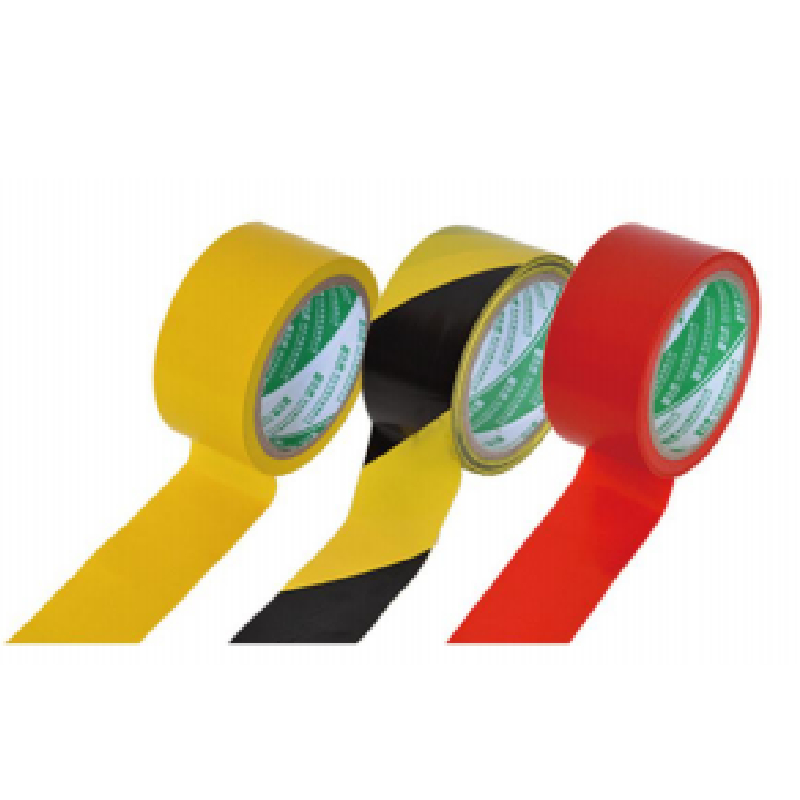
Visual representation of industrial application of floor marking tape for safety and organization.
Vendor Comparison and Selection Criteria for High-Performance Floor Marking Tape
Selecting the right vendor for floor marking tape is crucial for ensuring product quality, performance, and long-term value. While numerous suppliers offer similar products, key differentiators emerge in material science, manufacturing consistency, customization capabilities, and technical support. B2B decision-makers should evaluate vendors based on a comprehensive set of criteria to optimize their investment.
Key Vendor Comparison Factors:
- Product Range and Specialization: Does the vendor offer a diverse range, including heavy-duty options, specialized chemical-resistant tapes, or reflective variants? Specialization in industrial-grade products often indicates deeper expertise.
- Certifications and Compliance: Verify adherence to international quality management standards (e.g., ISO 9001) and product-specific safety standards (e.g., OSHA, ANSI for slip resistance).
- Material Quality & Performance Data: Request detailed technical data sheets (TDS) for tensile strength, adhesion, thickness, abrasion cycles, and temperature resistance. Compare these against your operational requirements.
- Customization Capabilities: For specific needs, can the vendor provide custom widths, lengths, colors, or printed messages on the floor tape?
- Customer Support & Technical Expertise: Evaluate the responsiveness and knowledge of their sales and technical teams. Are they able to provide application guidance, troubleshoot issues, or offer solutions for challenging environments?
- Warranty and After-Sales Service: Understand their warranty policy against manufacturing defects and their commitment to customer satisfaction.
Comparative Overview: Standard vs. Heavy-Duty Floor Marking Tape
| Feature | Standard Industrial Tape | Heavy-Duty Industrial Tape (e.g., QiangdaTape PVC Warning Tape) |
|---|---|---|
| Backing Material | PVC or Vinyl, typical thickness ~100-120 μm | Robust PVC or specialized vinyl, typical thickness ~130-150 μm (often multi-layered) |
| Adhesive Type | Rubber-based or general-purpose acrylic | High-performance rubber or advanced acrylic, formulated for aggressive tack and shear resistance |
| Abrasion Resistance | Good for light to medium traffic | Excellent, withstands heavy forklift and machinery traffic (e.g., >2000 Taber cycles) |
| Chemical Resistance | Moderate, resists mild cleaners | High, resists oils, solvents, and many industrial chemicals |
| Temperature Range | 0°C to +60°C | -10°C to +80°C (with excursions to 100°C) |
| Service Life (Indoor) | 6 months - 2 years | 1 - 3+ years |
| Cost | Lower initial cost | Higher initial cost, but better long-term value |
This comparison highlights that investing in a higher-grade floor marking tape often yields better performance and longevity, especially in demanding industrial environments.
Customized Solutions: Tailoring Floor Marking Tape to Specific Needs
While standard rolls of floor marking tape serve a wide array of applications, many B2B clients require customized solutions to address unique operational challenges or branding requirements. Leading manufacturers understand this need and offer extensive customization services, transforming a generic product into a perfectly integrated system component.
Customization options can include bespoke widths and lengths, allowing for optimal fit without excess waste or multiple joins. Specialized adhesive formulations can be developed for extreme temperature environments (e.g., cold storage) or for temporary applications where residue-free removal is paramount. Color matching to specific corporate branding guidelines or safety code requirements is also a common request, ensuring visual consistency across facilities. Furthermore, printing capabilities allow for custom text, logos, arrows, or safety symbols directly onto the marking tape, eliminating the need for separate floor signs and simplifying application. This can range from "WATCH FOR FORKLIFTS" warnings to directional arrows for lean manufacturing lines. For example, a client in the automotive sector might require a specific shade of yellow floor tape with their corporate logo and specific lane instructions, factory-printed for ease of deployment. These tailored solutions not only enhance functionality but also contribute to a more professional and integrated visual management system, reinforcing safety culture and operational clarity.
Real-World Application Case Studies
To illustrate the practical impact of high-quality floor marking tape, consider the following real-world scenarios:
Case Study 1: Large-Scale Automotive Assembly Plant
An international automotive manufacturer faced persistent issues with pedestrian safety and material flow disruptions on its expansive assembly lines. Traditional painted lines required frequent repainting due to heavy traffic and chemical exposure, leading to significant downtime and inconsistent markings. Implementing a robust, heavy-duty floor marking tape solution with specific chemical and abrasion resistance properties transformed their operations. The tape, in high-contrast colors (yellow floor tape for walkways, red for hazard zones), provided clear, durable pathways that withstood forklift traffic and oil spills. The ease of application minimized disruption, and the tape's longevity drastically reduced maintenance cycles. Within six months, the plant reported a 30% reduction in pedestrian-related incidents and a 15% improvement in material handling efficiency due to better-defined aisle tape.
Case Study 2: Regional Logistics and Distribution Center
A major logistics hub struggled with disorganized pallet storage and frequent damage to goods due to unclear demarcation. They switched from general-purpose marking tape to a specialized, highly adhesive, and durable version with integrated numbering. By applying this specific floor tape to define precise pallet locations and forklift routes, they achieved a highly organized warehouse. Inventory accuracy improved by 20%, and the time taken for picking and put-away tasks decreased by 10%. The tape's strong adhesion prevented curling, even on uneven concrete surfaces, maintaining visual order under constant heavy loads.
Case Study 3: Pharmaceutical Research Laboratory
A pharmaceutical lab needed to clearly delineate sterile zones, equipment placement, and emergency exits, but required markings that could withstand frequent cleaning with harsh disinfectants and provide clear, unambiguous visual cues. They adopted a medical-grade floor marking tape that was both chemical-resistant and easily cleanable, specifically designed for cleanroom environments. The chosen floor tape also featured low outgassing properties to prevent contamination. This solution not only ensured compliance with strict health regulations but also enhanced the safety and efficiency of laboratory personnel without compromising the sterile environment. The tape's precise die-cut shapes for specific equipment footprints ensured accurate and consistent placement.
Ensuring Trust and Reliability: Certifications, Warranty, and Support
For B2B purchasers, trust and reliability are paramount. A reputable supplier of floor marking tape demonstrates these through verifiable certifications, clear warranty commitments, and robust customer support. This instills confidence in product performance and long-term partnership viability.
- Authoritative Certifications: Look for manufacturers who adhere to internationally recognized standards. For instance, an ISO 9001 certification indicates a commitment to quality management systems throughout the manufacturing process of floor marking tape. Compliance with specific performance standards (e.g., ANSI/UL 1993 for slip resistance, or specific ASTM methods for adhesive performance) validates technical claims. Environmental certifications (e.g., ISO 14001) may also be relevant for sustainability-focused organizations.
- Years of Service & Partner Clients: A long-standing presence in the industry and a portfolio of reputable partner clients speak volumes about a vendor's reliability and product acceptance in the market.
- Robust Testing & Data-Driven Analysis: Manufacturers should provide comprehensive test data, ideally from independent third-party laboratories, supporting their product specifications. This might include reports on abrasion cycles, adhesion values, temperature resistance, and chemical compatibility, providing transparent and objective performance metrics.
- Warranty Commitments: A clear, explicit warranty against manufacturing defects demonstrates a manufacturer's confidence in their product. This should detail the terms, duration, and conditions for claims, offering buyers recourse in case of product failure under normal usage.
- Comprehensive Customer Support: Beyond initial sales, accessible technical support, application guidance, and troubleshooting assistance are crucial. This ensures that customers can maximize the effectiveness and lifespan of their floor tape installations.
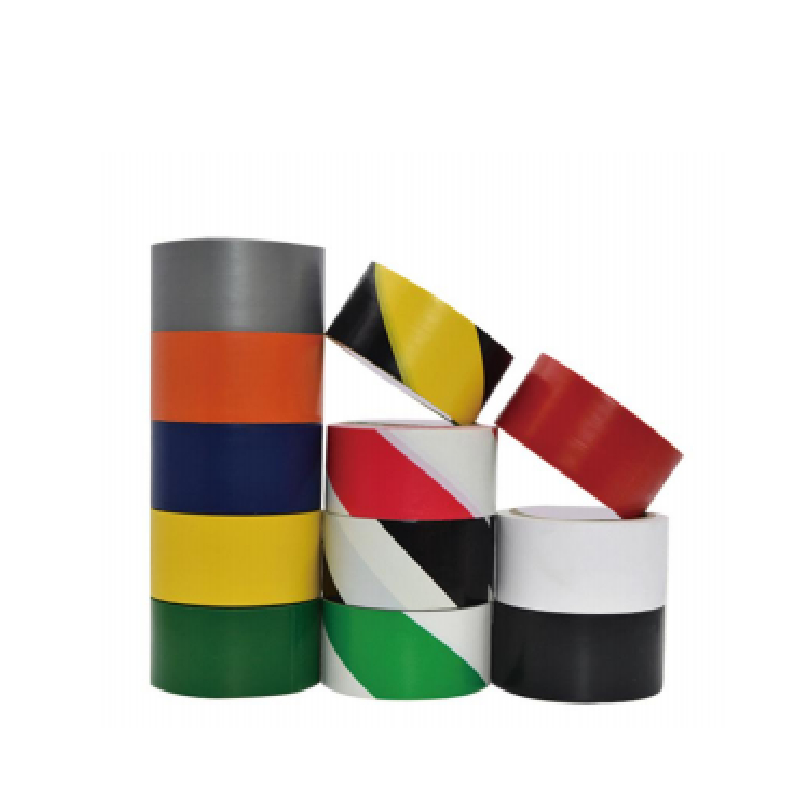
Ensuring clear pathways with durable floor marking tape is a key aspect of warehouse safety.
Frequently Asked Questions (FAQ)
Q: What is the primary difference between paint and floor marking tape?
A: The main differences lie in application time, durability, and flexibility. Floor marking tape can be applied instantly with no drying time or fumes, significantly reducing downtime. It generally offers superior abrasion and chemical resistance compared to most floor paints, and it can be removed cleanly for layout changes, which is far more difficult with paint.
Q: How do I choose the correct width and color of aisle tape for my application?
A: Width typically depends on visibility requirements and local regulations; common widths are 50mm, 75mm, and 100mm. Color choice is often dictated by safety standards (e.g., OSHA, ANSI Z535.1). For instance, yellow floor tape is typically for caution/hazard warnings or aisle demarcation, red for fire protection equipment, and white for general traffic lanes.
Q: Can floor marking tape be applied to any surface?
A: Most industrial floor tape is designed for smooth, clean, dry, and sealed concrete or epoxy-coated floors. While it can adhere to other surfaces, proper surface preparation (cleaning, degreasing, and priming if necessary) is crucial for optimal adhesion and longevity. Rough or highly porous surfaces may require specialized tapes or additional preparation.
Q: What is the typical service life of industrial floor marking tape?
A: The service life varies greatly depending on the tape's quality, traffic levels, environmental conditions (temperature, chemicals, moisture), and proper application. High-quality industrial floor tape can last from 1 to 3+ years in typical indoor industrial settings with moderate to heavy traffic. Regular inspections and timely replacement of damaged sections will maintain optimal safety and appearance.
Q: Is floor marking tape environmentally friendly?
A: While the primary materials (like PVC) are synthetic, many manufacturers are moving towards more sustainable production practices, including solvent-free adhesives and recyclable packaging. The longevity and reduced need for reapplication also contribute to less waste compared to frequent painting.
Order Fulfillment, Lead Times, and After-Sales Support
Efficient procurement and reliable post-purchase support are vital considerations for B2B clients. Understanding a vendor's capabilities in these areas ensures a smooth supply chain and continuous operational efficiency.
- Lead Times: Standard orders for common floor marking tape products typically have lead times of 3-7 business days for shipping from stock. For larger volume orders or customized solutions (e.g., specific widths, lengths, colors, or printed designs), lead times may extend to 2-4 weeks, depending on complexity and production schedules. It is always recommended to confirm current lead times with your sales representative, especially for time-sensitive projects.
- Fulfillment Details: Orders are carefully packaged to prevent damage during transit, often utilizing industrial-grade cartons and protective wrapping. Shipping options typically include standard ground, expedited, and international freight, allowing clients to select the most suitable method for their needs and budget. Bulk orders may qualify for palletized shipping.
- Warranty Commitments: Our floor marking tape products are backed by a comprehensive warranty covering manufacturing defects. This warranty typically extends for a period of [e.g., 12 months] from the date of purchase, ensuring that products meet published specifications. Specific warranty details are provided with each product and can be obtained from our customer service team.
- Customer Support: Our dedicated customer support team is available to assist with product selection, technical inquiries, order tracking, and any post-sales issues. Support channels typically include phone, email, and online inquiry forms, ensuring prompt and expert assistance. We also provide detailed application guides and troubleshooting tips to help maximize the performance of your floor tape solutions.
Conclusion
The strategic implementation of high-performance floor marking tape is a fundamental pillar of modern industrial safety and operational efficiency. Beyond its seemingly simple function, this engineered solution plays a critical role in visual management, hazard communication, and workflow optimization across diverse B2B environments. By understanding the intricate technical specifications, rigorous manufacturing processes, and versatile application scenarios, businesses can make informed decisions that translate into tangible benefits: reduced accidents, enhanced productivity, and significant long-term cost savings compared to traditional methods like paint.
From automotive plants to logistics centers and healthcare facilities, the right marking tape, supported by expert guidance and robust after-sales service, is an investment in a safer, more organized, and ultimately more profitable future. As industries continue to evolve with stricter safety regulations and the adoption of lean methodologies, the demand for sophisticated, durable, and customizable floor marking tape solutions will only grow, cementing its status as an essential component in every industrial toolkit.
References
- ISO 9001:2015 - Quality management systems — Requirements. International Organization for Standardization.
- OSHA 1910.144 - Safety color code for marking physical hazards. Occupational Safety and Health Administration.
- ANSI/ASSP Z535.1-2017 - Safety Colors. American National Standards Institute / American Society of Safety Professionals.
- Lean Enterprise Institute. Principles of Lean.
- ASTM D3654 - Standard Test Methods for Shear Adhesion of Pressure-Sensitive Tapes. ASTM International.
-
Industrial Fire Proof Tape Guide for High Temperature ProtectionNewsApr.16,2026
-
Ultimate Guide to Fireproof Tape Protection and ApplicationsNewsApr.09,2026
-
Exploring Black Tack Butyl Applications and Benefits for Optimal SealingNewsApr.07,2026
-
Comprehensive Guide to Black Butyl Rubber Tape Applications and BenefitsNewsApr.04,2026
-
Comprehensive Guide to High Power Butyl Waterproof Tape ApplicationsNewsMar.31,2026
-
Comprehensive Guide to 360tronics Butyl Waterproof Tape for Airtight and Watertight SealsNewsMar.28,2026
The Indispensable Role of Floor Marking Tape in Modern Industrial Safety and Efficiency
In the complex and dynamic landscape of modern industrial operations, effective spatial organization and safety protocols are paramount. Among the foundational elements ensuring these critical aspects, floor marking tape stands out as an indispensable tool. Far more than just an adhesive strip, it is a sophisticated engineering solution designed to delineate pathways, identify hazards, compartmentalize workspaces, and facilitate lean manufacturing principles across a myriad of sectors. This comprehensive article delves into the technical intricacies, application versatility, and strategic advantages of high-performance floor marking solutions, underscoring their pivotal contribution to operational excellence and worker safety in B2B environments.
From manufacturing plants to logistics hubs, hospitals to educational institutions, the strategic deployment of quality floor tape is instrumental in preventing accidents, improving workflow, and complying with stringent regulatory standards such as OSHA and ISO. We will explore the material science behind durable marking tape, discuss its diverse applications, and provide insights into selecting the most appropriate solutions for specific industrial requirements.
Industry Trends and Market Dynamics for Floor Marking Solutions
The market for floor marking tape is continuously evolving, driven by several key industry trends. A primary driver is the increasing emphasis on workplace safety and compliance with international standards like ISO 45001 (Occupational Health and Safety Management Systems). Companies are proactively investing in robust safety measures to reduce liabilities, enhance employee well-being, and boost productivity. This has led to a surge in demand for durable, highly visible, and long-lasting aisle tape solutions.
Another significant trend is the adoption of Lean Manufacturing and 5S methodologies. These operational frameworks prioritize efficiency, organization, and waste reduction, where clearly defined zones and pathways are fundamental. High-performance floor marking tape facilitates visual management, making it easier to identify tool locations, work-in-progress areas, and safety perimeters. Furthermore, advancements in material science have introduced tapes with enhanced properties such as superior abrasion resistance, chemical inertness, and reflective capabilities, catering to demanding industrial environments. The shift towards automated guided vehicles (AGVs) and robotics in warehousing also necessitates precise and reliable floor markings for navigation and safety zones, further propelling innovation in this segment.
The Indispensable Role of Floor Marking Tape in Modern Industrial Safety and Efficiency
In the complex and dynamic landscape of modern industrial operations, effective spatial organization and safety protocols are paramount. Among the foundational elements ensuring these critical aspects, floor marking tape stands out as an indispensable tool. Far more than just an adhesive strip, it is a sophisticated engineering solution designed to delineate pathways, identify hazards, compartmentalize workspaces, and facilitate lean manufacturing principles across a myriad of sectors. This comprehensive article delves into the technical intricacies, application versatility, and strategic advantages of high-performance floor marking solutions, underscoring their pivotal contribution to operational excellence and worker safety in B2B environments.
From manufacturing plants to logistics hubs, hospitals to educational institutions, the strategic deployment of quality floor tape is instrumental in preventing accidents, improving workflow, and complying with stringent regulatory standards such as OSHA and ISO. We will explore the material science behind durable marking tape, discuss its diverse applications, and provide insights into selecting the most appropriate solutions for specific industrial requirements.
Industry Trends and Market Dynamics for Floor Marking Solutions
The market for floor marking tape is continuously evolving, driven by several key industry trends. A primary driver is the increasing emphasis on workplace safety and compliance with international standards like ISO 45001 (Occupational Health and Safety Management Systems). Companies are proactively investing in robust safety measures to reduce liabilities, enhance employee well-being, and boost productivity. This has led to a surge in demand for durable, highly visible, and long-lasting aisle tape solutions.
Another significant trend is the adoption of Lean Manufacturing and 5S methodologies. These operational frameworks prioritize efficiency, organization, and waste reduction, where clearly defined zones and pathways are fundamental. High-performance floor marking tape facilitates visual management, making it easier to identify tool locations, work-in-progress areas, and safety perimeters. Furthermore, advancements in material science have introduced tapes with enhanced properties such as superior abrasion resistance, chemical inertness, and reflective capabilities, catering to demanding industrial environments. The shift towards automated guided vehicles (AGVs) and robotics in warehousing also necessitates precise and reliable floor markings for navigation and safety zones, further propelling innovation in this segment.
Technical Specifications and Material Science of Floor Marking Tape
The efficacy of floor marking tape is fundamentally rooted in its material composition and technical specifications. Premium tapes are engineered from durable polymers, primarily PVC (Polyvinyl Chloride) or specialized vinyl, which offer a robust backing. The adhesive system is equally critical, typically utilizing a high-performance rubber-based or acrylic adhesive formulated for aggressive tack and long-term adhesion to a variety of substrates, including concrete, epoxy, and painted surfaces. Key performance parameters include tensile strength, elongation at break, thickness, abrasion resistance, and temperature tolerance. For instance, a high-quality yellow floor tape designed for heavy-traffic areas will exhibit superior resistance to tearing and abrasion, ensuring longevity and consistent visibility under harsh conditions.
Understanding the viscoelastic properties of the adhesive allows for optimal adhesion under varying loads and temperatures, preventing lifting or curling. UV stabilization is often incorporated to resist fading when exposed to sunlight, maintaining color vibrancy over time. Below is a typical specification table for PVC Warning And Floor Marking Tape, illustrating critical technical parameters:
Product Specification: PVC Warning And Floor Marking Tape
| Parameter | Value/Description |
|---|---|
| Backing Material | Soft PVC film |
| Adhesive Type | Rubber-based pressure sensitive adhesive |
| Total Thickness | 130 μm (micrometers) ± 5% |
| Adhesion to Steel | ≥ 1.8 N/cm (ISO 29862) |
| Tensile Strength | ≥ 20 N/cm (ISO 1184) |
| Elongation at Break | ≥ 150% (ISO 1184) |
| Temperature Resistance | -10°C to +80°C (short term up to 100°C) |
| Abrasion Resistance | Excellent (Taber Abrasion Test, CS-10 Wheel, 1000g load, 1000 cycles) |
| Colors Available | Yellow, Red, Blue, Green, Black, White, Black/Yellow Stripes, Red/White Stripes |
| Standard Widths | 50mm, 75mm, 100mm (customizable) |
| Service Life (Typical) | 1-3 years under normal indoor industrial conditions |
Manufacturing Process: From Raw Material to Robust Floor Marking Tape
The production of high-quality floor marking tape involves a meticulous multi-stage manufacturing process, ensuring consistent performance and durability. This journey begins with the selection of premium raw materials and culminates in a finished product rigorously tested against industry standards.
Schematic Steps in Floor Marking Tape Production:
- Material Preparation: High-grade PVC resin is mixed with plasticizers, stabilizers, pigments (for color like yellow floor tape), and other additives. This compound forms the base for the film backing. Simultaneously, raw rubber, resins, and tackifiers are prepared for the adhesive formulation.
- Film Extrusion/Calendering: The PVC compound is fed into an extruder or calendering machine. For extrusion, it's melted and pushed through a die to form a continuous film of precise thickness. For calendering, it's pressed between rollers to achieve the desired gauge. This process ensures the film's structural integrity, flexibility, and dimensional stability.
- Adhesive Coating: The prepared PVC film then moves to the coating station. A precisely metered layer of the formulated rubber-based or acrylic adhesive is applied uniformly onto one side of the film. Advanced coating technologies ensure even distribution and consistent adhesive weight.
- Curing/Drying: After adhesive application, the coated film passes through an oven or curing chamber to dry and cross-link the adhesive. This step is crucial for developing the adhesive's ultimate bond strength, shear resistance, and temperature performance.
- Jumbo Roll Winding: The fully processed film, now coated with adhesive, is wound into large jumbo rolls. These rolls serve as the stock material for subsequent slitting.
- Slitting and Rewinding: The jumbo rolls are then transferred to high-precision slitting machines. Here, the wide rolls are cut into specified widths (e.g., 50mm, 75mm, 100mm) and rewound onto individual cores, creating the final consumer-ready rolls of floor tape.
- Quality Control and Testing: Throughout the entire process, and especially after slitting, stringent quality control measures are implemented. Samples from each batch undergo rigorous testing according to international standards such as ISO 29862 (Adhesion), ISO 1184 (Tensile Strength and Elongation), and often ASTM D3654 (Shear Adhesion). Parameters like thickness, color consistency, adhesion, tensile strength, and abrasion resistance are verified. Products are also tested for compliance with specific safety regulations pertinent to target industries (e.g., slip resistance tests if applicable).
- Packaging: The finished rolls of marking tape are then packaged, often with protective wrapping and robust cartons, ready for distribution.
This structured process ensures that each roll of floor marking tape meets the exacting demands of industrial environments, offering reliable performance and extended service life. The emphasis on high-quality materials and precise manufacturing techniques allows for advantages such as enhanced corrosion resistance in chemical environments and energy saving through optimized workflow in logistics.
Diverse Application Scenarios and Target Industries
The versatility of floor marking tape makes it indispensable across a broad spectrum of industries, serving critical functions related to safety, organization, and operational efficiency. Its application extends beyond simple demarcation, encompassing complex visual management systems.
- Manufacturing & Production Facilities: Used for delineating pedestrian walkways, forklift paths, work cell boundaries, quality control areas, and exclusion zones. Helps in implementing 5S principles, improving material flow, and preventing accidents on busy factory floors.
- Warehousing & Logistics: Essential for organizing inventory, defining pallet storage locations, marking receiving and shipping zones, and creating clear aisle tape for vehicle and foot traffic. Supports efficient picking, packing, and overall warehouse management.
- Healthcare Institutions (Hospitals, Clinics): Utilized for guiding patients and visitors, marking sterile areas, designating equipment storage, and identifying emergency exits. Often requires specific tapes that are easy to clean and resist hospital-grade disinfectants.
- Retail & Commercial Spaces: Used for queue management, directing customer flow, indicating sales areas, and temporary event layouts. Offers a flexible and non-permanent solution for spatial organization.
- Educational Facilities (Schools, Universities): For marking sports courts, guiding students in hallways, delineating play areas, and ensuring safety during events.
- Petrochemical & Metallurgy: In these heavy industries, tapes with high chemical and abrasion resistance are vital for marking hazardous areas, equipment zones, and safety pathways where spills or extreme temperatures might occur.
- Water Supply & Drainage Infrastructure: Used to mark maintenance zones, access points, and safe working areas around sensitive equipment or pipelines, often requiring weather-resistant and highly visible options.
In each scenario, the careful selection of appropriate floor tape type—considering factors like traffic volume, environmental conditions, and regulatory requirements—is crucial for maximizing its benefits and ensuring a safe, organized, and efficient operational environment.
Technical Advantages and Performance Benefits
The advanced engineering of modern floor marking tape delivers a multitude of technical advantages that translate directly into significant operational benefits for businesses. These advantages go beyond simple aesthetics, contributing to tangible improvements in safety, efficiency, and cost-effectiveness.
- Superior Durability & Abrasion Resistance: High-performance floor marking tape is designed to withstand heavy foot traffic, forklift wheels, and industrial machinery without peeling, fading, or tearing. This reduces the frequency of reapplication, lowering maintenance costs and ensuring consistent visual cues.
- High Visibility & Color Retention: Utilizing bright, vibrant pigments and often a robust PVC backing, these tapes offer excellent visibility even in poorly lit environments. UV-stabilized formulations ensure that colors like vibrant yellow floor tape resist fading over time, maintaining compliance with safety standards (e.g., OSHA color codes).
- Chemical & Moisture Resistance: Many industrial environments expose floor markings to oils, greases, solvents, and cleaning agents. Specialized tapes are engineered with chemical-resistant backings and adhesives to prevent degradation, ensuring markings remain intact and legible. They also resist moisture, preventing lifting in damp conditions.
- Ease of Application & Removal: Unlike paint, marking tape can be applied quickly and efficiently without specialized equipment, long drying times, or hazardous fumes. Its removal is equally straightforward, leaving minimal residue and allowing for flexible layout changes, which is a significant advantage in dynamic workspaces.
- Enhanced Safety Features: Beyond simple demarcation, some floor marking tape products incorporate anti-slip surfaces to improve traction, reducing slip-and-fall hazards. Others feature reflective or photoluminescent properties for visibility in low-light or power-outage scenarios, further bolstering safety.
- Cost-Effectiveness & Energy Saving: While initial costs might be higher than paint, the extended service life, reduced labor for application/reapplication, and minimal downtime associated with tape often result in a lower total cost of ownership. By clearly defining efficient pathways and storage zones, they contribute to optimized workflow, saving time and operational energy.
These technical advantages collectively position floor marking tape as a superior and sustainable choice for industrial floor demarcation, directly impacting operational safety and productivity.
Visual representation of industrial application of floor marking tape for safety and organization.
Vendor Comparison and Selection Criteria for High-Performance Floor Marking Tape
Selecting the right vendor for floor marking tape is crucial for ensuring product quality, performance, and long-term value. While numerous suppliers offer similar products, key differentiators emerge in material science, manufacturing consistency, customization capabilities, and technical support. B2B decision-makers should evaluate vendors based on a comprehensive set of criteria to optimize their investment.
Key Vendor Comparison Factors:
- Product Range and Specialization: Does the vendor offer a diverse range, including heavy-duty options, specialized chemical-resistant tapes, or reflective variants? Specialization in industrial-grade products often indicates deeper expertise.
- Certifications and Compliance: Verify adherence to international quality management standards (e.g., ISO 9001) and product-specific safety standards (e.g., OSHA, ANSI for slip resistance).
- Material Quality & Performance Data: Request detailed technical data sheets (TDS) for tensile strength, adhesion, thickness, abrasion cycles, and temperature resistance. Compare these against your operational requirements.
- Customization Capabilities: For specific needs, can the vendor provide custom widths, lengths, colors, or printed messages on the floor tape?
- Customer Support & Technical Expertise: Evaluate the responsiveness and knowledge of their sales and technical teams. Are they able to provide application guidance, troubleshoot issues, or offer solutions for challenging environments?
- Warranty and After-Sales Service: Understand their warranty policy against manufacturing defects and their commitment to customer satisfaction.
Comparative Overview: Standard vs. Heavy-Duty Floor Marking Tape
| Feature | Standard Industrial Tape | Heavy-Duty Industrial Tape (e.g., QiangdaTape PVC Warning Tape) |
|---|---|---|
| Backing Material | PVC or Vinyl, typical thickness ~100-120 μm | Robust PVC or specialized vinyl, typical thickness ~130-150 μm (often multi-layered) |
| Adhesive Type | Rubber-based or general-purpose acrylic | High-performance rubber or advanced acrylic, formulated for aggressive tack and shear resistance |
| Abrasion Resistance | Good for light to medium traffic | Excellent, withstands heavy forklift and machinery traffic (e.g., >2000 Taber cycles) |
| Chemical Resistance | Moderate, resists mild cleaners | High, resists oils, solvents, and many industrial chemicals |
| Temperature Range | 0°C to +60°C | -10°C to +80°C (with excursions to 100°C) |
| Service Life (Indoor) | 6 months - 2 years | 1 - 3+ years |
| Cost | Lower initial cost | Higher initial cost, but better long-term value |
This comparison highlights that investing in a higher-grade floor marking tape often yields better performance and longevity, especially in demanding industrial environments.
Customized Solutions: Tailoring Floor Marking Tape to Specific Needs
While standard rolls of floor marking tape serve a wide array of applications, many B2B clients require customized solutions to address unique operational challenges or branding requirements. Leading manufacturers understand this need and offer extensive customization services, transforming a generic product into a perfectly integrated system component.
Customization options can include bespoke widths and lengths, allowing for optimal fit without excess waste or multiple joins. Specialized adhesive formulations can be developed for extreme temperature environments (e.g., cold storage) or for temporary applications where residue-free removal is paramount. Color matching to specific corporate branding guidelines or safety code requirements is also a common request, ensuring visual consistency across facilities. Furthermore, printing capabilities allow for custom text, logos, arrows, or safety symbols directly onto the marking tape, eliminating the need for separate floor signs and simplifying application. This can range from "WATCH FOR FORKLIFTS" warnings to directional arrows for lean manufacturing lines. For example, a client in the automotive sector might require a specific shade of yellow floor tape with their corporate logo and specific lane instructions, factory-printed for ease of deployment. These tailored solutions not only enhance functionality but also contribute to a more professional and integrated visual management system, reinforcing safety culture and operational clarity.
Real-World Application Case Studies
To illustrate the practical impact of high-quality floor marking tape, consider the following real-world scenarios:
Case Study 1: Large-Scale Automotive Assembly Plant
An international automotive manufacturer faced persistent issues with pedestrian safety and material flow disruptions on its expansive assembly lines. Traditional painted lines required frequent repainting due to heavy traffic and chemical exposure, leading to significant downtime and inconsistent markings. Implementing a robust, heavy-duty floor marking tape solution with specific chemical and abrasion resistance properties transformed their operations. The tape, in high-contrast colors (yellow floor tape for walkways, red for hazard zones), provided clear, durable pathways that withstood forklift traffic and oil spills. The ease of application minimized disruption, and the tape's longevity drastically reduced maintenance cycles. Within six months, the plant reported a 30% reduction in pedestrian-related incidents and a 15% improvement in material handling efficiency due to better-defined aisle tape.
Case Study 2: Regional Logistics and Distribution Center
A major logistics hub struggled with disorganized pallet storage and frequent damage to goods due to unclear demarcation. They switched from general-purpose marking tape to a specialized, highly adhesive, and durable version with integrated numbering. By applying this specific floor tape to define precise pallet locations and forklift routes, they achieved a highly organized warehouse. Inventory accuracy improved by 20%, and the time taken for picking and put-away tasks decreased by 10%. The tape's strong adhesion prevented curling, even on uneven concrete surfaces, maintaining visual order under constant heavy loads.
Case Study 3: Pharmaceutical Research Laboratory
A pharmaceutical lab needed to clearly delineate sterile zones, equipment placement, and emergency exits, but required markings that could withstand frequent cleaning with harsh disinfectants and provide clear, unambiguous visual cues. They adopted a medical-grade floor marking tape that was both chemical-resistant and easily cleanable, specifically designed for cleanroom environments. The chosen floor tape also featured low outgassing properties to prevent contamination. This solution not only ensured compliance with strict health regulations but also enhanced the safety and efficiency of laboratory personnel without compromising the sterile environment. The tape's precise die-cut shapes for specific equipment footprints ensured accurate and consistent placement.
Ensuring Trust and Reliability: Certifications, Warranty, and Support
For B2B purchasers, trust and reliability are paramount. A reputable supplier of floor marking tape demonstrates these through verifiable certifications, clear warranty commitments, and robust customer support. This instills confidence in product performance and long-term partnership viability.
- Authoritative Certifications: Look for manufacturers who adhere to internationally recognized standards. For instance, an ISO 9001 certification indicates a commitment to quality management systems throughout the manufacturing process of floor marking tape. Compliance with specific performance standards (e.g., ANSI/UL 1993 for slip resistance, or specific ASTM methods for adhesive performance) validates technical claims. Environmental certifications (e.g., ISO 14001) may also be relevant for sustainability-focused organizations.
- Years of Service & Partner Clients: A long-standing presence in the industry and a portfolio of reputable partner clients speak volumes about a vendor's reliability and product acceptance in the market.
- Robust Testing & Data-Driven Analysis: Manufacturers should provide comprehensive test data, ideally from independent third-party laboratories, supporting their product specifications. This might include reports on abrasion cycles, adhesion values, temperature resistance, and chemical compatibility, providing transparent and objective performance metrics.
- Warranty Commitments: A clear, explicit warranty against manufacturing defects demonstrates a manufacturer's confidence in their product. This should detail the terms, duration, and conditions for claims, offering buyers recourse in case of product failure under normal usage.
- Comprehensive Customer Support: Beyond initial sales, accessible technical support, application guidance, and troubleshooting assistance are crucial. This ensures that customers can maximize the effectiveness and lifespan of their floor tape installations.
Ensuring clear pathways with durable floor marking tape is a key aspect of warehouse safety.
Frequently Asked Questions (FAQ)
Q: What is the primary difference between paint and floor marking tape?
A: The main differences lie in application time, durability, and flexibility. Floor marking tape can be applied instantly with no drying time or fumes, significantly reducing downtime. It generally offers superior abrasion and chemical resistance compared to most floor paints, and it can be removed cleanly for layout changes, which is far more difficult with paint.
Q: How do I choose the correct width and color of aisle tape for my application?
A: Width typically depends on visibility requirements and local regulations; common widths are 50mm, 75mm, and 100mm. Color choice is often dictated by safety standards (e.g., OSHA, ANSI Z535.1). For instance, yellow floor tape is typically for caution/hazard warnings or aisle demarcation, red for fire protection equipment, and white for general traffic lanes.
Q: Can floor marking tape be applied to any surface?
A: Most industrial floor tape is designed for smooth, clean, dry, and sealed concrete or epoxy-coated floors. While it can adhere to other surfaces, proper surface preparation (cleaning, degreasing, and priming if necessary) is crucial for optimal adhesion and longevity. Rough or highly porous surfaces may require specialized tapes or additional preparation.
Q: What is the typical service life of industrial floor marking tape?
A: The service life varies greatly depending on the tape's quality, traffic levels, environmental conditions (temperature, chemicals, moisture), and proper application. High-quality industrial floor tape can last from 1 to 3+ years in typical indoor industrial settings with moderate to heavy traffic. Regular inspections and timely replacement of damaged sections will maintain optimal safety and appearance.
Q: Is floor marking tape environmentally friendly?
A: While the primary materials (like PVC) are synthetic, many manufacturers are moving towards more sustainable production practices, including solvent-free adhesives and recyclable packaging. The longevity and reduced need for reapplication also contribute to less waste compared to frequent painting.
Order Fulfillment, Lead Times, and After-Sales Support
Efficient procurement and reliable post-purchase support are vital considerations for B2B clients. Understanding a vendor's capabilities in these areas ensures a smooth supply chain and continuous operational efficiency.
- Lead Times: Standard orders for common floor marking tape products typically have lead times of 3-7 business days for shipping from stock. For larger volume orders or customized solutions (e.g., specific widths, lengths, colors, or printed designs), lead times may extend to 2-4 weeks, depending on complexity and production schedules. It is always recommended to confirm current lead times with your sales representative, especially for time-sensitive projects.
- Fulfillment Details: Orders are carefully packaged to prevent damage during transit, often utilizing industrial-grade cartons and protective wrapping. Shipping options typically include standard ground, expedited, and international freight, allowing clients to select the most suitable method for their needs and budget. Bulk orders may qualify for palletized shipping.
- Warranty Commitments: Our floor marking tape products are backed by a comprehensive warranty covering manufacturing defects. This warranty typically extends for a period of [e.g., 12 months] from the date of purchase, ensuring that products meet published specifications. Specific warranty details are provided with each product and can be obtained from our customer service team.
- Customer Support: Our dedicated customer support team is available to assist with product selection, technical inquiries, order tracking, and any post-sales issues. Support channels typically include phone, email, and online inquiry forms, ensuring prompt and expert assistance. We also provide detailed application guides and troubleshooting tips to help maximize the performance of your floor tape solutions.
Conclusion
The strategic implementation of high-performance floor marking tape is a fundamental pillar of modern industrial safety and operational efficiency. Beyond its seemingly simple function, this engineered solution plays a critical role in visual management, hazard communication, and workflow optimization across diverse B2B environments. By understanding the intricate technical specifications, rigorous manufacturing processes, and versatile application scenarios, businesses can make informed decisions that translate into tangible benefits: reduced accidents, enhanced productivity, and significant long-term cost savings compared to traditional methods like paint.
From automotive plants to logistics centers and healthcare facilities, the right marking tape, supported by expert guidance and robust after-sales service, is an investment in a safer, more organized, and ultimately more profitable future. As industries continue to evolve with stricter safety regulations and the adoption of lean methodologies, the demand for sophisticated, durable, and customizable floor marking tape solutions will only grow, cementing its status as an essential component in every industrial toolkit.
References
- ISO 9001:2015 - Quality management systems — Requirements. International Organization for Standardization.
- OSHA 1910.144 - Safety color code for marking physical hazards. Occupational Safety and Health Administration.
- ANSI/ASSP Z535.1-2017 - Safety Colors. American National Standards Institute / American Society of Safety Professionals.
- Lean Enterprise Institute. Principles of Lean.
- ASTM D3654 - Standard Test Methods for Shear Adhesion of Pressure-Sensitive Tapes. ASTM International.
-
Industrial Fire Proof Tape Guide for High Temperature ProtectionNewsApr.16,2026
-
Ultimate Guide to Fireproof Tape Protection and ApplicationsNewsApr.09,2026
-
Exploring Black Tack Butyl Applications and Benefits for Optimal SealingNewsApr.07,2026
-
Comprehensive Guide to Black Butyl Rubber Tape Applications and BenefitsNewsApr.04,2026
-
Comprehensive Guide to High Power Butyl Waterproof Tape ApplicationsNewsMar.31,2026
-
Comprehensive Guide to 360tronics Butyl Waterproof Tape for Airtight and Watertight SealsNewsMar.28,2026