
A Field Note on Flame Retardant Rubber Tape: What Specifiers Really Ask
I keep hearing purchasing teams search for flame retardant tapes and then discover a dozen lookalikes. To be honest, the differences hide in the datasheets, in the compounding recipe, and—surprisingly—in how the tape behaves when you stretch it around a hot busbar at 2 a.m. during a shutdown.
Where the Market’s Heading
Electrification is accelerating—EV battery packs, compact switchgear, rooftop solar combiner boxes. That’s pushing demand for flame retardant tapes that aren’t just “low flame”; they need clean burn behavior, low smoke, and steady dielectric performance. Regulations are catching up too, from UL 510 to EU RoHS/REACH, and in transport, EN 45545 keeps showing up in RFQs. Actually, many customers say they now rank compliance support as highly as price.
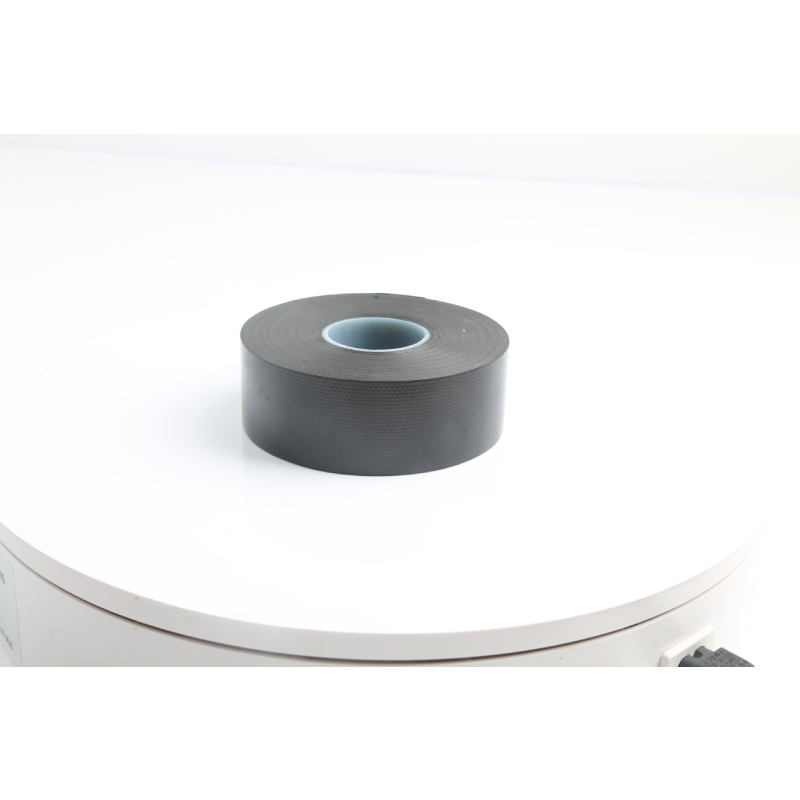
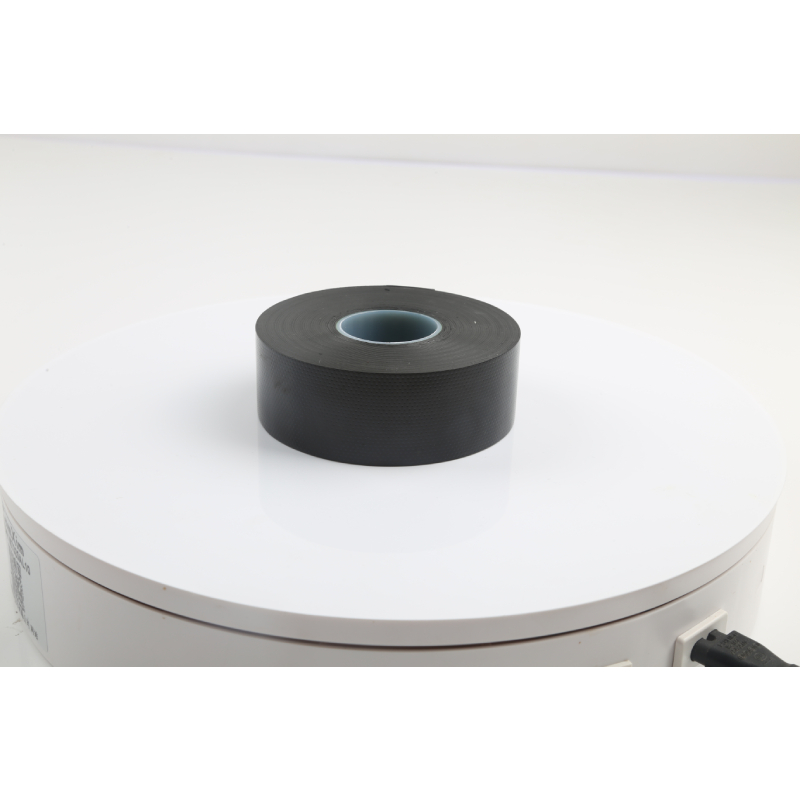
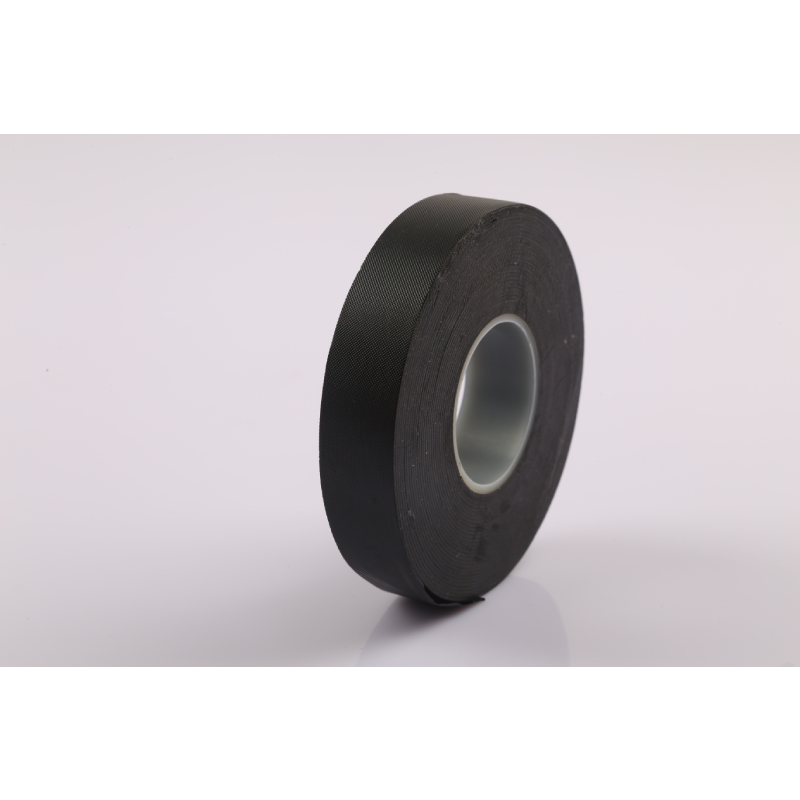
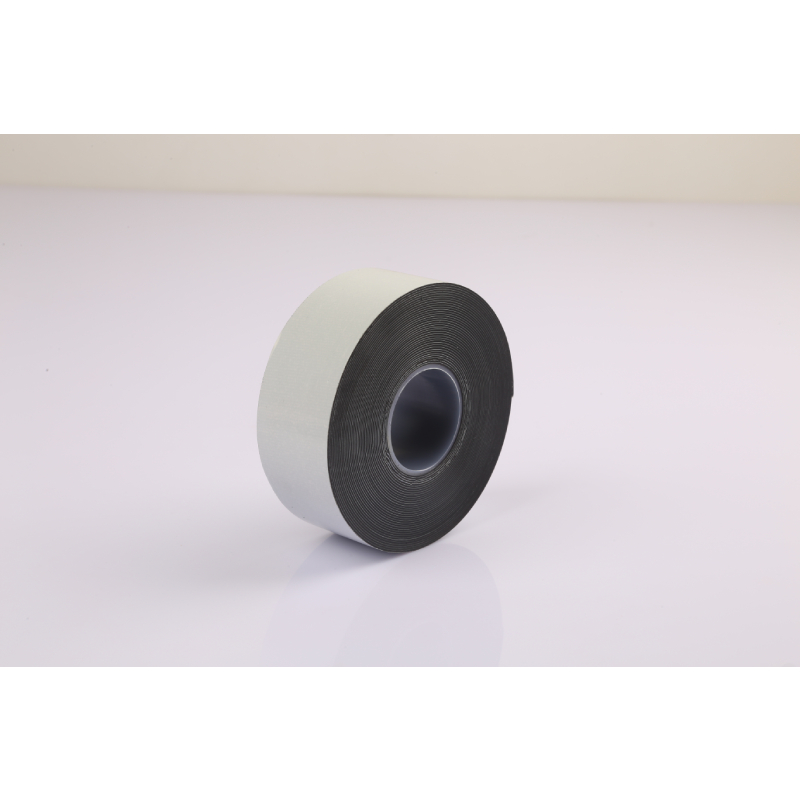
Product Snapshot: Flame Retardant Rubber Tape (XF-FRJ20)
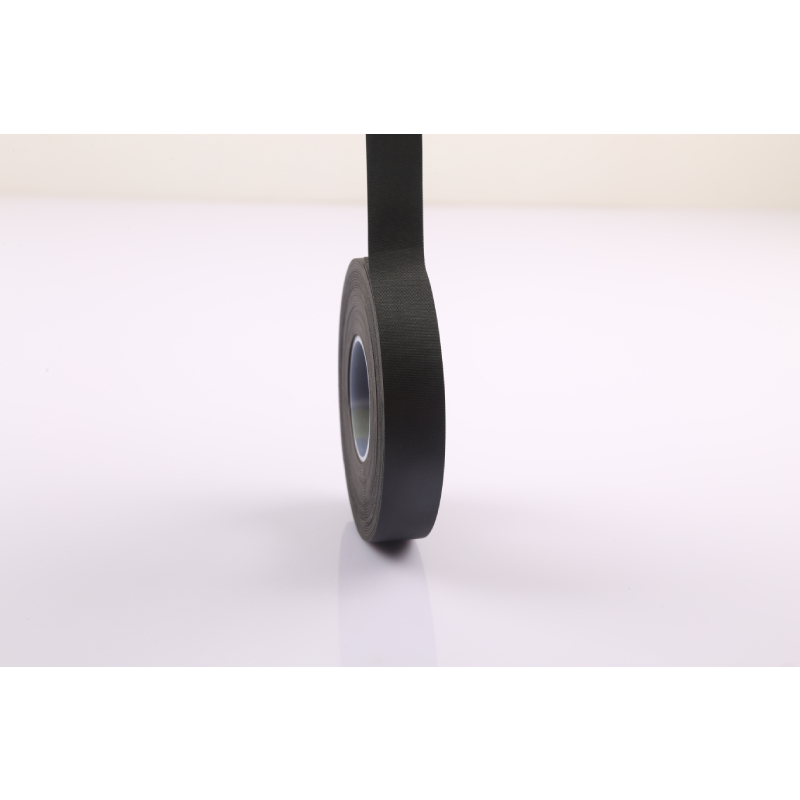
Origin: OFFICE BUILDING OF MANAGEMENT COMMITTEE OF SHIZISHAN HIGH-TECH ZONE, TONGLING, ANHUI, CHINA. Code: XF-FRJ20. Color: Black. It’s a self-adhesive, self-fusing rubber insulating tape with solid insulation characteristics—built for neat wraps and tidy splices without drips or mess.
| Property | Typical | Method / Note |
|---|---|---|
| Base polymer | EPR-based, FR-filled | Halogen-free options on request |
| Thickness | ≈ 0.75 mm | Real-world use may vary |
| Dielectric strength | ≈ 25 kV/mm | IEC 60454 family, typical for EPR |
| Elongation at break | > 400% | Conformability for odd shapes |
| Temp range | -40 to 105°C (cont.) | Short excursions higher |
| Flame behavior | Self-extinguishing | Designed to help meet UL 510 / UL 94 concepts |
| Adhesion | Self-amalgamating | No residue, solid insulating mass |
| Compliance | RoHS/REACH | Documentation available |
How It’s Made (Short Version)
Materials: EPR elastomer + flame-retardant fillers (often ATH/Mg(OH)2), antioxidants, and processing aids. Methods: internal mixing; precision calendaring; controlled partial cure; release-liner application; slit to width. Testing: dielectric strength, volume resistivity, flame spread/self-extinguish checks (UL 510 concepts), smoke/oxygen index (ASTM D2863), and heat aging. Service life is typically 10–20 years depending on load, UV, and enclosure design—honestly, enclosure heat management matters more than you’d think.
Where Engineers Use It
Cable splices and terminations, busbar wraps, EV battery peripheral harnesses, mining power skids, marine panels, railway junction boxes, and solar combiner boxes. Flame retardant tapes provide a tidy, conformal barrier and a solid insulating medium; still, they’re not a substitute for correct creepage/clearance or arc-flash PPE (NEC remains the north star).
Vendor Landscape (What Buyers Compare)
| Factor | Qiangda (XF-FRJ20) | Importer A | Brand B |
|---|---|---|---|
| Origin | Tongling, Anhui, China | Mixed | EMEA |
| Lead time | ≈ 2–4 weeks | 4–8 weeks | 3–6 weeks |
| Customization | Widths, liners, halogen-free | Limited | Moderate |
| Cert support | UL/IEC test data packs | Basic CoCs | Extensive |
| Price stability | Stable contracts | Variable | Stable |
Customization and Packaging
Options include width (10–50 mm typical), thickness ranges, liner color/print, halogen-free compounding, private label, and die-cut pads. Many integrators request kitting with IDs so field techs don’t guess—smart move.
Case Notes (Real Projects)
- Solar combiner boxes, MEA region: After switching to XF-FRJ20, a contractor reported cleaner terminations and fewer heat-discoloration service calls over one summer cycle. Not a lab result, but compelling.
- Metro rolling stock harnesses: A wire supplier used this tape in a bundle that later achieved EN 45545-2 system-level compliance. Correlation isn’t causation, I know, yet the FR tape choice reduced rework during audits.
Installers often say the self-amalgamating behavior saves time; it seems that even new techs get smooth layers after a few tries.
Bottom Line
If you’re shortlisting flame retardant tapes, weigh not just specs but also documentation, change control, and the vendor’s ability to tweak compounding for your environment. On paper many tapes look the same; in practice, process control and test reports do the talking.
Authoritative citations
- UL 510 – Standard for Adhesive Tapes, UL (https://standardscatalog.ul.com)
- IEC 60454 Series – Pressure-sensitive adhesive tapes for electrical purposes, IEC (https://webstore.iec.ch)
- ASTM D2863 – Standard Test Method for Measuring the Minimum Oxygen Concentration, ASTM (https://www.astm.org)
- ASTM D4388 – Standard for Electrical Insulating Tape, ASTM (https://www.astm.org)
- NFPA 70 – National Electrical Code, NFPA (https://www.nfpa.org)
- EN 45545-2 – Railway applications, fire protection for railway vehicles, CEN (https://standards.cencenelec.eu)
- RoHS Directive 2011/65/EU, European Commission (https://ec.europa.eu)
-
Industrial Fire Proof Tape Guide for High Temperature ProtectionNewsApr.16,2026
-
Ultimate Guide to Fireproof Tape Protection and ApplicationsNewsApr.09,2026
-
Exploring Black Tack Butyl Applications and Benefits for Optimal SealingNewsApr.07,2026
-
Comprehensive Guide to Black Butyl Rubber Tape Applications and BenefitsNewsApr.04,2026
-
Comprehensive Guide to High Power Butyl Waterproof Tape ApplicationsNewsMar.31,2026
-
Comprehensive Guide to 360tronics Butyl Waterproof Tape for Airtight and Watertight SealsNewsMar.28,2026