
Introduction to Self-fusing Silicone Rubber Tape and Industry Trends
In the demanding landscapes of industrial infrastructure, reliable insulation, sealing, and protection are paramount. A cornerstone technology addressing these critical needs is the Self-fusing Silicone Rubber Tape. This innovative material stands out due to its unique ability to coalesce into a homogeneous, void-free, insulating mass without the need for adhesives, heat, or curing agents. Its inherent properties, derived from silicone rubber, impart exceptional performance characteristics under extreme conditions, making it indispensable across a multitude of high-stakes applications.
The global market for specialized industrial tapes, including self-fusing varieties, is experiencing robust growth, driven by escalating industrialization, infrastructure development, and the increasing demand for high-performance, durable, and environmentally resilient solutions. According to recent market analyses, the silicone tape segment is projected to grow at a Compound Annual Growth Rate (CAGR) of approximately 6-8% from 2023 to 2030, largely attributed to its superior electrical insulation, thermal stability, and weather resistance compared to conventional tapes. Key drivers include expansion in renewable energy sectors (solar, wind), advancements in electric vehicle (EV) manufacturing, and the continuous need for upgrading aging power grids and communication networks. Furthermore, the stringent regulatory requirements for safety and reliability in hazardous environments compel industries to adopt advanced materials like self-fusing silicone tapes. This market evolution underscores a clear trend towards materials offering long-term reliability and reduced maintenance cycles, directly aligning with the core advantages of Self-fusing Silicone Rubber Tape.
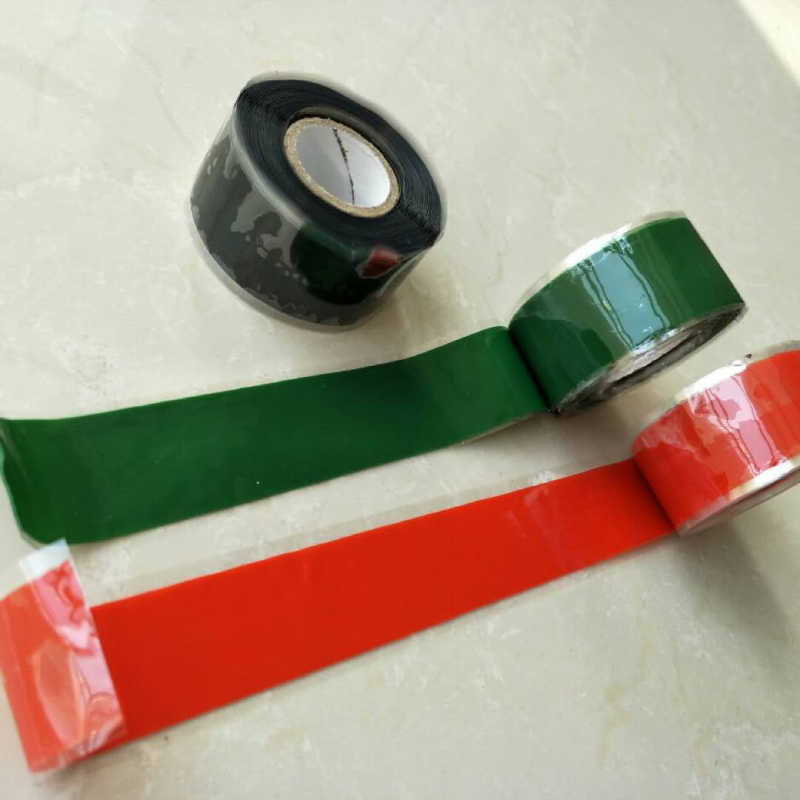
The increasing complexity of modern industrial systems necessitates tapes that can perform under dynamic stress, including vibrations, extreme temperature fluctuations, and exposure to aggressive chemicals. Self-fusing Silicone Rubber Tape perfectly addresses these challenges, offering a resilient and adaptable solution for critical sealing, splicing, and insulation tasks. Its market penetration is further boosted by its ease of application, reducing labor costs and installation time in complex field environments.
Manufacturing Process Flow of Self-fusing Silicone Rubber Tape
The production of high-quality Self-fusing Silicone Rubber Tape involves a meticulously controlled, multi-stage manufacturing process to ensure consistent product performance, purity, and reliability. This process begins with the careful selection and preparation of raw materials, primarily high-grade silicone polymers, which are known for their exceptional thermal stability and electrical properties.
1. Material Preparation and Compounding
- Silicone Polymer Selection: Utilizing high-purity polydimethylsiloxane (PDMS) as the base polymer, selected for its excellent dielectric properties, wide operating temperature range, and UV stability.
- Compounding: The silicone polymer is precisely mixed with various additives, including cross-linking agents (e.g., platinum catalysts for addition-cure systems, or organic peroxides for peroxide-cure systems), reinforcing fillers (e.g., fumed silica for mechanical strength), and pigments (for color coding) in a high-shear mixer. This process ensures homogenous dispersion and optimizes the rheological properties for subsequent steps.
2. Calendering or Extrusion
- Sheet Formation: The compounded silicone rubber is then processed into a continuous sheet using either a calendering or extrusion technique. Calendering involves passing the rubber through a series of heated rollers to achieve a uniform thickness and smooth surface. Extrusion, an alternative method, forces the rubber through a die to form the desired profile. The thickness is precisely controlled, often within microns, as this directly impacts the tape's dielectric strength and overall performance.
- Interleaved Liner Application: A critical step involves co-extruding or laminating a release liner (typically a polyester film treated with a release agent) onto one side of the silicone sheet. This liner prevents the tape from pre-fusing in the roll and allows for easy unwinding during application.
3. Curing (Vulcanization)
- Thermal Curing: The silicone sheet with its release liner then undergoes a controlled curing process in a heated oven or through a heated roller system (vulcanization). This activates the cross-linking agents, transforming the liquid or gel-like silicone into a solid, elastic, and highly durable rubber. The curing profile (temperature and time) is crucial for achieving optimal physical and electrical properties, including the tape's self-fusing capability. Over-curing or under-curing can compromise performance.
4. Slitting and Packaging
- Precision Slitting: After curing, the wide master rolls of silicone tape are transferred to precision slitting machines. These machines cut the material into the specified widths (e.g., 25mm, 38mm, 50mm) with tight tolerances.
- Quality Control & Packaging: Each roll undergoes final visual inspection and sampling for quality assurance. Rolls are then individually packaged, often in moisture-resistant materials, and boxed for shipment, ensuring product integrity until use.
Testing and Quality Standards
Throughout the manufacturing process, rigorous testing is conducted to ensure adherence to international standards such as ISO 9001 for quality management systems. Specific product performance is tested against standards like ASTM D1000 for electrical insulation tapes, or internal specifications derived from client requirements. Key tests include:
- Dielectric Strength: Measuring the maximum electric field an insulating material can withstand without breakdown (ASTM D149).
- Tensile Strength & Elongation: Assessing the material's resistance to breaking under tension and its ability to stretch before fracturing (ASTM D412).
- Volume Resistivity: Indicating the material's ability to resist electrical flow through its bulk (ASTM D257).
- Self-Fusing Time & Adhesion: Critical tests to ensure proper fusion properties under specified conditions.
- Thermal Aging: Evaluating performance after exposure to elevated temperatures for extended periods.
This meticulous process, from raw material to finished product, guarantees the superior performance and extended service life (often exceeding 20 years in typical applications) of Self-fusing Silicone Rubber Tape in target industries such as petrochemical, metallurgy, and water supply & drainage, where energy saving and corrosion resistance are critical advantages.
Technical Specifications & Performance Parameters
The robust performance of Self-fusing Silicone Rubber Tape is underscored by its impressive technical specifications, making it a preferred choice for engineers and procurement specialists seeking reliability and durability. These parameters ensure optimal function across diverse and challenging operational environments.
Key Product Specifications
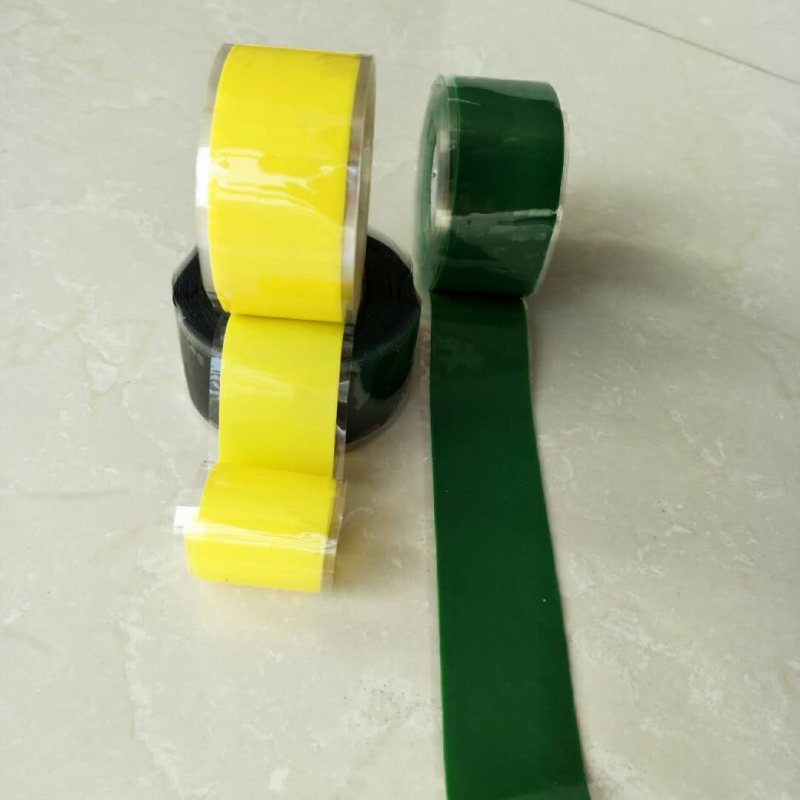
These detailed specifications highlight the superior capabilities of this material. Its high dielectric strength ensures effective electrical insulation, preventing arcing and short circuits in high-voltage applications. The exceptional elongation allows the tape to conform intimately to irregular shapes, creating a tight, void-free seal. Furthermore, the broad operating temperature range and superior resistance to UV, ozone, and moisture guarantee long-term performance and reliability in the most unforgiving environments, significantly contributing to the service life and operational efficiency of critical infrastructure.
Key Technical Advantages
The inherent properties of Self-fusing Silicone Rubber Tape offer a distinct set of technical advantages that differentiate it from conventional adhesive tapes and sealants. These benefits are particularly critical in demanding industrial environments where performance, longevity, and safety cannot be compromised.
1. Superior Self-Fusing Mechanism
Unlike traditional tapes that rely on an adhesive layer, this tape is designed to self-fuse upon application tension. When wrapped under tension, the silicone layers rapidly coalesce into a solid, inseparable, homogeneous mass. This creates an immediate, permanent, and watertight seal without glues, heat, or catalysts, eliminating concerns about adhesive degradation over time or in harsh conditions. The fused layer becomes a seamless dielectric barrier.
2. Exceptional Electrical Insulation
With a dielectric strength typically exceeding 16 kV/mm, Self-fusing Silicone Rubber Tape provides superior electrical insulation for critical components. This high breakdown voltage is crucial for protecting electrical connections, splices, and terminals from environmental ingress and preventing electrical failures, making it ideal for medium to high voltage applications up to 69kV in some formulations.
3. Extreme Temperature Stability
Silicone rubber is renowned for its thermal stability, allowing the tape to operate effectively across an extremely wide temperature range, typically from -60°C to +250°C. This resilience ensures performance integrity in both cryogenic and high-heat environments, eliminating concerns about cracking in cold or softening/melting in heat, which are common limitations for organic polymer tapes.
4. Chemical, UV, and Ozone Resistance
The tape exhibits excellent resistance to a broad spectrum of chemicals, including acids, alkalis, oils, and solvents, which is vital in industrial settings prone to spills and corrosive atmospheres. Furthermore, its inherent resistance to UV radiation and ozone prevents degradation, embrittlement, or loss of properties when exposed to outdoor elements over extended periods, providing long-term protection.
5. Watertight and Airtight Seal
The self-fusing action creates a completely seamless, insulating barrier that is impervious to moisture, dust, and air. This property is crucial for protecting sensitive electrical components from short-circuiting due to water ingress and preventing corrosion on metal surfaces, directly contributing to energy saving by reducing power losses and extending equipment lifespan by preventing premature wear. Its ability to create a hermetic seal under varying pressures is unmatched by many alternatives.
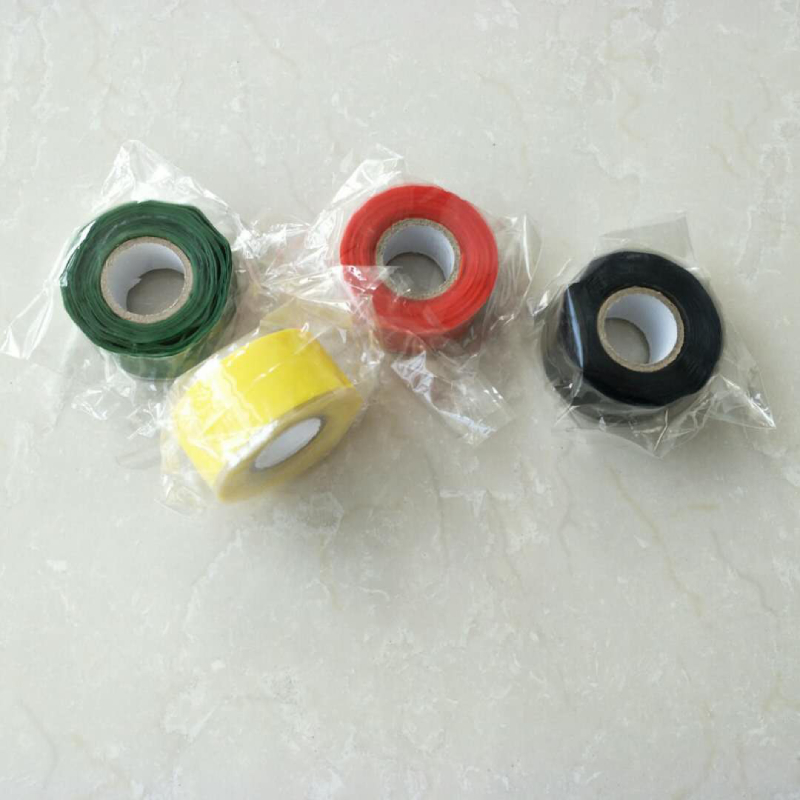
These collective advantages position Self-fusing Silicone Rubber Tape as a superior choice for applications demanding unparalleled protection and performance, significantly extending the service life of wrapped components and reducing maintenance frequencies.
Application Scenarios & Target Industries
The versatility and robust performance of Self-fusing Silicone Rubber Tape make it an indispensable material across a broad spectrum of critical applications and target industries. Its ability to insulate, seal, and protect under extreme conditions is highly valued by engineers and maintenance professionals.
Key Application Scenarios:
- Electrical Insulation & Splicing: Ideal for insulating and moisture-sealing electrical connections, cable splices, and terminations up to 69kV. It creates a robust, void-free dielectric barrier that resists tracking and corona discharge, crucial for maintaining grid integrity and safety.
- Corrosion Protection: Used to wrap pipes, fittings, and metal components to prevent corrosion caused by moisture, chemicals, and galvanic action. This extends the lifespan of infrastructure in highly corrosive environments like marine, chemical plants, and underground pipelines.
- Hose & Pipe Repair: An immediate, temporary, or permanent solution for sealing leaks in water pipes, air hoses, and fluid lines, even under pressure. Its elastic and self-fusing properties allow for quick field repairs, minimizing downtime.
- Cable Harnessing & Bundling: Bundling and securing cable harnesses in automotive, aerospace, and general industrial applications, providing vibration dampening and chafe protection.
- High-Temperature Masking & Protection: Protecting sensitive components during high-temperature painting, powder coating, or other thermal processes due to its extreme heat resistance.
- General-Purpose Repair: An essential component in field repair kits for emergency seals, securing loose components, and insulating tools.
Target Industries:
- Electrical & Utilities: From low-voltage household repairs to high-voltage power transmission line insulation, substation maintenance, and telecom cable splicing. Its superior dielectric properties and environmental resistance are critical here.
- Petrochemical & Oil & Gas: For sealing and insulating pipes, valves, and connections exposed to hydrocarbons, corrosive chemicals, and extreme temperatures, reducing leakage risks and corrosion-related failures.
- Metallurgy: Protecting sensitive sensors, wiring, and hydraulic lines near high-heat furnaces, smelters, and processing equipment from thermal damage and slag splatter.
- Water Supply & Drainage: Sealing leaky pipes, joints, and fittings in municipal and industrial water systems, preventing water loss and mitigating infrastructure damage.
- Automotive & Marine: Insulating and protecting electrical systems, wiring harnesses, and hydraulic lines in vehicles and marine vessels from moisture, salt spray, fuels, and vibrations.
- Aerospace & Defense: Used in lightweight, high-performance applications for sealing, insulating, and protecting critical electrical and hydraulic systems due to its reliability in extreme atmospheric conditions.
- Renewable Energy: Essential for insulating connections in solar panel arrays, wind turbine electrical systems, and battery storage units, providing protection against environmental exposure and ensuring operational longevity.
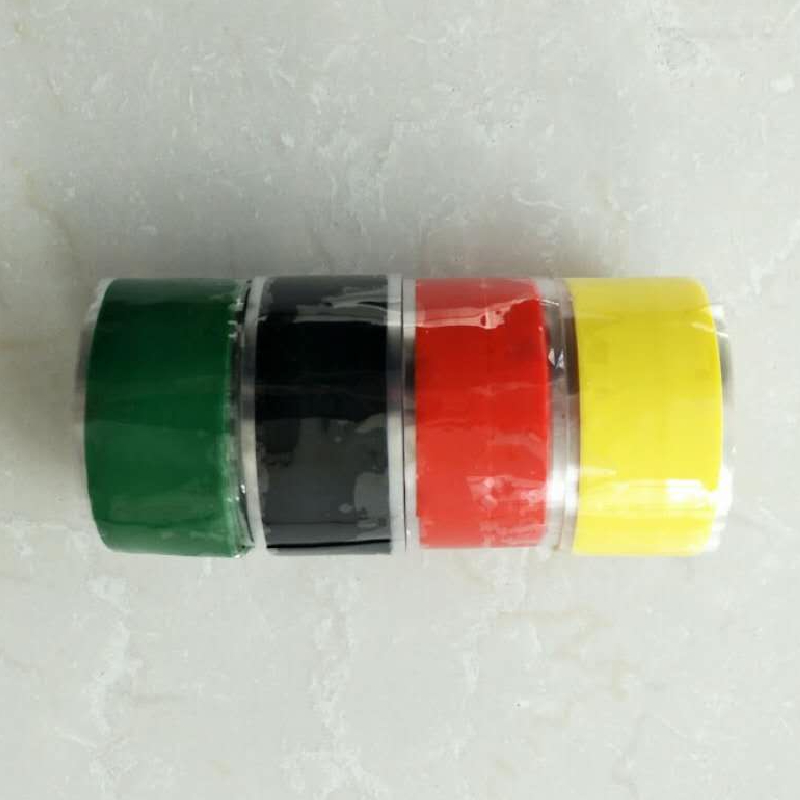
In these diverse sectors, the deployment of Self-fusing Silicone Rubber Tape directly translates to enhanced operational safety, reduced maintenance costs, extended asset lifecycles, and significant energy savings by preventing electrical losses and system inefficiencies.
Vendor Comparison and Market Positioning
When evaluating suppliers for Self-fusing Silicone Rubber Tape, B2B decision-makers consider a multitude of factors beyond just unit price. Performance consistency, technical support, customization capabilities, and certifications are crucial for ensuring long-term reliability and project success. Qiangda Tape stands out in the competitive landscape through its commitment to quality, innovation, and customer-centric solutions.
Comparative Analysis: Qiangda Tape vs. Generic Alternatives
Why Qiangda Tape for Self-fusing Silicone Rubber Tape?
As a specialized manufacturer with over a decade of experience in the industrial tape sector, Qiangda Tape has cultivated a reputation for delivering high-performance solutions. Our commitment to using premium raw materials and adherence to stringent ISO 9001:2015 quality management systems ensure that every roll of Self-fusing Silicone Rubber Tape meets the highest standards of reliability. We understand that in critical B2B applications, the cost of failure far outweighs the initial savings from inferior products. Our tapes are designed for longevity, reducing the total cost of ownership through minimized maintenance and enhanced operational uptime. We partner with leading industries globally, providing tailored solutions and exceptional pre- and post-sales technical support.
Customized Solutions and Service Excellence
Recognizing the diverse and specific requirements of B2B clients, Qiangda Tape offers comprehensive customized solutions for Self-fusing Silicone Rubber Tape. Our approach goes beyond standard product offerings to ensure perfect integration with unique application demands, backed by exceptional service and support.
Tailored Product Options:
- Dimensions: We provide custom widths and lengths to minimize waste and optimize application efficiency. Whether you require narrow strips for intricate components or extra-long rolls for large-scale projects, we can meet your specifications.
- Color Matching: Custom color options are available for specific coding, aesthetic requirements, or brand integration, allowing for easier identification and improved safety protocols.
- Material Formulations: For highly specialized applications, we can adjust the silicone formulation to enhance specific properties such as flame retardancy (meeting UL 94 V-0), increased oil resistance, or modified dielectric constants, working closely with your engineering team.
- Packaging: Custom packaging solutions, including private labeling, specific roll configurations, or bulk packaging, are offered to streamline your supply chain and operational processes.

Commitment to Service Excellence:
- Dedicated Technical Support: Our team of experienced engineers provides expert guidance from product selection to application best practices, ensuring optimal performance and troubleshooting any challenges.
- Application Engineering: We collaborate with clients to understand their unique environmental and operational constraints, providing tailored recommendations and innovative solutions leveraging our extensive R&D capabilities.
- Global Partner Clients: For over 10 years, Qiangda Tape has fostered strong relationships with industry leaders across various sectors, demonstrating our ability to meet complex demands and deliver consistent quality on a global scale. Our long-standing partnerships are a testament to our reliability and commitment to client success.
- Quality Assurance: Beyond product certifications (e.g., ISO, RoHS), our internal quality control processes involve stringent batch testing and performance verification, ensuring that every batch of Self-fusing Silicone Rubber Tape performs to its stated specifications.
By offering these comprehensive customized solutions and a strong commitment to service, Qiangda Tape ensures that clients receive not just a product, but a complete solution optimized for their specific industrial requirements, thereby fostering long-term partnerships built on trust and superior performance.
Application Case Studies
Real-world applications demonstrate the tangible benefits and reliability of Self-fusing Silicone Rubber Tape in addressing critical industrial challenges. These case studies highlight its effectiveness in enhancing operational resilience and extending equipment lifecycles.
Case Study 1: High-Voltage Substation Insulation
- Client: A major national utility provider.
- Challenge: Existing insulation on 33kV busbar connections in an outdoor substation was degrading due to prolonged UV exposure, moisture, and extreme temperature cycling, leading to potential flashovers and significant maintenance costs.
- Solution: Self-fusing Silicone Rubber Tape (25mm wide, 0.5mm thick) was applied with a 50% overlap over the busbar connections and associated hardware. The application created a seamless, weatherproof, and high-dielectric strength barrier.
- Outcome: Post-application, the substation experienced a 100% reduction in insulation-related faults over a 5-year monitoring period, compared to an average of 3 faults per year previously. The tape’s UV and ozone resistance significantly extended the lifespan of the insulation, reducing maintenance interventions by 40% and enhancing overall grid reliability.
Case Study 2: Offshore Pipeline Corrosion Prevention
- Client: A leading petrochemical company operating in the North Sea.
- Challenge: Exposed metallic components and welded joints on offshore platforms were highly susceptible to rapid corrosion from saltwater, harsh weather, and chemical exposure, necessitating frequent and costly protective coatings.
- Solution: Self-fusing Silicone Rubber Tape (50mm wide, 1.0mm thick) was used to wrap critical joints and vulnerable sections of pipelines and risers. Its ability to create a hermetic seal prevented electrolyte ingress, effectively isolating metal surfaces from corrosive elements.
- Outcome: Inspections after 3 years revealed no signs of corrosion or tape degradation on the wrapped sections, even in splash zones. This led to an estimated 30% reduction in anti-corrosion maintenance budget for protected areas and extended the predicted service life of these components by an average of 7 years, demonstrating significant operational savings and improved safety.
Case Study 3: Emergency Automotive Hose Repair
- Client: A fleet management company for heavy-duty commercial vehicles.
- Challenge: Sudden leaks in coolant hoses or air brake lines on remote job sites caused significant vehicle downtime and expensive roadside assistance calls.
- Solution: Equipping all service vehicles with Self-fusing Silicone Rubber Tape for immediate emergency repairs. Technicians were trained to apply the tape over punctures or small tears, creating a high-pressure seal.
- Outcome: In the first year, 85% of minor hose/line leaks were successfully temporarily repaired on-site by drivers or technicians, allowing vehicles to reach the nearest service center without further fluid loss or total system failure. This resulted in a 60% reduction in emergency roadside service calls related to fluid leaks and minimized operational disruptions.
These case studies underscore the practical efficacy and economic benefits of integrating high-quality Self-fusing Silicone Rubber Tape into industrial maintenance and construction protocols.
Trust & Reliability: FAQ, Lead Time, Warranty, & Support
Building trust and ensuring reliability are paramount in B2B engagements. Qiangda Tape is committed to transparent processes, robust product support, and clear commitments to customer satisfaction, particularly concerning our Self-fusing Silicone Rubber Tape solutions.
Frequently Asked Questions (FAQ)
-
Q: How does self-fusing tape work without adhesive?
A: Self-fusing Silicone Rubber Tape contains a unique silicone compound that, when stretched and wrapped upon itself, undergoes a rapid chemical and mechanical bonding process, forming a homogeneous, inseparable layer. This cold-flow fusion creates a continuous, void-free mass without the need for traditional sticky adhesives.
-
Q: Is the tape removable after application?
A: Once fused, the tape becomes a solid rubber mass and cannot be unwrapped. It must be cut away if removal is necessary. This permanent bond is what provides its superior sealing and insulating properties.
-
Q: What surface preparation is required?
A: For optimal fusion and performance, the surface should be clean and dry. While the tape is highly tolerant of various substrates, removing loose debris, oil, or excessive moisture ensures the best possible bond and seal around the component.
-
Q: Can it be used underwater?
A: Yes, one of the significant advantages of Self-fusing Silicone Rubber Tape is its ability to create a watertight seal, even when applied underwater or in constantly wet conditions. This makes it ideal for marine repairs, plumbing, and submersible electrical connections.
-
Q: What is the shelf life of the tape?
A: When stored properly in its original packaging at room temperature (10-27°C) and relative humidity below 60%, our Self-fusing Silicone Rubber Tape typically has a shelf life of 24 months from the date of manufacture.
Lead Time & Fulfillment
Qiangda Tape maintains robust production capabilities and efficient logistics networks to ensure timely delivery.
- Standard Orders: Typical lead time for standard products is 7-14 business days, depending on order volume and current production schedule.
- Customized Solutions: Lead times for custom formulations, dimensions, or colors will be provided upon detailed inquiry and depend on complexity and material availability, usually ranging from 3-5 weeks after design approval.
- Expedited Shipping: Expedited manufacturing and shipping options are available upon request to meet urgent project deadlines.
- Global Distribution: We facilitate shipping worldwide, working with trusted logistics partners to ensure secure and efficient delivery to your specified location.
Warranty Commitments
Qiangda Tape stands behind the quality and performance of its Self-fusing Silicone Rubber Tape. We offer a comprehensive warranty against manufacturing defects and material non-conformance for a period of 12 months from the date of purchase. This warranty covers material and workmanship under normal use and service conditions. Full details of our warranty policy are available upon request and are provided with every order.
Customer Support Information
Our dedicated customer support team is available to assist you with inquiries, technical specifications, order placement, and after-sales support.
- Technical Assistance: For application guidance or in-depth technical specifications, please contact our engineering support team via email at techsupport@qiangdatape.com.
- Sales Inquiries: For quotes, orders, or product information, reach our sales department at sales@qiangdatape.com.
- General Inquiries: Call us at +86-XXXX-XXXX (replace with actual number) during business hours (Monday-Friday, 9:00 AM - 5:00 PM GMT+8).
- Website: For further information and product catalog, visit our official website: https://www.qiangdatape.com.
Conclusion and References
The deployment of high-performance Self-fusing Silicone Rubber Tape is a strategic decision for industries demanding robust, long-lasting, and reliable solutions for insulation, sealing, and protection. Its unique self-fusing properties, coupled with exceptional dielectric strength, thermal stability, and environmental resistance, position it as a superior alternative to traditional materials. By understanding its detailed manufacturing process, comprehensive technical specifications, and myriad application benefits, B2B decision-makers can leverage this advanced material to enhance operational safety, extend infrastructure lifespan, and achieve significant cost efficiencies through reduced maintenance and improved system integrity. Qiangda Tape is committed to being a trusted partner, delivering not only premium products but also the technical expertise and support necessary for successful implementation across diverse and challenging industrial environments.
References
- ASTM International. (n.d.). ASTM Standards for Electrical Insulating Materials. Retrieved from www.astm.org
- IEC. (n.d.). International Electrotechnical Commission Standards. Retrieved from www.iec.ch
- Mordor Intelligence. (2023). Silicone Tapes Market – Growth, Trends, COVID-19 Impact, and Forecasts (2023 – 2028). (Market research report, specific details may vary by report year).
- R.G. G. (2018). Handbook of Electrical Engineering: For Practitioners in the Oil, Gas and Petrochemical Industry. Gulf Professional Publishing.
- ISO. (n.d.). ISO 9001 Quality Management. Retrieved from www.iso.org
-
Industrial Fire Proof Tape Guide for High Temperature ProtectionNewsApr.16,2026
-
Ultimate Guide to Fireproof Tape Protection and ApplicationsNewsApr.09,2026
-
Exploring Black Tack Butyl Applications and Benefits for Optimal SealingNewsApr.07,2026
-
Comprehensive Guide to Black Butyl Rubber Tape Applications and BenefitsNewsApr.04,2026
-
Comprehensive Guide to High Power Butyl Waterproof Tape ApplicationsNewsMar.31,2026
-
Comprehensive Guide to 360tronics Butyl Waterproof Tape for Airtight and Watertight SealsNewsMar.28,2026
Introduction to Self-fusing Silicone Rubber Tape and Industry Trends
In the demanding landscapes of industrial infrastructure, reliable insulation, sealing, and protection are paramount. A cornerstone technology addressing these critical needs is the Self-fusing Silicone Rubber Tape. This innovative material stands out due to its unique ability to coalesce into a homogeneous, void-free, insulating mass without the need for adhesives, heat, or curing agents. Its inherent properties, derived from silicone rubber, impart exceptional performance characteristics under extreme conditions, making it indispensable across a multitude of high-stakes applications.
The global market for specialized industrial tapes, including self-fusing varieties, is experiencing robust growth, driven by escalating industrialization, infrastructure development, and the increasing demand for high-performance, durable, and environmentally resilient solutions. According to recent market analyses, the silicone tape segment is projected to grow at a Compound Annual Growth Rate (CAGR) of approximately 6-8% from 2023 to 2030, largely attributed to its superior electrical insulation, thermal stability, and weather resistance compared to conventional tapes. Key drivers include expansion in renewable energy sectors (solar, wind), advancements in electric vehicle (EV) manufacturing, and the continuous need for upgrading aging power grids and communication networks. Furthermore, the stringent regulatory requirements for safety and reliability in hazardous environments compel industries to adopt advanced materials like self-fusing silicone tapes. This market evolution underscores a clear trend towards materials offering long-term reliability and reduced maintenance cycles, directly aligning with the core advantages of Self-fusing Silicone Rubber Tape.
The increasing complexity of modern industrial systems necessitates tapes that can perform under dynamic stress, including vibrations, extreme temperature fluctuations, and exposure to aggressive chemicals. Self-fusing Silicone Rubber Tape perfectly addresses these challenges, offering a resilient and adaptable solution for critical sealing, splicing, and insulation tasks. Its market penetration is further boosted by its ease of application, reducing labor costs and installation time in complex field environments.
Manufacturing Process Flow of Self-fusing Silicone Rubber Tape
The production of high-quality Self-fusing Silicone Rubber Tape involves a meticulously controlled, multi-stage manufacturing process to ensure consistent product performance, purity, and reliability. This process begins with the careful selection and preparation of raw materials, primarily high-grade silicone polymers, which are known for their exceptional thermal stability and electrical properties.
1. Material Preparation and Compounding
- Silicone Polymer Selection: Utilizing high-purity polydimethylsiloxane (PDMS) as the base polymer, selected for its excellent dielectric properties, wide operating temperature range, and UV stability.
- Compounding: The silicone polymer is precisely mixed with various additives, including cross-linking agents (e.g., platinum catalysts for addition-cure systems, or organic peroxides for peroxide-cure systems), reinforcing fillers (e.g., fumed silica for mechanical strength), and pigments (for color coding) in a high-shear mixer. This process ensures homogenous dispersion and optimizes the rheological properties for subsequent steps.
2. Calendering or Extrusion
- Sheet Formation: The compounded silicone rubber is then processed into a continuous sheet using either a calendering or extrusion technique. Calendering involves passing the rubber through a series of heated rollers to achieve a uniform thickness and smooth surface. Extrusion, an alternative method, forces the rubber through a die to form the desired profile. The thickness is precisely controlled, often within microns, as this directly impacts the tape's dielectric strength and overall performance.
- Interleaved Liner Application: A critical step involves co-extruding or laminating a release liner (typically a polyester film treated with a release agent) onto one side of the silicone sheet. This liner prevents the tape from pre-fusing in the roll and allows for easy unwinding during application.
3. Curing (Vulcanization)
- Thermal Curing: The silicone sheet with its release liner then undergoes a controlled curing process in a heated oven or through a heated roller system (vulcanization). This activates the cross-linking agents, transforming the liquid or gel-like silicone into a solid, elastic, and highly durable rubber. The curing profile (temperature and time) is crucial for achieving optimal physical and electrical properties, including the tape's self-fusing capability. Over-curing or under-curing can compromise performance.
4. Slitting and Packaging
- Precision Slitting: After curing, the wide master rolls of silicone tape are transferred to precision slitting machines. These machines cut the material into the specified widths (e.g., 25mm, 38mm, 50mm) with tight tolerances.
- Quality Control & Packaging: Each roll undergoes final visual inspection and sampling for quality assurance. Rolls are then individually packaged, often in moisture-resistant materials, and boxed for shipment, ensuring product integrity until use.
Testing and Quality Standards
Throughout the manufacturing process, rigorous testing is conducted to ensure adherence to international standards such as ISO 9001 for quality management systems. Specific product performance is tested against standards like ASTM D1000 for electrical insulation tapes, or internal specifications derived from client requirements. Key tests include:
- Dielectric Strength: Measuring the maximum electric field an insulating material can withstand without breakdown (ASTM D149).
- Tensile Strength & Elongation: Assessing the material's resistance to breaking under tension and its ability to stretch before fracturing (ASTM D412).
- Volume Resistivity: Indicating the material's ability to resist electrical flow through its bulk (ASTM D257).
- Self-Fusing Time & Adhesion: Critical tests to ensure proper fusion properties under specified conditions.
- Thermal Aging: Evaluating performance after exposure to elevated temperatures for extended periods.
This meticulous process, from raw material to finished product, guarantees the superior performance and extended service life (often exceeding 20 years in typical applications) of Self-fusing Silicone Rubber Tape in target industries such as petrochemical, metallurgy, and water supply & drainage, where energy saving and corrosion resistance are critical advantages.
Technical Specifications & Performance Parameters
The robust performance of Self-fusing Silicone Rubber Tape is underscored by its impressive technical specifications, making it a preferred choice for engineers and procurement specialists seeking reliability and durability. These parameters ensure optimal function across diverse and challenging operational environments.
Key Product Specifications
These detailed specifications highlight the superior capabilities of this material. Its high dielectric strength ensures effective electrical insulation, preventing arcing and short circuits in high-voltage applications. The exceptional elongation allows the tape to conform intimately to irregular shapes, creating a tight, void-free seal. Furthermore, the broad operating temperature range and superior resistance to UV, ozone, and moisture guarantee long-term performance and reliability in the most unforgiving environments, significantly contributing to the service life and operational efficiency of critical infrastructure.
Key Technical Advantages
The inherent properties of Self-fusing Silicone Rubber Tape offer a distinct set of technical advantages that differentiate it from conventional adhesive tapes and sealants. These benefits are particularly critical in demanding industrial environments where performance, longevity, and safety cannot be compromised.
1. Superior Self-Fusing Mechanism
Unlike traditional tapes that rely on an adhesive layer, this tape is designed to self-fuse upon application tension. When wrapped under tension, the silicone layers rapidly coalesce into a solid, inseparable, homogeneous mass. This creates an immediate, permanent, and watertight seal without glues, heat, or catalysts, eliminating concerns about adhesive degradation over time or in harsh conditions. The fused layer becomes a seamless dielectric barrier.
2. Exceptional Electrical Insulation
With a dielectric strength typically exceeding 16 kV/mm, Self-fusing Silicone Rubber Tape provides superior electrical insulation for critical components. This high breakdown voltage is crucial for protecting electrical connections, splices, and terminals from environmental ingress and preventing electrical failures, making it ideal for medium to high voltage applications up to 69kV in some formulations.
3. Extreme Temperature Stability
Silicone rubber is renowned for its thermal stability, allowing the tape to operate effectively across an extremely wide temperature range, typically from -60°C to +250°C. This resilience ensures performance integrity in both cryogenic and high-heat environments, eliminating concerns about cracking in cold or softening/melting in heat, which are common limitations for organic polymer tapes.
4. Chemical, UV, and Ozone Resistance
The tape exhibits excellent resistance to a broad spectrum of chemicals, including acids, alkalis, oils, and solvents, which is vital in industrial settings prone to spills and corrosive atmospheres. Furthermore, its inherent resistance to UV radiation and ozone prevents degradation, embrittlement, or loss of properties when exposed to outdoor elements over extended periods, providing long-term protection.
5. Watertight and Airtight Seal
The self-fusing action creates a completely seamless, insulating barrier that is impervious to moisture, dust, and air. This property is crucial for protecting sensitive electrical components from short-circuiting due to water ingress and preventing corrosion on metal surfaces, directly contributing to energy saving by reducing power losses and extending equipment lifespan by preventing premature wear. Its ability to create a hermetic seal under varying pressures is unmatched by many alternatives.
These collective advantages position Self-fusing Silicone Rubber Tape as a superior choice for applications demanding unparalleled protection and performance, significantly extending the service life of wrapped components and reducing maintenance frequencies.
Application Scenarios & Target Industries
The versatility and robust performance of Self-fusing Silicone Rubber Tape make it an indispensable material across a broad spectrum of critical applications and target industries. Its ability to insulate, seal, and protect under extreme conditions is highly valued by engineers and maintenance professionals.
Key Application Scenarios:
- Electrical Insulation & Splicing: Ideal for insulating and moisture-sealing electrical connections, cable splices, and terminations up to 69kV. It creates a robust, void-free dielectric barrier that resists tracking and corona discharge, crucial for maintaining grid integrity and safety.
- Corrosion Protection: Used to wrap pipes, fittings, and metal components to prevent corrosion caused by moisture, chemicals, and galvanic action. This extends the lifespan of infrastructure in highly corrosive environments like marine, chemical plants, and underground pipelines.
- Hose & Pipe Repair: An immediate, temporary, or permanent solution for sealing leaks in water pipes, air hoses, and fluid lines, even under pressure. Its elastic and self-fusing properties allow for quick field repairs, minimizing downtime.
- Cable Harnessing & Bundling: Bundling and securing cable harnesses in automotive, aerospace, and general industrial applications, providing vibration dampening and chafe protection.
- High-Temperature Masking & Protection: Protecting sensitive components during high-temperature painting, powder coating, or other thermal processes due to its extreme heat resistance.
- General-Purpose Repair: An essential component in field repair kits for emergency seals, securing loose components, and insulating tools.
Target Industries:
- Electrical & Utilities: From low-voltage household repairs to high-voltage power transmission line insulation, substation maintenance, and telecom cable splicing. Its superior dielectric properties and environmental resistance are critical here.
- Petrochemical & Oil & Gas: For sealing and insulating pipes, valves, and connections exposed to hydrocarbons, corrosive chemicals, and extreme temperatures, reducing leakage risks and corrosion-related failures.
- Metallurgy: Protecting sensitive sensors, wiring, and hydraulic lines near high-heat furnaces, smelters, and processing equipment from thermal damage and slag splatter.
- Water Supply & Drainage: Sealing leaky pipes, joints, and fittings in municipal and industrial water systems, preventing water loss and mitigating infrastructure damage.
- Automotive & Marine: Insulating and protecting electrical systems, wiring harnesses, and hydraulic lines in vehicles and marine vessels from moisture, salt spray, fuels, and vibrations.
- Aerospace & Defense: Used in lightweight, high-performance applications for sealing, insulating, and protecting critical electrical and hydraulic systems due to its reliability in extreme atmospheric conditions.
- Renewable Energy: Essential for insulating connections in solar panel arrays, wind turbine electrical systems, and battery storage units, providing protection against environmental exposure and ensuring operational longevity.
In these diverse sectors, the deployment of Self-fusing Silicone Rubber Tape directly translates to enhanced operational safety, reduced maintenance costs, extended asset lifecycles, and significant energy savings by preventing electrical losses and system inefficiencies.
Vendor Comparison and Market Positioning
When evaluating suppliers for Self-fusing Silicone Rubber Tape, B2B decision-makers consider a multitude of factors beyond just unit price. Performance consistency, technical support, customization capabilities, and certifications are crucial for ensuring long-term reliability and project success. Qiangda Tape stands out in the competitive landscape through its commitment to quality, innovation, and customer-centric solutions.
Comparative Analysis: Qiangda Tape vs. Generic Alternatives
Why Qiangda Tape for Self-fusing Silicone Rubber Tape?
As a specialized manufacturer with over a decade of experience in the industrial tape sector, Qiangda Tape has cultivated a reputation for delivering high-performance solutions. Our commitment to using premium raw materials and adherence to stringent ISO 9001:2015 quality management systems ensure that every roll of Self-fusing Silicone Rubber Tape meets the highest standards of reliability. We understand that in critical B2B applications, the cost of failure far outweighs the initial savings from inferior products. Our tapes are designed for longevity, reducing the total cost of ownership through minimized maintenance and enhanced operational uptime. We partner with leading industries globally, providing tailored solutions and exceptional pre- and post-sales technical support.
Customized Solutions and Service Excellence
Recognizing the diverse and specific requirements of B2B clients, Qiangda Tape offers comprehensive customized solutions for Self-fusing Silicone Rubber Tape. Our approach goes beyond standard product offerings to ensure perfect integration with unique application demands, backed by exceptional service and support.
Tailored Product Options:
- Dimensions: We provide custom widths and lengths to minimize waste and optimize application efficiency. Whether you require narrow strips for intricate components or extra-long rolls for large-scale projects, we can meet your specifications.
- Color Matching: Custom color options are available for specific coding, aesthetic requirements, or brand integration, allowing for easier identification and improved safety protocols.
- Material Formulations: For highly specialized applications, we can adjust the silicone formulation to enhance specific properties such as flame retardancy (meeting UL 94 V-0), increased oil resistance, or modified dielectric constants, working closely with your engineering team.
- Packaging: Custom packaging solutions, including private labeling, specific roll configurations, or bulk packaging, are offered to streamline your supply chain and operational processes.
Commitment to Service Excellence:
- Dedicated Technical Support: Our team of experienced engineers provides expert guidance from product selection to application best practices, ensuring optimal performance and troubleshooting any challenges.
- Application Engineering: We collaborate with clients to understand their unique environmental and operational constraints, providing tailored recommendations and innovative solutions leveraging our extensive R&D capabilities.
- Global Partner Clients: For over 10 years, Qiangda Tape has fostered strong relationships with industry leaders across various sectors, demonstrating our ability to meet complex demands and deliver consistent quality on a global scale. Our long-standing partnerships are a testament to our reliability and commitment to client success.
- Quality Assurance: Beyond product certifications (e.g., ISO, RoHS), our internal quality control processes involve stringent batch testing and performance verification, ensuring that every batch of Self-fusing Silicone Rubber Tape performs to its stated specifications.
By offering these comprehensive customized solutions and a strong commitment to service, Qiangda Tape ensures that clients receive not just a product, but a complete solution optimized for their specific industrial requirements, thereby fostering long-term partnerships built on trust and superior performance.
Application Case Studies
Real-world applications demonstrate the tangible benefits and reliability of Self-fusing Silicone Rubber Tape in addressing critical industrial challenges. These case studies highlight its effectiveness in enhancing operational resilience and extending equipment lifecycles.
Case Study 1: High-Voltage Substation Insulation
- Client: A major national utility provider.
- Challenge: Existing insulation on 33kV busbar connections in an outdoor substation was degrading due to prolonged UV exposure, moisture, and extreme temperature cycling, leading to potential flashovers and significant maintenance costs.
- Solution: Self-fusing Silicone Rubber Tape (25mm wide, 0.5mm thick) was applied with a 50% overlap over the busbar connections and associated hardware. The application created a seamless, weatherproof, and high-dielectric strength barrier.
- Outcome: Post-application, the substation experienced a 100% reduction in insulation-related faults over a 5-year monitoring period, compared to an average of 3 faults per year previously. The tape’s UV and ozone resistance significantly extended the lifespan of the insulation, reducing maintenance interventions by 40% and enhancing overall grid reliability.
Case Study 2: Offshore Pipeline Corrosion Prevention
- Client: A leading petrochemical company operating in the North Sea.
- Challenge: Exposed metallic components and welded joints on offshore platforms were highly susceptible to rapid corrosion from saltwater, harsh weather, and chemical exposure, necessitating frequent and costly protective coatings.
- Solution: Self-fusing Silicone Rubber Tape (50mm wide, 1.0mm thick) was used to wrap critical joints and vulnerable sections of pipelines and risers. Its ability to create a hermetic seal prevented electrolyte ingress, effectively isolating metal surfaces from corrosive elements.
- Outcome: Inspections after 3 years revealed no signs of corrosion or tape degradation on the wrapped sections, even in splash zones. This led to an estimated 30% reduction in anti-corrosion maintenance budget for protected areas and extended the predicted service life of these components by an average of 7 years, demonstrating significant operational savings and improved safety.
Case Study 3: Emergency Automotive Hose Repair
- Client: A fleet management company for heavy-duty commercial vehicles.
- Challenge: Sudden leaks in coolant hoses or air brake lines on remote job sites caused significant vehicle downtime and expensive roadside assistance calls.
- Solution: Equipping all service vehicles with Self-fusing Silicone Rubber Tape for immediate emergency repairs. Technicians were trained to apply the tape over punctures or small tears, creating a high-pressure seal.
- Outcome: In the first year, 85% of minor hose/line leaks were successfully temporarily repaired on-site by drivers or technicians, allowing vehicles to reach the nearest service center without further fluid loss or total system failure. This resulted in a 60% reduction in emergency roadside service calls related to fluid leaks and minimized operational disruptions.
These case studies underscore the practical efficacy and economic benefits of integrating high-quality Self-fusing Silicone Rubber Tape into industrial maintenance and construction protocols.
Trust & Reliability: FAQ, Lead Time, Warranty, & Support
Building trust and ensuring reliability are paramount in B2B engagements. Qiangda Tape is committed to transparent processes, robust product support, and clear commitments to customer satisfaction, particularly concerning our Self-fusing Silicone Rubber Tape solutions.
Frequently Asked Questions (FAQ)
-
Q: How does self-fusing tape work without adhesive?
A: Self-fusing Silicone Rubber Tape contains a unique silicone compound that, when stretched and wrapped upon itself, undergoes a rapid chemical and mechanical bonding process, forming a homogeneous, inseparable layer. This cold-flow fusion creates a continuous, void-free mass without the need for traditional sticky adhesives.
-
Q: Is the tape removable after application?
A: Once fused, the tape becomes a solid rubber mass and cannot be unwrapped. It must be cut away if removal is necessary. This permanent bond is what provides its superior sealing and insulating properties.
-
Q: What surface preparation is required?
A: For optimal fusion and performance, the surface should be clean and dry. While the tape is highly tolerant of various substrates, removing loose debris, oil, or excessive moisture ensures the best possible bond and seal around the component.
-
Q: Can it be used underwater?
A: Yes, one of the significant advantages of Self-fusing Silicone Rubber Tape is its ability to create a watertight seal, even when applied underwater or in constantly wet conditions. This makes it ideal for marine repairs, plumbing, and submersible electrical connections.
-
Q: What is the shelf life of the tape?
A: When stored properly in its original packaging at room temperature (10-27°C) and relative humidity below 60%, our Self-fusing Silicone Rubber Tape typically has a shelf life of 24 months from the date of manufacture.
Lead Time & Fulfillment
Qiangda Tape maintains robust production capabilities and efficient logistics networks to ensure timely delivery.
- Standard Orders: Typical lead time for standard products is 7-14 business days, depending on order volume and current production schedule.
- Customized Solutions: Lead times for custom formulations, dimensions, or colors will be provided upon detailed inquiry and depend on complexity and material availability, usually ranging from 3-5 weeks after design approval.
- Expedited Shipping: Expedited manufacturing and shipping options are available upon request to meet urgent project deadlines.
- Global Distribution: We facilitate shipping worldwide, working with trusted logistics partners to ensure secure and efficient delivery to your specified location.
Warranty Commitments
Qiangda Tape stands behind the quality and performance of its Self-fusing Silicone Rubber Tape. We offer a comprehensive warranty against manufacturing defects and material non-conformance for a period of 12 months from the date of purchase. This warranty covers material and workmanship under normal use and service conditions. Full details of our warranty policy are available upon request and are provided with every order.
Customer Support Information
Our dedicated customer support team is available to assist you with inquiries, technical specifications, order placement, and after-sales support.
- Technical Assistance: For application guidance or in-depth technical specifications, please contact our engineering support team via email at techsupport@qiangdatape.com.
- Sales Inquiries: For quotes, orders, or product information, reach our sales department at sales@qiangdatape.com.
- General Inquiries: Call us at +86-XXXX-XXXX (replace with actual number) during business hours (Monday-Friday, 9:00 AM - 5:00 PM GMT+8).
- Website: For further information and product catalog, visit our official website: https://www.qiangdatape.com.
Conclusion and References
The deployment of high-performance Self-fusing Silicone Rubber Tape is a strategic decision for industries demanding robust, long-lasting, and reliable solutions for insulation, sealing, and protection. Its unique self-fusing properties, coupled with exceptional dielectric strength, thermal stability, and environmental resistance, position it as a superior alternative to traditional materials. By understanding its detailed manufacturing process, comprehensive technical specifications, and myriad application benefits, B2B decision-makers can leverage this advanced material to enhance operational safety, extend infrastructure lifespan, and achieve significant cost efficiencies through reduced maintenance and improved system integrity. Qiangda Tape is committed to being a trusted partner, delivering not only premium products but also the technical expertise and support necessary for successful implementation across diverse and challenging industrial environments.
References
- ASTM International. (n.d.). ASTM Standards for Electrical Insulating Materials. Retrieved from www.astm.org
- IEC. (n.d.). International Electrotechnical Commission Standards. Retrieved from www.iec.ch
- Mordor Intelligence. (2023). Silicone Tapes Market – Growth, Trends, COVID-19 Impact, and Forecasts (2023 – 2028). (Market research report, specific details may vary by report year).
- R.G. G. (2018). Handbook of Electrical Engineering: For Practitioners in the Oil, Gas and Petrochemical Industry. Gulf Professional Publishing.
- ISO. (n.d.). ISO 9001 Quality Management. Retrieved from www.iso.org
-
Industrial Fire Proof Tape Guide for High Temperature ProtectionNewsApr.16,2026
-
Ultimate Guide to Fireproof Tape Protection and ApplicationsNewsApr.09,2026
-
Exploring Black Tack Butyl Applications and Benefits for Optimal SealingNewsApr.07,2026
-
Comprehensive Guide to Black Butyl Rubber Tape Applications and BenefitsNewsApr.04,2026
-
Comprehensive Guide to High Power Butyl Waterproof Tape ApplicationsNewsMar.31,2026
-
Comprehensive Guide to 360tronics Butyl Waterproof Tape for Airtight and Watertight SealsNewsMar.28,2026