
The Imperative Role of High-Performance Electrical Insulation
In the realm of advanced electrical engineering and manufacturing, the integrity and longevity of power systems fundamentally rely on superior insulation materials. Among these, cambric tape stands out as a critical component, renowned for its exceptional dielectric strength and mechanical robustness. Specifically, varnished cambric tape and its modern iterations like fiberglass insulating tape have become indispensable for applications demanding high thermal endurance and reliable electrical isolation. This detailed guide explores the technical intricacies, market relevance, and application advantages of these sophisticated insulating materials.
Modern electrical systems, from large-scale power transformers to intricate motor windings, require insulation solutions that can withstand extreme operational conditions, including high temperatures, voltage stresses, and environmental aggressors. Fiberglass tape for electrical insulation, often featuring specialized varnishes, offers a compelling combination of properties that ensures both safety and optimal performance.
Industry Trends and Market Dynamics in Electrical Insulation
The global electrical insulation market is experiencing robust growth, driven by several key factors. The expanding energy sector, particularly investments in renewable energy infrastructure (wind, solar) and smart grids, necessitates advanced insulation materials capable of sustained performance in demanding environments. Urbanization and industrialization across emerging economies fuel demand for power generation, transmission, and distribution equipment, all requiring reliable insulation.
Technological advancements are also shaping the market, with an increasing focus on higher efficiency, compact designs, and extended service life for electrical apparatus. This translates into a strong demand for materials like varnished cambric tape that offer superior thermal stability and dielectric strength. Environmental regulations are also pushing manufacturers towards more eco-friendly and sustainable insulation solutions, although performance remains paramount.
Industry data suggests a steady compound annual growth rate (CAGR) for the electrical insulation market, projected to reach significant valuations by the end of the decade. This growth underscores the critical role of specialized products such as fiberglass insulating tape in supporting the evolution and reliability of global electrical systems.
Technical Specifications and Material Science of Varnished Cambric Tape
The efficacy of cambric tape stems from its carefully engineered composition. Traditionally, cambric refers to a finely woven cotton fabric. However, for high-performance electrical insulation, the base material has largely evolved to alkali-free fiberglass fabric due to its superior thermal and mechanical properties. This fabric provides excellent tensile strength and dimensional stability.
The fiberglass fabric is then impregnated with high-quality insulating varnishes, such as oil-based alkyd, polyurethane, silicone, or epoxy resins. These varnishes are crucial as they enhance the dielectric strength, moisture resistance, and chemical resistance of the tape. The selection of varnish depends on the specific thermal class and environmental demands of the application.
Key Product Specifications: Fiberglass Yellow Varnished Insulating Tape
| Parameter | Typical Value | Standard (Reference) |
|---|---|---|
| Base Material | Alkali-free Fiberglass Fabric | — |
| Varnish Type | Oleoresin (Oil-based Alkyd) | — |
| Color | Yellow | — |
| Thickness Range | 0.10mm - 0.25mm | IEC 60626-3 |
| Dielectric Strength (min) | 10 kV/mm | ASTM D1000 |
| Tensile Strength (min) | 200 N/10mm (0.15mm thick) | IEC 60626-2 |
| Temperature Class | F (155°C) | IEC 60085 |
| Adhesion to Steel (min) | 2.5 N/10mm | ASTM D1000 |
| Oil Resistance | Excellent | — |
| Storage Life | 12 months (under specified conditions) | — |
Note: Specifications can vary based on specific product formulations and manufacturing processes. Always refer to the manufacturer's official data sheets for precise values.
Detailed Manufacturing Process of Cambric Tape
The production of high-quality fiberglass insulating tape involves a series of meticulously controlled steps to ensure consistent performance and reliability. The process begins with the selection of premium raw materials and culminates in rigorous testing.
1. Fabric Preparation & Inspection
High-grade alkali-free fiberglass fabric is sourced. This fabric undergoes initial inspection for uniformity, weave consistency, and freedom from defects. It's crucial for the base material to be clean and free of contaminants to ensure optimal varnish adhesion and dielectric performance.
2. Varnish Impregnation
The fiberglass fabric is passed through a bath of specially formulated insulating varnish (e.g., oleoresin, polyurethane, or silicone). This process, often referred to as casting or dipping, ensures complete saturation of the fabric fibers. Precise control of viscosity and temperature is vital for uniform impregnation.
3. Curing and Baking
After impregnation, the varnished fabric is fed into a multi-zone drying oven where it undergoes a controlled curing process (baking). This stage polymerizes the varnish, transforming it from a liquid to a solid, durable insulating layer. Temperature profiles and dwell times are precisely managed to achieve optimal mechanical and electrical properties.
4. Slitting and Winding
Once cured, the continuous sheet of varnish cambric tape is cooled and then precisely slit into various widths according to customer requirements. These narrower tapes are then wound onto cores, typically in specified lengths, ready for packaging. CNC machining ensures accurate cutting and winding.
5. Quality Control and Testing
Throughout the process, and especially after completion, the tapes undergo stringent quality control. Testing includes dielectric strength (IEC 60626, ASTM D1000), tensile strength, thickness uniformity, temperature resistance (IEC 60085), and visual inspection. Compliance with standards like ISO 9001 and specific industry requirements (e.g., ANSI) ensures product integrity and reliability.
The service life of a well-manufactured cambric tape product, when applied correctly within its specified thermal class, can extend for decades, mirroring the operational life of the equipment it insulates. This longevity is critical for target industries such as power generation, petrochemicals, metallurgy, and water supply & drainage, where equipment downtime is highly costly.
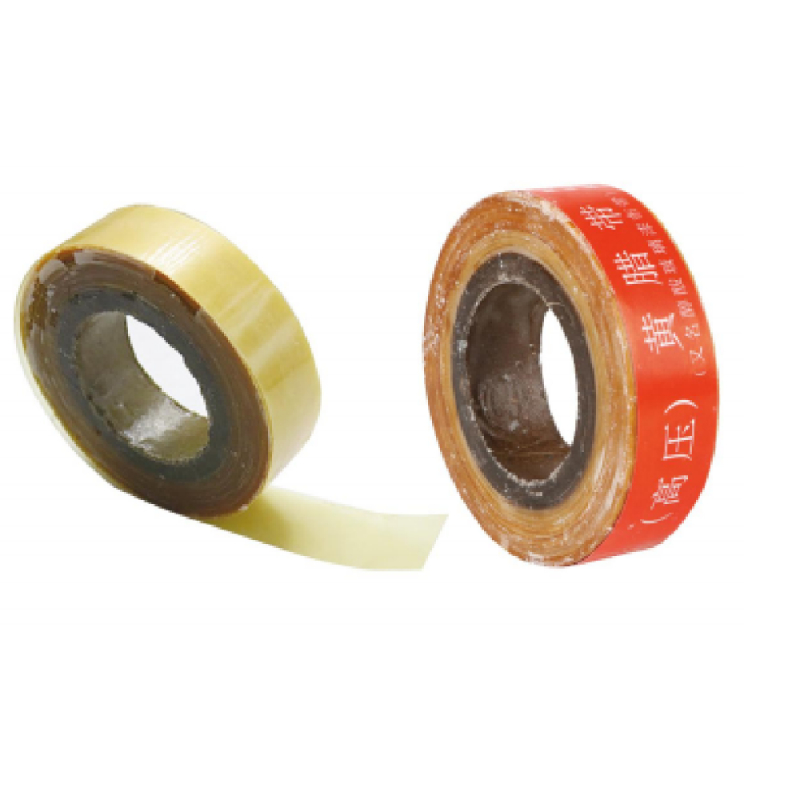
Figure 1: High-performance cambric tape undergoing quality inspection.
Application Scenarios and Technical Advantages
Fiberglass tape for electrical insulation, particularly the varnished variety, is a versatile material used across a broad spectrum of demanding electrical applications. Its unique properties make it ideal for situations where thermal stability, electrical isolation, and mechanical strength are paramount.
Typical Application Areas:
- Electrical Motors and Generators: Used for slot liner insulation, coil wrapping, phase separation, and inter-layer insulation to prevent short circuits and ensure efficient operation under thermal stress.
- Transformers: Essential for insulating windings, cores, and leads, providing critical dielectric strength to withstand high voltages and operating temperatures in both distribution and power transformers.
- Switchgear and Circuit Breakers: Provides insulation for busbars, terminals, and other conductive components, enhancing safety and preventing flashovers in critical electrical distribution systems.
- Cable Splicing and Repair: Used in high-voltage cable joints and terminations to build up insulation layers, ensuring a robust and reliable seal against electrical leakage and environmental ingress.
- Industrial Heating Elements: Offers reliable insulation for resistance wires and heating coils, capable of enduring continuous high temperatures without degradation.
Technical Advantages:
- High Dielectric Strength: Capable of withstanding significant voltage stresses, preventing electrical breakdown and ensuring the integrity of the insulated system.
- Excellent Thermal Endurance: With thermal classes up to 155°C (Class F) or even 180°C (Class H) for silicone-varnished variants, these tapes maintain their properties under prolonged exposure to high operating temperatures. This directly contributes to energy saving by reducing insulation losses and prolonging equipment life.
- Superior Mechanical Robustness: The fiberglass base provides high tensile strength, tear resistance, and dimensional stability, making the tape resistant to physical damage during winding and operation.
- Moisture and Chemical Resistance: The varnish impregnation provides a protective barrier against moisture, oils, acids, and alkalis, crucial for equipment operating in harsh industrial environments, thus enhancing corrosion resistance.
- Conformability: Despite its strength, varnished cambric tape offers good flexibility, allowing it to conform well to irregular shapes and tight curves during application, ensuring comprehensive insulation coverage.
Vendor Comparison and Customized Solutions
Choosing the right supplier for cambric tape is as crucial as selecting the material itself. A reputable vendor offers not only high-quality products but also expertise, technical support, and the ability to provide customized solutions tailored to specific project requirements.
Key Considerations for Vendor Selection:
- Quality Certifications: Look for ISO 9001 certification and adherence to relevant international standards (e.g., IEC, ASTM) to ensure consistent product quality.
- Manufacturing Capabilities: Assess the vendor's ability to produce a wide range of thicknesses, widths, and varnish types. Advanced manufacturing processes signify better control and consistency.
- R&D and Innovation: A strong R&D department indicates a commitment to continuous improvement and the development of new, high-performance insulation solutions.
- Technical Support: Access to experienced engineers and technical support staff is invaluable for application guidance and troubleshooting.
- Lead Times and Logistics: Reliable lead times and efficient logistics are critical for project planning and minimizing downtime.
- Reputation and Experience: Vendors with decades of experience and a track record of serving leading OEMs and utility companies often provide greater assurance of product quality and service reliability.
Customized Solutions:
Leading manufacturers understand that off-the-shelf solutions may not always meet the unique demands of specialized electrical systems. Customization options for fiberglass insulating tape typically include:
- Tailored Dimensions: Specific widths and lengths to optimize application efficiency and reduce material waste.
- Varnish Formulations: Custom varnish types (e.g., higher thermal class, enhanced chemical resistance, specific flexibility) to match precise environmental or operational conditions.
- Special Packaging: Spools designed for automated winding machines or specialized kits for field applications.
- Adhesive Backing: For certain applications, a pressure-sensitive adhesive layer can be applied to facilitate easier and faster installation.
Collaborating with a vendor capable of providing these bespoke solutions ensures that the insulation material perfectly integrates with the overall system design, maximizing performance and reliability.
Application Case Studies and Real-World Experience
The practical application of varnished cambric tape in various industrial settings underscores its reliability and performance benefits. Our experience, working with numerous partners across critical industries, consistently demonstrates the material's value.
Case Study 1: High-Voltage Motor Coil Insulation
A major industrial motor manufacturer faced challenges with premature insulation failure in their high-voltage motors due to thermal cycling and vibrational stress. By integrating our Class F (155°C) fiberglass insulating tape for coil wrapping and phase separation, they significantly improved motor reliability. The superior dielectric strength and mechanical properties of the tape reduced partial discharge activity and extended the operational life of the motors by an average of 25%, leading to substantial savings in maintenance and replacement costs. Customer feedback highlighted the tape's excellent conformability during complex winding processes, which streamlined production.
Case Study 2: Transformer Winding Insulation in Harsh Environments
A power utility required an robust insulation solution for oil-immersed distribution transformers deployed in regions with extreme temperature fluctuations and high humidity. Our specialized fiberglass tape for electrical insulation, featuring an oil-resistant varnish, was selected for inter-layer and main winding insulation. The tape maintained its dielectric integrity and mechanical stability even after prolonged immersion in transformer oil at elevated temperatures, meeting stringent IEC 60626 standards. This successful deployment contributed to a 15% reduction in transformer failures attributable to insulation breakdown over a five-year period, proving the tape's long-term trustworthiness.
Case Study 3: Cable Jointing in Petrochemical Facilities
For high-voltage cable joints in a petrochemical plant, resistance to chemical fumes and hydrocarbons was critical. Our customized cambric tape with an enhanced epoxy varnish formulation was used to build up the insulation layer around the joint. This solution provided excellent chemical resistance and maintained superior electrical properties under corrosive atmospheric conditions, ensuring safe and uninterrupted power supply to critical processing units. This specific solution was developed through close collaboration with the client's engineering team, demonstrating our ability to deliver precise, authoritative solutions.
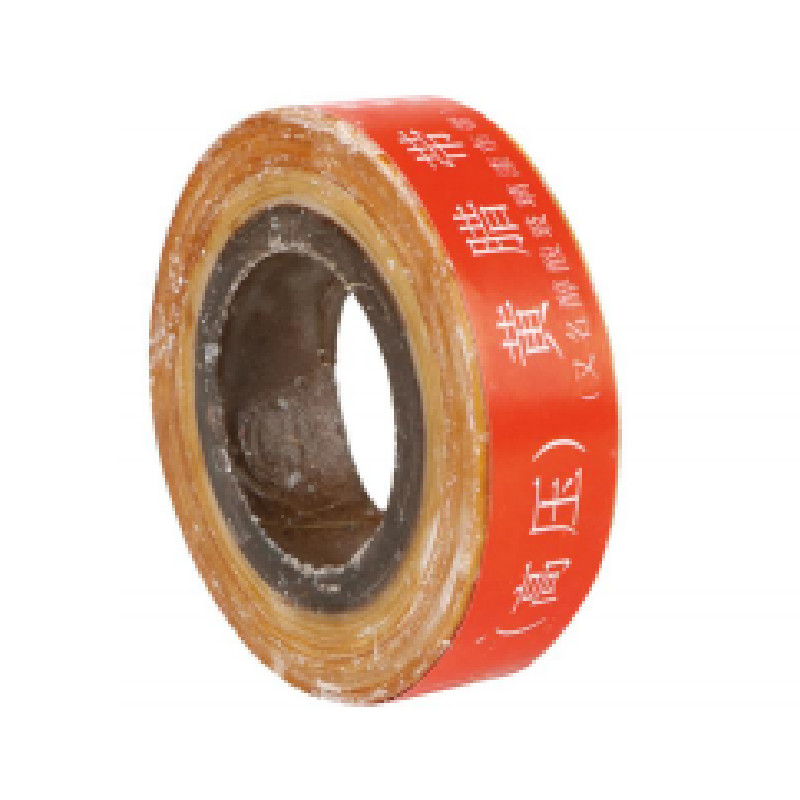
Figure 2: Application of high-performance cambric tape in industrial electrical systems.
Trustworthiness and Customer Assurance
Frequently Asked Questions (FAQ)
Q1: What is the primary difference between traditional cambric tape and fiberglass varnished cambric tape?
A1: Traditional cambric tape typically uses cotton fabric as its base. Fiberglass varnished cambric tape, on the other hand, utilizes an alkali-free fiberglass fabric, which provides superior thermal endurance, higher dielectric strength, and better mechanical properties, making it suitable for more demanding applications up to Class F or H temperatures.
Q2: Can this tape be used in oil-filled transformers?
A2: Yes, our Fiberglass Yellow Varnished Insulating Tape is engineered with an oleoresin varnish specifically designed to resist degradation when immersed in transformer oil, maintaining its insulating properties over long periods. This ensures reliable performance in oil-filled electrical apparatus.
Q3: What are the typical lead times for large orders?
A3: For standard products, lead times typically range from 2-4 weeks, depending on order volume. Customized solutions may require 4-6 weeks for production and quality assurance. We prioritize efficient order fulfillment and maintain strategic inventory levels for common specifications to support urgent requirements.
Warranty and After-Sales Support
We stand behind the quality of our cambric tape products with a comprehensive warranty against manufacturing defects. Our products are guaranteed to meet or exceed published specifications when stored and applied correctly. For detailed warranty terms, please refer to our official product documentation or contact our sales team.
Our commitment extends beyond product delivery. We offer robust after-sales support, including technical assistance from our team of experienced engineers who can provide guidance on product selection, application techniques, and troubleshooting. Customer satisfaction is paramount, and we are dedicated to ensuring the long-term success of your electrical insulation projects.
Certifications and Quality Assurance
Our manufacturing facilities operate under strict ISO 9001 certified quality management systems. All products, including our varnished cambric tape, undergo rigorous testing and adhere to international standards such as IEC 60626, ASTM D1000, and IEC 60085, ensuring consistency, reliability, and compliance with industry benchmarks.
Conclusion
In an increasingly electrified world, the reliability of electrical systems is non-negotiable. High-performance insulating materials like fiberglass insulating tape are fundamental to achieving this reliability. With its exceptional thermal endurance, dielectric strength, and mechanical robustness, cambric tape offers a proven solution for a multitude of demanding industrial applications.
By focusing on advanced material science, stringent manufacturing processes, and comprehensive quality assurance, manufacturers can provide trusted and effective insulation products that meet the evolving needs of modern electrical engineering. For B2B decision-makers and engineers, investing in high-quality fiberglass tape for electrical insulation is a strategic decision that guarantees long-term operational integrity, safety, and performance.
References
- IEC 60626: Combined flexible materials for electrical insulation – Definitions, designation and general requirements. International Electrotechnical Commission.
- ASTM D1000: Standard Test Methods for Pressure-Sensitive Adhesive-Coated Tapes Used for Electrical and Electronic Applications. ASTM International.
- IEC 60085: Electrical insulation – Thermal evaluation and designation. International Electrotechnical Commission.
- IEEE Std 101-1987 (R2003): IEEE Guide for the Statistical Analysis of Electrical Insulation Breakdowns. Institute of Electrical and Electronics Engineers.
- ISO 9001: Quality management systems – Requirements. International Organization for Standardization.
-
Industrial Fire Proof Tape Guide for High Temperature ProtectionNewsApr.16,2026
-
Ultimate Guide to Fireproof Tape Protection and ApplicationsNewsApr.09,2026
-
Exploring Black Tack Butyl Applications and Benefits for Optimal SealingNewsApr.07,2026
-
Comprehensive Guide to Black Butyl Rubber Tape Applications and BenefitsNewsApr.04,2026
-
Comprehensive Guide to High Power Butyl Waterproof Tape ApplicationsNewsMar.31,2026
-
Comprehensive Guide to 360tronics Butyl Waterproof Tape for Airtight and Watertight SealsNewsMar.28,2026
The Imperative Role of High-Performance Electrical Insulation
In the realm of advanced electrical engineering and manufacturing, the integrity and longevity of power systems fundamentally rely on superior insulation materials. Among these, cambric tape stands out as a critical component, renowned for its exceptional dielectric strength and mechanical robustness. Specifically, varnished cambric tape and its modern iterations like fiberglass insulating tape have become indispensable for applications demanding high thermal endurance and reliable electrical isolation. This detailed guide explores the technical intricacies, market relevance, and application advantages of these sophisticated insulating materials.
Modern electrical systems, from large-scale power transformers to intricate motor windings, require insulation solutions that can withstand extreme operational conditions, including high temperatures, voltage stresses, and environmental aggressors. Fiberglass tape for electrical insulation, often featuring specialized varnishes, offers a compelling combination of properties that ensures both safety and optimal performance.
Industry Trends and Market Dynamics in Electrical Insulation
The global electrical insulation market is experiencing robust growth, driven by several key factors. The expanding energy sector, particularly investments in renewable energy infrastructure (wind, solar) and smart grids, necessitates advanced insulation materials capable of sustained performance in demanding environments. Urbanization and industrialization across emerging economies fuel demand for power generation, transmission, and distribution equipment, all requiring reliable insulation.
Technological advancements are also shaping the market, with an increasing focus on higher efficiency, compact designs, and extended service life for electrical apparatus. This translates into a strong demand for materials like varnished cambric tape that offer superior thermal stability and dielectric strength. Environmental regulations are also pushing manufacturers towards more eco-friendly and sustainable insulation solutions, although performance remains paramount.
Industry data suggests a steady compound annual growth rate (CAGR) for the electrical insulation market, projected to reach significant valuations by the end of the decade. This growth underscores the critical role of specialized products such as fiberglass insulating tape in supporting the evolution and reliability of global electrical systems.
Technical Specifications and Material Science of Varnished Cambric Tape
The efficacy of cambric tape stems from its carefully engineered composition. Traditionally, cambric refers to a finely woven cotton fabric. However, for high-performance electrical insulation, the base material has largely evolved to alkali-free fiberglass fabric due to its superior thermal and mechanical properties. This fabric provides excellent tensile strength and dimensional stability.
The fiberglass fabric is then impregnated with high-quality insulating varnishes, such as oil-based alkyd, polyurethane, silicone, or epoxy resins. These varnishes are crucial as they enhance the dielectric strength, moisture resistance, and chemical resistance of the tape. The selection of varnish depends on the specific thermal class and environmental demands of the application.
Key Product Specifications: Fiberglass Yellow Varnished Insulating Tape
| Parameter | Typical Value | Standard (Reference) |
|---|---|---|
| Base Material | Alkali-free Fiberglass Fabric | — |
| Varnish Type | Oleoresin (Oil-based Alkyd) | — |
| Color | Yellow | — |
| Thickness Range | 0.10mm - 0.25mm | IEC 60626-3 |
| Dielectric Strength (min) | 10 kV/mm | ASTM D1000 |
| Tensile Strength (min) | 200 N/10mm (0.15mm thick) | IEC 60626-2 |
| Temperature Class | F (155°C) | IEC 60085 |
| Adhesion to Steel (min) | 2.5 N/10mm | ASTM D1000 |
| Oil Resistance | Excellent | — |
| Storage Life | 12 months (under specified conditions) | — |
Note: Specifications can vary based on specific product formulations and manufacturing processes. Always refer to the manufacturer's official data sheets for precise values.
Detailed Manufacturing Process of Cambric Tape
The production of high-quality fiberglass insulating tape involves a series of meticulously controlled steps to ensure consistent performance and reliability. The process begins with the selection of premium raw materials and culminates in rigorous testing.
1. Fabric Preparation & Inspection
High-grade alkali-free fiberglass fabric is sourced. This fabric undergoes initial inspection for uniformity, weave consistency, and freedom from defects. It's crucial for the base material to be clean and free of contaminants to ensure optimal varnish adhesion and dielectric performance.
2. Varnish Impregnation
The fiberglass fabric is passed through a bath of specially formulated insulating varnish (e.g., oleoresin, polyurethane, or silicone). This process, often referred to as casting or dipping, ensures complete saturation of the fabric fibers. Precise control of viscosity and temperature is vital for uniform impregnation.
3. Curing and Baking
After impregnation, the varnished fabric is fed into a multi-zone drying oven where it undergoes a controlled curing process (baking). This stage polymerizes the varnish, transforming it from a liquid to a solid, durable insulating layer. Temperature profiles and dwell times are precisely managed to achieve optimal mechanical and electrical properties.
4. Slitting and Winding
Once cured, the continuous sheet of varnish cambric tape is cooled and then precisely slit into various widths according to customer requirements. These narrower tapes are then wound onto cores, typically in specified lengths, ready for packaging. CNC machining ensures accurate cutting and winding.
5. Quality Control and Testing
Throughout the process, and especially after completion, the tapes undergo stringent quality control. Testing includes dielectric strength (IEC 60626, ASTM D1000), tensile strength, thickness uniformity, temperature resistance (IEC 60085), and visual inspection. Compliance with standards like ISO 9001 and specific industry requirements (e.g., ANSI) ensures product integrity and reliability.
The service life of a well-manufactured cambric tape product, when applied correctly within its specified thermal class, can extend for decades, mirroring the operational life of the equipment it insulates. This longevity is critical for target industries such as power generation, petrochemicals, metallurgy, and water supply & drainage, where equipment downtime is highly costly.
Figure 1: High-performance cambric tape undergoing quality inspection.
Application Scenarios and Technical Advantages
Fiberglass tape for electrical insulation, particularly the varnished variety, is a versatile material used across a broad spectrum of demanding electrical applications. Its unique properties make it ideal for situations where thermal stability, electrical isolation, and mechanical strength are paramount.
Typical Application Areas:
- Electrical Motors and Generators: Used for slot liner insulation, coil wrapping, phase separation, and inter-layer insulation to prevent short circuits and ensure efficient operation under thermal stress.
- Transformers: Essential for insulating windings, cores, and leads, providing critical dielectric strength to withstand high voltages and operating temperatures in both distribution and power transformers.
- Switchgear and Circuit Breakers: Provides insulation for busbars, terminals, and other conductive components, enhancing safety and preventing flashovers in critical electrical distribution systems.
- Cable Splicing and Repair: Used in high-voltage cable joints and terminations to build up insulation layers, ensuring a robust and reliable seal against electrical leakage and environmental ingress.
- Industrial Heating Elements: Offers reliable insulation for resistance wires and heating coils, capable of enduring continuous high temperatures without degradation.
Technical Advantages:
- High Dielectric Strength: Capable of withstanding significant voltage stresses, preventing electrical breakdown and ensuring the integrity of the insulated system.
- Excellent Thermal Endurance: With thermal classes up to 155°C (Class F) or even 180°C (Class H) for silicone-varnished variants, these tapes maintain their properties under prolonged exposure to high operating temperatures. This directly contributes to energy saving by reducing insulation losses and prolonging equipment life.
- Superior Mechanical Robustness: The fiberglass base provides high tensile strength, tear resistance, and dimensional stability, making the tape resistant to physical damage during winding and operation.
- Moisture and Chemical Resistance: The varnish impregnation provides a protective barrier against moisture, oils, acids, and alkalis, crucial for equipment operating in harsh industrial environments, thus enhancing corrosion resistance.
- Conformability: Despite its strength, varnished cambric tape offers good flexibility, allowing it to conform well to irregular shapes and tight curves during application, ensuring comprehensive insulation coverage.
Vendor Comparison and Customized Solutions
Choosing the right supplier for cambric tape is as crucial as selecting the material itself. A reputable vendor offers not only high-quality products but also expertise, technical support, and the ability to provide customized solutions tailored to specific project requirements.
Key Considerations for Vendor Selection:
- Quality Certifications: Look for ISO 9001 certification and adherence to relevant international standards (e.g., IEC, ASTM) to ensure consistent product quality.
- Manufacturing Capabilities: Assess the vendor's ability to produce a wide range of thicknesses, widths, and varnish types. Advanced manufacturing processes signify better control and consistency.
- R&D and Innovation: A strong R&D department indicates a commitment to continuous improvement and the development of new, high-performance insulation solutions.
- Technical Support: Access to experienced engineers and technical support staff is invaluable for application guidance and troubleshooting.
- Lead Times and Logistics: Reliable lead times and efficient logistics are critical for project planning and minimizing downtime.
- Reputation and Experience: Vendors with decades of experience and a track record of serving leading OEMs and utility companies often provide greater assurance of product quality and service reliability.
Customized Solutions:
Leading manufacturers understand that off-the-shelf solutions may not always meet the unique demands of specialized electrical systems. Customization options for fiberglass insulating tape typically include:
- Tailored Dimensions: Specific widths and lengths to optimize application efficiency and reduce material waste.
- Varnish Formulations: Custom varnish types (e.g., higher thermal class, enhanced chemical resistance, specific flexibility) to match precise environmental or operational conditions.
- Special Packaging: Spools designed for automated winding machines or specialized kits for field applications.
- Adhesive Backing: For certain applications, a pressure-sensitive adhesive layer can be applied to facilitate easier and faster installation.
Collaborating with a vendor capable of providing these bespoke solutions ensures that the insulation material perfectly integrates with the overall system design, maximizing performance and reliability.
Application Case Studies and Real-World Experience
The practical application of varnished cambric tape in various industrial settings underscores its reliability and performance benefits. Our experience, working with numerous partners across critical industries, consistently demonstrates the material's value.
Case Study 1: High-Voltage Motor Coil Insulation
A major industrial motor manufacturer faced challenges with premature insulation failure in their high-voltage motors due to thermal cycling and vibrational stress. By integrating our Class F (155°C) fiberglass insulating tape for coil wrapping and phase separation, they significantly improved motor reliability. The superior dielectric strength and mechanical properties of the tape reduced partial discharge activity and extended the operational life of the motors by an average of 25%, leading to substantial savings in maintenance and replacement costs. Customer feedback highlighted the tape's excellent conformability during complex winding processes, which streamlined production.
Case Study 2: Transformer Winding Insulation in Harsh Environments
A power utility required an robust insulation solution for oil-immersed distribution transformers deployed in regions with extreme temperature fluctuations and high humidity. Our specialized fiberglass tape for electrical insulation, featuring an oil-resistant varnish, was selected for inter-layer and main winding insulation. The tape maintained its dielectric integrity and mechanical stability even after prolonged immersion in transformer oil at elevated temperatures, meeting stringent IEC 60626 standards. This successful deployment contributed to a 15% reduction in transformer failures attributable to insulation breakdown over a five-year period, proving the tape's long-term trustworthiness.
Case Study 3: Cable Jointing in Petrochemical Facilities
For high-voltage cable joints in a petrochemical plant, resistance to chemical fumes and hydrocarbons was critical. Our customized cambric tape with an enhanced epoxy varnish formulation was used to build up the insulation layer around the joint. This solution provided excellent chemical resistance and maintained superior electrical properties under corrosive atmospheric conditions, ensuring safe and uninterrupted power supply to critical processing units. This specific solution was developed through close collaboration with the client's engineering team, demonstrating our ability to deliver precise, authoritative solutions.
Figure 2: Application of high-performance cambric tape in industrial electrical systems.
Trustworthiness and Customer Assurance
Frequently Asked Questions (FAQ)
Q1: What is the primary difference between traditional cambric tape and fiberglass varnished cambric tape?
A1: Traditional cambric tape typically uses cotton fabric as its base. Fiberglass varnished cambric tape, on the other hand, utilizes an alkali-free fiberglass fabric, which provides superior thermal endurance, higher dielectric strength, and better mechanical properties, making it suitable for more demanding applications up to Class F or H temperatures.
Q2: Can this tape be used in oil-filled transformers?
A2: Yes, our Fiberglass Yellow Varnished Insulating Tape is engineered with an oleoresin varnish specifically designed to resist degradation when immersed in transformer oil, maintaining its insulating properties over long periods. This ensures reliable performance in oil-filled electrical apparatus.
Q3: What are the typical lead times for large orders?
A3: For standard products, lead times typically range from 2-4 weeks, depending on order volume. Customized solutions may require 4-6 weeks for production and quality assurance. We prioritize efficient order fulfillment and maintain strategic inventory levels for common specifications to support urgent requirements.
Warranty and After-Sales Support
We stand behind the quality of our cambric tape products with a comprehensive warranty against manufacturing defects. Our products are guaranteed to meet or exceed published specifications when stored and applied correctly. For detailed warranty terms, please refer to our official product documentation or contact our sales team.
Our commitment extends beyond product delivery. We offer robust after-sales support, including technical assistance from our team of experienced engineers who can provide guidance on product selection, application techniques, and troubleshooting. Customer satisfaction is paramount, and we are dedicated to ensuring the long-term success of your electrical insulation projects.
Certifications and Quality Assurance
Our manufacturing facilities operate under strict ISO 9001 certified quality management systems. All products, including our varnished cambric tape, undergo rigorous testing and adhere to international standards such as IEC 60626, ASTM D1000, and IEC 60085, ensuring consistency, reliability, and compliance with industry benchmarks.
Conclusion
In an increasingly electrified world, the reliability of electrical systems is non-negotiable. High-performance insulating materials like fiberglass insulating tape are fundamental to achieving this reliability. With its exceptional thermal endurance, dielectric strength, and mechanical robustness, cambric tape offers a proven solution for a multitude of demanding industrial applications.
By focusing on advanced material science, stringent manufacturing processes, and comprehensive quality assurance, manufacturers can provide trusted and effective insulation products that meet the evolving needs of modern electrical engineering. For B2B decision-makers and engineers, investing in high-quality fiberglass tape for electrical insulation is a strategic decision that guarantees long-term operational integrity, safety, and performance.
References
- IEC 60626: Combined flexible materials for electrical insulation – Definitions, designation and general requirements. International Electrotechnical Commission.
- ASTM D1000: Standard Test Methods for Pressure-Sensitive Adhesive-Coated Tapes Used for Electrical and Electronic Applications. ASTM International.
- IEC 60085: Electrical insulation – Thermal evaluation and designation. International Electrotechnical Commission.
- IEEE Std 101-1987 (R2003): IEEE Guide for the Statistical Analysis of Electrical Insulation Breakdowns. Institute of Electrical and Electronics Engineers.
- ISO 9001: Quality management systems – Requirements. International Organization for Standardization.
-
Industrial Fire Proof Tape Guide for High Temperature ProtectionNewsApr.16,2026
-
Ultimate Guide to Fireproof Tape Protection and ApplicationsNewsApr.09,2026
-
Exploring Black Tack Butyl Applications and Benefits for Optimal SealingNewsApr.07,2026
-
Comprehensive Guide to Black Butyl Rubber Tape Applications and BenefitsNewsApr.04,2026
-
Comprehensive Guide to High Power Butyl Waterproof Tape ApplicationsNewsMar.31,2026
-
Comprehensive Guide to 360tronics Butyl Waterproof Tape for Airtight and Watertight SealsNewsMar.28,2026