
Understanding Self-Amalgamating Tape: A Critical Component in Industrial Sealing and Insulation
In demanding industrial environments, robust sealing and electrical insulation are paramount. One of the most effective solutions addressing these needs is the self amalgamating tape, a highly versatile material known for its unique ability to fuse into a homogeneous, void-free mass without the need for external heat or adhesives. This creates an impermeable barrier against moisture, contaminants, and provides excellent electrical insulation properties. Often referred to interchangeably as amalgamating tape, self-annealing tape, or self vulcanizing tape, its application spans across virtually every sector requiring durable, long-lasting protection.
The global market for specialized industrial tapes, including self amalgamating tape, is projected to grow significantly, driven by infrastructure development, increasing demand for reliable electrical systems, and the need for enhanced corrosion protection in harsh operating conditions. According to a report by Grand View Research, the global electrical tape market size was valued at USD 5.6 billion in 2022 and is expected to expand at a compound annual growth rate (CAGR) of 6.3% from 2023 to 2030, with self-amalgamating variants playing a crucial role due to their superior performance characteristics. Industries ranging from power generation and transmission to telecommunications, marine, mining, and oil & gas heavily rely on these advanced sealing solutions.
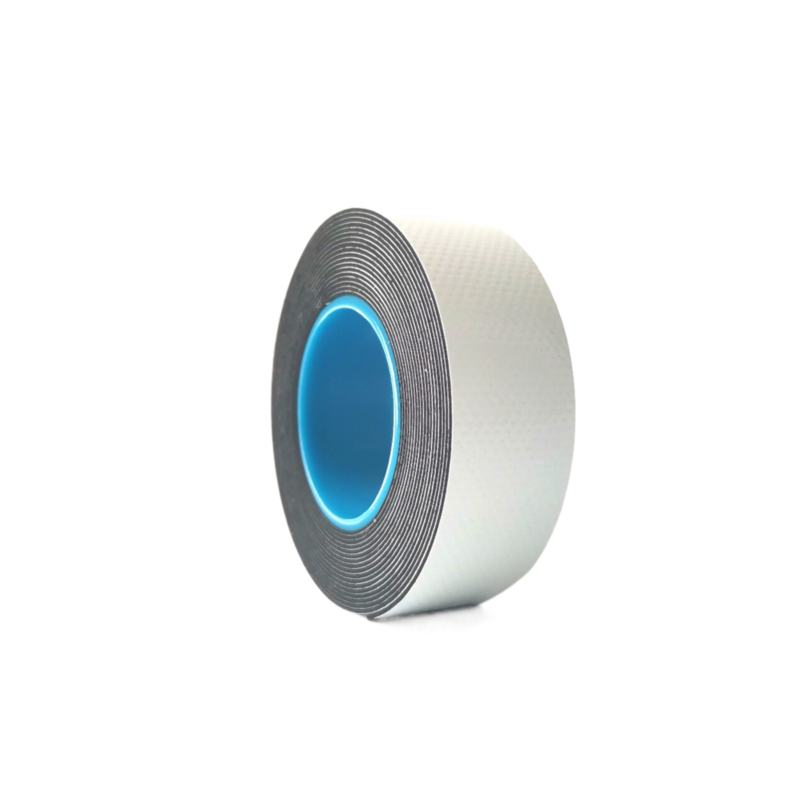
Figure 1: Versatile applications of self amalgamating tape in demanding environments.
This article delves into the intricacies of PlB self amalgamating tape, exploring its manufacturing process, technical specifications, diverse applications, and the competitive advantages it offers to B2B decision-makers and engineers. We aim to provide a comprehensive understanding to help you make informed decisions for your critical infrastructure projects.
The Science Behind PlB Self-Amalgamating Tape: Materials and Manufacturing Process
Core Materials and Composition
PlB self amalgamating tape is primarily composed of an unvulcanized ethylene propylene rubber (EPR) or Polyisobutylene (PIB) compound. These materials are selected for their excellent dielectric properties, resistance to moisture, and their inherent tackiness which facilitates the amalgamation process. The compound is often blended with specific additives, including stabilizers, fillers, and processing aids, to enhance its UV resistance, thermal stability, and mechanical strength without compromising its self-fusing capability. The absence of traditional adhesives means the tape works by molecular bonding, creating a truly monolithic seal.
Manufacturing Process Flow of PlB Self-Amalgamating Tape
The production of high-quality self amalgamating tape involves a carefully controlled multi-stage process, ensuring consistent product performance and reliability. While processes like casting, forging, or CNC machining are common in metal fabrication, tape manufacturing utilizes specialized polymer processing techniques. Here’s a simplified schematic of the process:
- Raw Material Preparation: High-grade EPR or PIB polymers are precisely weighed and mixed with various compounding agents (e.g., carbon black for UV resistance, antioxidants for thermal stability, fillers for mechanical strength) in internal mixers. This ensures a homogeneous blend of all components.
- Compounding and Kneading: The mixed compound undergoes a kneading process to achieve the desired plasticity and dispersion of additives. This step is critical for ensuring the tape's uniform self-amalgamating properties.
- Calendering: The compound is then fed into a calender machine, where it is rolled into a thin, uniform sheet of specified thickness. This precise control over thickness is vital for consistent performance.
- Lining and Winding: A release liner (typically silicone-coated film or paper) is applied to prevent the tape from amalgamating onto itself during storage and unwinding. The calendared sheet, with its liner, is then wound onto large master rolls.
- Slitting: The master rolls are precisely cut into narrower widths, creating individual tape rolls according to standard specifications (e.g., 25mm, 50mm) or custom client requirements.
- Quality Control & Testing: Throughout the process, and especially post-production, rigorous quality control checks are performed. This includes tests for tensile strength, elongation, dielectric strength, water absorption, and amalgamation time, all adhering to international testing standards such as ASTM D4388, BS EN 60454-3-1, and often internal ISO 9001 certified protocols.
- Packaging: Finished rolls are individually packaged to protect them from environmental factors until use.
This meticulous process ensures that each roll of PlB vulcanizing tape delivers consistent performance, offering a typical service life of 20-30 years in protected applications, significantly contributing to the longevity of critical infrastructure.
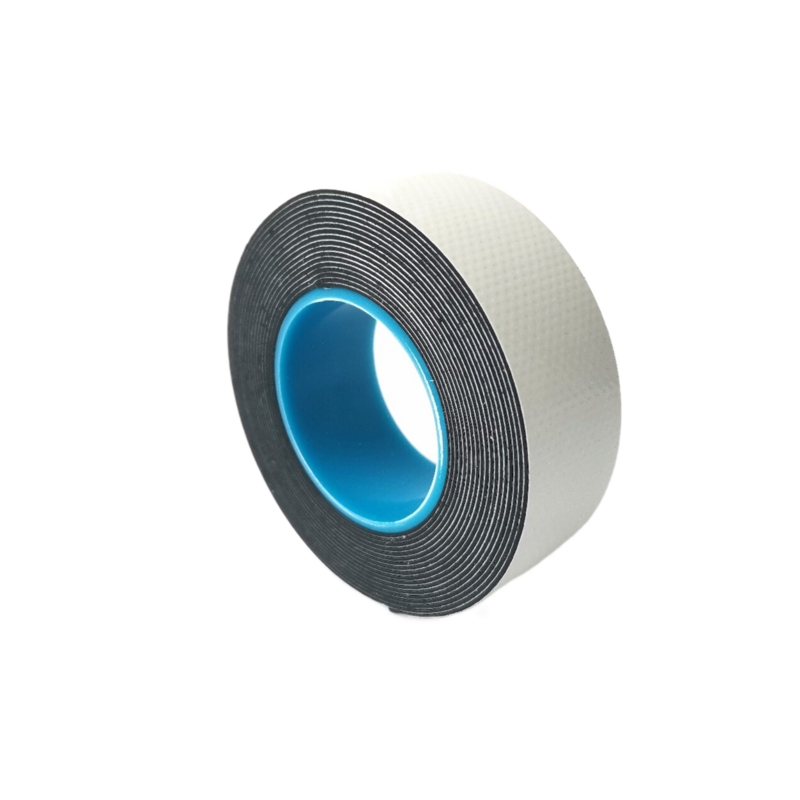
Figure 2: Production process of specialized industrial tapes.
Target Industries and Advantages
The rigorous manufacturing and testing standards allow PlB self amalgamating tape to excel in target industries like petrochemical, metallurgy, and water supply & drainage. In petrochemical plants, it provides essential corrosion resistance for pipelines and electrical connections exposed to aggressive chemicals. In metallurgy, it offers robust sealing against dust and moisture, protecting sensitive equipment. For water supply & drainage, it guarantees waterproof sealing for pipe joints and underground cables, preventing leaks and extending system life. Its advantages include significant energy saving by preventing electrical leakage and superior corrosion resistance, reducing maintenance costs and operational downtime.
Technical Specifications and Performance Parameters of PlB Self-Amalgamating Tape
The performance of any industrial material is defined by its technical specifications. For PlB self amalgamating tape, these parameters are critical indicators of its suitability for high-stakes applications. Understanding these metrics ensures proper material selection and optimal performance in diverse operating conditions.
Key Performance Indicators (KPIs)
- Dielectric Strength: This measures the maximum electric field an insulating material can withstand without breakdown. High dielectric strength (e.g., >20 kV/mm) is crucial for electrical insulation applications, preventing arc tracking and short circuits.
- Volume Resistivity: Indicates the material's resistance to electrical current flow through its bulk. A high volume resistivity signifies excellent insulating properties, minimizing leakage currents.
- Tensile Strength & Elongation: These mechanical properties describe the tape's ability to resist breaking under tension and its capacity to stretch before fracture. High elongation (e.g., >700%) ensures conformability around irregular shapes without tearing, while sufficient tensile strength provides durability.
- Water Absorption: A low water absorption rate is essential for maintaining electrical integrity and preventing corrosion in humid or submerged environments.
- Operating Temperature Range: Defines the temperature extremes at which the tape can maintain its performance without degradation. PlB tapes typically offer a broad range, from sub-zero to elevated temperatures.
- Amalgamation Time: The time taken for the tape layers to fuse into a homogeneous mass. Faster amalgamation ensures quicker sealing and structural integrity.
- UV Resistance: Ability to withstand prolonged exposure to ultraviolet radiation without embrittlement or degradation of electrical and physical properties. This is vital for outdoor applications.
PlB Self-Amalgamating Tape Specification Table
Below are typical specifications for PlB self annealing tape, reflecting its high-performance characteristics. These figures are based on internal testing adhering to industry standards like ASTM D4388.
| Property | Test Method | Typical Value | Unit |
|---|---|---|---|
| Material | Internal Standard | PIB (Polyisobutylene) | - |
| Thickness | ASTM D374 | 0.76 - 1.2 mm | mm |
| Width | Internal Standard | 19, 25, 38, 50 | mm |
| Tensile Strength | ASTM D4388 | ≥ 1.5 | MPa |
| Elongation at Break | ASTM D4388 | ≥ 700 | % |
| Dielectric Strength | ASTM D149 | ≥ 20 | kV/mm |
| Volume Resistivity | ASTM D257 | ≥ 1014 | Ohm·cm |
| Operating Temperature | - | -40°C to +90°C | °C |
| Water Absorption (24h) | ASTM D570 | ≤ 0.05 | % |
| Self-Amalgamation | Internal Standard | Complete in minutes | - |
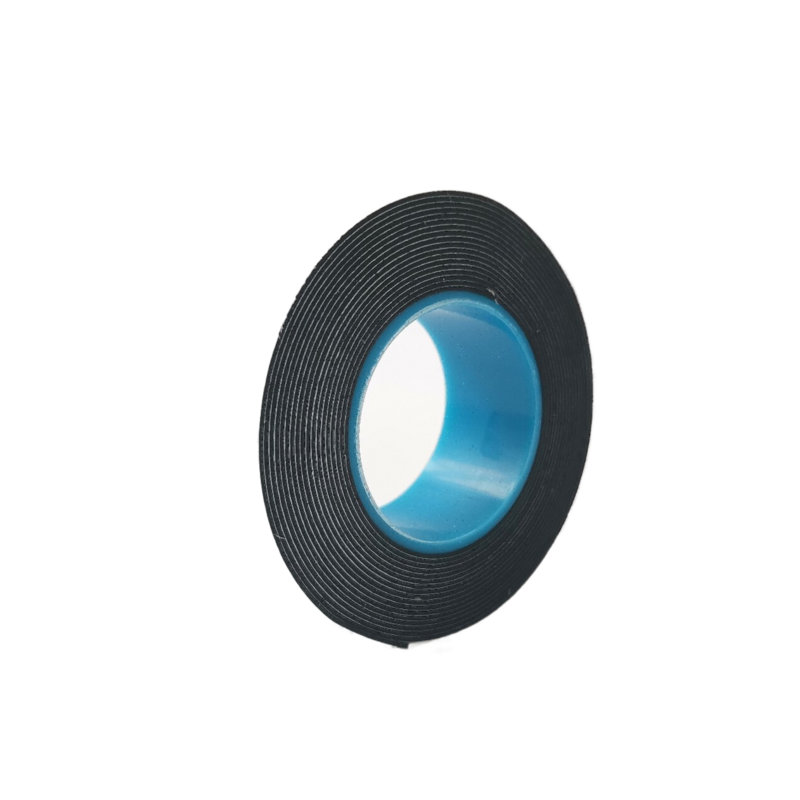
Figure 3: Technical parameters illustrating the robust performance of PlB self-amalgamating tape.
These parameters underscore the reliability and effectiveness of PlB self vulcanizing tape in critical industrial applications, providing confidence to engineers and project managers.
Key Technical Advantages and Unique Selling Points
The inherent properties of PlB self amalgamating tape translate into significant technical advantages for industrial applications, making it a superior choice over conventional insulation or sealing methods.
Unparalleled Sealing and Insulation Capabilities
- Moisture and Void-Free Seal: Upon application, the layers of the tape amalgamate into a solid rubber mass, eliminating air voids and creating an impenetrable barrier against moisture, humidity, and other environmental contaminants. This is critical for preventing short circuits in electrical systems and corrosion in metal components.
- High Dielectric Strength: Its excellent insulating properties provide a robust barrier against electrical breakdown, making it ideal for insulating cable splices, terminations, and connections in both low and high voltage systems.
- Corrosion Resistance: By forming a watertight and airtight seal, the tape effectively isolates underlying components from corrosive agents, extending the service life of pipes, cables, and metallic structures, particularly in environments exposed to chemicals, salts, or acids.
- Extreme Temperature Performance: Designed to perform reliably across a wide operating temperature range (e.g., -40°C to +90°C), it maintains its flexibility and sealing properties even in harsh thermal conditions, from freezing sub-Arctic climates to high-temperature industrial processes.
- UV and Ozone Resistance: Formulated with UV stabilizers, PlB self amalgamating tape exhibits superior resistance to degradation from sunlight and ozone, ensuring long-term outdoor performance without embrittlement or cracking, a common issue with many conventional tapes.
Operational and Economic Benefits
- Ease of Application: Unlike heat-shrink or resin-based systems, amalgamating tape requires no special tools, heat sources, or curing times. It's simply stretched and wrapped, making installation quick, efficient, and safer in hazardous environments.
- Conformability: Its elastic nature allows it to conform to irregular shapes and contours, ensuring a seamless and protective layer even on complex geometries.
- Reduced Downtime and Maintenance: By providing long-lasting protection against electrical faults, moisture ingress, and corrosion, the tape significantly reduces the need for frequent repairs and maintenance, leading to substantial operational savings. This directly translates to energy saving by preventing costly power outages or system inefficiencies due to compromised insulation.
- Environmental Resilience: The durable, long-term seal contributes to environmental protection by preventing leaks of hazardous substances and reducing waste associated with short-lived repairs.
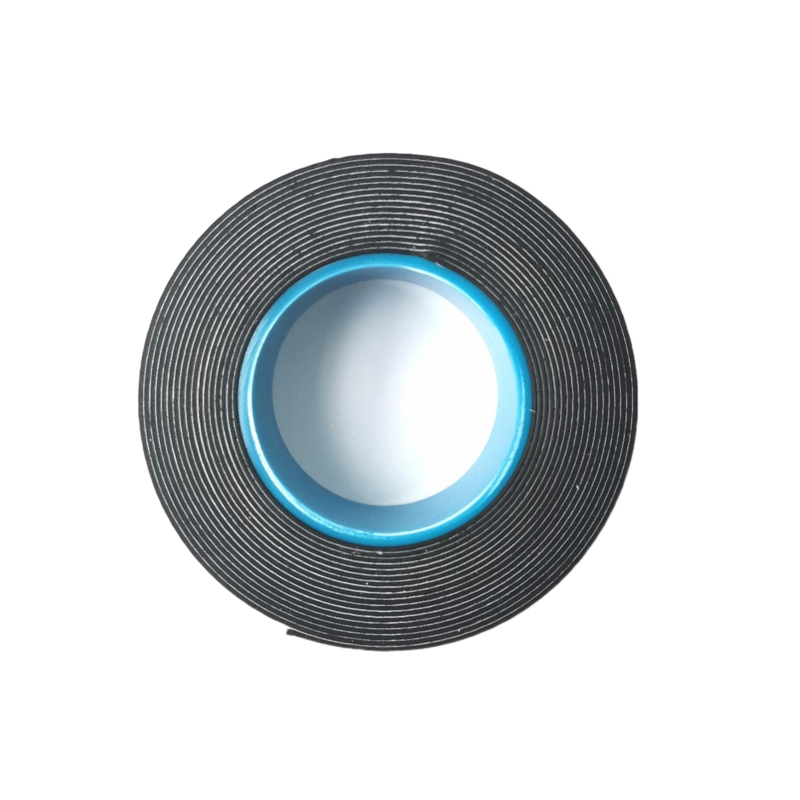
Figure 4: A technician applying self amalgamating tape for superior sealing and insulation.
These advantages collectively position PlB self annealing tape as an indispensable material for engineers and industrial decision-makers seeking reliable, efficient, and cost-effective solutions for protecting critical infrastructure.
Diverse Application Scenarios and Usage Best Practices
The versatility of PlB self amalgamating tape makes it suitable for a vast array of industrial and commercial applications. Its ability to create a waterproof, electrically insulating, and corrosion-resistant seal without external heat or adhesives simplifies installation and enhances long-term reliability.
Primary Application Areas
- Electrical Insulation and Splicing: This is perhaps the most common application. It's widely used for primary electrical insulation up to 69kV, moisture sealing electrical connections, splicing solid dielectric cables, and insulating motor leads. Its high dielectric strength ensures reliable protection against electrical faults.
- Moisture Sealing and Waterproofing: Critical for protecting cable glands, conduit entries, and sealing outdoor electrical components from water ingress. It forms a durable, void-free seal that prevents moisture migration, even when submerged.
- Corrosion Protection: Used to protect metal pipes, fittings, and cables from corrosion in harsh environments, including underground installations, marine applications, and areas exposed to chemicals or saltwater.
- Pipe Repair and Sealing: Excellent for emergency or permanent repairs of leaks in water pipes, low-pressure hydraulic lines, and air hoses. It can provide a temporary or even long-term seal until full system repair is possible, minimizing operational disruption.
- Automotive and Marine: Essential for protecting wiring harnesses, sensor connections, and hydraulic lines from moisture, road salt, and vibrations in vehicles and boats.
- Telecommunications: Sealing coaxial cable connections, antenna feeder lines, and base station equipment from environmental factors.
- Mining and Utilities: Insulating and sealing power cables and equipment in underground mines, as well as protecting overhead lines and underground distribution networks.
Usage Best Practices for Optimal Performance
To maximize the efficacy and longevity of PlB vulcanizing tape, proper application techniques are crucial:
- Surface Preparation: Ensure the surface is clean, dry, and free from grease or contaminants for optimal adhesion and amalgamation.
- Stretching: The tape must be stretched to approximately two-thirds of its original width during application. This stretch activates the amalgamation process and ensures a tight, void-free wrap. Overstretching can compromise its integrity, while understretching may lead to incomplete amalgamation.
- Overlap: Apply the tape with a minimum 50% overlap for each layer. This ensures consistent thickness and complete sealing.
- Tension: Maintain constant, firm tension throughout the wrapping process.
- Finishing: Extend the wrapping beyond the area to be sealed (e.g., 2-3 cm past the splice ends) to provide a complete environmental barrier. The final layer should be pressed firmly to ensure full amalgamation.
- Protection (Optional): For applications exposed to severe abrasion or prolonged UV radiation, an outer layer of PVC electrical tape or similar protective tape can be applied over the amalgamated tape to enhance mechanical protection and UV stability, though PlB tape typically offers good inherent UV resistance.
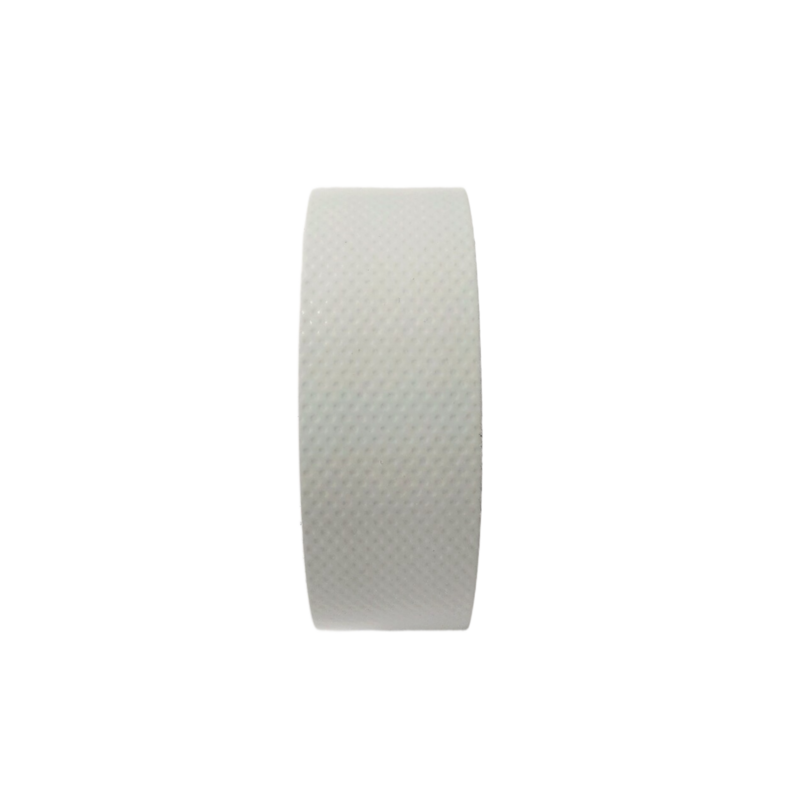
Figure 5: Correct application technique is crucial for achieving a secure and lasting seal with self amalgamating tape.
By adhering to these best practices, engineers can ensure that the PlB self amalgamating tape provides optimal performance, extending the lifespan of assets and enhancing operational safety across various industries.
Vendor Comparison and Customized Solutions
Selecting the right supplier for self amalgamating tape is a strategic decision that impacts the reliability and cost-effectiveness of industrial projects. While many manufacturers offer similar products, key differentiators lie in material quality, adherence to standards, customization capabilities, and technical support.
Critical Factors in Vendor Comparison
- Certifications: Look for manufacturers with ISO 9001 (Quality Management) and relevant product-specific certifications (e.g., ASTM, IEC, UL listings where applicable).
- Material Composition: Inquire about the base polymer (EPR vs. PIB) and specific additives used, as these directly influence performance characteristics like temperature range, UV resistance, and electrical properties.
- Testing and QC: A reputable vendor will have rigorous in-house testing procedures and provide comprehensive test data for their products.
- Customization Capabilities: For unique project requirements, the ability to customize dimensions, formulations, or packaging is a significant advantage.
- Technical Support: Access to expert technical assistance for application guidance, troubleshooting, and material selection.
- Lead Time & Logistics: Consistent supply chain, reasonable lead times, and efficient logistics are crucial for project timelines.
Typical Vendor Comparison: Key Differentiators
While specific brand names are not listed here, this table highlights common performance variances across different manufacturers of self amalgamating tape, emphasizing what sets a premium product like PlB apart.
| Feature/Parameter | PlB Self-Amalgamating Tape (Premium) | Standard Industry Tape (Mid-Tier) | Budget Tape (Lower-Tier) |
|---|---|---|---|
| Base Material | High-grade PIB/EPR | Blended EPR/Butyl | Recycled/Lower-grade rubber |
| Dielectric Strength (kV/mm) | ≥ 20 | 15 - 18 | < 15 |
| Operating Temp. Range (°C) | -40 to +90 | -20 to +80 | 0 to +70 |
| UV/Ozone Resistance | Excellent, long-term stability | Good, but may degrade over time | Poor, prone to cracking |
| Water Absorption (%) | ≤ 0.05 | 0.1 - 0.2 | > 0.2 |
| Amalgamation Speed | Rapid, complete fusion | Moderate, may take longer | Slow, incomplete fusion possible |
| Certifications | ISO 9001, ASTM, IEC | Basic internal QC | Limited or none |
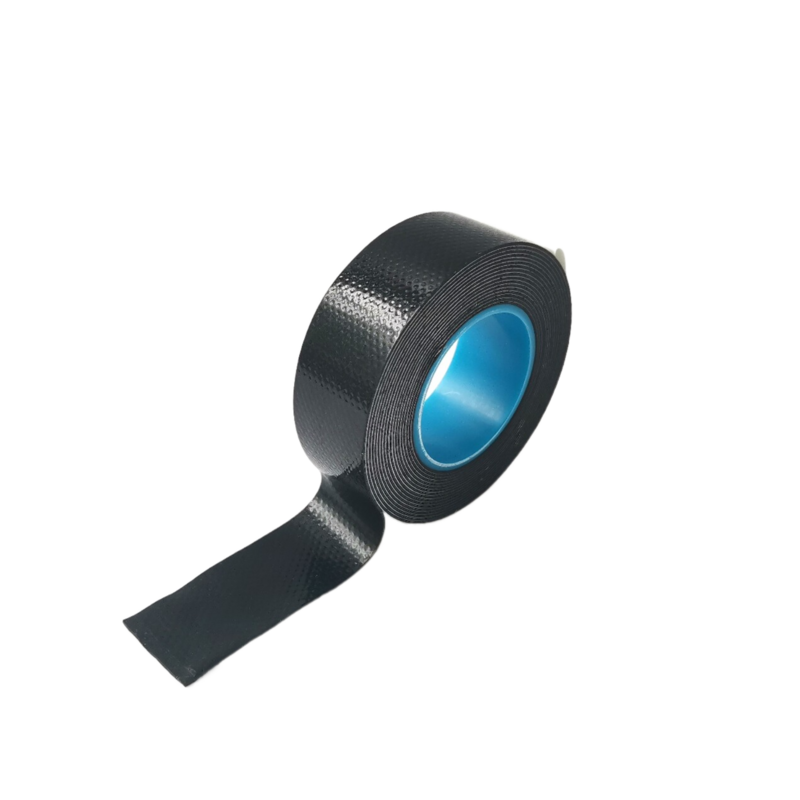
Figure 6: Comparing product features for optimal selection of self amalgamating tape.
Customized Solutions for Specific Needs
Recognizing that standard products may not fit every unique industrial challenge, Qiangda Tape offers customized solutions for PlB self amalgamating tape. This includes:
- Tailored Dimensions: Specific widths, thicknesses, and roll lengths to optimize application efficiency and minimize waste for large-scale projects.
- Formulation Adjustments: Modifying the polymer blend for enhanced resistance to specific chemicals, extreme temperatures (hot or cold), or particularly aggressive UV exposure.
- Specialized Packaging: Custom packaging options for harsh transit conditions, specific storage requirements, or integration into existing kits.
- Private Labeling: Branding solutions for distributors and OEM partners.
Engaging with a manufacturer that offers such flexibility ensures that the chosen solution is perfectly aligned with project requirements, leading to superior performance and long-term cost savings.
Real-World Application Case Studies & Building Customer Trust
The true measure of a product's effectiveness lies in its performance in real-world scenarios. PlB self amalgamating tape has been instrumental in ensuring the reliability and longevity of critical infrastructure across various industries for years. Our commitment to quality is underpinned by robust certifications and strong client partnerships.
Case Study 1: Submersible Pump Cable Splicing in a Mining Operation
Challenge: A large-scale mining operation required reliable, waterproof electrical splices for submersible pump cables operating in highly corrosive and abrasive mine water. Traditional heat-shrink solutions were time-consuming and prone to failure due to harsh conditions and potential installation errors.
Solution: PlB self amalgamating tape was chosen for its superior waterproofing, high dielectric strength, and ease of application. Technicians wrapped the cable splices with multiple layers of the tape, creating a monolithic, void-free seal. An outer layer of heavy-duty PVC tape was applied for mechanical protection.
Outcome: The PlB tape solution drastically reduced splice failure rates, leading to significant reductions in downtime and maintenance costs. The mine reported a 40% improvement in cable splice longevity compared to previous methods over a 5-year period, validating the tape's robust performance in extreme conditions.
Case Study 2: Corrosion Protection for Offshore Wind Farm Cabling
Challenge: An offshore wind farm project faced severe corrosion issues on cable connections within the turbine towers and along the subsea cable routes due to constant exposure to saltwater spray and high humidity. Standard tapes offered insufficient long-term protection.
Solution: PlB self amalgamating tape, with its excellent salt-fog resistance and moisture-sealing capabilities, was applied to all critical cable termination points and connection boxes. Its UV stability was also a key factor for above-water applications.
Outcome: Two years post-installation, inspections revealed no signs of corrosion or moisture ingress at any of the protected points. The reliable performance of the tape contributed to the project's overall operational efficiency and extended the expected lifespan of critical electrical components in a highly challenging marine environment.
Authoritativeness and Certifications
Qiangda Tape prides itself on maintaining the highest quality standards. Our PlB self amalgamating tape products are manufactured under strict ISO 9001 certified quality management systems. Our products consistently pass rigorous testing according to international standards such as ASTM D4388 for physical and electrical properties, and BS EN 60454-3-1 for pressure sensitive adhesive tapes for electrical purposes. These certifications, alongside positive customer feedback and long-standing partnerships with leading industrial clients over many years of service, underscore our commitment to delivering trusted, high-performance solutions.
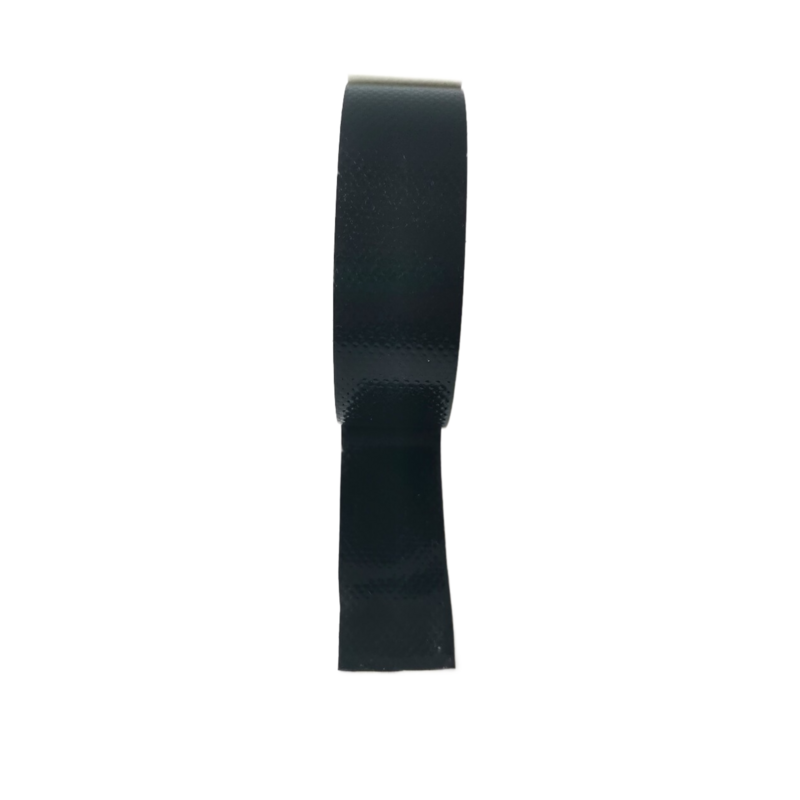
Figure 7: High-performance self amalgamating tape ensuring robust protection in various industrial settings.
Our extensive experience and adherence to global standards ensure that PlB tapes are a reliable choice for your most critical industrial applications.
Ensuring Reliability: Quality, Support, and Logistics
At Qiangda Tape, building trust extends beyond product quality to encompass comprehensive customer support, transparent logistics, and unwavering warranty commitments. We understand that for B2B clients, reliability in service is as crucial as reliability in product performance.
Frequently Asked Questions (FAQ)
A1: Standard electrical tape (e.g., PVC tape) relies on an adhesive backing and provides mechanical protection and some insulation. PlB self amalgamating tape, on the other hand, fuses into a solid, homogeneous rubber mass upon application, creating a waterproof, void-free, and high-dielectric seal without adhesive. It offers superior environmental sealing and electrical insulation compared to conventional adhesive tapes.
Q2: Does the tape require any special tools or heat for application?A2: No, PlB self annealing tape requires no special tools, heat guns, or adhesives. It is simply stretched and wrapped around the component, relying on its inherent polymer properties to self-amalgamate within minutes to hours, depending on ambient conditions.
Q3: Can PlB self-amalgamating tape be used for pipe repairs?A3: Yes, it is highly effective for emergency and permanent repairs of minor leaks in low-pressure water pipes, hydraulic lines, and air hoses. Its waterproof and pressure-resistant seal makes it an ideal temporary or long-term solution.
Q4: What is the expected lifespan of the tape once applied?A4: When properly applied and used in typical conditions, PlB self vulcanizing tape can offer a service life of 20-30 years, especially in applications protected from severe mechanical abrasion. Its UV and ozone resistance also contribute to long-term outdoor stability.
Q5: Is the tape resistant to chemicals?A5: PlB self-amalgamating tape exhibits good resistance to many common industrial chemicals, acids, and alkalis. However, for specific chemical exposure, we recommend consulting our technical data sheets or contacting our support team for specialized formulation recommendations.
Lead Time and Fulfillment Details
We maintain a robust inventory and efficient production lines to ensure timely delivery. Standard orders for PlB self amalgamating tape typically have a lead time of 7-14 business days, depending on order volume and specific customization requirements. For large-scale projects or urgent requests, we offer expedited production and shipping options. Our logistics team works closely with trusted global carriers to ensure secure and on-time delivery to your specified location, complete with tracking and clear communication throughout the shipping process.
Warranty Commitments
Qiangda Tape provides a comprehensive warranty for PlB self annealing tape, covering manufacturing defects and ensuring product performance as per our published technical specifications under normal use. Our standard warranty period is 12 months from the date of purchase. Any claims are handled efficiently by our dedicated quality assurance team to ensure customer satisfaction.
Dedicated Customer Support and Technical Assistance
Our commitment to our clients extends beyond the sale. Qiangda Tape offers readily available customer support and technical assistance. Our team of experienced engineers and product specialists is available to provide:
- Detailed product information and selection guidance.
- Application advice and best practices.
- Troubleshooting support.
- Assistance with customized solutions and order fulfillment.
Conclusion
PlB self amalgamating tape represents a pinnacle in advanced sealing and electrical insulation technology, offering unparalleled reliability, durability, and ease of use for critical industrial applications. From preventing corrosion in harsh environments to ensuring robust electrical integrity in high-voltage systems, its unique self-fusing properties deliver long-term protection that conventional materials cannot match.
By adhering to stringent manufacturing standards, offering comprehensive technical support, and continuously innovating, Qiangda Tape provides B2B professionals with trusted, high-performance solutions. Invest in PlB self-amalgamating tape to enhance the safety, efficiency, and longevity of your industrial assets.
References
- Grand View Research. "Electrical Tape Market Size, Share & Trends Analysis Report By Material (PVC, Cloth), By Application (Electrical & Electronic, Automotive), By Region, And Segment Forecasts, 2023 - 2030." grandviewresearch.com
- ASTM International. "ASTM D4388/D4388M-10 Standard Specification for Nonmetallic Semi-Conducting and Insulating Rubber Tapes." astm.org
- International Electrotechnical Commission. "IEC 60454-3-1: Pressure-sensitive adhesive tapes for electrical purposes - Part 3: Specifications for individual materials - Sheet 1: PVC film tapes with pressure-sensitive adhesive." webstore.iec.ch
- ISO. "ISO 9001:2015 Quality management systems – Requirements." iso.org
- Engineers Edge. "Dielectric Strength and Electrical Insulators." engineersedge.com
-
Industrial Fire Proof Tape Guide for High Temperature ProtectionNewsApr.16,2026
-
Ultimate Guide to Fireproof Tape Protection and ApplicationsNewsApr.09,2026
-
Exploring Black Tack Butyl Applications and Benefits for Optimal SealingNewsApr.07,2026
-
Comprehensive Guide to Black Butyl Rubber Tape Applications and BenefitsNewsApr.04,2026
-
Comprehensive Guide to High Power Butyl Waterproof Tape ApplicationsNewsMar.31,2026
-
Comprehensive Guide to 360tronics Butyl Waterproof Tape for Airtight and Watertight SealsNewsMar.28,2026