
The Essential Role of PVC Tape in Modern Electrical Insulation
In the intricate world of electrical engineering and maintenance, ensuring robust and reliable insulation is paramount to safety and operational efficiency. Among the myriad solutions available, pvc tape for electrical insulation stands out as a foundational component. Known for its versatile properties and ease of application, it provides crucial protection against electrical hazards, moisture, and abrasion across a vast spectrum of industrial and commercial environments. This comprehensive guide delves into the technical aspects, applications, and strategic importance of this indispensable material.
Beyond mere wire wrapping, pvc tape for electrical insulation offers a sophisticated blend of dielectric strength, flexibility, and environmental resilience, making it a preferred choice for professionals worldwide. From routine installations to complex repairs, understanding its composition, manufacturing, and performance metrics is key to selecting the right product for critical applications.
Industry Trends Shaping Electrical Insulation
The market for electrical insulation materials is continuously evolving, driven by advancements in technology, increasing safety standards, and environmental consciousness. Key trends impacting pvc insulation tape include:
- Sustainability Focus: Growing demand for phthalate-free and low-VOC (Volatile Organic Compound) PVC formulations to meet stricter environmental regulations and corporate sustainability goals. Manufacturers are innovating to produce more eco-friendly electrical tapes without compromising performance.
- Enhanced Performance: Development of tapes with improved temperature resistance (up to 105°C and beyond), higher dielectric strength (often exceeding 45kV/mm), and enhanced UV stability for outdoor applications, pushing the boundaries of traditional pvc electrical tape capabilities.
- Smart Grid Integration: As smart grids and renewable energy systems become more prevalent, the need for reliable, long-lasting insulation in complex and exposed environments is escalating, increasing the demand for high-performance tapes that can withstand diverse conditions.
- Specialized Applications: Emergence of tapes tailored for specific niches, such as high-flexibility tapes for robotics and automation wiring, or heavy-duty, abrasion-resistant tapes for mining, marine, and aerospace applications.
- Digitalization in Procurement: Increased reliance on digital platforms for specification, comparison, and procurement of industrial materials, including pvc tape for electrical insulation, leading to greater transparency in product features and pricing.
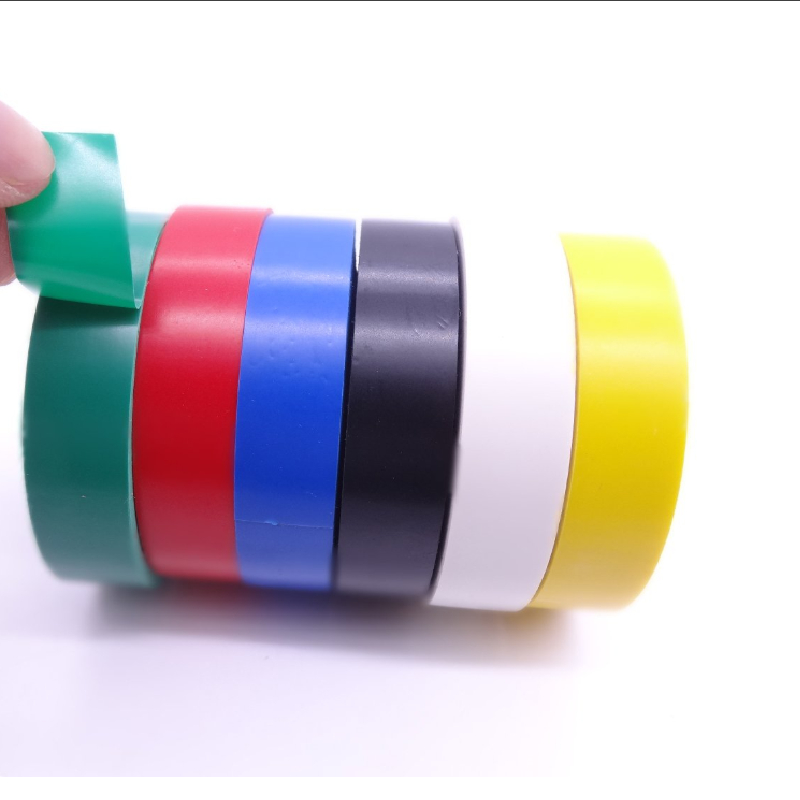
The Manufacturing Process of PVC Electrical Tape
The production of high-quality pvc electrical tape is a sophisticated process involving precise material science and engineering. Adherence to strict quality control and international testing standards (e.g., ISO 9001 for quality management, ASTM D1000 for electrical tapes, and EN 60454 for electrical insulation tapes) ensures product reliability. Here's a breakdown of the typical manufacturing flow:
1. Raw Material Preparation
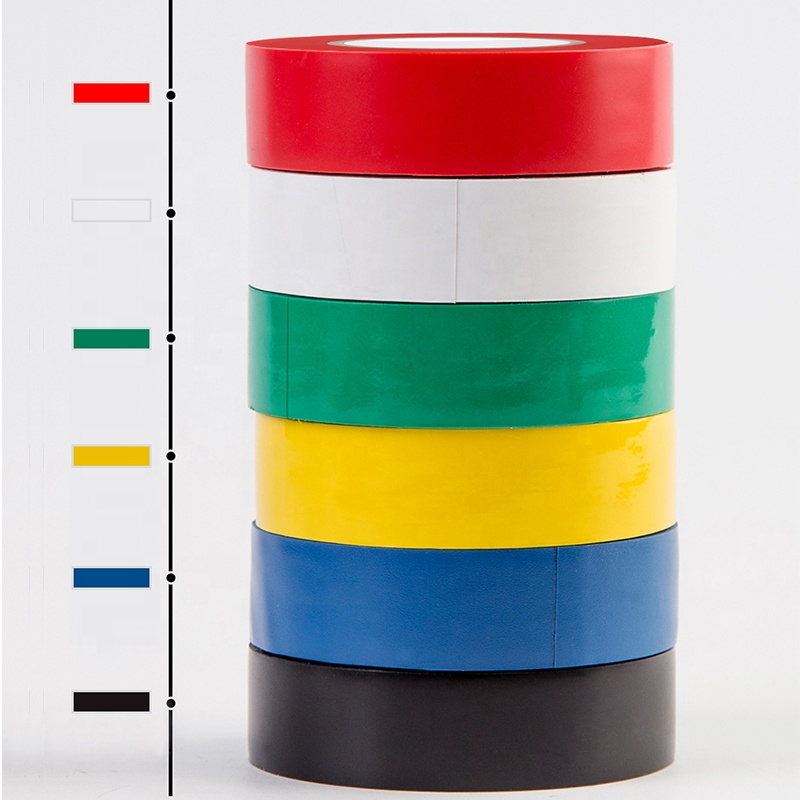
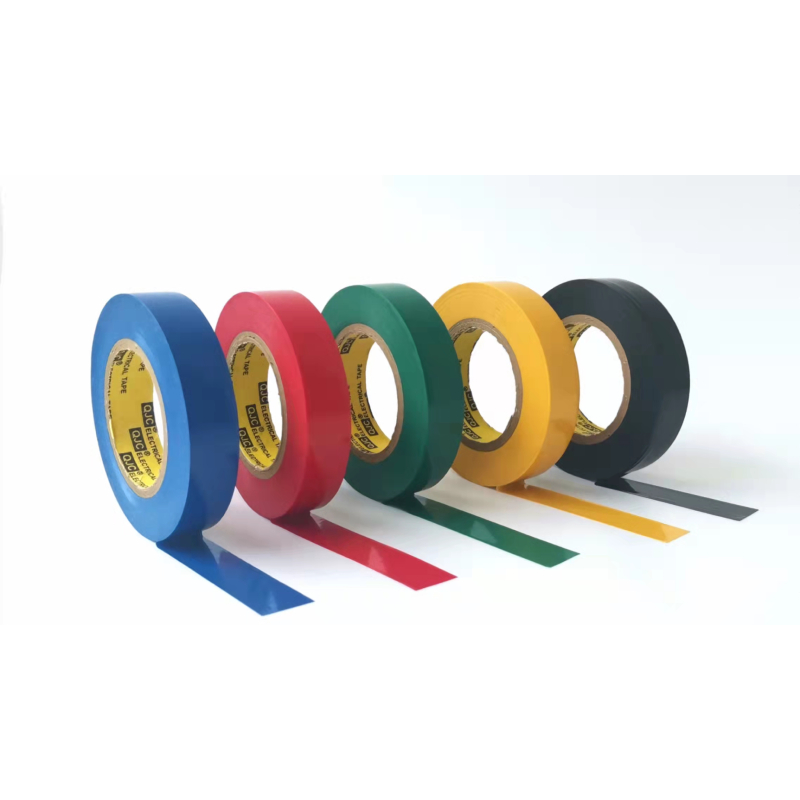
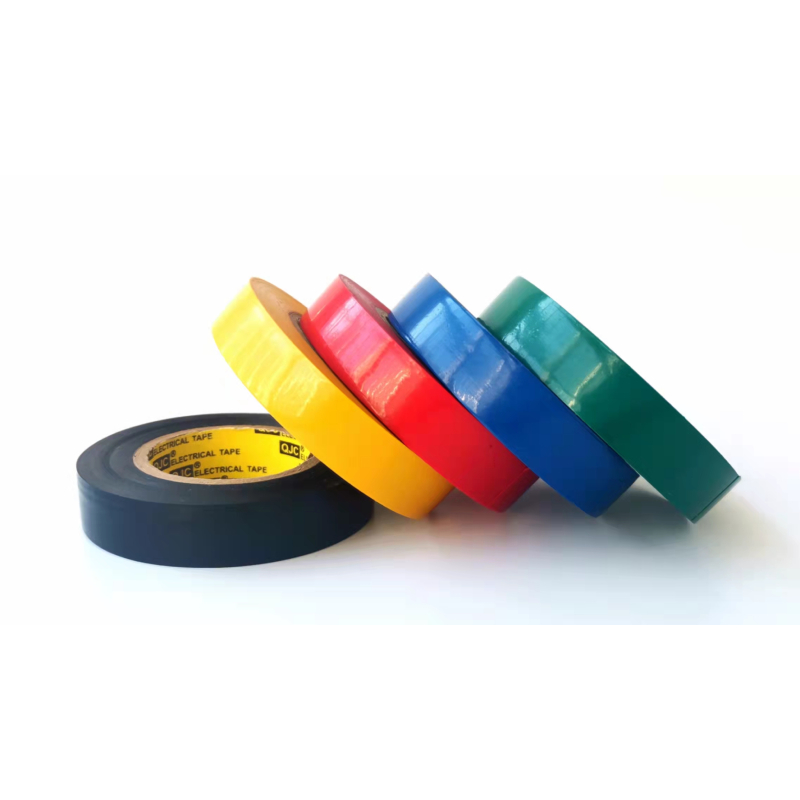
High-grade Polyvinyl Chloride (PVC) resin is carefully selected. It is then blended with essential additives such as plasticizers (e.g., DINP, DOTP for flexibility), stabilizers (to prevent degradation from heat and light), pigments for color coding, and flame retardants. This precise formulation is crucial for achieving the desired flexibility, durability, and safety properties of the final product as pvc tape for electrical insulation.
2. Film Calendering/Extrusion
The compounded PVC mixture is fed into a calendering machine or an extruder. Calendering, a process where the material is passed through a series of heated rollers, is commonly used to form a thin, uniform PVC film. This method ensures precise thickness control and consistent surface quality, which are critical for the uniform dielectric strength required for effective pvc insulation tape.
3. Adhesive Coating
Following film formation, one side of the PVC film undergoes a precise coating process with a pressure-sensitive adhesive (PSA). Typically, rubber-based or acrylic-based adhesives are used, chosen for their tackiness, shear strength, and temperature resistance. The adhesive formulation is optimized to ensure the tape adheres securely and maintains its bond over time, even under varying conditions.
4. Curing & Slitting
After coating, the adhesive may undergo a controlled curing process, often involving heat, to achieve its final strength and adhesion properties. The wide master rolls of coated film are then accurately slit into standard widths (e.g., 19mm, 25mm, 50mm) using high-precision slitting machines. These narrower rolls are then wound onto plastic or cardboard cores, forming the final individual rolls of pvc tape for electrical insulation.
5. Quality Control & Packaging
Before packaging, every batch undergoes rigorous testing against international standards such as ISO 9001, ASTM D1000, and EN 60454. Key tests include dielectric breakdown voltage, tensile strength, elongation at break, adhesion to steel and backing, flame retardancy (e.g., self-extinguishing properties), and temperature resistance. Only tapes meeting these stringent criteria are packaged and prepared for distribution.
The service life of high-quality pvc electrical tape typically ranges from 5 to 10 years under normal operating conditions, though specialized tapes can offer extended longevity in harsh environments. Target industries benefiting from these tapes include petrochemical, metallurgy, water supply & drainage, automotive, and general construction, where energy saving through efficient insulation and corrosion resistance are critical advantages.
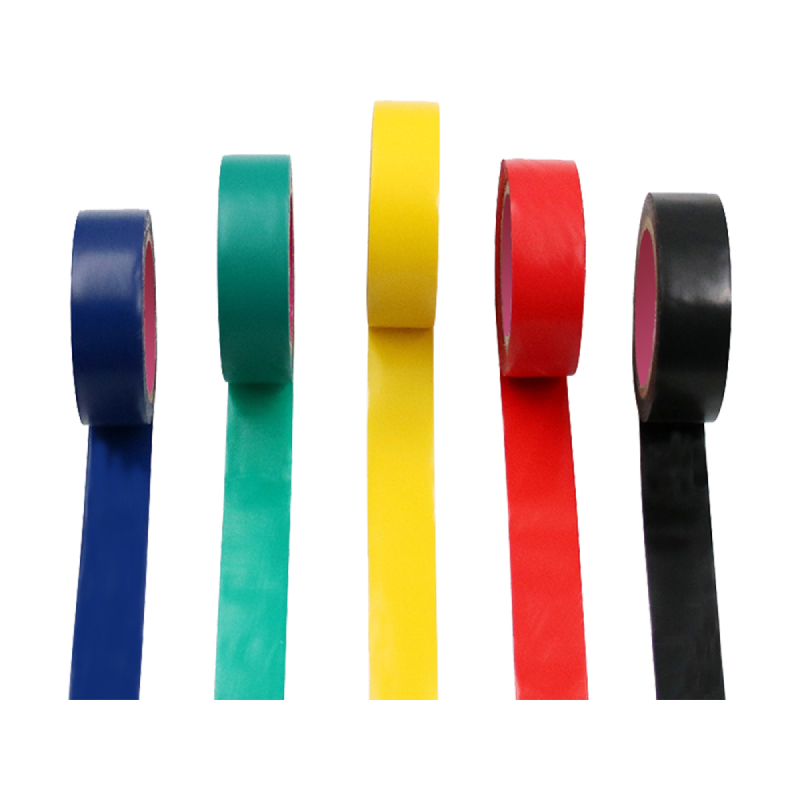
Technical Specifications and Performance Parameters
When selecting pvc tape for electrical insulation, understanding its key technical specifications is vital. These parameters dictate the tape's suitability for specific applications and ensure compliance with safety and performance requirements. Below is a table detailing common specifications for professional-grade PVC electrical tape, reflecting industry averages and high-performance variants:
Note: Values are typical and may vary by manufacturer and specific product grade. Always refer to the manufacturer's datasheet for precise specifications compliant with relevant industry standards.
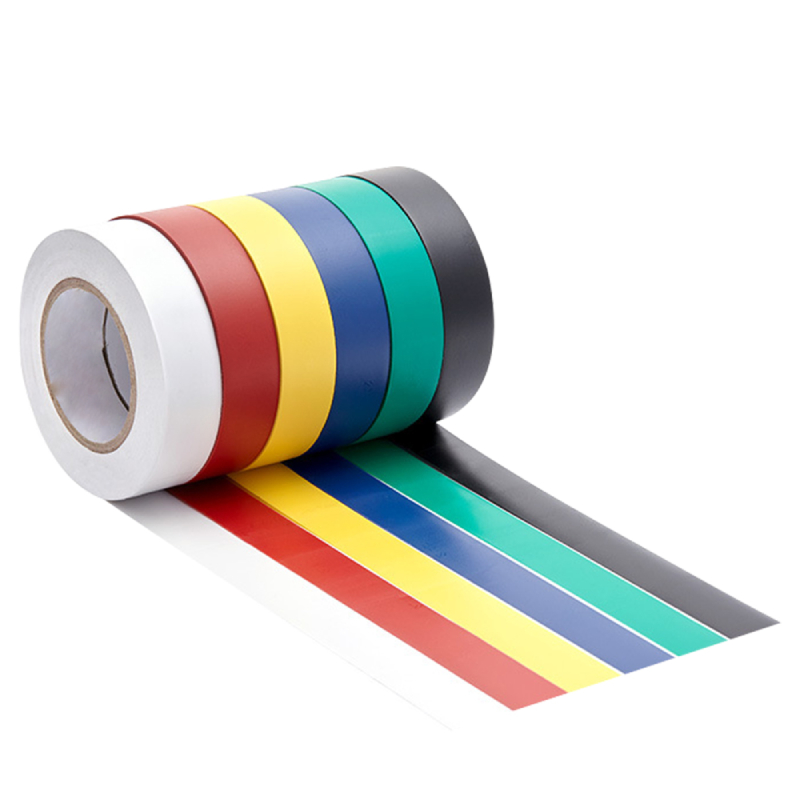
Diverse Application Scenarios
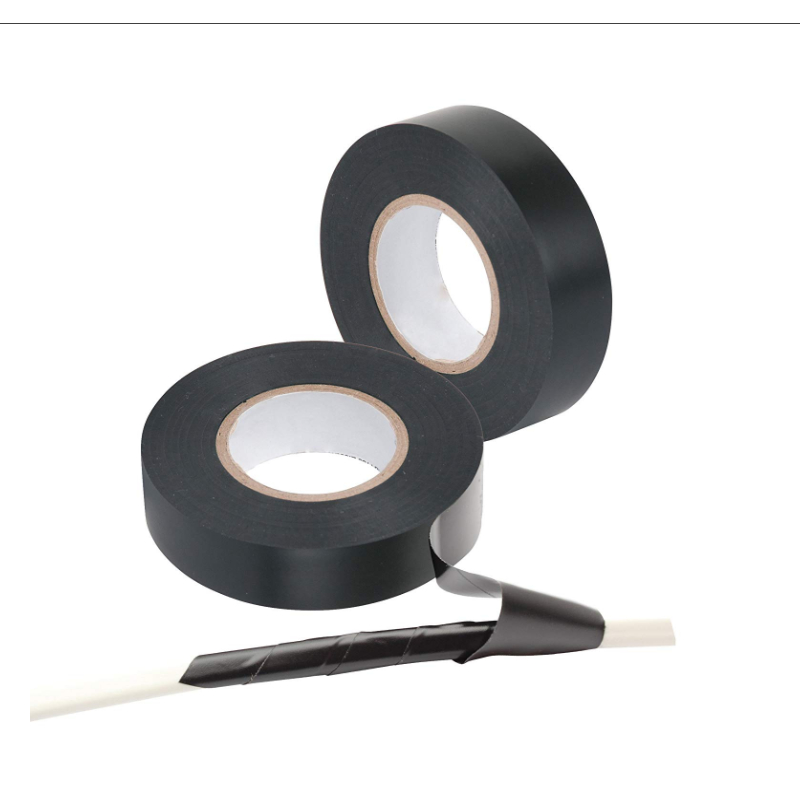
The adaptability of pvc tape for electrical insulation makes it indispensable across a multitude of industries. Its primary function is to insulate electrical conductors, preventing current leakage and short circuits, but its utility extends far beyond this core purpose, providing mechanical protection, moisture sealing, and color coding.
- Electrical Wiring and Cabling: Essential for insulating splices, terminations, and connections in low and medium voltage applications (up to 600V). It provides primary insulation, mechanical protection, and weather sealing for wire and cable joints.
- Industrial Machinery and Control Panels: Used for insulating control panels, motor windings, busbars, and power distribution systems within manufacturing plants. Its resistance to oils, industrial chemicals, and abrasion makes it ideal for harsh industrial environments.
- Automotive Industry: Crucial for wiring harnesses, battery terminal insulation, and general electrical repairs in vehicles. Its flexibility and adherence are vital for applications exposed to vibration and varying temperatures.
- Construction and Infrastructure: Employed in residential, commercial, and heavy industrial construction for conduit sealing, cable bundling, and marking phase identification. Its robust nature supports both indoor and outdoor installations.
- HVAC Systems: Utilized for sealing ductwork, insulating pipes, and securing insulation materials, where moisture resistance and flexibility are valued for maintaining thermal efficiency and preventing condensation.
- Marine and Offshore Applications: Specialized waterproof pvc insulation tape variants protect electrical connections and components from saltwater corrosion, humidity, and extreme weather conditions prevalent in marine environments.
- Mining and Utilities: Heavy-duty versions provide robust insulation and abrasion resistance for cables and equipment in challenging underground or exposed utility infrastructure, ensuring operational continuity and safety.
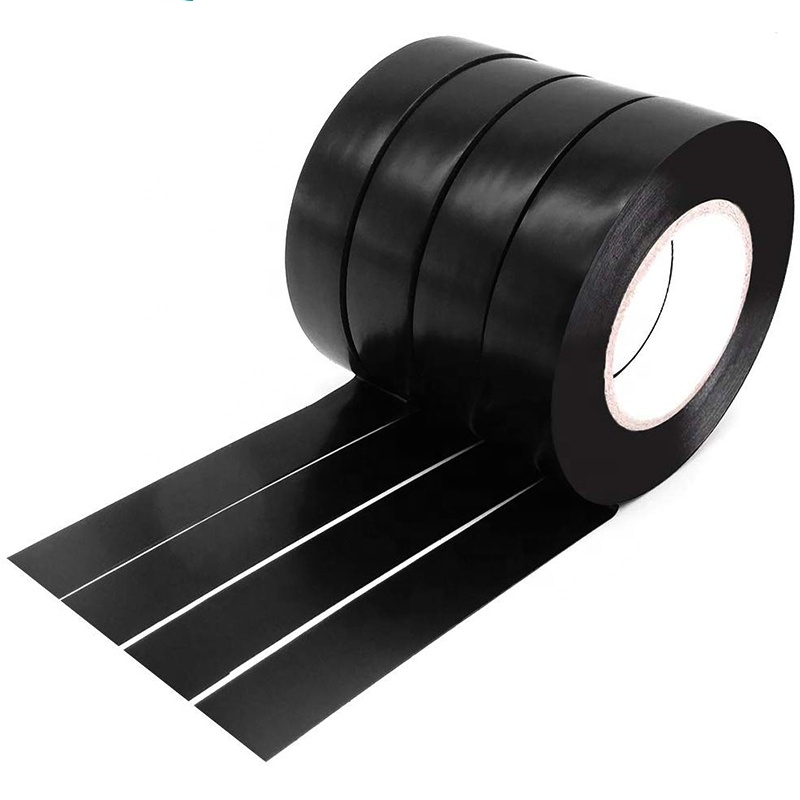
Technical Advantages and Performance Edge
The enduring popularity of pvc electrical tape stems from its compelling technical advantages, offering superior performance compared to alternative insulation methods in many common applications:
- Excellent Dielectric Strength: PVC tape effectively withstands high voltages, typically over 40 kV/mm, preventing electrical breakdown and ensuring safety. This property is crucial for effective electrical insulation of splices and connections.
- High Flexibility and Conformability: Its elastic nature allows it to stretch and mold around irregular shapes, tight curves, and uneven surfaces, providing a snug, void-free insulation layer. This conformability is vital for achieving optimal insulation in complex wiring jobs.
- Superior Adhesion: The strong, long-lasting adhesive bond ensures that the tape stays securely in place, even under mechanical stress, vibration, or temperature fluctuations, maintaining insulation integrity over time.
- Moisture and Weather Resistance: PVC is inherently resistant to water, humidity, and many common chemicals, making it suitable for both indoor and demanding outdoor applications, protecting against environmental degradation and corrosion.
- Flame Retardancy: Many PVC electrical tapes are designed to be self-extinguishing, meeting stringent safety standards like UL 510 and IEC 60454. This property significantly reduces fire propagation risks in electrical installations.
- Abrasion and Puncture Resistance: The robust PVC backing provides excellent mechanical protection against physical damage, cuts, and punctures, thereby extending the lifespan of insulated connections and cables.
- UV Resistance: Specialized formulations of pvc tape for electrical insulation offer enhanced UV stability, preventing material degradation, fading, and cracking from prolonged sunlight exposure in outdoor installations.
- Cost-Effectiveness: Compared to other high-performance insulation materials, PVC tape offers a highly economical solution without compromising critical safety and performance metrics, providing an excellent value proposition for B2B procurement.
Vendor Comparison: Selecting the Right PVC Electrical Tape
The market offers a wide array of pvc electrical tape from various manufacturers, each with subtle differences in performance and pricing. Making an informed decision requires comparing key attributes beyond just the electrical insulation tape price. Factors like material quality, adhesive type, adherence to international standards, and consistency in manufacturing greatly influence long-term reliability and total cost of ownership.
Factors like lead time, warranty, and adherence to specific industry certifications (e.g., VDE, CE, Lloyd's Register) also play a crucial role in vendor selection. For critical applications, partnering with manufacturers that offer comprehensive technical support, traceable quality assurance, and robust R&D capabilities is paramount. When considering the price pvc tape for electrical insulation, always balance initial cost with long-term performance, reliability, and safety compliance.
Customized Solutions for Specialized Needs
While standard pvc insulation tape addresses a broad range of electrical requirements, many B2B applications, particularly in highly specialized industries, demand bespoke solutions. Leading manufacturers understand this need and offer extensive customization options to meet unique project specifications, ensuring optimal performance and integration.
- Tailored Dimensions: Tapes can be produced in custom widths, lengths, and core sizes to precisely fit automated winding equipment or specific application tools, optimizing efficiency and reducing material waste.
- Specific Material Formulations: Adjustments to PVC compounds (e.g., lead-free, non-phthalate for environmental regulations; specific color codes for phase identification and safety protocols), adhesive types (e.g., high-temperature acrylic for sustained heat; low-corrosion rubber for sensitive metals), or flame retardant additives (for higher fire safety ratings) are common.
- Performance Enhancements: Customizing for extreme temperatures (both hot and cold, extending operating ranges), enhanced UV resistance for solar installations and outdoor telecommunications, or superior chemical resistance for petrochemical and laboratory environments.
- Branding and Packaging: Private labeling, custom packaging, and specific roll configurations (e.g., bulk industrial packs, multi-color sets, specialized dispensers) can be arranged to align with client branding, logistical requirements, and end-user convenience.
- Regulatory Compliance: Developing products that meet niche regulatory standards beyond common certifications, such as military specifications (e.g., MIL-SPEC), specific automotive OEM requirements (e.g., Ford, GM standards), or railway industry norms.
By collaborating closely with experienced manufacturers like Qiangda Tape, businesses can ensure that their pvc tape for electrical insulation perfectly integrates with their systems, delivering optimal performance, enhanced safety, and superior cost-efficiency for their unique operational demands.
Application Case Studies: Proving Reliability
Real-world applications demonstrate the unwavering reliability and versatility of high-quality PVC electrical tape, showcasing its performance under demanding conditions and contributing to project success.
Case Study 1: Large-Scale Petrochemical Plant Rewiring
A major petrochemical facility in the Gulf Coast region undertook a comprehensive rewiring project for its instrumentation and control systems, upgrading aging infrastructure exposed to corrosive chemical vapors and high humidity. They required an insulation solution that offered not only high dielectric strength but also superior resistance to specific chemical compounds, oils, and moisture. After extensive testing and a pilot phase, a specialized high-adhesion, chemical-resistant pvc electrical tape, certified to ASTM D1000 standards, was selected. The tape's exceptional flexibility and aggressive adhesive significantly reduced installation time by 15% due to its ease of application, and subsequent thermal cycling and chemical exposure tests confirmed its excellent sealing and protective properties. This directly contributed to enhanced system reliability, preventing premature failures, and projected a 20% reduction in long-term maintenance costs for electrical connections in critical process areas. The project, completed two months ahead of schedule, showcased the tape's efficiency and durability in a highly demanding industrial setting.
Case Study 2: Renewable Energy Solar Farm Installation in Arid Climates
For a new multi-megawatt solar farm installation in a high-UV, arid desert climate, all external wiring and junction box insulation required a robust solution that could withstand extreme temperature fluctuations (from -5°C to +55°C) and prolonged, intense sun exposure. Standard electrical tapes often degrade, crack, and lose adhesion under these conditions, leading to costly system failures. A premium-grade, UV-stabilized pvc insulation tape, specifically designed and tested for outdoor applications per UL 510 standards, was chosen. Its superior UV resistance prevented material degradation, color fading, and loss of flexibility, maintaining dielectric integrity and mechanical protection over multiple years. This strategic choice ensured long-term operational stability for critical electrical connections across the vast solar array, minimizing premature failures and associated downtime for the solar panels. Customer feedback from the project owner highlighted the tape's consistent, reliable performance despite the exceptionally harsh environmental factors, affirming its value in renewable energy infrastructure.
Frequently Asked Questions (FAQ)
Q1: What is the primary difference between PVC electrical tape and other insulation tapes?
A: PVC electrical tape is distinguished by its excellent conformability, high dielectric strength, and strong resistance to a wide range of chemicals, abrasion, and moisture, making it highly versatile for general-purpose electrical insulation up to 600V. Other tapes, like rubber splicing tape, excel in moisture sealing and filling voids, while mastic tapes offer superior waterproofing. PVC tape balances these properties for broad applicability and ease of use.
Q2: Can pvc tape for electrical insulation be used outdoors?
A: Yes, many modern PVC electrical tapes are formulated with UV stabilizers, allowing them to withstand outdoor exposure without significant degradation from sunlight, temperature extremes, or weathering. However, for applications subject to extreme or prolonged outdoor conditions, it is crucial to select a premium-grade, UV-resistant tape explicitly designed and certified (e.g., UL listed for outdoor use) for such environments to ensure long-term performance.
Q3: What factors affect the electrical insulation tape price?
A: The price of pvc tape for electrical insulation is influenced by several factors: tape thickness, specific performance enhancements (e.g., high temperature resistance, extreme cold flexibility, specialized flame retardancy, low-corrosion adhesive), the type and quality of the adhesive, brand reputation, and order volume. Higher performance grades that meet stricter international standards typically command a higher unit price pvc tape for electrical insulation, reflecting superior material science and manufacturing precision.
Lead Time, Fulfillment, and Warranty
At Qiangda Tape, we understand the critical nature of timely delivery and unwavering product support for B2B clients. Our commitment is to provide a seamless procurement experience, backed by rigorous quality assurance.
- Lead Time: For our standard range of pvc electrical tape, typical orders are processed and shipped within 5-7 business days. Custom orders, which require specialized manufacturing processes or unique material formulations, may have lead times ranging from 10-20 business days, depending on complexity and production queue. We maintain substantial raw material and finished goods inventory to meet urgent demands and reduce potential delays.
- Fulfillment: We offer flexible and efficient fulfillment options tailored to our clients' needs, including bulk packaging, private labeling with client branding, and direct shipping to project sites or distribution centers globally. Our experienced logistics team collaborates closely with clients to ensure timely and cost-effective delivery through trusted carriers and optimized shipping routes.
- Warranty: All Qiangda Tape products, including our entire line of pvc insulation tape, come with a standard 12-month warranty against manufacturing defects from the date of purchase. This warranty is valid provided the products are stored, handled, and used according to our recommended guidelines and specifications. We stand behind the superior quality and consistent performance of our materials, which are manufactured under strict ISO 9001:2015 certified quality management systems.
Dedicated Customer Support
Our commitment extends beyond product delivery. Qiangda Tape provides comprehensive technical support and responsive customer service to ensure seamless integration and optimal performance of our pvc tape for electrical insulation in your specific applications. Our goal is to be a trusted partner, not just a supplier.
- Technical Assistance: Our dedicated team of material science experts and application engineers is readily available to provide in-depth guidance on product selection, application best practices, compliance with industry standards, and effective troubleshooting. We assist clients in optimizing tape usage for maximum efficiency and safety.
- Order Support: For all inquiries regarding order status, logistical arrangements, special shipping instructions, or custom product requirements, our dedicated sales support team is prompt and efficient in providing the necessary assistance and updates.
- Feedback and Continuous Improvement: We highly value customer feedback as a cornerstone of our continuous improvement process. Your insights help us refine our existing product offerings, develop innovative solutions, and maintain our position at the forefront of electrical insulation technology.
You can reach us via our official website's contact form, email, or direct phone line during business hours. We are committed to building long-term partnerships through exceptional product quality and unparalleled customer service for all your electrical insulation needs.
Conclusion
The continuous evolution and rigorous engineering behind pvc tape for electrical insulation underscore its critical importance in ensuring safety, efficiency, and longevity in electrical systems across diverse industries. From its meticulous manufacturing process and adherence to stringent international standards to its wide array of technical advantages and customizable solutions, it represents a cornerstone of modern electrical infrastructure. By prioritizing quality, understanding nuanced technical specifications, and leveraging expert support from reputable manufacturers, businesses can confidently deploy high-performance PVC electrical tape to safeguard their investments, enhance operational integrity, and meet the ever-increasing demands of contemporary electrical applications. Its proven track record and adaptability make it an indispensable asset in any professional electrical toolkit.
References
- IEC 60454-3-1: Pressure-sensitive adhesive tapes for electrical purposes - Part 3: Specifications for individual materials - Sheet 1: PVC film tapes with pressure-sensitive adhesive. International Electrotechnical Commission.
- ASTM D1000: Standard Test Methods for Pressure-Sensitive Adhesive-Coated Tapes Used for Electrical and Electronic Applications. ASTM International.
- UL 510: Standard for Polyvinyl Chloride, Polyethylene, and Rubber Insulating Tape. Underwriters Laboratories.
- British Standard BS EN 60454: Specification for Pressure Sensitive Adhesive Tapes for Electrical Purposes. British Standards Institution.
- "Advanced Electrical Insulation Materials" by T. J. H. Han and L. Zhang. IEEE Transactions on Dielectrics and Electrical Insulation, Vol. 25, Issue 3, June 2018.
- "Polyvinyl Chloride (PVC) Handbook" by Edward J. Wickson. Noyes Publications, 1993.
-
Industrial Fire Proof Tape Guide for High Temperature ProtectionNewsApr.16,2026
-
Ultimate Guide to Fireproof Tape Protection and ApplicationsNewsApr.09,2026
-
Exploring Black Tack Butyl Applications and Benefits for Optimal SealingNewsApr.07,2026
-
Comprehensive Guide to Black Butyl Rubber Tape Applications and BenefitsNewsApr.04,2026
-
Comprehensive Guide to High Power Butyl Waterproof Tape ApplicationsNewsMar.31,2026
-
Comprehensive Guide to 360tronics Butyl Waterproof Tape for Airtight and Watertight SealsNewsMar.28,2026
The Essential Role of PVC Tape in Modern Electrical Insulation
In the intricate world of electrical engineering and maintenance, ensuring robust and reliable insulation is paramount to safety and operational efficiency. Among the myriad solutions available, pvc tape for electrical insulation stands out as a foundational component. Known for its versatile properties and ease of application, it provides crucial protection against electrical hazards, moisture, and abrasion across a vast spectrum of industrial and commercial environments. This comprehensive guide delves into the technical aspects, applications, and strategic importance of this indispensable material.
Beyond mere wire wrapping, pvc tape for electrical insulation offers a sophisticated blend of dielectric strength, flexibility, and environmental resilience, making it a preferred choice for professionals worldwide. From routine installations to complex repairs, understanding its composition, manufacturing, and performance metrics is key to selecting the right product for critical applications.
Industry Trends Shaping Electrical Insulation
The market for electrical insulation materials is continuously evolving, driven by advancements in technology, increasing safety standards, and environmental consciousness. Key trends impacting pvc insulation tape include:
- Sustainability Focus: Growing demand for phthalate-free and low-VOC (Volatile Organic Compound) PVC formulations to meet stricter environmental regulations and corporate sustainability goals. Manufacturers are innovating to produce more eco-friendly electrical tapes without compromising performance.
- Enhanced Performance: Development of tapes with improved temperature resistance (up to 105°C and beyond), higher dielectric strength (often exceeding 45kV/mm), and enhanced UV stability for outdoor applications, pushing the boundaries of traditional pvc electrical tape capabilities.
- Smart Grid Integration: As smart grids and renewable energy systems become more prevalent, the need for reliable, long-lasting insulation in complex and exposed environments is escalating, increasing the demand for high-performance tapes that can withstand diverse conditions.
- Specialized Applications: Emergence of tapes tailored for specific niches, such as high-flexibility tapes for robotics and automation wiring, or heavy-duty, abrasion-resistant tapes for mining, marine, and aerospace applications.
- Digitalization in Procurement: Increased reliance on digital platforms for specification, comparison, and procurement of industrial materials, including pvc tape for electrical insulation, leading to greater transparency in product features and pricing.
The Manufacturing Process of PVC Electrical Tape
The production of high-quality pvc electrical tape is a sophisticated process involving precise material science and engineering. Adherence to strict quality control and international testing standards (e.g., ISO 9001 for quality management, ASTM D1000 for electrical tapes, and EN 60454 for electrical insulation tapes) ensures product reliability. Here's a breakdown of the typical manufacturing flow:
1. Raw Material Preparation
High-grade Polyvinyl Chloride (PVC) resin is carefully selected. It is then blended with essential additives such as plasticizers (e.g., DINP, DOTP for flexibility), stabilizers (to prevent degradation from heat and light), pigments for color coding, and flame retardants. This precise formulation is crucial for achieving the desired flexibility, durability, and safety properties of the final product as pvc tape for electrical insulation.
2. Film Calendering/Extrusion
The compounded PVC mixture is fed into a calendering machine or an extruder. Calendering, a process where the material is passed through a series of heated rollers, is commonly used to form a thin, uniform PVC film. This method ensures precise thickness control and consistent surface quality, which are critical for the uniform dielectric strength required for effective pvc insulation tape.
3. Adhesive Coating
Following film formation, one side of the PVC film undergoes a precise coating process with a pressure-sensitive adhesive (PSA). Typically, rubber-based or acrylic-based adhesives are used, chosen for their tackiness, shear strength, and temperature resistance. The adhesive formulation is optimized to ensure the tape adheres securely and maintains its bond over time, even under varying conditions.
4. Curing & Slitting
After coating, the adhesive may undergo a controlled curing process, often involving heat, to achieve its final strength and adhesion properties. The wide master rolls of coated film are then accurately slit into standard widths (e.g., 19mm, 25mm, 50mm) using high-precision slitting machines. These narrower rolls are then wound onto plastic or cardboard cores, forming the final individual rolls of pvc tape for electrical insulation.
5. Quality Control & Packaging
Before packaging, every batch undergoes rigorous testing against international standards such as ISO 9001, ASTM D1000, and EN 60454. Key tests include dielectric breakdown voltage, tensile strength, elongation at break, adhesion to steel and backing, flame retardancy (e.g., self-extinguishing properties), and temperature resistance. Only tapes meeting these stringent criteria are packaged and prepared for distribution.
The service life of high-quality pvc electrical tape typically ranges from 5 to 10 years under normal operating conditions, though specialized tapes can offer extended longevity in harsh environments. Target industries benefiting from these tapes include petrochemical, metallurgy, water supply & drainage, automotive, and general construction, where energy saving through efficient insulation and corrosion resistance are critical advantages.
Technical Specifications and Performance Parameters
When selecting pvc tape for electrical insulation, understanding its key technical specifications is vital. These parameters dictate the tape's suitability for specific applications and ensure compliance with safety and performance requirements. Below is a table detailing common specifications for professional-grade PVC electrical tape, reflecting industry averages and high-performance variants:
Note: Values are typical and may vary by manufacturer and specific product grade. Always refer to the manufacturer's datasheet for precise specifications compliant with relevant industry standards.
Diverse Application Scenarios
The adaptability of pvc tape for electrical insulation makes it indispensable across a multitude of industries. Its primary function is to insulate electrical conductors, preventing current leakage and short circuits, but its utility extends far beyond this core purpose, providing mechanical protection, moisture sealing, and color coding.
- Electrical Wiring and Cabling: Essential for insulating splices, terminations, and connections in low and medium voltage applications (up to 600V). It provides primary insulation, mechanical protection, and weather sealing for wire and cable joints.
- Industrial Machinery and Control Panels: Used for insulating control panels, motor windings, busbars, and power distribution systems within manufacturing plants. Its resistance to oils, industrial chemicals, and abrasion makes it ideal for harsh industrial environments.
- Automotive Industry: Crucial for wiring harnesses, battery terminal insulation, and general electrical repairs in vehicles. Its flexibility and adherence are vital for applications exposed to vibration and varying temperatures.
- Construction and Infrastructure: Employed in residential, commercial, and heavy industrial construction for conduit sealing, cable bundling, and marking phase identification. Its robust nature supports both indoor and outdoor installations.
- HVAC Systems: Utilized for sealing ductwork, insulating pipes, and securing insulation materials, where moisture resistance and flexibility are valued for maintaining thermal efficiency and preventing condensation.
- Marine and Offshore Applications: Specialized waterproof pvc insulation tape variants protect electrical connections and components from saltwater corrosion, humidity, and extreme weather conditions prevalent in marine environments.
- Mining and Utilities: Heavy-duty versions provide robust insulation and abrasion resistance for cables and equipment in challenging underground or exposed utility infrastructure, ensuring operational continuity and safety.
Technical Advantages and Performance Edge
The enduring popularity of pvc electrical tape stems from its compelling technical advantages, offering superior performance compared to alternative insulation methods in many common applications:
- Excellent Dielectric Strength: PVC tape effectively withstands high voltages, typically over 40 kV/mm, preventing electrical breakdown and ensuring safety. This property is crucial for effective electrical insulation of splices and connections.
- High Flexibility and Conformability: Its elastic nature allows it to stretch and mold around irregular shapes, tight curves, and uneven surfaces, providing a snug, void-free insulation layer. This conformability is vital for achieving optimal insulation in complex wiring jobs.
- Superior Adhesion: The strong, long-lasting adhesive bond ensures that the tape stays securely in place, even under mechanical stress, vibration, or temperature fluctuations, maintaining insulation integrity over time.
- Moisture and Weather Resistance: PVC is inherently resistant to water, humidity, and many common chemicals, making it suitable for both indoor and demanding outdoor applications, protecting against environmental degradation and corrosion.
- Flame Retardancy: Many PVC electrical tapes are designed to be self-extinguishing, meeting stringent safety standards like UL 510 and IEC 60454. This property significantly reduces fire propagation risks in electrical installations.
- Abrasion and Puncture Resistance: The robust PVC backing provides excellent mechanical protection against physical damage, cuts, and punctures, thereby extending the lifespan of insulated connections and cables.
- UV Resistance: Specialized formulations of pvc tape for electrical insulation offer enhanced UV stability, preventing material degradation, fading, and cracking from prolonged sunlight exposure in outdoor installations.
- Cost-Effectiveness: Compared to other high-performance insulation materials, PVC tape offers a highly economical solution without compromising critical safety and performance metrics, providing an excellent value proposition for B2B procurement.
Vendor Comparison: Selecting the Right PVC Electrical Tape
The market offers a wide array of pvc electrical tape from various manufacturers, each with subtle differences in performance and pricing. Making an informed decision requires comparing key attributes beyond just the electrical insulation tape price. Factors like material quality, adhesive type, adherence to international standards, and consistency in manufacturing greatly influence long-term reliability and total cost of ownership.
Factors like lead time, warranty, and adherence to specific industry certifications (e.g., VDE, CE, Lloyd's Register) also play a crucial role in vendor selection. For critical applications, partnering with manufacturers that offer comprehensive technical support, traceable quality assurance, and robust R&D capabilities is paramount. When considering the price pvc tape for electrical insulation, always balance initial cost with long-term performance, reliability, and safety compliance.
Customized Solutions for Specialized Needs
While standard pvc insulation tape addresses a broad range of electrical requirements, many B2B applications, particularly in highly specialized industries, demand bespoke solutions. Leading manufacturers understand this need and offer extensive customization options to meet unique project specifications, ensuring optimal performance and integration.
- Tailored Dimensions: Tapes can be produced in custom widths, lengths, and core sizes to precisely fit automated winding equipment or specific application tools, optimizing efficiency and reducing material waste.
- Specific Material Formulations: Adjustments to PVC compounds (e.g., lead-free, non-phthalate for environmental regulations; specific color codes for phase identification and safety protocols), adhesive types (e.g., high-temperature acrylic for sustained heat; low-corrosion rubber for sensitive metals), or flame retardant additives (for higher fire safety ratings) are common.
- Performance Enhancements: Customizing for extreme temperatures (both hot and cold, extending operating ranges), enhanced UV resistance for solar installations and outdoor telecommunications, or superior chemical resistance for petrochemical and laboratory environments.
- Branding and Packaging: Private labeling, custom packaging, and specific roll configurations (e.g., bulk industrial packs, multi-color sets, specialized dispensers) can be arranged to align with client branding, logistical requirements, and end-user convenience.
- Regulatory Compliance: Developing products that meet niche regulatory standards beyond common certifications, such as military specifications (e.g., MIL-SPEC), specific automotive OEM requirements (e.g., Ford, GM standards), or railway industry norms.
By collaborating closely with experienced manufacturers like Qiangda Tape, businesses can ensure that their pvc tape for electrical insulation perfectly integrates with their systems, delivering optimal performance, enhanced safety, and superior cost-efficiency for their unique operational demands.
Application Case Studies: Proving Reliability
Real-world applications demonstrate the unwavering reliability and versatility of high-quality PVC electrical tape, showcasing its performance under demanding conditions and contributing to project success.
Case Study 1: Large-Scale Petrochemical Plant Rewiring
A major petrochemical facility in the Gulf Coast region undertook a comprehensive rewiring project for its instrumentation and control systems, upgrading aging infrastructure exposed to corrosive chemical vapors and high humidity. They required an insulation solution that offered not only high dielectric strength but also superior resistance to specific chemical compounds, oils, and moisture. After extensive testing and a pilot phase, a specialized high-adhesion, chemical-resistant pvc electrical tape, certified to ASTM D1000 standards, was selected. The tape's exceptional flexibility and aggressive adhesive significantly reduced installation time by 15% due to its ease of application, and subsequent thermal cycling and chemical exposure tests confirmed its excellent sealing and protective properties. This directly contributed to enhanced system reliability, preventing premature failures, and projected a 20% reduction in long-term maintenance costs for electrical connections in critical process areas. The project, completed two months ahead of schedule, showcased the tape's efficiency and durability in a highly demanding industrial setting.
Case Study 2: Renewable Energy Solar Farm Installation in Arid Climates
For a new multi-megawatt solar farm installation in a high-UV, arid desert climate, all external wiring and junction box insulation required a robust solution that could withstand extreme temperature fluctuations (from -5°C to +55°C) and prolonged, intense sun exposure. Standard electrical tapes often degrade, crack, and lose adhesion under these conditions, leading to costly system failures. A premium-grade, UV-stabilized pvc insulation tape, specifically designed and tested for outdoor applications per UL 510 standards, was chosen. Its superior UV resistance prevented material degradation, color fading, and loss of flexibility, maintaining dielectric integrity and mechanical protection over multiple years. This strategic choice ensured long-term operational stability for critical electrical connections across the vast solar array, minimizing premature failures and associated downtime for the solar panels. Customer feedback from the project owner highlighted the tape's consistent, reliable performance despite the exceptionally harsh environmental factors, affirming its value in renewable energy infrastructure.
Frequently Asked Questions (FAQ)
Q1: What is the primary difference between PVC electrical tape and other insulation tapes?
A: PVC electrical tape is distinguished by its excellent conformability, high dielectric strength, and strong resistance to a wide range of chemicals, abrasion, and moisture, making it highly versatile for general-purpose electrical insulation up to 600V. Other tapes, like rubber splicing tape, excel in moisture sealing and filling voids, while mastic tapes offer superior waterproofing. PVC tape balances these properties for broad applicability and ease of use.
Q2: Can pvc tape for electrical insulation be used outdoors?
A: Yes, many modern PVC electrical tapes are formulated with UV stabilizers, allowing them to withstand outdoor exposure without significant degradation from sunlight, temperature extremes, or weathering. However, for applications subject to extreme or prolonged outdoor conditions, it is crucial to select a premium-grade, UV-resistant tape explicitly designed and certified (e.g., UL listed for outdoor use) for such environments to ensure long-term performance.
Q3: What factors affect the electrical insulation tape price?
A: The price of pvc tape for electrical insulation is influenced by several factors: tape thickness, specific performance enhancements (e.g., high temperature resistance, extreme cold flexibility, specialized flame retardancy, low-corrosion adhesive), the type and quality of the adhesive, brand reputation, and order volume. Higher performance grades that meet stricter international standards typically command a higher unit price pvc tape for electrical insulation, reflecting superior material science and manufacturing precision.
Lead Time, Fulfillment, and Warranty
At Qiangda Tape, we understand the critical nature of timely delivery and unwavering product support for B2B clients. Our commitment is to provide a seamless procurement experience, backed by rigorous quality assurance.
- Lead Time: For our standard range of pvc electrical tape, typical orders are processed and shipped within 5-7 business days. Custom orders, which require specialized manufacturing processes or unique material formulations, may have lead times ranging from 10-20 business days, depending on complexity and production queue. We maintain substantial raw material and finished goods inventory to meet urgent demands and reduce potential delays.
- Fulfillment: We offer flexible and efficient fulfillment options tailored to our clients' needs, including bulk packaging, private labeling with client branding, and direct shipping to project sites or distribution centers globally. Our experienced logistics team collaborates closely with clients to ensure timely and cost-effective delivery through trusted carriers and optimized shipping routes.
- Warranty: All Qiangda Tape products, including our entire line of pvc insulation tape, come with a standard 12-month warranty against manufacturing defects from the date of purchase. This warranty is valid provided the products are stored, handled, and used according to our recommended guidelines and specifications. We stand behind the superior quality and consistent performance of our materials, which are manufactured under strict ISO 9001:2015 certified quality management systems.
Dedicated Customer Support
Our commitment extends beyond product delivery. Qiangda Tape provides comprehensive technical support and responsive customer service to ensure seamless integration and optimal performance of our pvc tape for electrical insulation in your specific applications. Our goal is to be a trusted partner, not just a supplier.
- Technical Assistance: Our dedicated team of material science experts and application engineers is readily available to provide in-depth guidance on product selection, application best practices, compliance with industry standards, and effective troubleshooting. We assist clients in optimizing tape usage for maximum efficiency and safety.
- Order Support: For all inquiries regarding order status, logistical arrangements, special shipping instructions, or custom product requirements, our dedicated sales support team is prompt and efficient in providing the necessary assistance and updates.
- Feedback and Continuous Improvement: We highly value customer feedback as a cornerstone of our continuous improvement process. Your insights help us refine our existing product offerings, develop innovative solutions, and maintain our position at the forefront of electrical insulation technology.
You can reach us via our official website's contact form, email, or direct phone line during business hours. We are committed to building long-term partnerships through exceptional product quality and unparalleled customer service for all your electrical insulation needs.
Conclusion
The continuous evolution and rigorous engineering behind pvc tape for electrical insulation underscore its critical importance in ensuring safety, efficiency, and longevity in electrical systems across diverse industries. From its meticulous manufacturing process and adherence to stringent international standards to its wide array of technical advantages and customizable solutions, it represents a cornerstone of modern electrical infrastructure. By prioritizing quality, understanding nuanced technical specifications, and leveraging expert support from reputable manufacturers, businesses can confidently deploy high-performance PVC electrical tape to safeguard their investments, enhance operational integrity, and meet the ever-increasing demands of contemporary electrical applications. Its proven track record and adaptability make it an indispensable asset in any professional electrical toolkit.
References
- IEC 60454-3-1: Pressure-sensitive adhesive tapes for electrical purposes - Part 3: Specifications for individual materials - Sheet 1: PVC film tapes with pressure-sensitive adhesive. International Electrotechnical Commission.
- ASTM D1000: Standard Test Methods for Pressure-Sensitive Adhesive-Coated Tapes Used for Electrical and Electronic Applications. ASTM International.
- UL 510: Standard for Polyvinyl Chloride, Polyethylene, and Rubber Insulating Tape. Underwriters Laboratories.
- British Standard BS EN 60454: Specification for Pressure Sensitive Adhesive Tapes for Electrical Purposes. British Standards Institution.
- "Advanced Electrical Insulation Materials" by T. J. H. Han and L. Zhang. IEEE Transactions on Dielectrics and Electrical Insulation, Vol. 25, Issue 3, June 2018.
- "Polyvinyl Chloride (PVC) Handbook" by Edward J. Wickson. Noyes Publications, 1993.
-
Industrial Fire Proof Tape Guide for High Temperature ProtectionNewsApr.16,2026
-
Ultimate Guide to Fireproof Tape Protection and ApplicationsNewsApr.09,2026
-
Exploring Black Tack Butyl Applications and Benefits for Optimal SealingNewsApr.07,2026
-
Comprehensive Guide to Black Butyl Rubber Tape Applications and BenefitsNewsApr.04,2026
-
Comprehensive Guide to High Power Butyl Waterproof Tape ApplicationsNewsMar.31,2026
-
Comprehensive Guide to 360tronics Butyl Waterproof Tape for Airtight and Watertight SealsNewsMar.28,2026