
The Imperative Role of flame retardant tapes in Industrial Safety and Performance
In demanding industrial environments, ensuring safety and operational integrity is paramount. This necessitates the use of specialized materials designed to mitigate risks associated with heat and fire. Among these, flame retardant tapes play a critical role. These advanced adhesive solutions are engineered to resist ignition, inhibit flame propagation, and self-extinguish when exposed to fire, thereby preventing catastrophic damage, protecting assets, and safeguarding personnel. From electrical insulation to cable bundling and structural component protection, the unique properties of these tapes make them indispensable across a multitude of sectors, including petrochemical, metallurgy, aerospace, and renewable energy.
This comprehensive overview delves into the technical intricacies, application versatility, and strategic importance of flame retardant tapes, providing B2B decision-makers and engineers with insights into their manufacturing, performance advantages, and selection criteria.
Current Industry Trends and Market Dynamics for Flame Retardant Tapes
The market for flame retardant tapes is experiencing robust growth, driven by tightening global safety regulations, increasing industrialization, and the expansion of high-risk sectors such as aerospace, electric vehicles (EVs), and data centers. Key trends include:
- Eco-Friendly Formulations: Growing demand for halogen-free and low-smoke, low-toxicity (LSLT) flame retardant materials to meet environmental regulations and enhance personnel safety in confined spaces.
- High-Performance Composites: Development of advanced tapes incorporating materials like silicone, fiberglass, and specialty polymers to withstand extreme temperatures and harsh chemical exposures, offering superior mechanical strength and dielectric properties.
- Smart Tapes and IoT Integration: Emergence of tapes with integrated sensors for real-time temperature monitoring or early fire detection, particularly in critical infrastructure and smart building applications.
- Customization and Specialty Applications: Increased demand for tailored solutions, such as ultra-thin fire retardant tape for space-constrained electronics or robust flame retardant aluminum foil tape for high-heat reflection and EMI shielding.
- Automation in Application: Innovation in tape application machinery to streamline manufacturing processes and ensure consistent, reliable installation in high-volume production lines.
These trends highlight a market moving towards greater sustainability, higher performance, and integrated functionalities, underscoring the strategic importance of choosing advanced flame retardant tapes.
The Manufacturing Process of Flame Retardant Tapes
The production of high-performance flame retardant tapes involves a sophisticated multi-stage process, meticulously controlled to ensure adherence to stringent technical specifications and safety standards. This process leverages specialized materials and precision engineering techniques.
Key Process Steps:
-
Substrate Preparation:
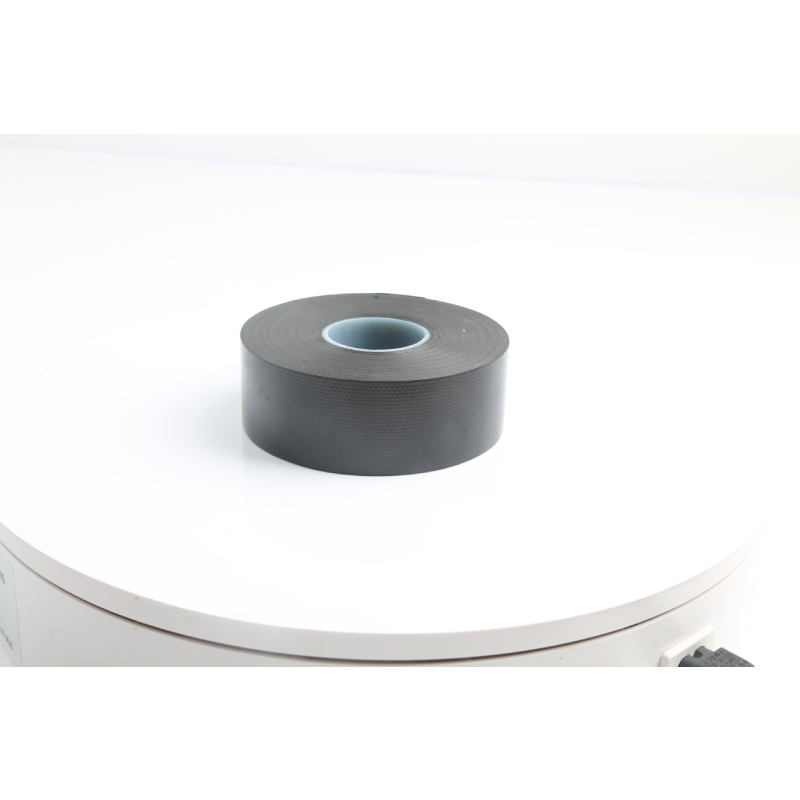
The foundation of any flame resistant tape is its backing material. Common substrates include fiberglass, polyester film, polyimide, or specialized rubber compounds. This stage involves selecting materials based on desired tensile strength, temperature resistance, and dielectric properties. Surface treatments such as corona discharge or primer application may be used to enhance adhesion of subsequent layers.
-
Adhesive Formulation and Compounding:
The adhesive system is crucial for a flame retardant adhesive tape. This involves compounding a base adhesive (e.g., acrylic, silicone, rubber) with specific flame retardant additives. These additives can be halogenated (e.g., brominated compounds) or non-halogenated (e.g., phosphates, metal hydroxides, intumescent agents). The formulation is precisely mixed to achieve desired tack, shear strength, and flame retardancy characteristics while maintaining stability and shelf-life. Rheological properties are carefully controlled.
-
Coating and Drying/Curing:
The prepared adhesive mixture is uniformly coated onto the substrate using precision coating techniques such as gravure, reverse roll, or knife-over-roll coating. The coating thickness is meticulously controlled. Following coating, the tape undergoes a drying or curing process, often in ovens, to remove solvents and cross-link the adhesive polymers. This step is critical for developing the final adhesive properties and ensuring the flame retardant additives are properly integrated.
-
Lamination (Optional):
For multi-layer tapes, such as flame retardant aluminum foil tape, additional layers may be laminated onto the coated substrate. This could involve bonding foil, reinforcing mesh, or release liners, using pressure or heat to ensure a strong, uniform bond.
-
Slitting and Packaging:
Once the continuous roll of master tape is produced, it is precisely slit into desired widths and wound onto cores. Automated slitting machinery ensures clean edges and consistent roll lengths. The finished rolls are then packaged, often in moisture-resistant or static-dissipative materials, and labeled with product specifications and batch numbers.
-
Quality Control and Testing:
Throughout the entire process, rigorous quality control measures are implemented. Post-production testing includes adhesion strength (peel, shear), tensile strength, thickness, dielectric strength, and critically, flame retardancy testing. These tests adhere to international standards such as UL 510, ASTM D1000, IEC 60454, and ISO 10350-1, ensuring the product meets specified performance criteria for applications in target industries like petrochemicals, metallurgy, and water supply & drainage. The service life of these tapes is typically designed for 10-20 years, depending on environmental conditions.
Technical Specifications and Performance Parameters
The performance of flame retardant tapes is defined by a suite of technical specifications crucial for their application in safety-critical environments. Understanding these parameters is essential for engineers and procurement specialists.
Key Technical Parameters:
- Flame Retardancy Standard: Typically UL 510, UL 94 V-0, IEC 60454. Specifies self-extinguishing time, drip characteristics, and flame spread.
- Temperature Resistance: Defines the operational temperature range and the tape's ability to maintain integrity under extreme heat.
- Dielectric Strength: Essential for electrical applications, indicating the maximum voltage insulation the tape can withstand before breakdown.
- Tensile Strength: Measures the tape's resistance to breaking under tension, critical for mechanical durability.
- Adhesion Strength: Peel adhesion (adhesion to steel) and shear adhesion (resistance to slippage under static load) are vital for secure bonding.
- Elongation at Break: Indicates flexibility and conformability to irregular surfaces.
- Halogen Content: Specifies if the tape is halogen-free, critical for low-smoke, low-toxicity requirements.
Typical Product Specifications: Flame Retardant Rubber Tape
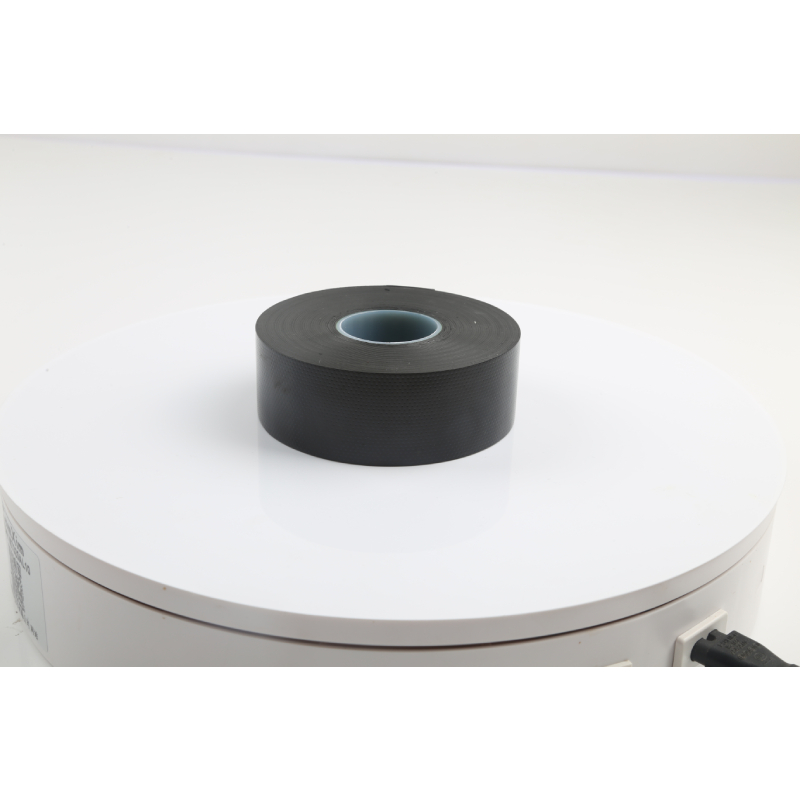
| Parameter | Unit | Value/Standard |
|---|---|---|
| Material Base | - | Self-fusing Ethylene Propylene Rubber (EPR) |
| Thickness | mm | 0.76 - 3.17 |
| Tensile Strength | MPa | ≥ 1.5 |
| Elongation at Break | % | ≥ 300 |
| Dielectric Strength | kV/mm | ≥ 20 |
| Operating Temperature Range | °C | -40 to +90 |
| Short-Term Overload Temperature | °C | Up to 130 |
| Flame Retardancy Standard | - | UL 510, IEC 60454-3-1 Type 3 |
| Water Absorption | % | ≤ 0.5 (ASTM D570) |
| Ozone Resistance | - | Excellent |
Diverse Application Scenarios of Flame Retardant Tapes
The versatility of flame retardant tapes makes them indispensable across a broad spectrum of industries where fire safety, insulation, and durability are paramount. Their unique properties enable critical protective functions in demanding environments.
Target Industries and Typical Applications:
-
Electrical and Electronics:
Used extensively for insulating electrical splices and terminations, cable bundling, wire harness wrapping, and providing flame barrier protection in control panels and electronic enclosures. Essential for preventing short circuits and fire propagation in sensitive equipment. Often, flame retardant adhesive tape is critical for secure, long-lasting bonds.
-
Automotive and Aerospace:
In vehicles and aircraft, these tapes protect wiring, fluid lines, and critical components from heat, abrasion, and flame. Applications include engine compartment wiring, battery pack insulation in EVs, and fire barriers in aircraft cabins, meeting stringent FAA and ECE regulations.
-
Petrochemical and Oil & Gas:
Applied for fireproofing cables and pipes, especially in areas with flammable materials. They provide critical protection against chemical corrosion and high temperatures, ensuring operational continuity and enhancing worker safety in hazardous environments.
-
Construction and Infrastructure:
Used for sealing joints in fire-rated assemblies, wrapping ventilation ducts, and insulating pipework. Fire retardant tape ensures that building integrity is maintained during a fire, facilitating safe evacuation and minimizing structural damage.
-
Renewable Energy (Solar, Wind):
Protects wiring and connections in solar panels and wind turbines from environmental stressors and potential fire hazards, extending equipment lifespan and ensuring energy production reliability.
-
Metallurgy and Heavy Industry:
Provides thermal insulation and fire protection for sensitive instrumentation and control cables exposed to extreme heat and molten splash, contributing to energy saving by reducing heat loss in processes.
Technical Advantages and Performance Benefits
The strategic deployment of flame retardant tapes offers a myriad of technical advantages that translate directly into enhanced safety, operational efficiency, and long-term cost savings for industrial applications.
Core Advantages:
-
Superior Fire Protection:
These tapes are engineered to self-extinguish, prevent flame spread, and resist ignition, providing crucial time for intervention and mitigating fire damage. This is a primary function of any fire retardant tape.
-
Excellent Electrical Insulation:
Many flame retardant tapes, particularly rubber-based variants, offer high dielectric strength, making them ideal for insulating electrical components and preventing arc flash hazards.
-
High Temperature Resistance:
Capable of maintaining performance in high-heat environments, some formulations can withstand continuous operating temperatures up to 90°C and short-term overloads well beyond, crucial for engine compartments and industrial furnaces.
-
Chemical and Corrosion Resistance:
Many formulations are resistant to oils, solvents, acids, and alkalis, protecting underlying components from degradation and ensuring long-term integrity, which is vital in petrochemical and chemical processing industries.
-
Environmental Durability:
Offers resistance to UV radiation, ozone, and moisture, making them suitable for both indoor and harsh outdoor applications, thereby extending the service life of protected assets.
-
Energy Saving Potential:
When used for thermal insulation of pipes and ducts, particularly variants like flame retardant aluminum foil tape, they reduce heat loss or gain, contributing to energy efficiency in HVAC systems and industrial processes.
-
Low Smoke and Toxicity:
Modern halogen-free formulations significantly reduce smoke generation and toxic gas emissions during a fire, greatly improving safety in enclosed spaces and during emergency evacuations.
Vendor Comparison: Key Differentiators in Flame Retardant Tapes
Selecting the right supplier for flame retardant tapes requires careful evaluation beyond just price. Key differentiators include product performance, certifications, customization capabilities, and after-sales support. Below is a comparative overview highlighting typical considerations.
| Feature | Premium Vendor (e.g., Qiangda Tape) | Standard Vendor |
|---|---|---|
| Certifications | UL 510, IEC 60454-3-1, RoHS, ISO 9001:2015, ISO 14001. Compliant with stringent aerospace/automotive standards. | Basic UL 94 V-0 or equivalent. Limited broader industry certifications. |
| Material Composition | Advanced EPR, Silicone, Polyimide, Fiberglass. Often halogen-free, low smoke. | PVC, basic rubber, or polyester. May contain halogens. |
| Temperature Range | -40°C to +180°C (product dependent), excellent thermal stability. | -10°C to +80°C, limited short-term overload. |
| Adhesion Performance | High peel and shear strength, long-term adhesion in harsh conditions. | Moderate adhesion, potentially affected by environmental factors over time. |
| Customization Options | Extensive (width, length, thickness, color, adhesive type, material composite, die-cutting). | Limited to standard sizes and colors. |
| Technical Support | Dedicated technical engineering support, application guidance, R&D collaboration. | Standard customer service, basic product information. |
| Traceability | Full batch traceability, comprehensive test reports for each order. | Basic batch identification. |
Customized Solutions for Specialized Applications
While standard flame retardant tapes address many common industrial needs, highly specialized applications often necessitate customized solutions. Leading manufacturers understand that specific operational parameters—such as extreme temperatures, unique chemical exposures, precise dielectric requirements, or irregular substrate geometries—demand tailor-made products.
Customization extends to modifying core materials (e.g., specific rubber compounds for enhanced chemical resistance), adjusting adhesive formulations for particular surface adhesion challenges, or integrating multi-layer constructions (e.g., combining a flame retardant aluminum foil tape with a rubber layer for heat reflection and insulation). Furthermore, bespoke dimensions, die-cut shapes, and unique color coding can be developed to streamline assembly processes and meet aesthetic or organizational requirements. This iterative design and testing process, often in close collaboration with clients, ensures the final product delivers optimal performance and compliance for the most challenging scenarios.
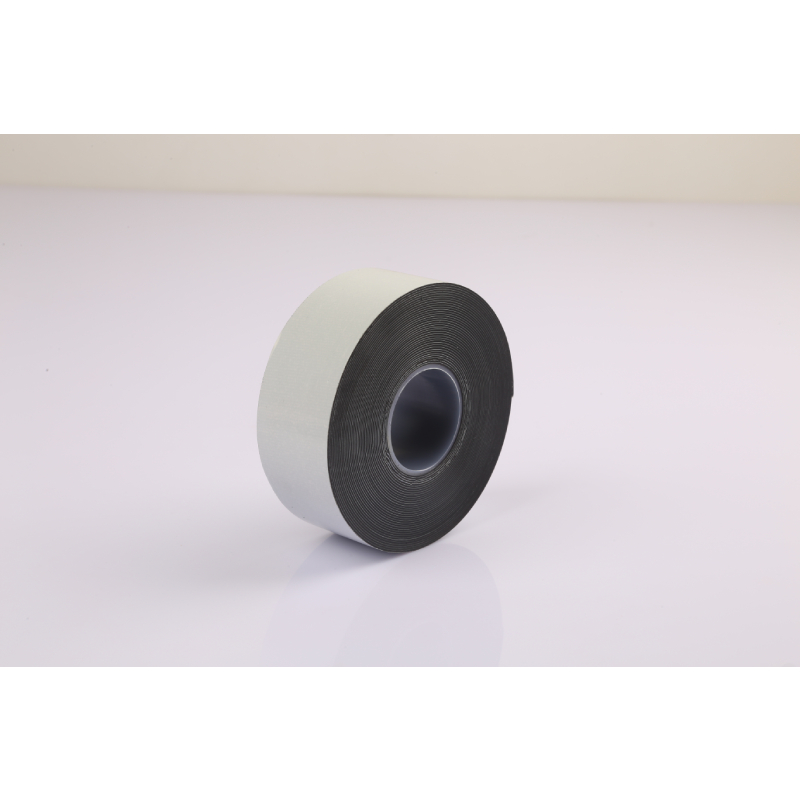
Application Case Studies: Real-World Impact
Case Study 1: High-Voltage Cable Splicing in a Petrochemical Plant
A major petrochemical facility required a robust insulation and fire protection solution for critical high-voltage (15kV) cable splices located in an explosion-risk zone. Traditional tapes failed to provide adequate flame resistance and chemical stability over time. By implementing a self-fusing, halogen-free flame resistant tape (Flame Retardant Rubber Tape), the client achieved:
- Enhanced Safety: UL 510 certification ensured self-extinguishing properties, drastically reducing fire propagation risk.
- Corrosion Resistance: Excellent resistance to hydrocarbons and corrosive gases, extending splice integrity from 3 years to over 10 years.
- Operational Reliability: Stable dielectric performance up to 25kV, preventing electrical breakdown in demanding conditions.
"The integration of Qiangda's flame retardant rubber tape has significantly upgraded our plant's safety protocols and reduced maintenance downtime on critical electrical infrastructure." - Chief Engineer, Petrochemical Group.
Case Study 2: Thermal Management in an Electric Vehicle Battery Pack
An EV manufacturer faced challenges in managing heat and providing additional fire containment within high-density battery packs. Standard tapes couldn't withstand the thermal cycling and provided insufficient fire barrier properties. A custom-engineered flame retardant aluminum foil tape solution was developed, featuring a highly reflective foil layer laminated with a flame retardant adhesive backing.
- Improved Thermal Management: The aluminum foil reflected radiant heat, contributing to a 5°C reduction in localized battery cell temperatures.
- Enhanced Fire Barrier: Provided a critical temporary fire barrier between battery modules, allowing more time for safety systems to activate in case of thermal runaway.
- Lightweight Solution: The thin, conformable design minimized added weight while maximizing protection, aligning with EV design principles.
"The specialized flame retardant aluminum foil tape allowed us to meet stringent safety regulations for battery integrity without compromising performance or weight." - R&D Lead, Automotive OEM.
Frequently Asked Questions (FAQ)
Flame retardant tapes are designed to inhibit the start of a fire, slow its spread, or cause self-extinguishing upon removal of the ignition source. "Fire resistant" generally implies the ability to maintain structural integrity or function for a specified period during a fire, often at higher temperatures. Our products typically fall under "flame retardant," engineered to actively suppress combustion.
Many of our advanced flame retardant tapes are indeed halogen-free, particularly those designed for use in confined spaces or where low smoke and low toxicity are critical requirements (e.g., aerospace, public transport). Specific product data sheets will confirm halogen content.
Our tapes are rigorously tested to meet or exceed international standards such as UL 510 (for electrical tapes), UL 94 V-0 (for plastic materials), IEC 60454, and ASTM D1000. We also adhere to ISO 9001:2015 quality management systems.
Standard orders for in-stock flame retardant tapes typically have a lead time of 3-5 business days. For customized solutions or large-volume orders, lead times can range from 2-4 weeks, depending on material availability and production complexity. We provide precise estimates upon inquiry.
We offer a comprehensive 12-month warranty against manufacturing defects from the date of purchase. Our dedicated after-sales support team provides technical assistance, application guidance, and troubleshooting to ensure optimal product performance and customer satisfaction. We are committed to long-term partnerships.
Conclusion: Securing the Future with Advanced Flame Retardant Tapes
The escalating complexity of industrial infrastructure and the unwavering commitment to safety make flame retardant tapes an indispensable component in modern engineering. From their sophisticated manufacturing processes to their validated performance across critical applications, these tapes represent a cornerstone of fire protection and operational resilience. By integrating advanced materials, adhering to rigorous testing standards, and embracing continuous innovation, manufacturers like Qiangda Tape are providing solutions that not only meet but exceed the evolving demands of global industries.
For B2B decision-makers and engineers, understanding the nuanced capabilities of these specialized adhesive systems is key to making informed choices that safeguard assets, ensure regulatory compliance, and ultimately contribute to safer, more efficient operational environments. Investing in high-quality flame retardant tapes is an investment in unparalleled safety and long-term reliability.
References
- Underwriters Laboratories Inc. (UL) - Standard for Polymeric Materials - Flame Retardant. (UL 94).
- International Electrotechnical Commission (IEC) - Specification for pressure-sensitive adhesive tapes for electrical purposes. (IEC 60454 series).
- American Society for Testing and Materials (ASTM) - Standard Test Methods for Pressure-Sensitive Adhesive-Coated Tapes Used for Electrical and Electronic Applications. (ASTM D1000).
- International Organization for Standardization (ISO) - Adhesives - Determination of shear strength of structural adhesives. (ISO 10350-1).
- National Fire Protection Association (NFPA) - Fire Protection Handbook.
-
Industrial Fire Proof Tape Guide for High Temperature ProtectionNewsApr.16,2026
-
Ultimate Guide to Fireproof Tape Protection and ApplicationsNewsApr.09,2026
-
Exploring Black Tack Butyl Applications and Benefits for Optimal SealingNewsApr.07,2026
-
Comprehensive Guide to Black Butyl Rubber Tape Applications and BenefitsNewsApr.04,2026
-
Comprehensive Guide to High Power Butyl Waterproof Tape ApplicationsNewsMar.31,2026
-
Comprehensive Guide to 360tronics Butyl Waterproof Tape for Airtight and Watertight SealsNewsMar.28,2026