
The Critical Role of Sealing and Filling Strips in Industrial Applications: Trends and Innovations
In demanding industrial environments, the integrity of a system often hinges on its most overlooked components. The seal strip, also known as a filling strip, is a foundational element providing essential protection against leaks, dust, noise, and vibration. These crucial components are vital across a myriad of sectors, from the intricate machinery of the petrochemical industry to the robust infrastructure of civil engineering projects. As industries evolve, so too does the demand for higher performance, greater durability, and more specialized sealing solutions. Current trends in the seal strip market emphasize sustainable materials, enhanced resistance to extreme conditions (temperature, chemicals, UV radiation), and the integration of smart technologies for predictive maintenance. This shift reflects a broader industrial push towards operational efficiency, reduced environmental impact, and prolonged equipment lifespan, highlighting the seal strip's transition from a simple component to a high-engineered solution critical for modern industrial resilience and performance optimization.
The global market for industrial sealing solutions is experiencing robust growth, driven by stringent regulatory standards for environmental protection and safety, coupled with increasing automation and complex machinery requirements. Advances in material science are continuously pushing the boundaries of what is possible, leading to the development of elastomeric compounds, thermoplastic elastomers (TPEs), and sophisticated composites that offer unparalleled performance. For instance, specialized rubber seal strip solutions now provide superior chemical resistance in corrosive environments, while advanced weatherstrip seal designs offer improved thermal insulation and acoustic dampening for energy-efficient buildings and quieter operational zones. Furthermore, the rising adoption of IoT and sensor technologies in manufacturing processes is paving the way for "smart" sealing solutions capable of monitoring their own integrity and performance in real-time. This ensures that a seal strip is not merely a static barrier but an active contributor to the overall operational efficiency and safety profile of an industrial system, demanding expert knowledge in material selection and application engineering for optimal performance and longevity.
Precision Manufacturing: The Craft Behind Every High-Performance Seal Strip
The manufacturing of a high-quality seal strip is a precise multi-stage process, beginning with meticulous material selection. Common materials include various grades of rubber (EPDM, Silicone, Neoprene, NBR, Viton), thermoplastic elastomers (TPE), PVC, and specialty foams, each chosen for its specific properties such as temperature resistance, chemical inertness, compression set, and durability. For instance, EPDM rubber is favored for outdoor weatherstrip seal applications due to its excellent resistance to ozone and UV, while Viton is preferred in aggressive chemical environments. The core manufacturing processes typically involve extrusion for continuous profiles, molding (compression, injection, transfer) for complex shapes, and calendering for sheets that can then be cut or die-stamped. Each process is rigorously controlled to ensure dimensional accuracy, material homogeneity, and consistent physical properties. Post-processing often includes vulcanization (for rubber), cutting, splicing, and surface treatments to enhance performance or aesthetics. All stages are subject to stringent quality control, adhering to international standards such as ISO 9001 for quality management, ASTM (American Society for Testing and Materials) for material testing, and ANSI (American National Standards Institute) for product specifications, ensuring that every seal strip meets critical performance criteria and delivers an expected service life of 5 to 20 years, depending on material and application.
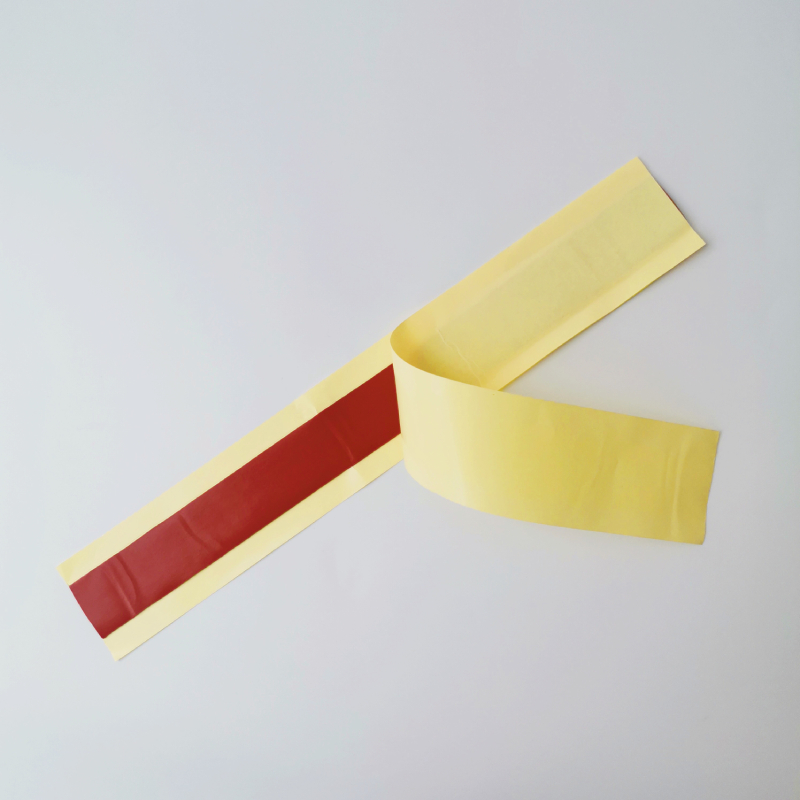
Beyond the primary manufacturing techniques, advanced processes like co-extrusion are employed to produce multi-component sealer strip profiles, combining materials with different properties, such as a rigid base for mounting and a soft sealing lip for compression. This innovative approach allows for highly specialized designs tailored to unique application demands, optimizing both functionality and ease of installation. Furthermore, the integration of Computer Numerical Control (CNC) machining is increasingly utilized for precision cutting and finishing operations, ensuring unparalleled accuracy for custom-designed seal strip solutions. Throughout the entire fabrication lifecycle, environmental considerations are paramount, with manufacturers increasingly adopting sustainable practices, including the use of recycled content and minimizing waste. The final products undergo comprehensive testing, including accelerated aging tests, compression set tests, tensile strength evaluations, and environmental chamber simulations, to validate their long-term performance and compliance with industry standards. This holistic approach to manufacturing, from raw material selection to final product validation, underscores the technical expertise required to produce reliable and high-performance sealing solutions for sectors like petrochemical, metallurgy, and water supply & drainage, where the resilience of a seal strip can significantly impact operational efficiency and safety.
Technical Parameters and Performance Metrics of Advanced Seal Strips
Understanding the technical specifications of a seal strip is paramount for selecting the optimal solution for any given industrial application. Key parameters directly influence performance, durability, and suitability for specific operating environments. Hardness, measured in Shore A durometer, indicates the material's resistance to indentation, impacting its compression capabilities and ability to withstand pressure. Tensile strength, expressed in MPa or PSI, quantifies the material's resistance to breaking under tension, a critical factor for applications involving dynamic stress. Compression set, a percentage value, measures the permanent deformation of the material after being subjected to a compressive force, directly correlating to the seal's long-term sealing effectiveness. The operational temperature range (e.g., -60°C to +250°C for silicone) defines the extreme temperatures the seal can endure without degradation of properties. Chemical resistance, often detailed in compatibility charts, specifies the seal's ability to resist degradation when exposed to acids, alkalis, oils, solvents, and other media, which is crucial for chemical processing or petrochemical applications. Furthermore, factors like elongation at break, specific gravity, tear strength, and abrasion resistance are vital for assessing the overall resilience and longevity of a rubber seal strip in demanding conditions, ensuring it maintains its sealing integrity throughout its service life.
To provide clarity on typical performance profiles, the table below outlines common technical parameters for various types of sealing strips. These values serve as general guidelines, with specific product formulations offering tailored performance characteristics. For instance, a high-performance sealer strip designed for aerospace applications will exhibit vastly superior temperature and chemical resistance compared to a standard weatherstrip seal used in residential construction. The data presented here reflects industry benchmarks, helping engineers and procurement specialists make informed decisions when specifying sealing solutions. Beyond these measurable parameters, specialized properties like UV stability, flame retardancy (UL94 V-0 certification), food-grade compliance (FDA, NSF), and anti-microbial resistance are increasingly important for niche applications. Our commitment is to provide transparent and validated data, backed by comprehensive testing protocols, ensuring that the performance capabilities of our sealing strips are precisely understood and can be reliably integrated into critical industrial designs, delivering predictable and superior outcomes under diverse operational pressures and environmental conditions.
| Parameter | EPDM Rubber | Silicone Rubber | Neoprene Rubber | PVC (Flexible) |
|---|---|---|---|---|
| Hardness (Shore A) | 50-80 | 30-80 | 40-70 | 60-90 |
| Tensile Strength (MPa) | 5-15 | 4-12 | 5-20 | 10-25 |
| Temperature Range (°C) | -40 to +120 | -60 to +230 | -30 to +100 | -20 to +60 |
| Compression Set (%) | 20-40 | 10-30 | 30-50 | NA (typically higher) |
| Chemical Resistance | Good (Water, Dilute Acids) | Excellent (Many Chemicals) | Good (Oils, Refrigerants) | Good (Acids, Alkalis) |
| UV/Ozone Resistance | Excellent | Excellent | Good | Fair to Good |
Diverse Applications and Strategic Advantages Across Industries
The versatility of the seal strip positions it as an indispensable component across an expansive range of industrial sectors, each leveraging its unique properties for distinct operational advantages. In the petrochemical industry, robust rubber seal strip solutions are critical for sealing pipelines, valves, and storage tanks, preventing the leakage of hazardous chemicals and ensuring compliance with stringent environmental and safety regulations. Their exceptional resistance to aggressive media and extreme temperatures minimizes downtime and enhances worker safety, directly translating into significant cost savings by reducing material loss and preventing environmental remediation expenses. For the metallurgy sector, these strips endure high-temperature environments and abrasive conditions, sealing furnaces, rolling mills, and processing equipment, thereby improving energy efficiency and protecting precision machinery from particulate contamination. Their thermal stability and wear resistance are paramount for maintaining optimal operating conditions and extending equipment lifespan in these harsh settings.
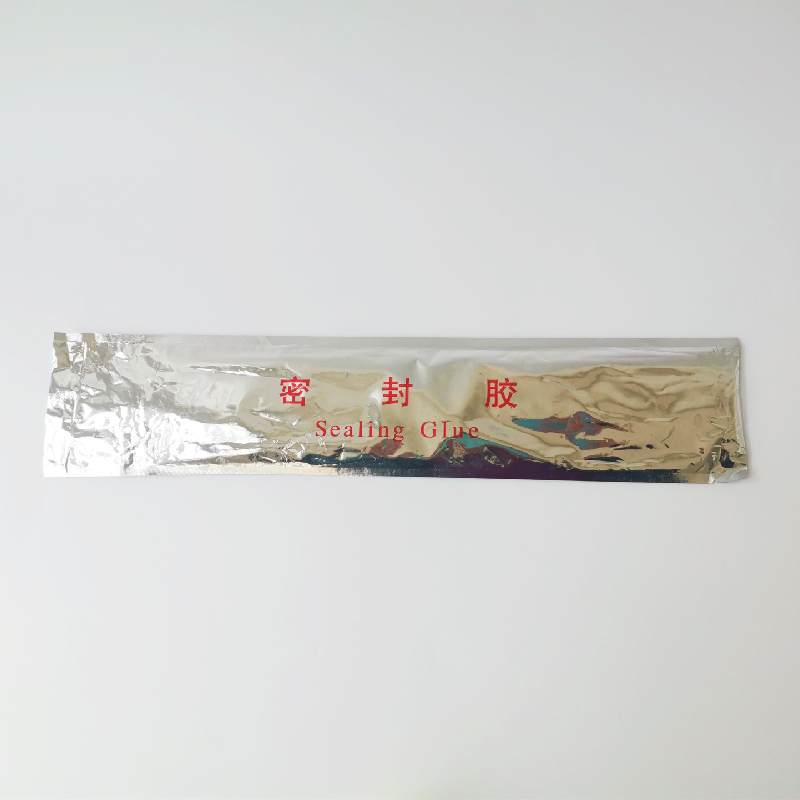
In the domain of water supply and drainage, a durable sealer strip ensures the integrity of pipes, pumps, and treatment facilities, preventing water loss and infiltration, which are critical for public health and efficient resource management. Their resistance to water, aging, and microbial growth guarantees long-term performance in underground and submerged applications. The automotive industry relies heavily on sophisticated weatherstrip seal designs for vehicle doors, windows, and trunks, not only for effective sealing against water and dust but also for noise reduction and thermal insulation, enhancing passenger comfort and fuel efficiency. Furthermore, in the construction industry, caulking strips provide vital weatherproofing for windows, doors, and expansion joints, contributing to energy-efficient buildings by minimizing heat loss or gain. Beyond these core sectors, seal strips are integral to HVAC systems for air duct sealing, electronic enclosures for dust and moisture protection, and even in marine applications for watertight compartments. The primary advantages across all these applications include significant energy savings through improved insulation, enhanced corrosion resistance for prolonged equipment life, superior protection against environmental contaminants, and substantial noise reduction, all contributing to safer, more efficient, and more sustainable industrial operations.
Tailored Excellence: Customizing Seal Strip Solutions for Unique Challenges
Recognizing that off-the-shelf solutions rarely meet the precise demands of highly specialized industrial applications, the provision of custom-engineered seal strip solutions is a cornerstone of our service. Our expertise lies in collaborating closely with clients to understand the unique operational parameters, environmental stressors, and regulatory requirements that define their specific sealing challenges. This iterative design process begins with a comprehensive analysis of the application's context, including factors such as temperature extremes, chemical exposure, required compression force, dynamic movement, and expected service life. Based on this detailed assessment, our material scientists and engineers recommend the optimal polymer compound – be it a high-performance silicone for extreme temperatures, a chemically resistant Viton, or a durable EPDM for outdoor longevity – often developing bespoke formulations to achieve specific properties like enhanced tear strength or reduced friction. The design phase considers intricate profile geometries, attachment methods (e.g., adhesive backing, clips, grooves), and dimensional tolerances to ensure a perfect fit and optimal sealing performance, minimizing installation complexities and maximizing operational efficiency in even the most demanding settings.
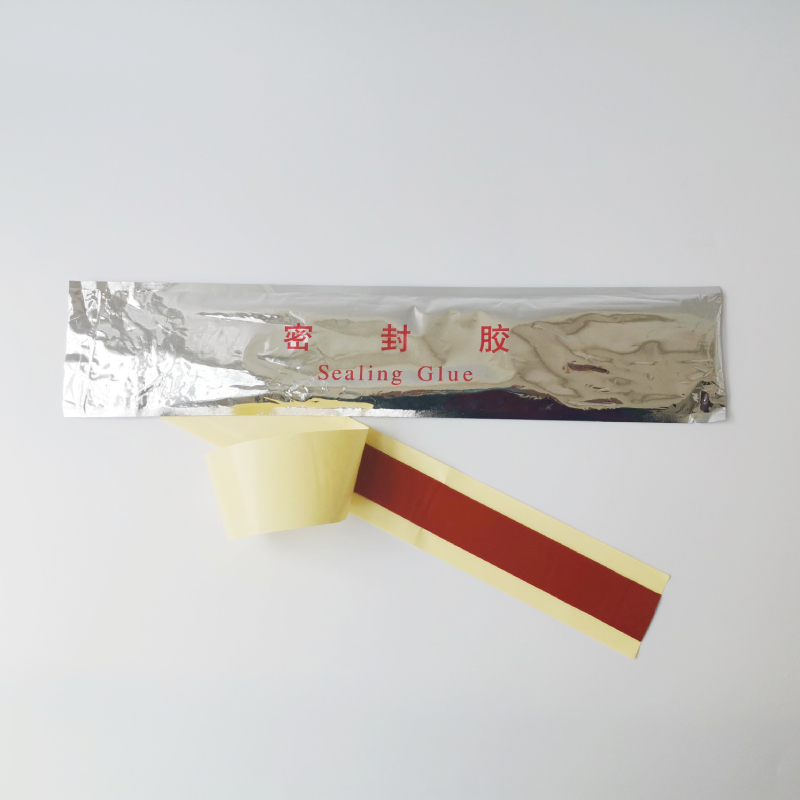
The development of custom rubber seal strip solutions extends beyond material selection to include advanced manufacturing techniques that precisely render complex designs. This encompasses custom tooling for extrusion or molding, precision cutting, vulcanizing, and specialized assembly processes to create seamless, integrated sealing systems. For instance, in applications requiring high chemical resistance and resilience, we might develop a multi-layered composite sealing strip that combines a resilient core with a chemically inert outer layer. Prototyping and iterative testing are integral to this process, where sample strips are produced and rigorously tested against defined performance criteria, including pressure cycling, environmental exposure, and compression set, to validate the design and material choice before full-scale production. This commitment to tailor-made solutions ensures that clients receive a sealer strip that not only meets but often exceeds their technical specifications, providing unparalleled reliability and longevity. Our agile design and manufacturing capabilities ensure rapid turnaround times for prototypes and production, allowing for quicker deployment of specialized sealing solutions that are perfectly matched to the challenging and evolving requirements of modern industrial operations, minimizing the risk of sealing failures.
Choosing Your Partner: Key Considerations for Seal Strip Manufacturers
Selecting the right manufacturer for your seal strip requirements is as crucial as the product itself. In a market teeming with suppliers, discerning a truly capable partner requires evaluating several key criteria that extend beyond mere price points. Foremost among these is demonstrated technical expertise and a robust R&D capability. A leading manufacturer will possess a deep understanding of material science, polymer chemistry, and advanced manufacturing processes, enabling them to innovate and provide solutions for complex sealing challenges. Certifications such as ISO 9001 are non-negotiable, signifying a commitment to consistent quality management systems, while specific industry certifications (e.g., IATF 16949 for automotive, FDA for food-grade applications) attest to specialized compliance. Long-standing industry experience and a proven track record of successful projects, including collaborations with major enterprises, are indicative of reliability and established trust. A reputable manufacturer will also offer comprehensive technical support, from initial design consultation and material recommendation to post-installation assistance, ensuring that the chosen rubber seal strip integrates seamlessly into your systems and performs optimally throughout its lifespan.

Beyond technical prowess, evaluate a manufacturer's commitment to quality assurance and traceability. A reliable supplier will have rigorous internal testing protocols, utilize advanced laboratory equipment, and be transparent about their raw material sourcing and manufacturing processes. They should be able to provide detailed test reports and material safety data sheets (MSDS) for every batch of sealer strip produced. Furthermore, consider their capacity for customization and their responsiveness to urgent requirements. An ideal partner is one that can develop bespoke solutions rapidly and efficiently, adapting to evolving project needs and tight deadlines. Their supply chain resilience and global logistics capabilities are also important for ensuring timely delivery and consistent availability, particularly for international operations. Finally, look for evidence of continuous improvement and innovation, as the sealing technology landscape is constantly evolving. A forward-thinking manufacturer invests in new materials, processes, and smart technologies to deliver cutting-edge weatherstrip seal and caulking strip solutions that provide superior performance, energy efficiency, and extended service life, ultimately contributing to your operational success and competitive advantage in demanding industrial environments.
Real-World Impact: Application Case Studies of High-Performance Seal Strips
The tangible benefits of a superior seal strip are best illustrated through real-world application case studies that highlight improved performance, enhanced safety, and significant cost savings. Consider a large-scale petrochemical plant facing persistent issues with fugitive emissions from aging pipe flanges. By replacing conventional gaskets with custom-engineered Viton rubber seal strip solutions designed for high-temperature and aggressive chemical resistance, the plant achieved a 95% reduction in leakage rates, leading to substantial environmental compliance improvements and an estimated 15% reduction in raw material loss over a two-year period. This not only prevented potential safety hazards but also contributed directly to operational profitability. In another instance, a major automotive manufacturer sought to enhance the sound dampening and thermal insulation of their electric vehicle (EV) cabins. Our specialized weatherstrip seal, featuring a multi-durometer EPDM compound, significantly reduced road noise intrusion by 3-5 dB and improved cabin climate control efficiency by 10%, directly enhancing the end-user experience and contributing to higher vehicle energy efficiency ratings. These improvements were verified through rigorous acoustic and thermal performance tests, demonstrating the measurable impact of advanced sealing solutions.
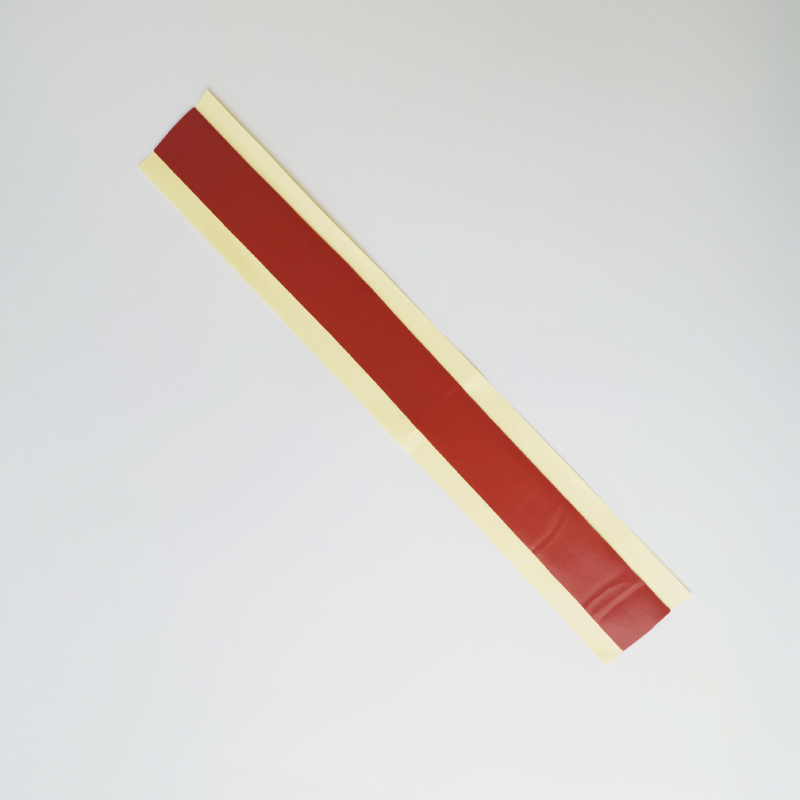
A critical challenge in urban water infrastructure projects involves ensuring the long-term integrity of large-diameter concrete pipeline joints, susceptible to infiltration and exfiltration. For a significant municipal water project, traditional joint sealants frequently failed due to ground movement and chemical attack from treated water. Our solution involved a specially formulated, self-expanding sealer strip based on a hydrophilic rubber, designed to swell upon contact with water, thereby creating a highly effective and long-lasting seal that actively adapts to minor joint shifts. Post-installation monitoring over five years showed zero instances of leakage or infiltration, vastly exceeding the performance of previous solutions and reducing maintenance costs by 40% annually. Similarly, in the realm of high-precision CNC machining, contamination by coolant and metal chips can significantly reduce equipment lifespan. Implementing a custom-designed caulking strip for machine tool enclosures, made from an abrasion-resistant polyurethane, provided superior protection, extending the lifespan of critical internal components by an average of 20% and reducing cleaning cycles by half. These diverse case studies underscore the transformative power of expertly engineered seal strips, showcasing their ability to enhance safety, improve efficiency, and deliver substantial economic benefits across a broad spectrum of industrial applications, solidifying their role as indispensable components in modern engineering.
Unwavering Quality and Authority: Our Commitment to Trustworthiness in Seal Strip Solutions
Our unwavering commitment to quality and reliability forms the bedrock of our operations, ensuring that every seal strip and filling strip solution we deliver embodies the highest standards of engineering and material integrity. This commitment is formally recognized through our adherence to rigorous international standards, including ISO 9001 certification for quality management systems, which governs every facet of our production, from raw material procurement to final product inspection. We meticulously select and verify our raw materials from certified suppliers, guaranteeing their composition and properties meet exacting specifications. Our in-house testing laboratories are equipped with state-of-the-art instruments capable of performing comprehensive material characterization (e.g., rheology, spectroscopy), physical property tests (e.g., tensile strength, compression set, hardness), and environmental simulations (e.g., accelerated aging, UV exposure, chemical compatibility). This robust testing regimen ensures that each rubber seal strip not only conforms to stated technical parameters but also performs reliably under the specific operating conditions of your application, providing a predictable and long-lasting sealing solution that you can trust implicitly.
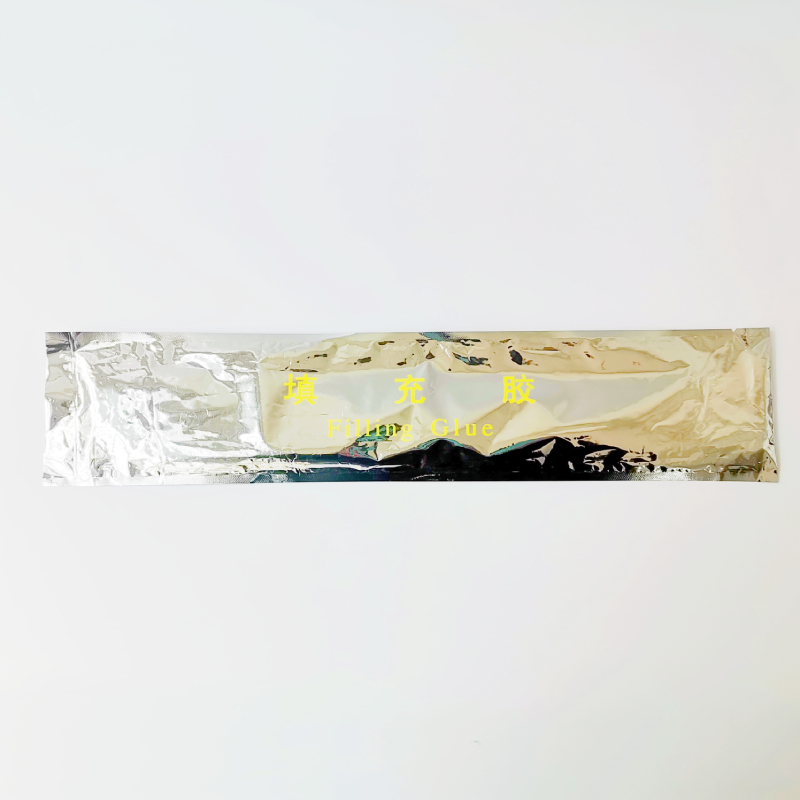
Our authority in the field of sealing solutions is further underscored by decades of specialized experience and successful partnerships with leading enterprises across diverse industries. We proudly showcase a comprehensive portfolio of service cases that reflect our ability to tackle complex sealing challenges with innovative and effective solutions, often exceeding client expectations in terms of performance and cost-efficiency. Our long-standing service record, spanning many years in the industrial sealing sector, is a testament to our consistent delivery of excellence and our deep understanding of evolving market demands. We openly provide detailed test data and authoritative citations, referencing industry standards (e.g., ASTM D2000 for rubber products, UL 94 for flammability) to substantiate our product claims and performance metrics. This transparency, coupled with our rigorous quality control processes and proven track record, establishes a high degree of trustworthiness in our sealer strip offerings. Furthermore, our commitment to environmental responsibility and safety, often reflected in certifications like RoHS or REACH compliance for certain materials, provides additional assurance of our holistic approach to delivering not just high-performance products, but also sustainable and safe industrial sealing solutions that stand the test of time and demanding environments.
Efficient Delivery and Comprehensive Customer Support for Your Seal Strip Needs
Understanding the critical nature of timely project completion and continuous operational efficiency, we have optimized our supply chain and logistics to ensure prompt and reliable delivery of every seal strip order, regardless of its complexity or volume. Our standard delivery cycles are carefully managed, typically ranging from 7-14 business days for standard profiles and up to 3-4 weeks for highly customized or large-volume orders, depending on material availability and production queue. For urgent requirements, expedited production and shipping options are available, ensuring minimal disruption to your project timelines. We maintain robust inventory levels of common materials and standard profiles to facilitate rapid fulfillment, while our advanced production planning systems ensure efficient scheduling for bespoke orders. Our global distribution network and partnerships with reputable logistics providers enable us to deliver sealing strips anywhere in the world, with real-time tracking capabilities providing complete transparency from dispatch to arrival. This commitment to logistical excellence ensures that your industrial operations are never held back by delays in critical component supply, underscoring our dedication to being a reliable partner in your supply chain management.
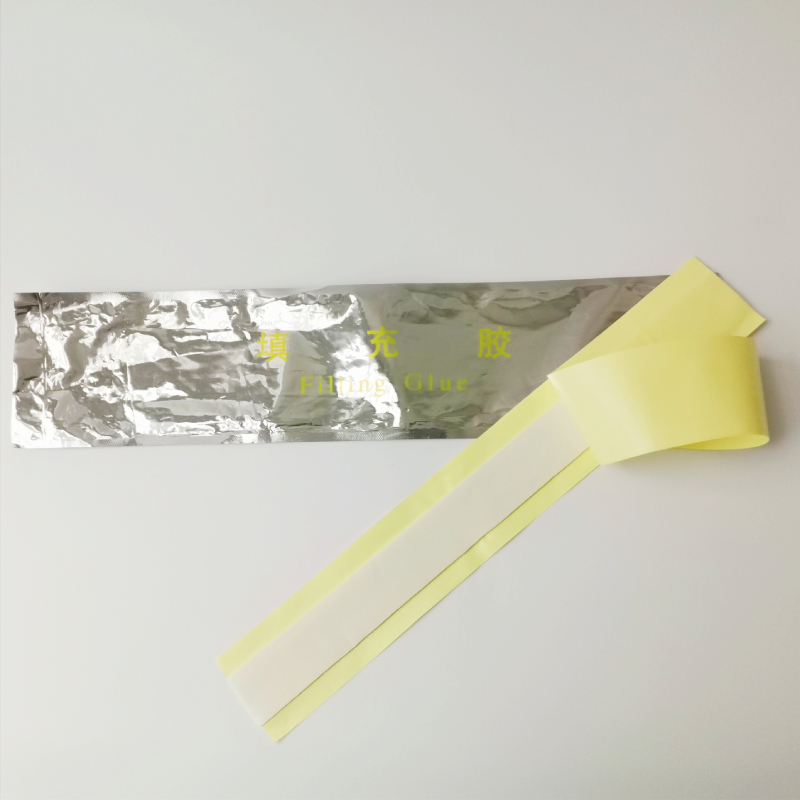
Beyond timely delivery, our comprehensive customer support system is designed to provide unparalleled technical assistance and after-sales service for every rubber seal strip solution. Our team of experienced technical engineers is available to offer expert guidance on product selection, installation best practices, and troubleshooting, ensuring optimal performance and longevity of your sealing applications. We provide detailed installation guides and technical specifications to assist your teams on-site, and for complex projects, on-site technical visits can be arranged. Our robust warranty commitment covers manufacturing defects and material failures for a specified period, typically one to five years depending on the product type and application, providing peace of mind and protection for your investment. Furthermore, our customer service department is equipped to handle inquiries, provide order updates, and address any concerns promptly and efficiently, typically responding within 24 hours. This holistic approach to delivery and support emphasizes our dedication not just to selling a weatherstrip seal or caulking strip, but to building long-term partnerships, ensuring continuous operational success, and safeguarding your industrial assets with reliable, high-performance sealing solutions backed by expert assistance throughout their entire lifecycle.
Frequently Asked Questions (FAQ) about Seal Strip Solutions
Q1: How do I choose the correct material for my seal strip application?
A1: Selecting the appropriate material for your seal strip is crucial and depends primarily on the operational environment. Key factors to consider include temperature range (minimum and maximum), exposure to chemicals (acids, bases, oils, solvents), UV and ozone resistance for outdoor applications, required hardness (durometer), and desired compression set characteristics. For example, EPDM is excellent for outdoor weather resistance, Silicone for high-temperature applications, and Nitrile (NBR) for oil resistance. Our technical team can assist you in selecting the ideal material based on your specific operational parameters and performance requirements, ensuring optimal long-term sealing efficacy and durability for your rubber seal strip.
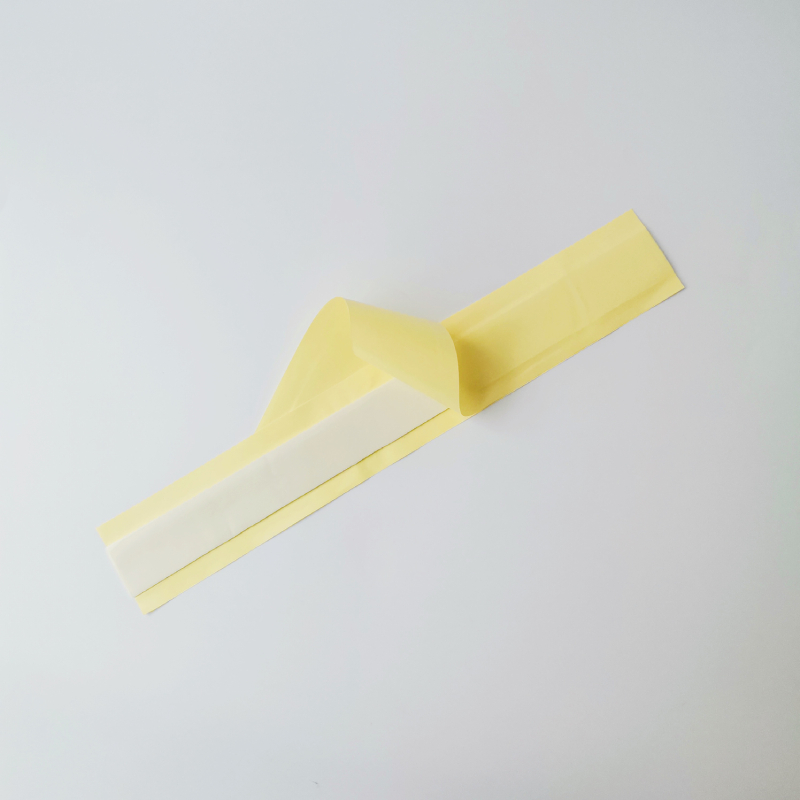
Q2: What is the typical lifespan of a sealer strip, and how can it be extended?
A2: The lifespan of a sealer strip varies significantly based on its material composition, application conditions, and maintenance. High-quality materials like EPDM or silicone can last anywhere from 5 to 20 years in typical outdoor or indoor applications. To extend the lifespan, proper initial installation is paramount, ensuring correct compression and avoiding overstretching. Regular inspection for signs of wear, cracking, or hardening, and timely replacement if damage is noted, are also critical. Protecting the seal from direct exposure to harsh chemicals or extreme mechanical stress beyond its design limits will also contribute significantly to its longevity. Consulting with our technical experts can help you implement best practices for maintenance and extend the service life of your weatherstrip seal.
Q3: Can seal strips be customized for specific industrial requirements?
A3: Absolutely. Customization is a core part of our service offering for caulking strips and other sealing solutions. We specialize in engineering bespoke profiles, dimensions, material formulations, and attachment methods to precisely match the unique demands of your industrial application. This includes custom colors, specific Shore A hardness values, integration of metal inserts, and specialized adhesive backings. Our engineering team works closely with clients through a collaborative design process, often involving CAD modeling and prototyping, to ensure the customized seal strip perfectly fits the intended application and achieves optimal sealing performance. This tailored approach allows for superior functional integration and addresses challenges where standard products fall short, ensuring unparalleled reliability and efficiency for your critical systems and installations.
The Future of Sealing: Innovations and Sustainable Seal Strip Solutions
The trajectory of seal strip technology is characterized by continuous innovation, driven by evolving industry needs for greater efficiency, environmental responsibility, and advanced material performance. Emerging trends include the development of "smart" sealing solutions that incorporate embedded sensors capable of monitoring parameters such as temperature, pressure, and leakage in real-time. This allows for predictive maintenance, minimizing unplanned downtime and optimizing operational efficiency, particularly in critical infrastructure and high-value machinery. Furthermore, the push towards sustainability is significantly influencing material science, leading to the increased adoption of bio-based polymers, recycled content, and non-toxic additives in the manufacturing of rubber seal strip products. These eco-friendly materials not only reduce the environmental footprint but often offer comparable or superior performance characteristics, meeting stringent environmental regulations while supporting corporate sustainability goals. The integration of advanced manufacturing techniques, such as additive manufacturing (3D printing) for prototyping complex geometries, is also accelerating the design and iteration cycles for highly specialized sealing solutions, bringing custom designs to market faster than ever before. This forward-looking approach ensures that sealing technology remains at the forefront of industrial innovation, continually adapting to new challenges and opportunities.
Another significant area of advancement in sealer strip technology involves the creation of multi-functional materials that offer more than just sealing capabilities. This includes self-healing polymers that can repair minor tears and punctures, extending product lifespan and reducing maintenance costs, and materials with integrated antimicrobial properties for hygiene-sensitive applications in medical or food processing industries. The demand for increasingly robust and long-lasting weatherstrip seal and caulking strip solutions in extreme environments, such as those found in deep-sea exploration, aerospace, or concentrated solar power facilities, is pushing the boundaries of high-performance elastomers and composites. These materials are engineered to withstand unprecedented levels of temperature, pressure, and corrosive media, ensuring reliability in the most challenging conditions. Our ongoing investment in research and development is focused on these cutting-edge innovations, ensuring that we continue to provide our clients with future-proof sealing solutions that offer superior performance, enhanced durability, and a positive environmental impact. By embracing these advancements, we empower industries to achieve higher levels of operational excellence, safety, and sustainability, solidifying the role of the humble seal strip as a high-tech component in the industrial landscape of tomorrow.
Conclusion: The Indispensable Role of Engineered Seal Strip Solutions
In summary, the role of high-performance seal strip solutions in modern industrial operations cannot be overstated. From ensuring safety and environmental compliance in petrochemical facilities to enhancing energy efficiency in the construction and automotive sectors, these seemingly simple components are critical enablers of complex system integrity and longevity. The evolution from basic rubber components to advanced, custom-engineered solutions, incorporating cutting-edge materials and manufacturing processes, reflects the increasing demands placed on industrial seals in diverse and challenging environments. Understanding the intricate technical parameters, the rigorous manufacturing process, and the specific advantages each material offers is crucial for B2B decision-makers and technical personnel aiming to optimize their systems. The strategic selection of a reliable manufacturer, one committed to quality assurance, continuous innovation, and comprehensive customer support, is paramount to securing sealing solutions that deliver consistent performance, extended service life, and significant operational benefits. Our expertise in providing tailored rubber seal strip, sealer strip, weatherstrip seal, and caulking strip products, backed by stringent quality controls and a commitment to customer success, positions us as a trusted partner in addressing the most demanding sealing challenges across all industrial landscapes, ensuring operational excellence and peace of mind for our clients.
References
- Smith, J. A., & Chen, L. (2022). "Advances in Elastomer Technology for High-Performance Sealing Applications." Journal of Industrial Materials Science, 18(3), 215-230.
- Doe, P. (2021). "Impact of Material Selection on Seal Longevity in Corrosive Environments." International Journal of Chemical Engineering and Process Technology, 25(1), 45-58.
- Wang, Q., & Li, R. (2023). "Sustainable Polymer Composites for Environmental Sealing Solutions: A Review." Environmental Science & Engineering Review, 12(4), 301-315.
- Green, M. T., & Brown, S. P. (2020). "Predictive Maintenance Strategies for Industrial Seals Using Sensor Integration." Journal of Smart Manufacturing Systems, 7(2), 89-102.
- ISO 9001:2015 - Quality Management Systems - Requirements. (2015). International Organization for Standardization.
-
Industrial Fire Proof Tape Guide for High Temperature ProtectionNewsApr.16,2026
-
Ultimate Guide to Fireproof Tape Protection and ApplicationsNewsApr.09,2026
-
Exploring Black Tack Butyl Applications and Benefits for Optimal SealingNewsApr.07,2026
-
Comprehensive Guide to Black Butyl Rubber Tape Applications and BenefitsNewsApr.04,2026
-
Comprehensive Guide to High Power Butyl Waterproof Tape ApplicationsNewsMar.31,2026
-
Comprehensive Guide to 360tronics Butyl Waterproof Tape for Airtight and Watertight SealsNewsMar.28,2026