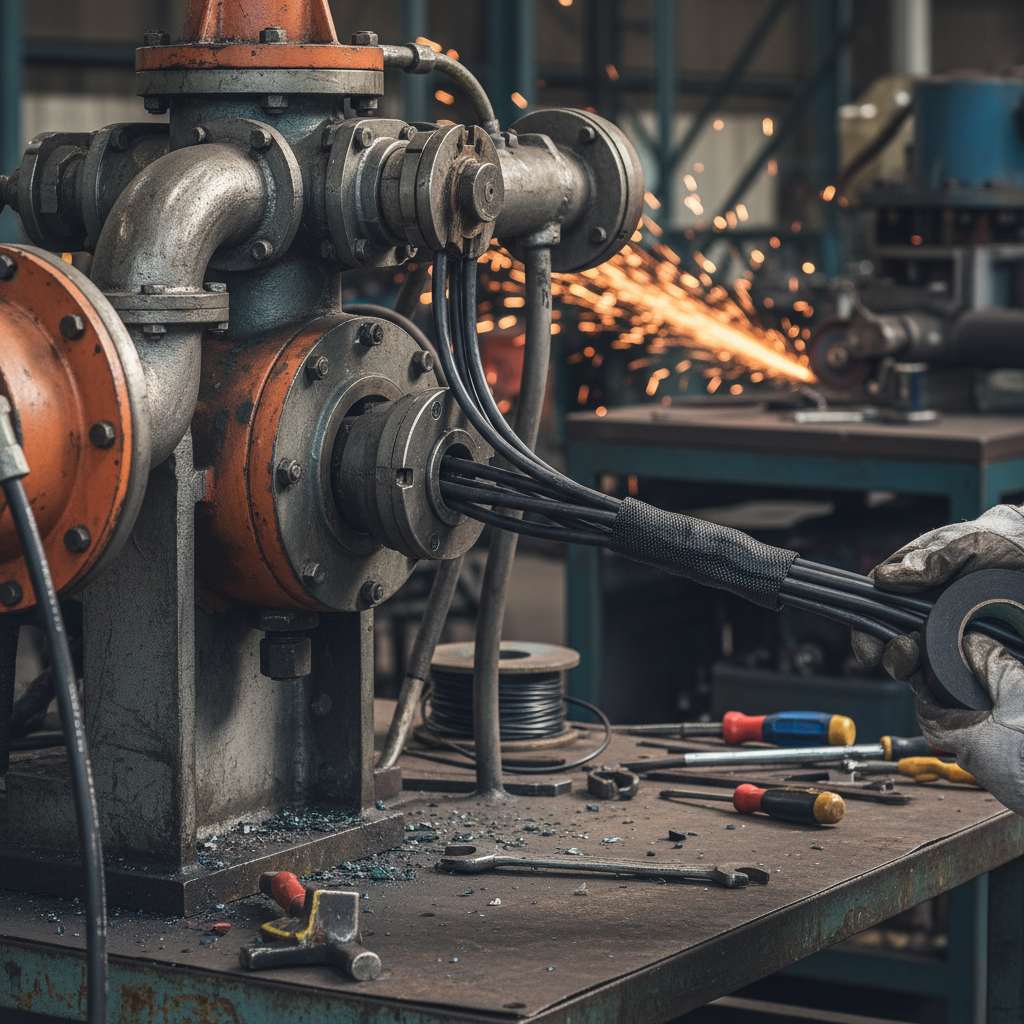
High Voltage Shielding and pvc insulation tape price Guide
When managing high-voltage electrical installations, the integrity of the shielding layer is paramount to preventing electric field stress and ensuring long-term operational safety. The selection of high-performance insulating materials often comes down to a balance between technical specifications and cost-effectiveness. For engineers and procurement officers, understanding the pvc insulation tape price and its corresponding performance metrics is essential for optimizing project budgets without compromising safety standards.
Specialized materials, such as the XF_BDD50-S68 series, are engineered specifically for cable shielding layers above 5kV. These products serve as critical components in solid dielectric insulated cables, providing a uniform electric field that reduces stress points. By implementing these advanced solutions, operators can effectively repair conductive layers and ensure a robust seal around connectors and terminals, significantly reducing the risk of electrical failure in demanding industrial environments.

Technical Foundations of High-Voltage Cable Shielding and Stress Reduction
In high-voltage applications, the primary challenge is managing the electric field stress at termination points and joints. When the electric field is non-uniform, it can lead to partial discharge, which eventually degrades the insulation and causes catastrophic failure. The use of semi-conducting adhesive materials allows for the creation of a uniform electric field, which effectively redistributes the stress across the shielding layer. This is particularly critical for cables rated above 5kV, where the dielectric pressure is significantly higher.
The mechanism involves wrapping the tape in a semi-overlapping manner. For edges of connectors and terminals, the material must be stretched fully to ensure there are no air gaps or voids. These voids can act as initiation points for electrical breakdown. By maintaining a consistent conductive layer, the tape ensures that the electrical potential is managed across the surface of the solid dielectric insulated cable, providing a seamless transition between different components of the electrical system.
From a manufacturing perspective, achieving this level of consistency requires advanced rubber mixing and pressing technology. The precision in coating and cutting ensures that every roll maintains the specific technical parameters required for high-voltage stability, such as volume resistivity and tensile strength, which are the hallmarks of industrial-grade insulation solutions.

Critical Performance Indicators for Industrial Insulating Tapes
Evaluating the quality of electrical tapes requires a deep dive into their physical and electrical properties. Tensile strength is a key indicator of durability; for instance, a value of ≥1.3 Mpa ensures that the tape can withstand the mechanical stresses of installation and environmental vibration without tearing. Similarly, elongation at break (≥500%) allows the tape to conform perfectly to irregular shapes, such as cable lugs and connector housings, ensuring a tight, void-free seal.
Electrical properties are even more critical. Volume resistivity (≤1x10³ Ω·cm) determines how the tape behaves as a semi-conductive layer. If the resistivity is too high, it won't effectively manage the electric field; if it's too low, it may not provide the necessary insulation characteristics. The balance found in professional-grade tapes ensures that the conductive layer is repaired efficiently while maintaining the overall dielectric integrity of the cable assembly.
Environmental resilience also plays a major role. Heat-resistant stress cracking tests are performed to ensure that the material does not degrade under the thermal cycling typical of power distribution networks. While these tapes offer exceptional electrical properties, users must be aware of material limitations; for example, many semi-conductive tapes are not resistant to oil and should not be used in oil-bearing joints or terminal cables where chemical exposure is expected.
Practical Application Logic and Installation Best Practices
The effectiveness of an insulating wrap depends as much on the installation technique as it does on the material quality. For cable shielding extensions, the tape should be applied using a semi-overlapping method. This ensures that there is no single point of failure and that the conductive path remains continuous across the entire length of the application area. When working with terminals, stretching the tape to its limit is essential to ensure maximum adhesion and the elimination of air pockets.
Buyers often research the pvc insulation tape price, but the real value is found in the reduction of maintenance downtime. A properly applied shielding layer prevents the onset of tracking and corona discharge, which can otherwise lead to expensive emergency repairs. The process of repairing a conductive layer involves removing any contaminated or degraded material and applying a fresh layer of semi-conducting tape, ensuring the transition to the original shielding is smooth.
In large-scale infrastructure projects, the consistency of the product is vital. Using tapes that have passed RoHS quality management system certifications ensures that the materials are safe for the environment and meet international regulatory standards. Professional technical personnel recommend a strict adherence to the specified width and thickness (e.g., 25mm x 0.8mm) to maintain the calculated electrical properties of the system.
Technical Specifications and Performance Matrix
| Property / Specification | Value / Requirement | Unit / Standard | Test Method / Note |
|---|---|---|---|
| Tensile Strength | ≥1.3 | Mpa | GB/T528 |
| Elongation at Break | ≥500 | % | GB/T528 |
| Volume Resistivity | ≤1x10³ | Ω·cm | GB/T3048.3 |
| Self-Viscosity | No loosening | --- | JB/T6468 |
| Heat Resistance | 13.0 | ℃ | JB/T6468 |
Procurement Considerations for Electrical Insulation Materials
When sourcing insulating materials for high-voltage environments, procurement managers must look beyond the initial cost. The total cost of ownership includes the lifespan of the installation and the risk associated with material failure. A supplier with over 20 years of experience, such as those utilizing advanced rubber mixing and pressing machines, can provide a level of consistency that generic manufacturers cannot match. This experience translates to lower failure rates and higher reliability in the field.
Customization is another critical factor. While standard sizes like 25mm x 5m are common, specific project requirements may necessitate different widths, lengths, or core diameters. A manufacturer that offers a complete production chain—from coating machines to cutting and packing equipment—is better equipped to handle OEM requirements and provide rapid turnaround for custom specifications. This flexibility is essential for projects with unique cable geometries or specialized shielding needs.
Quality assurance should be verified through technical parameters and packaging standards. Strict testing on technical parameters ensures that the tape will perform as expected under extreme electrical stress. Furthermore, the packaging must protect the adhesive properties of the tape during transit and storage, preventing premature degradation or loss of viscosity, which would compromise the final installation.
Future Trends in Cable Insulation and Shielding Technology
The electrical industry is moving toward higher efficiency and higher voltages to meet the demands of renewable energy integration. This shift requires insulating materials that can handle higher thermal loads and provide better resistance to environmental degradation. We are seeing a trend toward composite tapes that combine the flexibility of PVC with the high-dielectric strength of advanced elastomers, allowing for thinner layers without sacrificing safety.
Automation in the application process is also evolving. While manual wrapping is currently the standard, the development of tapes with more consistent thickness and adhesive properties is enabling the use of mechanized wrapping tools. This reduces human error—such as insufficient stretching or improper overlapping—and ensures a more uniform electric field across the cable's shielding layer.
Ultimately, the goal is to move toward "smart" insulation solutions. While the current focus remains on the physical properties of materials like the XF_BDD50-S68, the industry is exploring ways to integrate sensing capabilities into the shielding layer to detect partial discharge in real-time. This would allow for predictive maintenance, where tapes are replaced based on actual degradation rather than fixed schedules, further optimizing the cost of electrical infrastructure management.
Frequently Asked Questions About Insulation Tapes
What is the primary purpose of using semi-conducting tape in high-voltage cables?
The primary purpose is to create a uniform electric field, which reduces electric field stress at critical points such as cable terminations and joints, thereby preventing electrical breakdown and partial discharge in cables above 5kV.
How should the tape be applied to ensure maximum effectiveness?
The tape should be wrapped in a semi-overlapping manner. When applying it to the edges of connectors, terminals, or shields, it must be stretched fully to eliminate air gaps and ensure a tight, conductive seal.
Can these insulating tapes be used in environments with oil exposure?
No, the semi-conductive tapes described (such as the XF_BDD50-S68) are not resistant to oil. Therefore, they should not be used for oil-bearing joints or terminal cables where oil contamination is likely.
What are the critical technical indicators for evaluating this type of tape?
Key indicators include tensile strength (≥1.3 Mpa), elongation at break (≥500%), volume resistivity (≤1x10³ Ω·cm), and the absence of heat-resistant stress cracking.
Does the manufacturer provide customization for different sizes?
Yes, while standard sizes like 25mm width and 5m length are available, other sizes and cores can be provided upon contacting the factory to meet specific project requirements.
What certifications ensure the quality and safety of the tapes?
The products have passed Rohs quality management system certification, ensuring they meet environmental and safety standards for the electrical market.
Technical References and Industry Resources
- Understanding the Principles of Electrical Insulation Tapes
- International Organization for Standardization - Material Testing
- IEEE Standards for High Voltage Cable Installations
- International Electrotechnical Commission - Dielectric Specifications
Selecting the right insulation material is a critical decision that impacts the safety and longevity of your electrical infrastructure. By focusing on technical parameters such as volume resistivity and tensile strength, and partnering with an experienced manufacturer like Julu Country Xiangfan Seals Factory, you can ensure a reliable, high-performance installation that meets the most stringent industry standards.
Related Articles