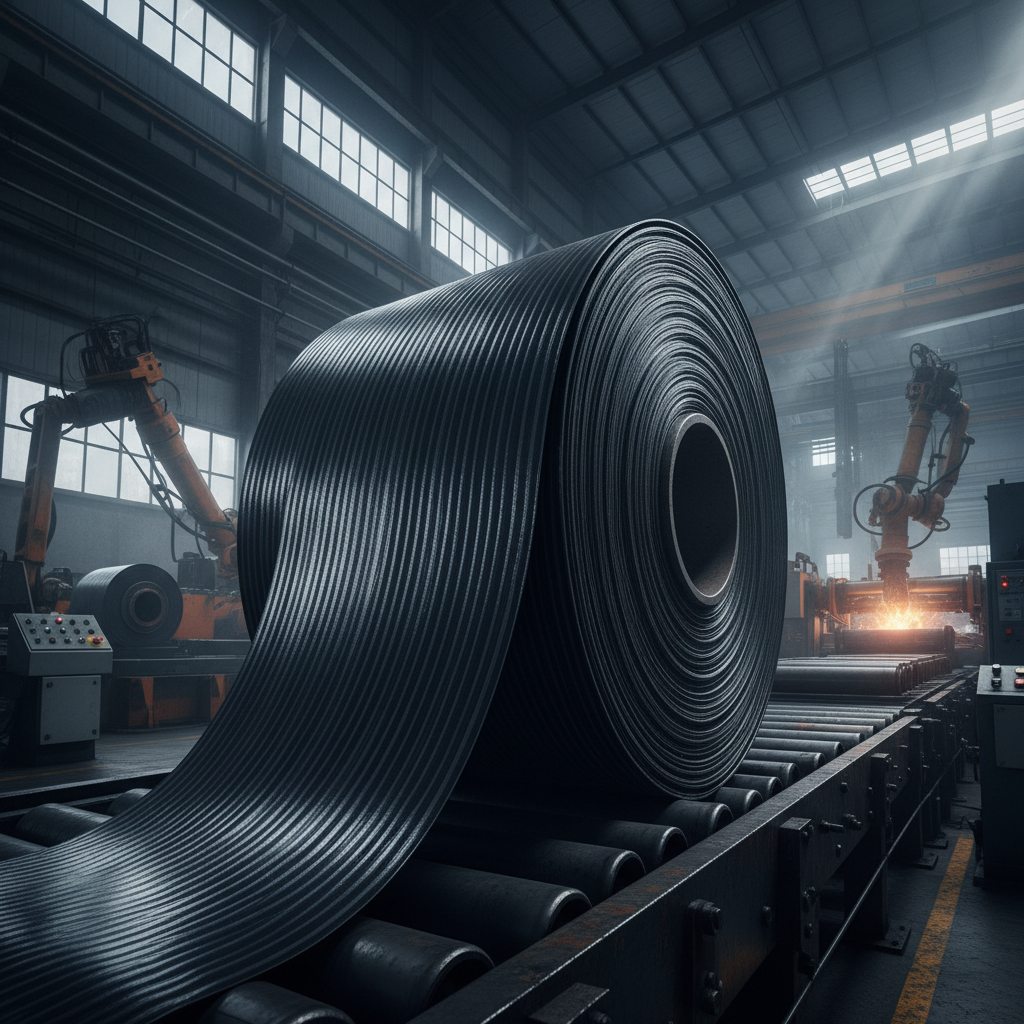
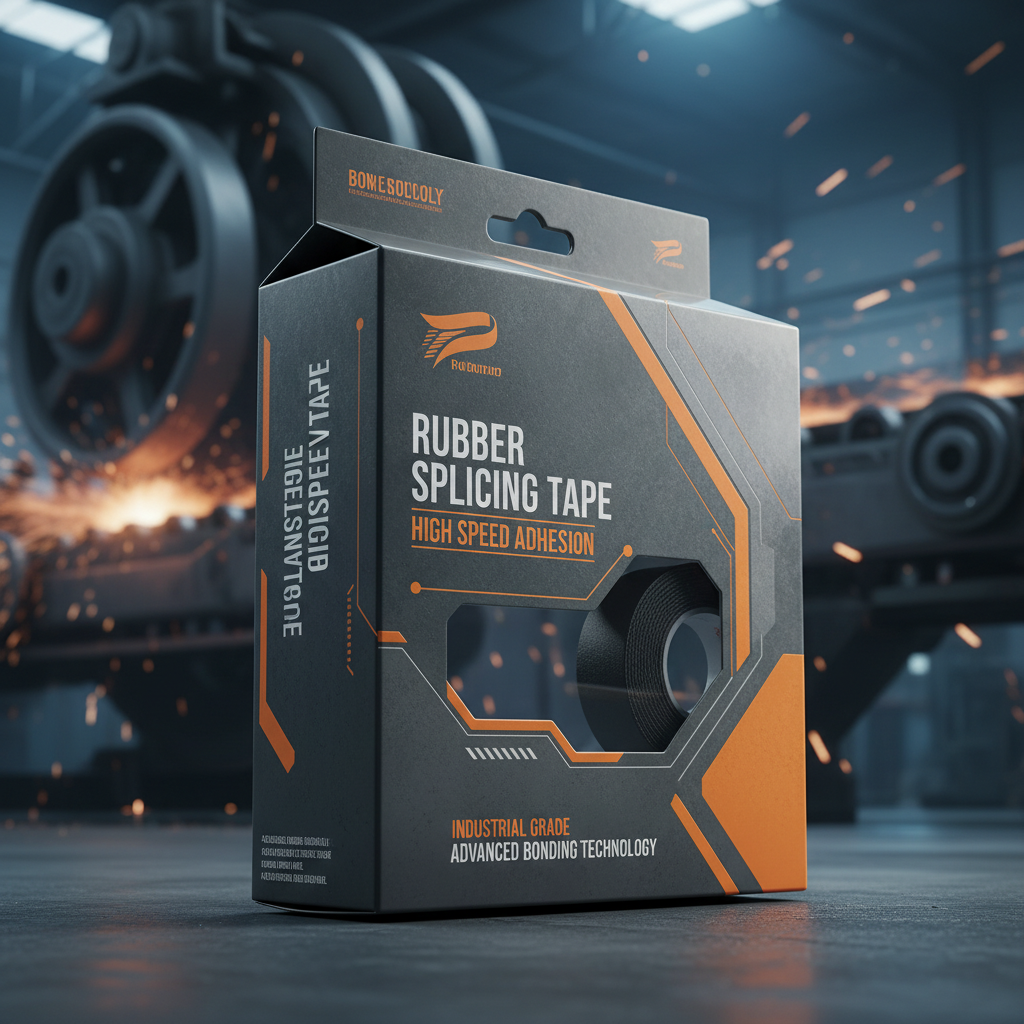
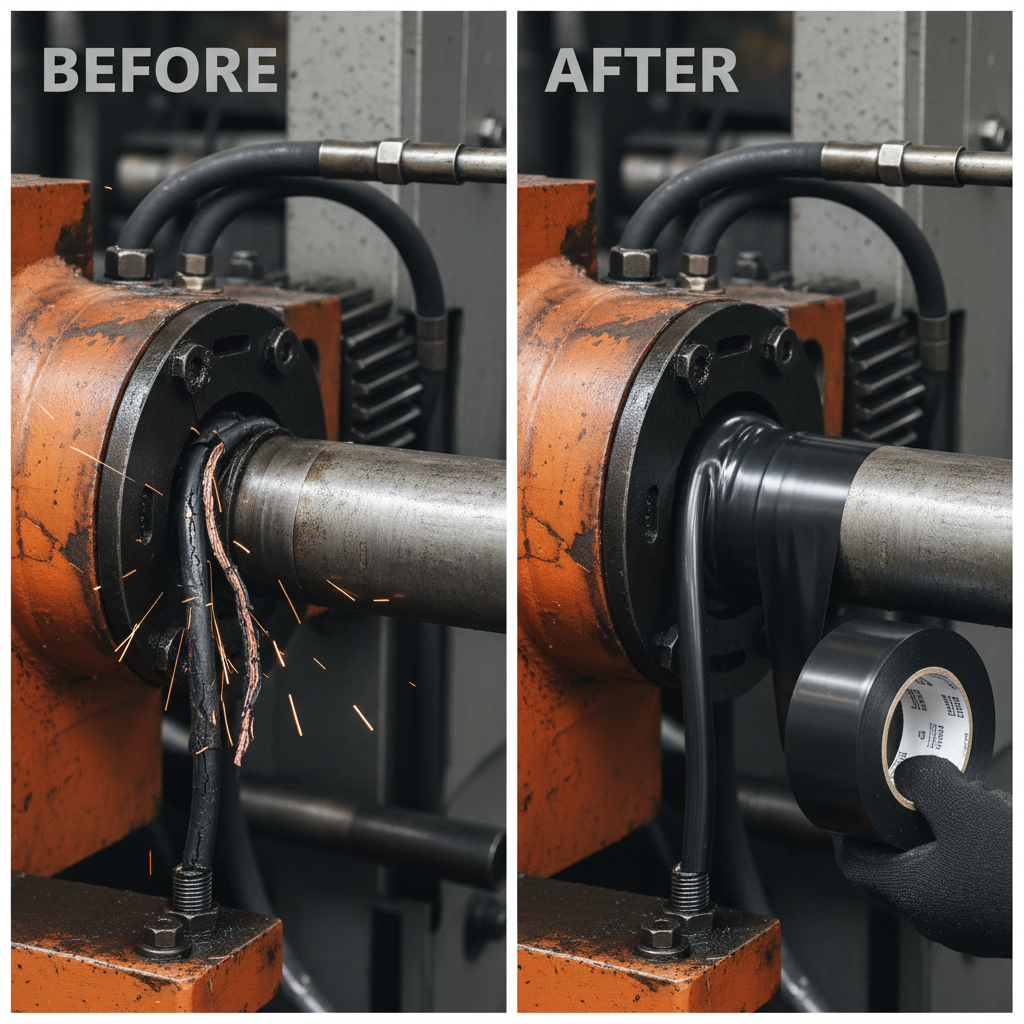
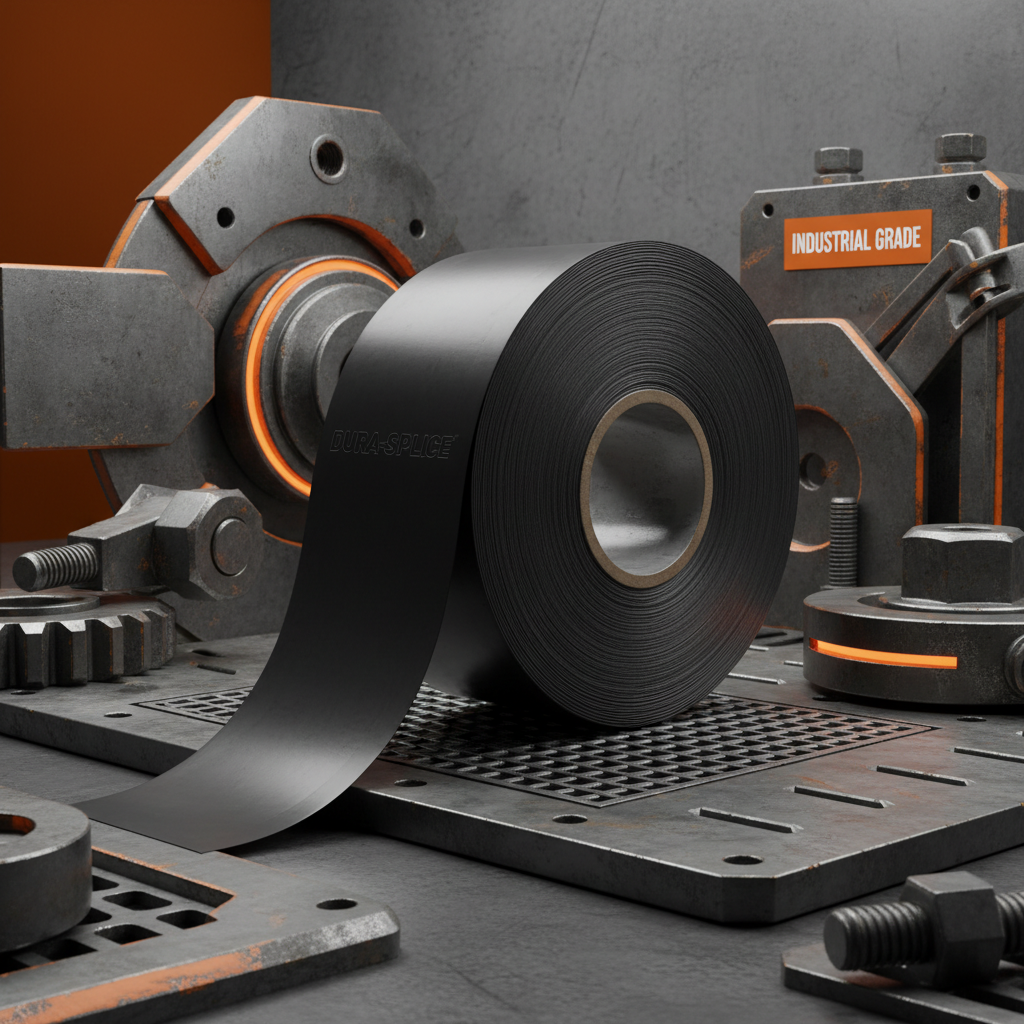
Rubber tape to stop water leaks represents a crucial yet often overlooked element in infrastructure maintenance, emergency response, and even everyday household repairs. Globally, water loss due to leaks costs billions annually, impacting everything from potable water supplies to structural integrity of buildings and bridges. Understanding the properties, applications, and advancements in rubber tape technology is therefore paramount to mitigating these losses and ensuring resource efficiency.
The significance of effectively sealing leaks extends beyond mere economic considerations. In developing nations, access to clean water is a fundamental human right, and leak prevention directly contributes to preserving this vital resource. Similarly, in industrial settings, preventing water ingress can safeguard sensitive equipment, prevent corrosion, and maintain operational safety. Effective rubber tape solutions are a cornerstone of these efforts.
This comprehensive overview will explore the core principles of rubber tape used to stop water leaks, its diverse applications, future trends, and the critical role it plays in a more sustainable and resilient world. From temporary repairs to long-term sealing solutions, understanding this versatile material is becoming increasingly important in a world facing growing water scarcity and infrastructure challenges.
Introduction to rubber tape to stop water leaks
Rubber tape to stop water leaks, in its most basic form, is a pressure-sensitive adhesive tape constructed from a rubber-based compound designed to create a watertight seal. This deceptively simple material plays a critical role in mitigating water damage across a vast range of applications, from household plumbing repairs to large-scale industrial infrastructure projects. The versatility stems from its inherent flexibility, conformability, and adhesive strength.
Beyond immediate leak stoppage, utilizing quality rubber tape proactively can prevent costly secondary damage, such as mold growth, structural decay, and equipment failure. Choosing the correct type of rubber tape – considering factors like temperature resistance, UV exposure, and chemical compatibility – is essential for ensuring long-lasting performance and a truly effective solution. rubber tape to stop water leaks comes in a variety of formulations to meet diverse needs.
Global Relevance and Water Leakage Statistics
The global challenge of water leakage is immense. According to the UN, approximately one-third of the world’s freshwater supply is lost due to leaks in water distribution networks. In developed countries, this often results in increased water bills and unnecessary strain on municipal resources. In developing nations, however, the impact is far more severe, contributing to water scarcity and hindering public health. This underlines the significant need for accessible and effective leak-sealing solutions.
The World Bank estimates that repairing and upgrading water infrastructure could save trillions of dollars globally. A significant portion of these savings is achievable through preventative measures and rapid response to leaks, where rubber tape provides a cost-effective and immediate solution. The ISO standards relating to water quality and infrastructure maintenance also highlight the importance of minimizing water loss, indirectly promoting the use of reliable sealing materials like rubber tape.
Beyond municipal water systems, industrial facilities also experience substantial water losses from leaks in piping, tanks, and other equipment. This not only leads to financial losses but also poses environmental risks through potential contamination and inefficient resource use. Rubber tape, chosen for its specific properties, offers a quick and reliable solution for these industrial leaks, minimizing downtime and preventing further damage.
Defining Rubber Tape for Leak Sealing
Rubber tape to stop water leaks is a flexible, self-fusing sealant commonly made from a blend of synthetic rubbers like EPDM, butyl, or neoprene, combined with a strong adhesive backing. Unlike traditional tapes that rely solely on adhesion, self-fusing rubber tape bonds to itself, creating a watertight and airtight seal even under pressure. This unique property is crucial for repairing leaks in pipes, hoses, and various other surfaces.
The ‘self-fusing’ characteristic means that when the tape is stretched and wrapped tightly around a leak, the layers interlock and chemically bond, forming a solid, rubbery patch. No adhesives are needed for the layers to adhere to each other – just pressure and stretching. This makes it a particularly robust solution for irregular surfaces or situations where traditional adhesives might fail.
This technology connects to modern industrial and humanitarian needs by offering a simple, effective, and portable solution to a common problem. In disaster relief scenarios, for example, rubber tape provides a rapid means of repairing damaged water pipes, ensuring access to clean drinking water. In industrial maintenance, it offers a quick and efficient way to minimize downtime and prevent costly repairs.
Key Properties of Effective Rubber Tape
The effectiveness of rubber tape to stop water leaks hinges on several key properties. First and foremost is its Waterproofness. A high-quality tape must exhibit complete resistance to water penetration, even under significant hydrostatic pressure. Secondly, Flexibility is essential, allowing the tape to conform to irregular shapes and surfaces, ensuring a tight and complete seal.
Durability is another critical factor. The tape should withstand environmental stressors like UV exposure, temperature fluctuations, and abrasion without losing its sealing properties. Adhesive Strength is vital for initial adhesion to the surface, while Self-Fusion capability guarantees a robust and permanent seal between tape layers. Finally, Temperature Resistance allows the tape to function effectively across a wide range of operating temperatures.
Rubber Tape Performance Metrics
Applications of Rubber Tape Across Industries
The applications of rubber tape to stop water leaks are incredibly diverse. In the Plumbing Industry, it's used for emergency repairs of leaking pipes, fittings, and faucets. In Construction, it's deployed for sealing joints in concrete, roofing repairs, and waterproofing foundations. The Automotive Industry utilizes it for repairing radiator hoses and coolant leaks.
In Marine Applications, rubber tape safeguards against seawater ingress in hulls and piping systems. Industrial Manufacturing leverages it for sealing leaks in process equipment and machinery. Furthermore, in post-disaster relief operations, it provides a vital lifeline by quickly repairing damaged water infrastructure, restoring access to clean water for affected communities. In remote industrial zones, where specialized equipment and personnel are scarce, rubber tape to stop water leaks provides a self-sufficient, immediate fix.
The Advantages and Long-Term Value of Rubber Tape
The tangible benefits of using rubber tape to stop water leaks are significant. Cost-Effectiveness is a key advantage, as it offers a far cheaper alternative to replacing entire sections of pipe or equipment. Sustainability is enhanced by reducing water waste and extending the lifespan of existing infrastructure. Reliability is assured through its robust sealing properties, even in challenging environments.
Beyond the practical advantages, rubber tape provides peace of mind, knowing that leaks are addressed quickly and effectively, preventing further damage. It promotes safety by reducing slip hazards and preventing electrical shorts caused by water ingress. The ease of application fosters a sense of empowerment and self-reliance. Ultimately, utilizing this technology builds trust in the longevity and resilience of vital systems.
Future Trends in Rubber Tape Technology
Future innovations in rubber tape to stop water leaks are focused on enhancing performance and sustainability. The development of bio-based rubber compounds offers a more environmentally friendly alternative to traditional synthetic rubbers. Nanotechnology is being explored to improve adhesive strength and self-fusion capabilities. Smart tapes, integrated with sensors, can detect leaks and provide real-time monitoring, alerting users to potential issues.
The integration of digital technologies, like augmented reality (AR) applications, could provide step-by-step guidance for proper tape application, improving installation quality and ensuring a reliable seal. Furthermore, advancements in automation are leading to the development of robotic systems capable of applying rubber tape to hard-to-reach areas, increasing efficiency and safety. These advancements are all aligned with a broader push towards sustainability and proactive infrastructure management.
These future trends will also be driven by the increasing emphasis on green building practices and circular economy principles, where minimizing waste and maximizing resource efficiency are paramount. The development of recyclable or biodegradable rubber tape formulations will contribute to a more sustainable lifecycle for this essential product.
FAQS
Most rubber tapes have an operating temperature range between -20°F and 200°F (-29°C and 93°C). However, this can vary depending on the specific rubber compound used. Always check the manufacturer's specifications to ensure the tape is suitable for the intended application and temperature conditions. Prolonged exposure to temperatures outside the recommended range can compromise the tape's adhesive properties and sealing effectiveness.
Yes, one of the significant advantages of self-fusing rubber tape is its ability to adhere to wet surfaces. This makes it ideal for emergency repairs where draining the system isn’t immediately possible. However, it's crucial to clean the surface of loose debris and contaminants before applying the tape to ensure optimal adhesion. The tape will actually fuse better on a slightly wet surface, creating a tighter seal.
The longevity of a rubber tape repair depends on several factors, including the quality of the tape, the severity of the leak, the surface preparation, and the environmental conditions. Under normal conditions, a properly applied rubber tape repair can last for several months to years. For more permanent solutions, it’s often recommended to combine rubber tape with other repair methods.
Rubber tape is generally compatible with most common pipe materials, including PVC, copper, steel, and PEX. However, it’s essential to ensure the surface is clean and free of oil, grease, or other contaminants before application. Certain types of rubber tape may not be suitable for highly reactive materials or surfaces with complex coatings. Always consult the manufacturer's guidelines for specific compatibility information.
To ensure optimal performance, rubber tape should be stored in a cool, dry place away from direct sunlight and extreme temperatures. Keep the tape in its original packaging to protect it from dust and moisture. Avoid storing it near solvents or chemicals that could degrade the rubber compound. Proper storage will help maintain the tape's adhesive properties and self-fusion capabilities.
No, rubber tape is not designed for use on gas leaks. Gas leaks are extremely dangerous and require specialized repair methods and trained professionals. Using rubber tape on a gas leak could create a fire or explosion hazard. If you suspect a gas leak, immediately evacuate the area and contact your local gas company or emergency services.
Conclusion
In conclusion, rubber tape to stop water leaks represents a versatile, cost-effective, and reliable solution to a global challenge. Its ease of application, wide range of applications, and ability to provide both temporary and long-term repairs make it an invaluable tool for homeowners, plumbers, industries, and disaster relief organizations alike. The benefits extend beyond simply stopping leaks; it contributes to water conservation, resource efficiency, and enhanced safety.
Looking ahead, continued innovation in rubber tape technology – through sustainable materials, smart integration, and automated application – promises to further enhance its effectiveness and expand its role in building a more resilient and sustainable future. For reliable and high-performance rubber tape solutions, visit our website today.