
Cambric tape in 2025: why this old-school staple still wins in damp, demanding installs
If you work around motors, coils, or frankly any junction box near moisture, you already know the quiet utility of cambric tape. Not flashy. Not algorithmic. Just a tough, wax/varnish-impregnated fabric that keeps connections dry and electrically sound. Lately I’ve been seeing renewed interest, especially for humid sites and rewinds. One product that keeps popping up in shop talk is the Fiberglass Yellow Varnished Insulating Tape, code XF-HLD, out of Tongling, Anhui, China—more on that in a second.
To be honest, what people call cambric tape varies: classic cotton cambric versus modern fiberglass cloth, different varnishes, different outer wraps. In practice, the “yellow wax tape + outer insulation layer” method is still the winning recipe for wet work.
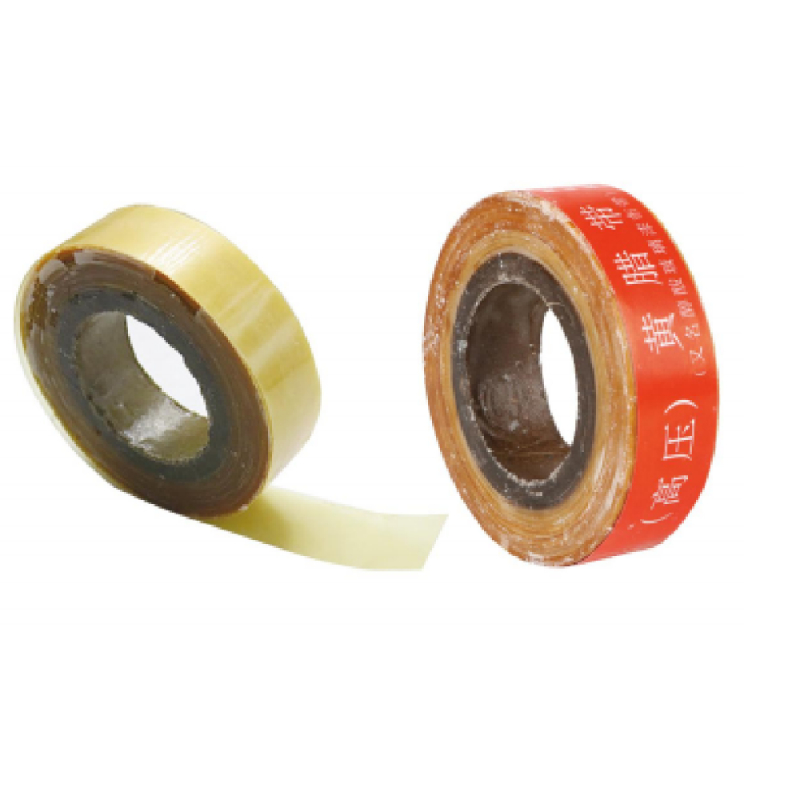
Product snapshot: Fiberglass Yellow Varnished Insulating Tape (XF-HLD)
Origin: Office Building of Management Committee of Shizishan High-Tech Zone, Tongling, Anhui, China. Many customers say it’s a “set-and-forget” inner moisture barrier—wrap connections with the yellow varnished layer, then finish with PVC electrical tape or a self-fusing outer layer depending on ingress risk.
| Spec | Typical value (≈) | Method / Note |
|---|---|---|
| Base fabric | Woven fiberglass cloth | Alkali-free yarn |
| Impregnation | Yellow varnish/wax system | Humidity-barrier layer |
| Thickness | ≈ 0.18–0.25 mm | IEC 60454-2 |
| Tensile strength | ≥ 400 N/25 mm | ASTM D1000 |
| Breakdown voltage | ≈ 4.5 kV (single wrap) | ASTM D1000; real-world use may vary |
| Thermal class | Class F–H (155–180 °C) | Dependant on varnish resin |
| Adhesion | Non-adhesive varnished wrap | Used as inner moisture layer |
| Code | XF-HLD | Manufacturer code |
Process flow and QA (short version)
Materials: alkali-free fiberglass cloth → varnish/wax blend. Methods: controlled dip-impregnation, metered de-wet, multi-stage oven cure, precision slitting (low-fray edges). Testing: thickness, tensile, breakdown voltage, and moisture uptake per ASTM D1000 and IEC 60454; dielectric checks sampled per lot; visual for resin uniformity. Service life: ≈ 10–15 years in enclosed equipment (assuming correct overwrap and load), frankly longer if heat is well-managed. Industries: motor rewinds, transformers, pumps, marine switchgear, mining splices, EV traction auxiliary harnesses.
How pros actually use it
The classic stack: first wrap the joint with the yellow varnished layer (cambric tape behavior), then apply PVC insulation tape or a self-fusing silicone outer wrap, depending on IP target. In very humid cabinets, I’ve seen techs add a third, abrasion layer. It seems basic, but that inner varnish barrier is the difference between “dry for years” and “mystery trip at the worst moment.”
Vendor landscape (quick comparison)
| Vendor / Model | Base | Temp class | Dielectric (≈) | Cert/Notes |
|---|---|---|---|---|
| XF-HLD (QiangDa) | Fiberglass + varnish | F–H | ≈ 4–6 kV single wrap | RoHS/REACH; UL/IEC data available on request |
| 3M Scotch 27 (reference) | Glass cloth, rubber thermoset | Class B/F | Datasheet typical | UL 510 Listed; IEC 60454 refs |
| Nitto Glass Cloth (reference) | Glass cloth variants | F–H | Datasheet typical | RoHS; IEC 60454 family |
Bottom line: if you’re after that cambric tape-style inner barrier with higher tear resistance, fiberglass-based varnished wraps are a solid, cost-sane choice.
Field notes and mini case studies
• Motor rewind shop, coastal climate: switched their joint prep to yellow varnished inner + self-fusing silicone outer. Callbacks dropped noticeably (their word, not mine) during monsoon months.
• Solar inverter OEM: adopted a fiberglass cambric tape layer inside DC bus bar terminations; after 2k-hour 85°C/85% RH stress, insulation resistance stayed within spec, with no visible wicking at edges.
Compliance and documentation
Look for IEC 60454 test references, ASTM D1000 test data, and UL 510 where applicable. RoHS/REACH statements are table stakes now. If you need Class H, ask for the exact resin system in writing—real-world formulations matter more than brochure adjectives.
Sources and standards
- IEC 60454 Electrical insulating adhesive tapes (Parts 2/3). https://webstore.iec.ch
- ASTM D1000 Standard Test Methods for Pressure-Sensitive Adhesive-Coated Tapes. https://www.astm.org/d1000
- UL 510 Standard for Polyvinyl Chloride, Polyethylene, and Rubber Insulating Tape. https://standardscatalog.ul.com
- Directive 2011/65/EU (RoHS). https://eur-lex.europa.eu
- 3M Scotch Glass Cloth Tape (27/69) Datasheets. https://www.3m.com
-
Industrial Fire Proof Tape Guide for High Temperature ProtectionNewsApr.16,2026
-
Ultimate Guide to Fireproof Tape Protection and ApplicationsNewsApr.09,2026
-
Exploring Black Tack Butyl Applications and Benefits for Optimal SealingNewsApr.07,2026
-
Comprehensive Guide to Black Butyl Rubber Tape Applications and BenefitsNewsApr.04,2026
-
Comprehensive Guide to High Power Butyl Waterproof Tape ApplicationsNewsMar.31,2026
-
Comprehensive Guide to 360tronics Butyl Waterproof Tape for Airtight and Watertight SealsNewsMar.28,2026