
Butyl Rubber Tape Price: A Comprehensive Guide
When sourcing materials for various industrial and commercial applications, understanding the butyl rubber tape price is crucial. This versatile adhesive solution offers exceptional sealing properties, durability, and resistance to a wide range of environmental factors. This article provides a detailed overview of butyl rubber tape, its applications, factors affecting pricing, and where to find competitive rates. We’ll explore the benefits of choosing quality butyl tape and how it can save you costs in the long run.
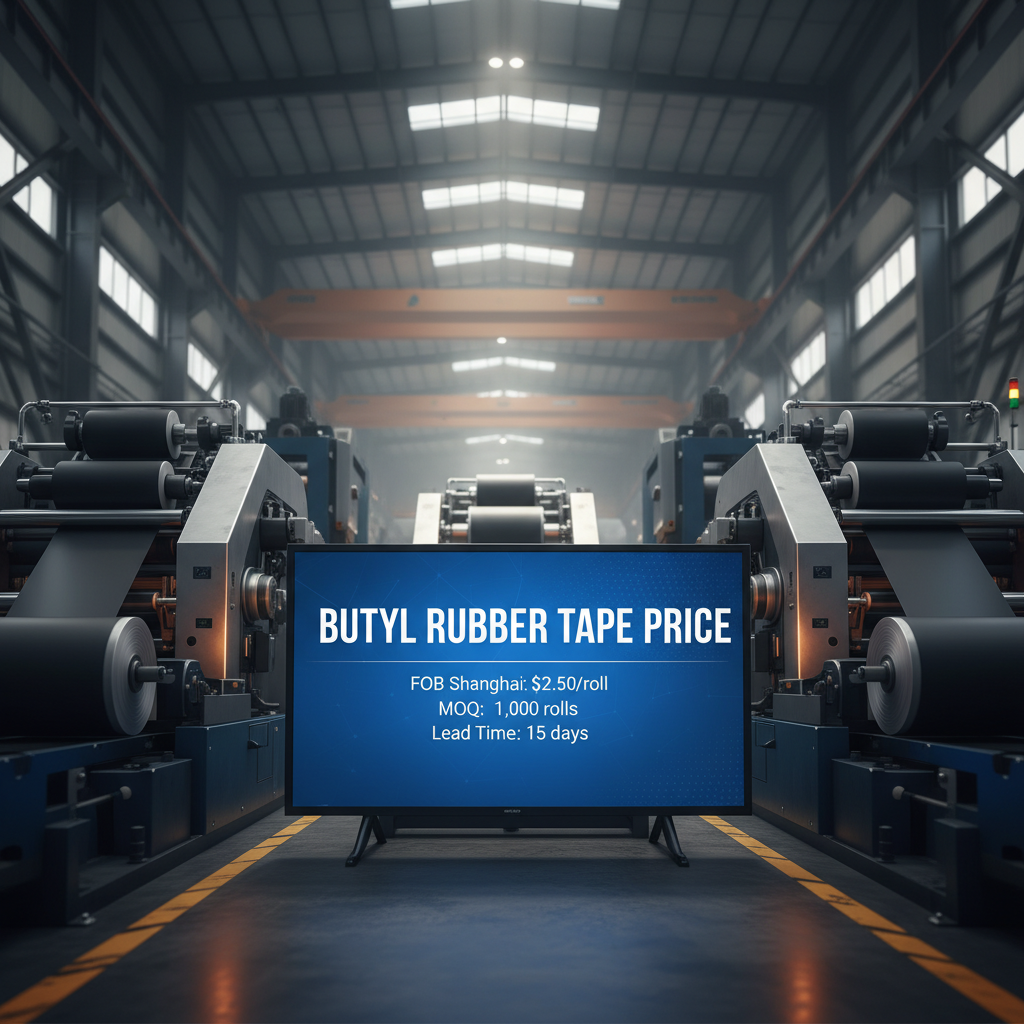
Understanding Butyl Rubber Tape
Butyl rubber tape is a pressure-sensitive adhesive consisting of butyl rubber compound coated onto a variety of backing materials like cloth, polyethylene film, or aluminum foil. It’s renowned for its excellent adhesion, even in challenging conditions, and its resistance to water, chemicals, and UV radiation. This makes it ideal for applications requiring long-lasting seals and protection. It is widely used in HVAC, roofing, automotive, and construction industries for its superior performance. The unique properties of butyl rubber, including its low permeability to gases and moisture, make it a standout choice for critical sealing applications.
Key Highlights: Exceptional adhesion, resistance to water and chemicals, and excellent durability.
Factors Influencing Butyl Rubber Tape Price
The butyl rubber tape price isn't fixed. Several factors contribute to its cost: the type of backing material used (cloth, film, foil), the tape's width and length, the thickness of the adhesive layer, and the quantity ordered. Premium butyl tapes with enhanced properties like higher tack or specific temperature resistance will typically command a higher price. Supply and demand dynamics, raw material costs (butyl rubber itself), and manufacturing expenses also play a significant role. Sourcing from reputable manufacturers like Qiangda Tape can ensure quality and competitive pricing.
Price Influencing Factors:
• Backing Material
• Tape Dimensions (Width & Length)
• Adhesive Thickness
• Order Quantity
Butyl Rubber Tape Price Comparison: Types and Costs
Different types of butyl rubber tape cater to specific needs and come with varying price points. Here’s a general comparison:
Applications of Butyl Rubber Tape
Butyl rubber tape’s versatility shines through its diverse applications. In the HVAC industry, it provides airtight seals for ducts and joints. In roofing, it’s used for flashing, seam sealing, and repairing leaks. Automotive applications include sealing body panels and providing vibration damping. The construction sector utilizes it for window and door sealing, as well as joint filling. Its resistance to weathering and chemicals makes it a reliable choice for outdoor and industrial environments. Choosing the right type of butyl tape, based on its application, can significantly impact the overall project cost and longevity.
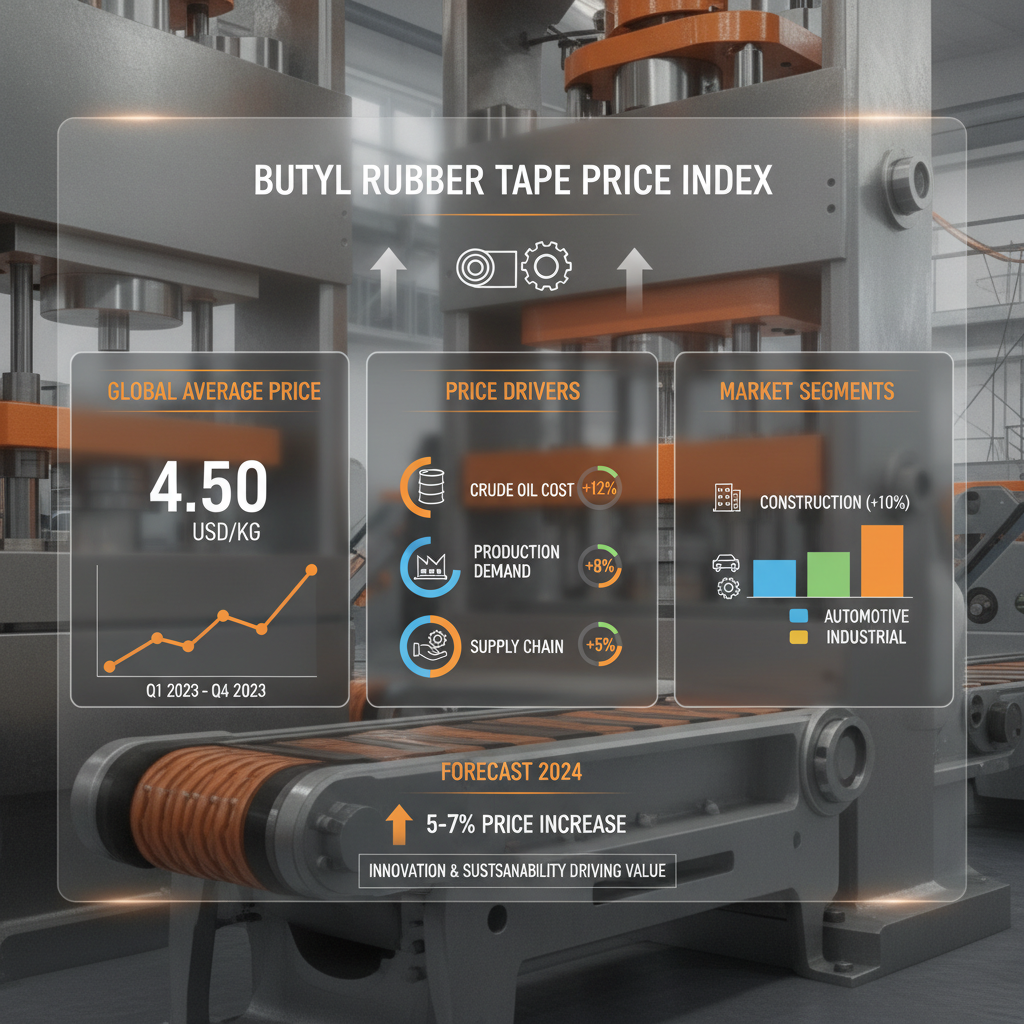
Finding the Best Butyl Rubber Tape Price with Qiangda Tape
When seeking the best butyl rubber tape price, partnering with a trusted supplier like Qiangda Tape is essential. We offer a comprehensive range of butyl rubber tapes to meet diverse needs and budgets. Our commitment to quality, competitive pricing, and excellent customer service ensures you receive the best value for your investment. We provide customized solutions, bulk discounts, and efficient delivery to streamline your procurement process. Contact us today for a quote and experience the Qiangda Tape difference.
Conclusion: Investing in Quality Butyl Tape
Choosing the right butyl rubber tape is an investment in the longevity and performance of your projects. By understanding the factors that influence butyl rubber tape price and partnering with a reliable supplier like Qiangda Tape, you can ensure you get the best possible value. Don’t compromise on quality – choose a butyl tape that delivers lasting sealing performance.
Frequently Asked Questions (FAQs)
What is the shelf life of butyl rubber tape?
Butyl rubber tape generally has a shelf life of 1-2 years when stored in a cool, dry place away from direct sunlight. However, the actual shelf life can vary depending on the specific product and storage conditions. It's always best to check the manufacturer's recommendations. Proper storage is crucial to maintain the tape's adhesive properties and performance. Avoid exposing the tape to extreme temperatures or humidity, as this can accelerate degradation.
Can butyl rubber tape be used in wet conditions?
While butyl rubber tape offers excellent water resistance, it's not designed for permanent submersion. It can tolerate some moisture, but for optimal adhesion, the surface should be clean and dry during application. Applying butyl tape in wet or damp conditions can compromise its ability to form a strong, lasting seal. It’s always recommended to follow the manufacturer's guidelines for application in specific environments.
Is butyl rubber tape removable?
Butyl rubber tape is known for its strong adhesion, making it relatively difficult to remove. Removal often requires the use of solvents or specialized adhesive removers. Heat can also help soften the adhesive, making it easier to peel off. However, it's important to exercise caution and follow safety guidelines when using solvents. Some residue may remain after removal, which can be cleaned with appropriate cleaning agents.
-
Industrial Fire Proof Tape Guide for High Temperature ProtectionNewsApr.16,2026
-
Ultimate Guide to Fireproof Tape Protection and ApplicationsNewsApr.09,2026
-
Exploring Black Tack Butyl Applications and Benefits for Optimal SealingNewsApr.07,2026
-
Comprehensive Guide to Black Butyl Rubber Tape Applications and BenefitsNewsApr.04,2026
-
Comprehensive Guide to High Power Butyl Waterproof Tape ApplicationsNewsMar.31,2026
-
Comprehensive Guide to 360tronics Butyl Waterproof Tape for Airtight and Watertight SealsNewsMar.28,2026