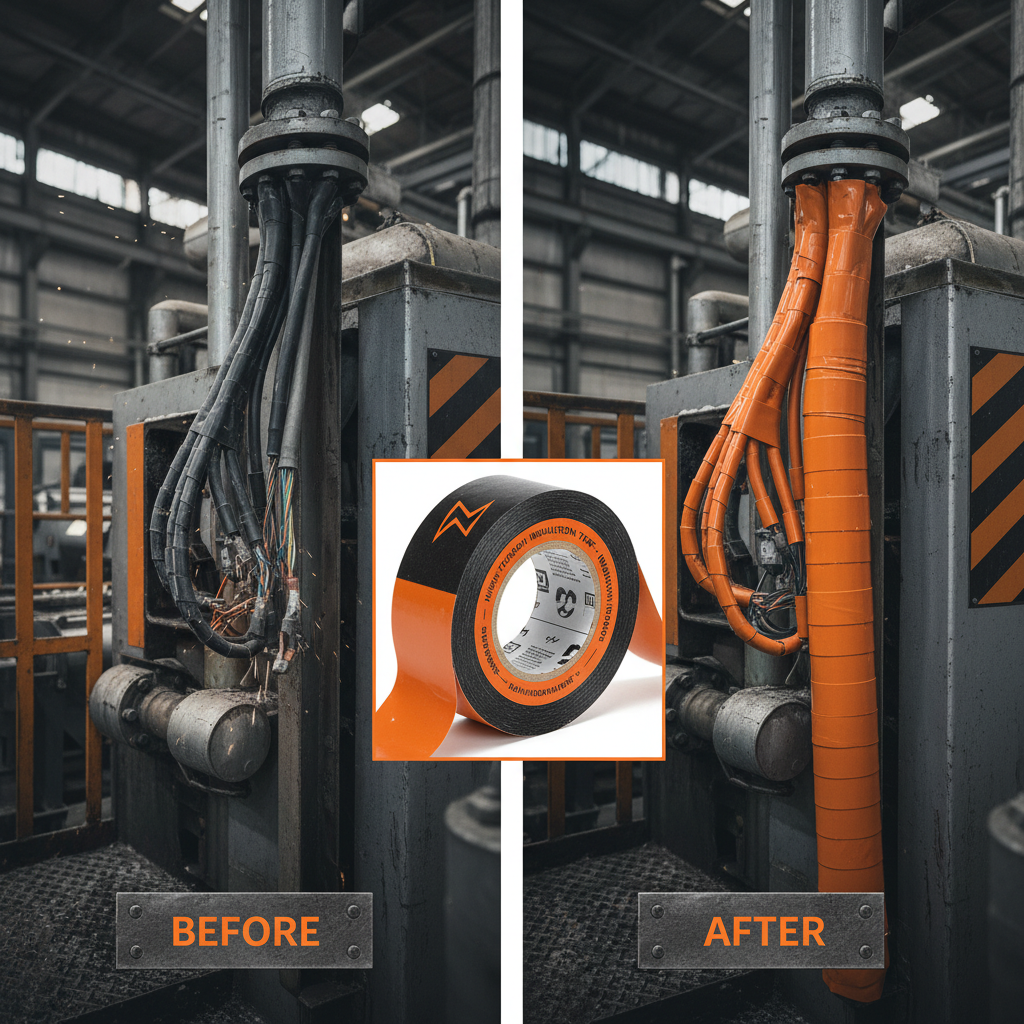
Look, I’ve been on construction sites for over 20 years. Seen a lot of things break, a lot of things fail. And the one thing that consistently causes headaches – and delays, and cost overruns – is a poor connection. That’s where splicing tape comes in. It’s not glamorous, it’s not the shiny new gadget everyone’s talking about, but it’s the backbone of keeping projects moving. It's about reliability, plain and simple. Without a reliable way to join materials, things fall apart, literally.
We’re not talking about just sticking two pieces of plastic together. We're talking about joining critical components – wires, insulation, even temporary structures – in environments that are actively trying to tear them apart. Dust, moisture, temperature swings... these things are relentless. And the cost of a failure isn't just the material itself, it's the downtime, the rework, the potential safety hazards. Splicing tape is the first line of defense against those headaches.
I've seen crews lose days because of subpar tape. Days! That’s money bleeding out, schedules slipping, and everyone getting stressed. A good quality splicing tape isn't a place to cut corners. It’s an investment in keeping the job running smoothly and safely. It's something you don't even notice when it's working right, and that's the highest compliment you can give it.
The Critical Role of Splicing Tape in Modern Construction
From sprawling infrastructure projects to intricate electrical work, splicing tape is the unsung hero holding things together. Globally, the construction industry is a massive economic engine – the UN estimates it accounts for around 6% of global GDP. But that growth relies on efficiency and safety. One breakdown, one failed connection, can bring a multi-million dollar project to a screeching halt.
The demand for reliable joining materials, like high-quality splicing tape, is only increasing as construction methods become more complex and projects are pushed to more challenging environments. We’re building bigger, taller, and in more extreme conditions. That means the demands on materials, and the methods for joining them, are constantly escalating.
Understanding the Global Demand for Reliable Splicing Solutions
The need for robust splicing tape isn't limited to construction. It extends to industries like aerospace, automotive, and even disaster relief. Think about the rapid deployment of emergency shelters after a natural disaster. Those structures rely heavily on quick, reliable joining methods – and splicing tape is often the go-to solution.
The World Bank estimates that the global cost of infrastructure gaps will reach $1 trillion per year by 2030. Closing that gap requires not just investment, but also smarter, more efficient construction practices. Reliable materials and joining techniques are crucial for maximizing that investment and ensuring long-term sustainability.
What I’ve seen in remote industrial zones, whether it's oil rigs offshore or pipelines across vast landscapes, is the same story. Downtime is incredibly expensive. Having a dependable splicing tape on hand is a preventative measure that pays for itself many times over.
Defining Splicing Tape: A Cornerstone of Material Integrity
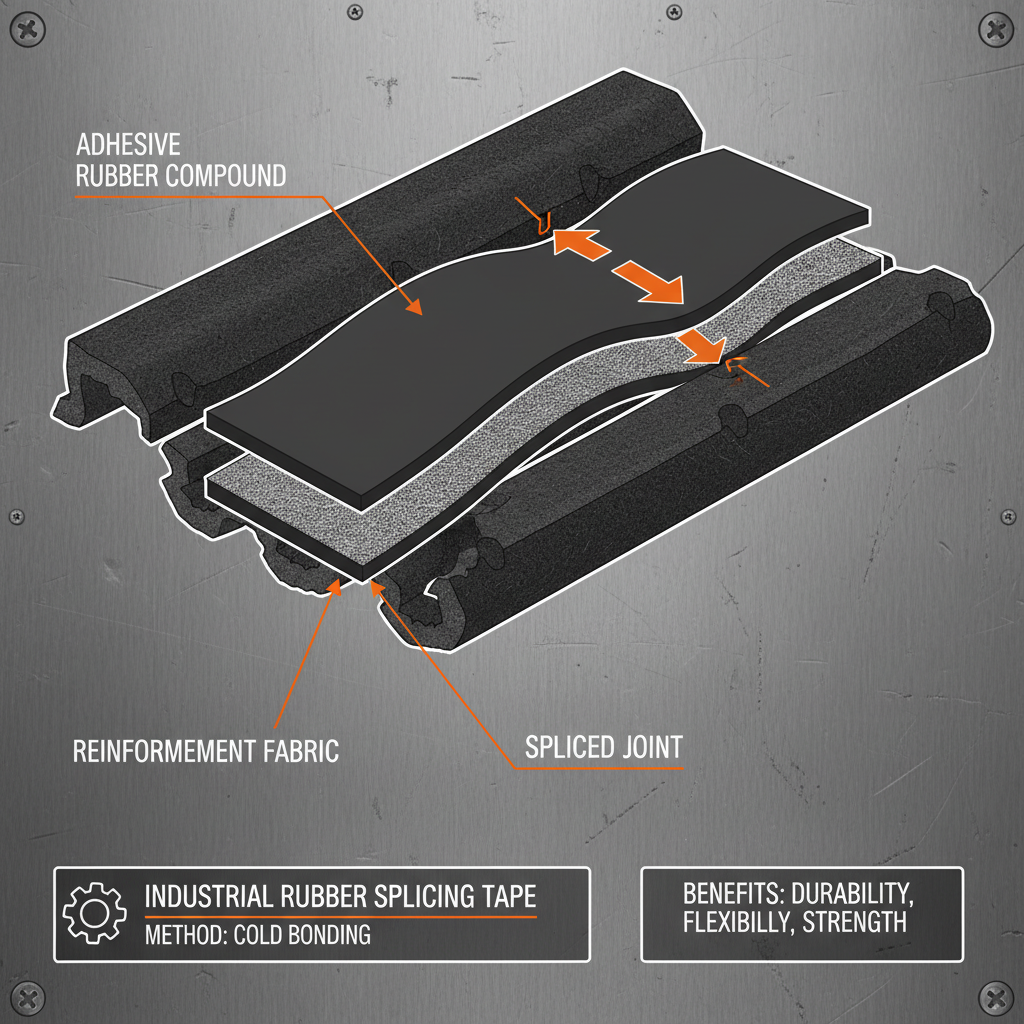
Simply put, splicing tape is a pressure-sensitive adhesive tape designed to create a strong, reliable bond between two materials. It’s not just about sticking things together; it's about creating a continuous, structurally sound connection that can withstand stress, strain, and environmental factors.
In modern industry, it's evolved far beyond just a simple adhesive strip. We're talking about specialized formulations – different adhesive strengths, temperature resistance, UV protection, even electrically conductive tapes. It’s a critical component in maintaining the integrity of complex systems and ensuring operational safety.
From a practical standpoint, splicing tape addresses a fundamental need: the ability to quickly and efficiently join materials without the need for complex tools or extensive preparation. This is crucial in situations where time is of the essence, or where access is limited.
Key Performance Factors of High-Quality Splicing Tape
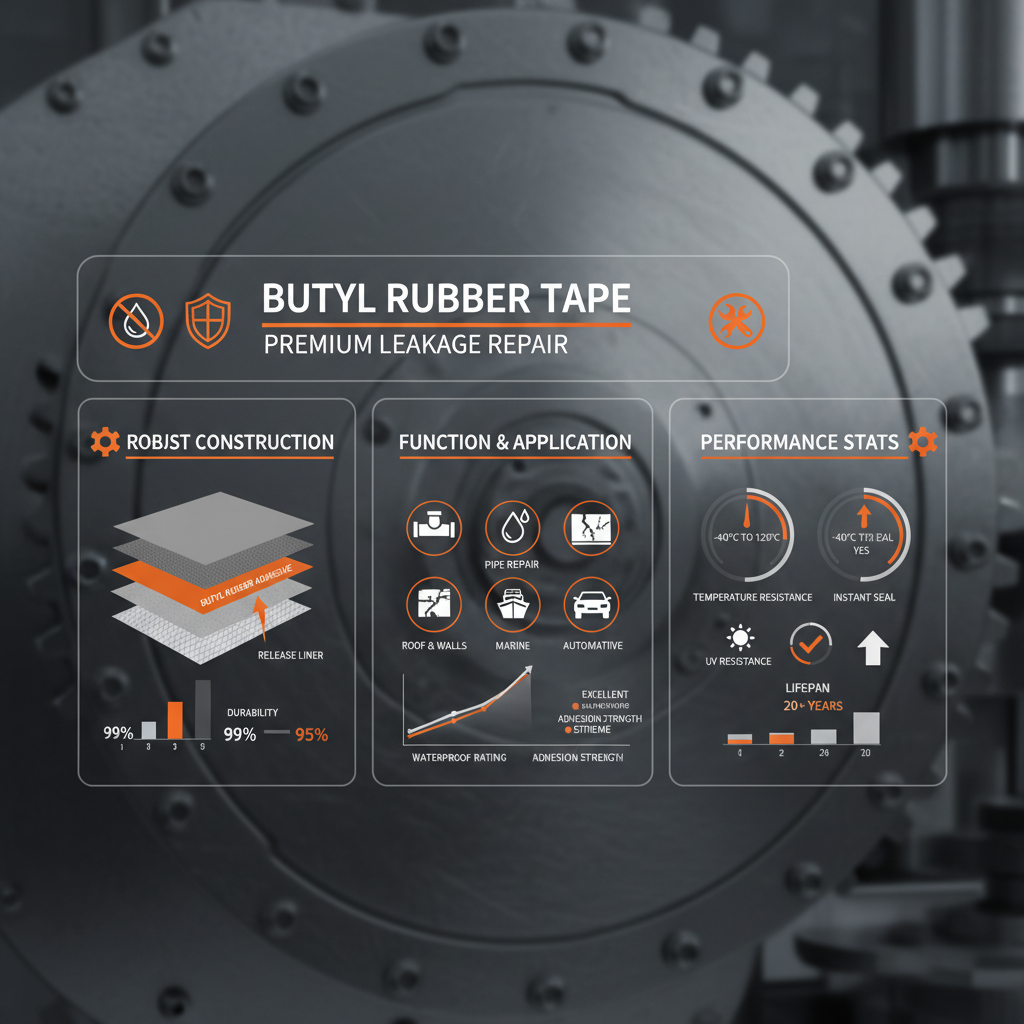
I’ve learned over the years that not all splicing tape is created equal. There are a few key factors that separate the good stuff from the stuff that’ll leave you stranded. First, adhesion strength – how well it sticks, obviously. But it’s not just about initial tack; it's about long-term adhesion, even under stress.
Then there’s temperature resistance. Out on a job site, you’re dealing with everything from scorching heat to freezing cold. The tape needs to maintain its integrity across that entire range. Tensile strength is also critical – it’s the tape’s ability to resist tearing or stretching. Finally, UV resistance prevents the adhesive from breaking down when exposed to sunlight.
Performance Comparison of Splicing Tape Types
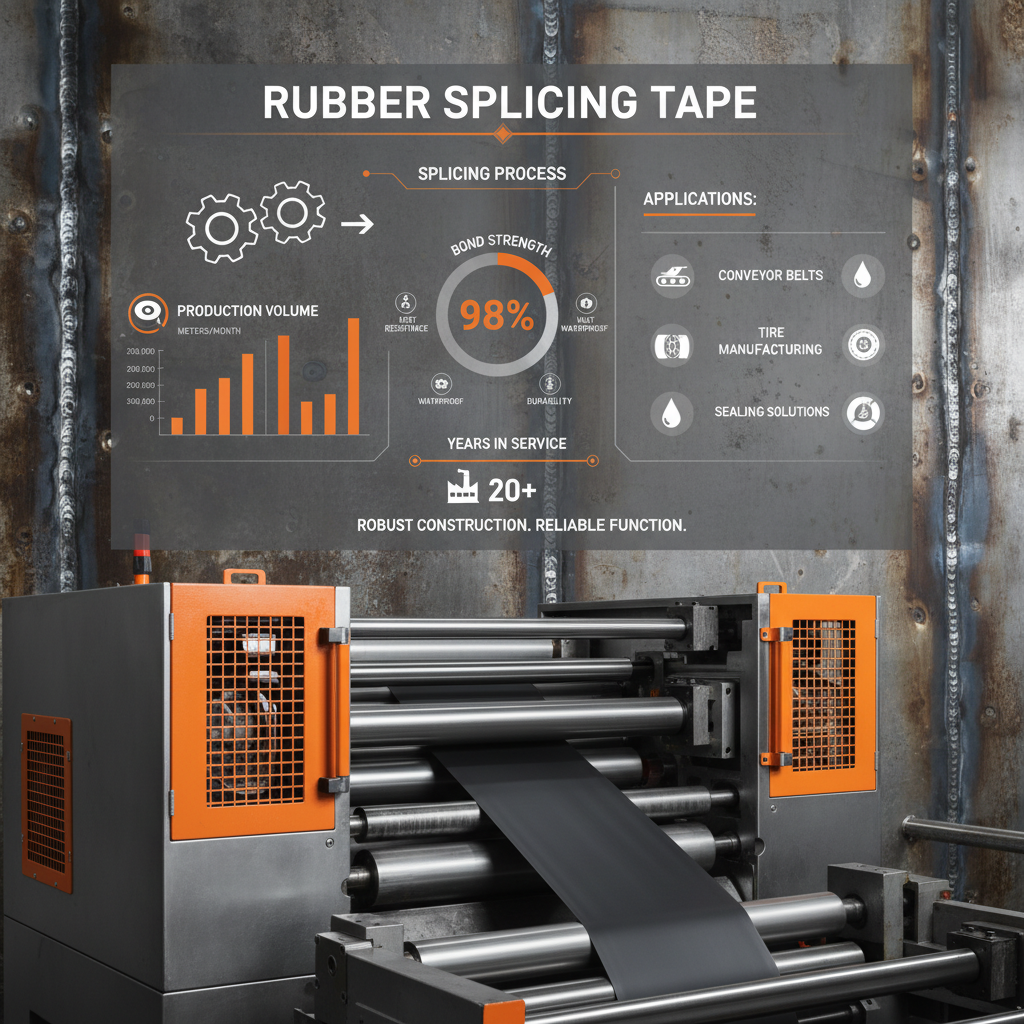
Real-World Applications of Splicing Tape Across Industries
I’ve used splicing tape for everything from temporarily repairing damaged insulation on a live wire (with proper safety precautions, of course!) to securing vapor barriers on a building site. In the HVAC industry, it's essential for sealing ductwork and preventing air leaks.
Electrical contractors rely on it for bundling and protecting wires. Automotive technicians use it for temporary repairs and securing wiring harnesses. Even in the marine industry, it’s used for patching sails and securing rigging. It truly is a versatile tool.
The Long-Term Benefits: Cost Savings, Safety, and Reliability
Investing in good splicing tape isn't just about avoiding immediate failures. It's about reducing long-term maintenance costs and ensuring the safety of everyone on the job site. A failed connection can lead to much bigger problems down the road – electrical fires, structural damage, even injuries.
And let’s be honest, a reliable tool like splicing tape builds trust with clients. They see you’re using quality materials and taking pride in your work, and that translates into repeat business and a solid reputation.
Future Trends and Innovations in Splicing Tape Technology
We're starting to see some exciting innovations in splicing tape technology. Bio-based adhesives are becoming more common, offering a more sustainable alternative to traditional petroleum-based products.
There’s also a lot of research going into developing tapes with self-healing properties – materials that can automatically repair minor damage. And with the rise of automation in construction, we’ll likely see more specialized tapes designed for use with robotic systems.
These advancements will not only improve performance and sustainability but also make the job easier and safer for workers on the ground.
Summary of Key Challenges and Potential Solutions for Splicing Tape Application
| Challenge |
Impact Area |
Potential Solution |
Implementation Difficulty (1-10) |
| Inconsistent Surface Preparation |
Adhesion Reliability |
Standardized Pre-Application Checklist |
3 |
| Extreme Temperature Fluctuations |
Tape Performance |
Selection of Temperature-Rated Splicing Tape |
4 |
| Moisture Exposure |
Long-Term Bond Strength |
Water-Resistant Tape Application Techniques |
5 |
| Incorrect Tape Selection |
Application Suitability |
Comprehensive Tape Specification Guide |
2 |
| Insufficient Application Pressure |
Initial Adhesion |
Training on Proper Application Techniques |
6 |
| Lack of Quality Control |
Overall Reliability |
Regular Inspection of Applied Tape |
7 |
FAQS
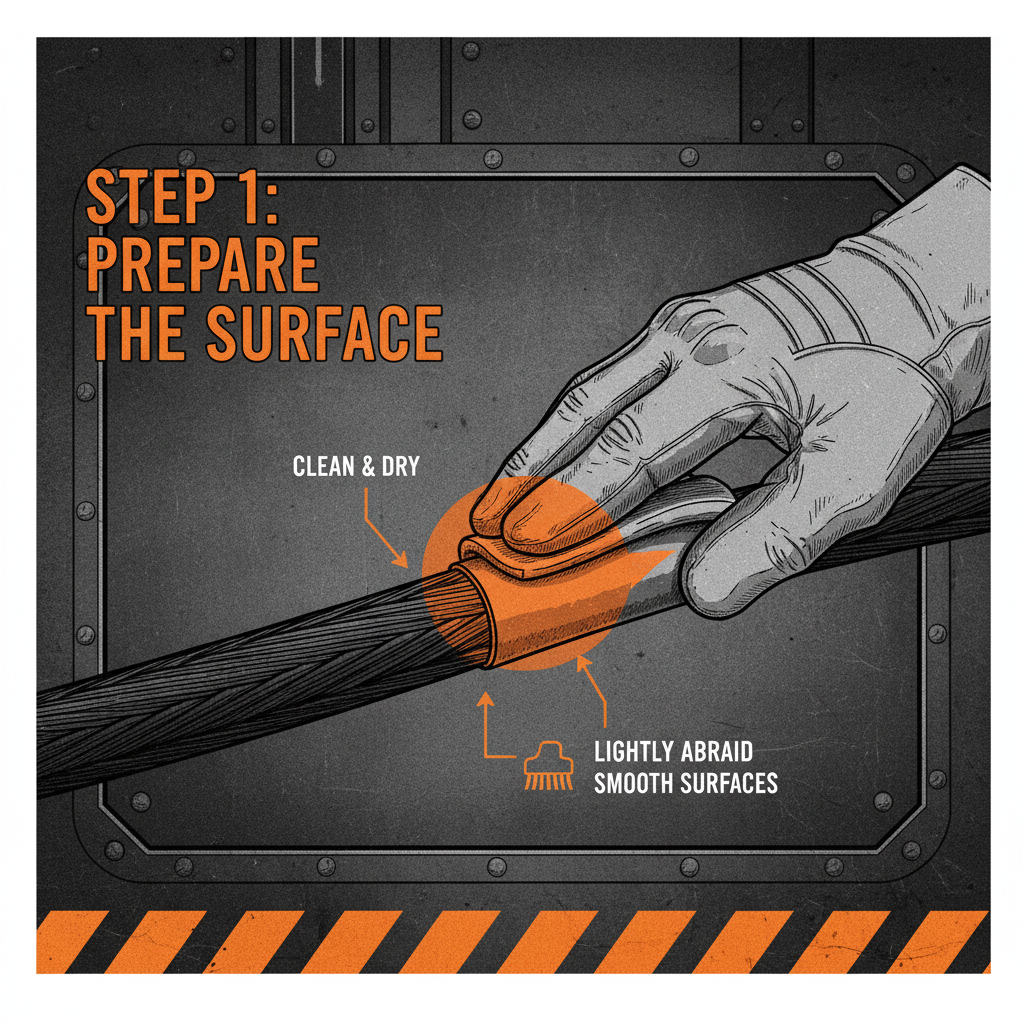
You've got to start with a clean, dry surface. That means removing any dirt, dust, grease, or loose particles. A quick wipe down with isopropyl alcohol usually does the trick. The cleaner the surface, the better the adhesion will be, plain and simple. Don't skip this step, or you're setting yourself up for failure. A good prep ensures a solid bond that'll withstand stress and environmental factors.
Temperature swings are a killer. Extreme heat can soften the adhesive, causing it to lose its grip. Extreme cold can make it brittle and prone to cracking. That's why it’s crucial to choose a splicing tape specifically designed for the temperature range you're working in. Don't assume all tapes are created equal. Check the manufacturer’s specs!
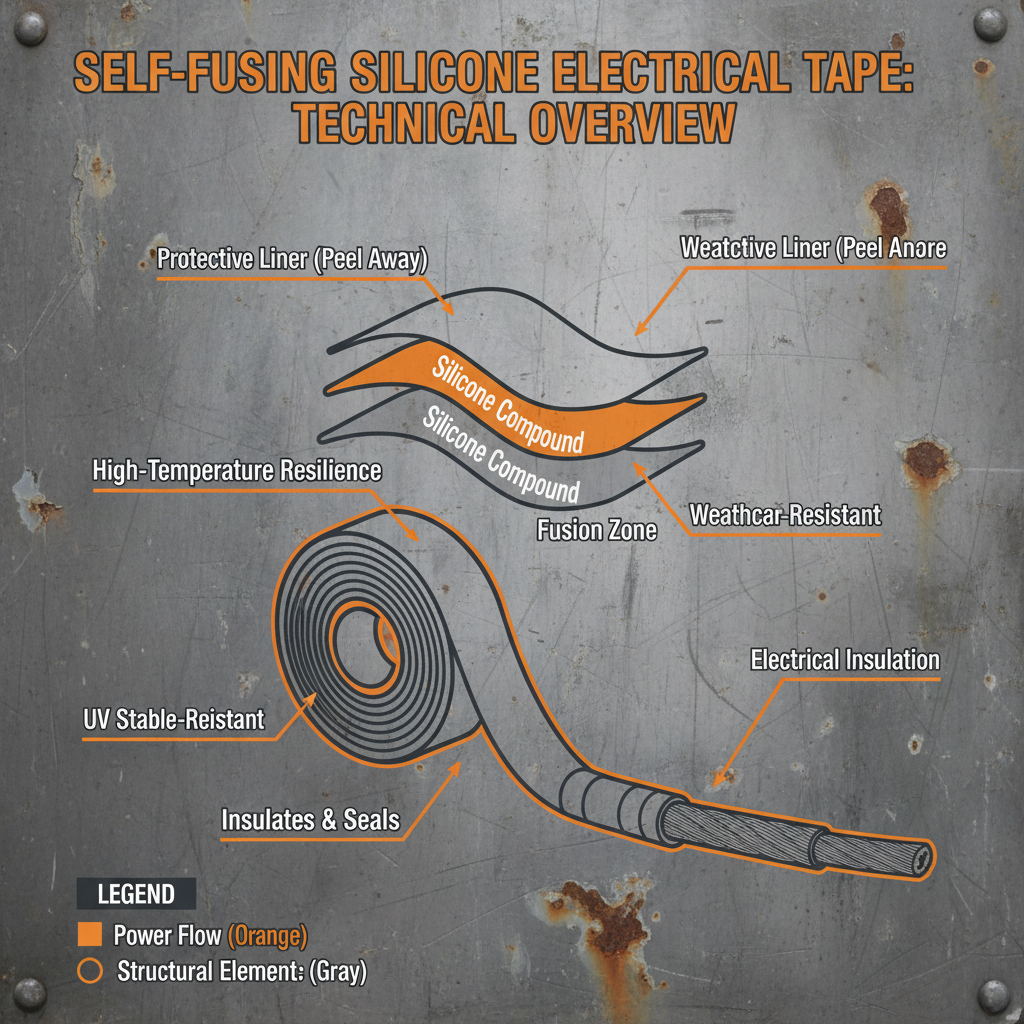
You've got acrylic, rubber, and silicone-based adhesives, just to name a few. Acrylics generally offer good UV resistance and long-term stability. Rubber adhesives provide strong initial tack, but can degrade over time. Silicone adhesives are known for their high-temperature resistance. Choosing the right adhesive depends on the specific application and environmental conditions.
Apply firm, consistent pressure across the entire surface of the tape. Don’t just slap it on and hope for the best! Use a roller or squeegee to ensure good contact. Also, make sure the tape is properly aligned and that there are no wrinkles or air bubbles. Proper application is just as important as the quality of the tape itself.
It can be, but you need to choose a tape that’s specifically designed for outdoor use. Look for tapes with UV resistance and waterproof adhesives. Regular splicing tape will quickly degrade when exposed to sunlight and moisture. It's an investment to get the right type, but it'll save you headaches (and re-work) later on.
Store it in a cool, dry place away from direct sunlight. Heat and humidity can break down the adhesive over time. Keep it in its original packaging whenever possible. And don't stack heavy objects on top of it – you don't want to compress the tape. Proper storage will extend its shelf life and ensure it performs when you need it.
Conclusion
So, splicing tape. It's not the most glamorous material, but it’s an absolutely critical component of countless industries and projects. From ensuring the integrity of electrical systems to providing a reliable seal in harsh environments, its versatility and importance cannot be overstated. Investing in quality splicing tape isn’t just about saving money; it's about ensuring safety, reliability, and the long-term success of your work.
Looking ahead, the continued innovation in adhesive technologies and sustainable materials will only enhance the value of splicing tape. By staying informed about these advancements and prioritizing quality, we can continue to build a more efficient, reliable, and sustainable future. For all your splicing tape needs, visit our website at www.qiangdatape.com.