
Low Smoke & Halogen‑Free Self‑Bonding Fire‑Resistance Tape: What Pros Are Actually Using
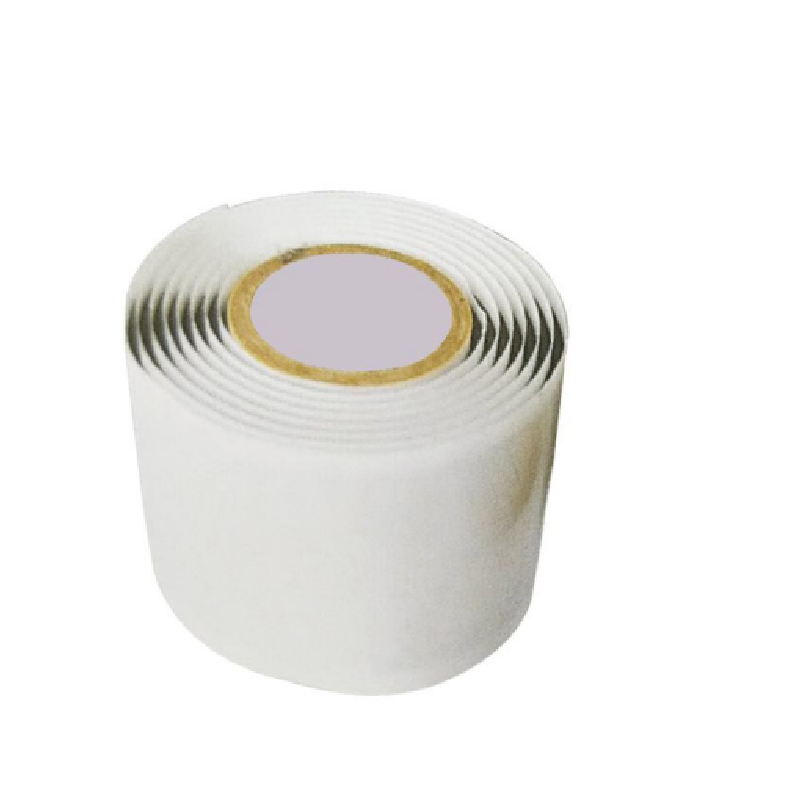
If you’ve ever tried to harden a cable bundle in a cramped riser or a dusty substation, you know the product choice matters. I’ve been touring job sites for a decade, and the one item I keep seeing—quietly doing heroic work—is fire resistance tape. The XF‑FHD‑108 from Qiangda (Anhui, China) is the one I’m reviewing today—white, halogen‑free, and, to be honest, surprisingly forgiving during installs.
Why it’s trending
Three forces are converging: stricter tunnel/rail codes, data center uptime paranoia, and a move away from corrosive halogens. Many customers say they’re standardizing on low‑smoke, halogen‑free solutions across new builds. It seems that what used to be “nice to have” is now spec language.
Product snapshot
XF‑FHD‑108 is a self‑bonding PIB‑based wrap that expands in flame to form an oxygen‑resistant char. It’s soft, elastic, and hugs odd shapes—connectors, tees, and awkward splices—without extra clips. I guess that’s why crews like it in tight cabinets.
| Product name | Low Smoke and Halogen‑free Self‑bonding Fire‑resistance Tape (Code: XF‑FHD‑108) |
| Material | Special PIB compound, halogen‑free, self‑amalgamating |
| Color | White (low‑smoke formulation) |
| Flame rating | UL94 V‑0 (reported); chars/expands under flame |
| Typical dimensions | Width ≈ 20–50 mm; thickness ≈ 0.5–1.0 mm (real‑world use may vary) |
| Environment | UV/ozone, water, oil, salt, acids/alkalis resistant |
| Service life | Around 15–25 years depending on exposure and maintenance |
| Origin | OFFICE BUILDING OF MANAGEMENT COMMITTEE OF SHIZISHAN HIGH‑TECH ZONE, TONGLING, ANHUI, CHINA |
Where it’s used
- Rail tunnels and subways; rolling stock harness protection
- Data centers and telecom rooms (white space + MMR)
- Power distribution rooms, wind turbine nacelles, offshore modules
- Hospitals, airports, public buildings where low smoke is non‑negotiable
Installation and process flow (field‑proven)
- Surface prep: dry, dust‑free cable jacket (isopropyl wipe helps).
- Wrap method: 50% overlap, moderate tension; add extra pass over connectors.
- Tie‑in: self‑amalgamation bonds layers—no extra bands needed.
- Verification: spot check thickness; label per circuit schedule.
- Testing: projects commonly reference IEC 60332‑1/3 flame, IEC 61034 smoke, IEC 60754 halogen acid gas, UL94 V‑0.
Advantages I noticed on‑site
- Strong char barrier; limits flame propagation across cable bundles.
- Thin, light; doesn’t choke heat dissipation like bulky sleeves.
- No halogens; low toxicity and low smoke for egress visibility.
- Sticks to itself; installers finish faster, fewer accessories.
Vendor snapshot (real‑world buying factors)
| Vendor | Key strengths | Certs/Tests | Lead time | Customization |
|---|---|---|---|---|
| Qiangda (XF‑FHD‑108) | Self‑bonding, low‑smoke, white color for inspection | UL94 V‑0; IEC 60332/61034/60754 reported | ≈ 2–4 weeks | Widths, roll length, private label |
| Brand A (EU) | Broad rail approvals | EN 45545‑2, IEC 61034 | ≈ 3–6 weeks | Color options |
| Brand B (US) | Extensive test data library | ASTM E84, UL 94, NFPA 130 refs | ≈ 1–3 weeks | Custom thickness |
Case notes (condensed)
Metro retrofit: 12 km of cabling in an older subway. After wrapping with fire resistance tape, the operator’s mock‑up passed IEC 60332‑3 flame spread and maintained low smoke per IEC 61034; crew liked the self‑amalgamation in cramped junction boxes.
Offshore module: For splash‑zone electrical skids, fire resistance tape showed solid oil/salt resistance over 9 months; visual checks suggested stable adhesion and no chalking under UV.
Buying tips
- Ask for recent third‑party reports (UL94, IEC 60332, 60754, 61034).
- Match wrap width to bundle OD; plan 50% overlap in material takeoff.
- For rail projects, verify EN 45545‑2 R22/R23 alignment.
Final thought: in practice, fire resistance tape succeeds when specs and install discipline meet. This model hits the right notes—low smoke, no halogens, easy wrap—without turning the cabinet into a sauna.
References
- UL 94: Tests for Flammability of Plastic Materials for Parts in Devices and Appliances
- IEC 60332‑1/‑3: Tests on electric and optical fibre cables under fire conditions
- IEC 61034‑2: Measurement of smoke density of cables burning under defined conditions
- IEC 60754‑1/‑2: Halogen acid gas and pH/conductivity from materials by combustion
- EN 45545‑2: Railway applications—Fire protection on railway vehicles
- NFPA 130: Standard for Fixed Guideway Transit and Passenger Rail Systems
-
Industrial Fire Proof Tape Guide for High Temperature ProtectionNewsApr.16,2026
-
Ultimate Guide to Fireproof Tape Protection and ApplicationsNewsApr.09,2026
-
Exploring Black Tack Butyl Applications and Benefits for Optimal SealingNewsApr.07,2026
-
Comprehensive Guide to Black Butyl Rubber Tape Applications and BenefitsNewsApr.04,2026
-
Comprehensive Guide to High Power Butyl Waterproof Tape ApplicationsNewsMar.31,2026
-
Comprehensive Guide to 360tronics Butyl Waterproof Tape for Airtight and Watertight SealsNewsMar.28,2026