
Advanced Circuit Protection: The Overload Protector with waterproof cap
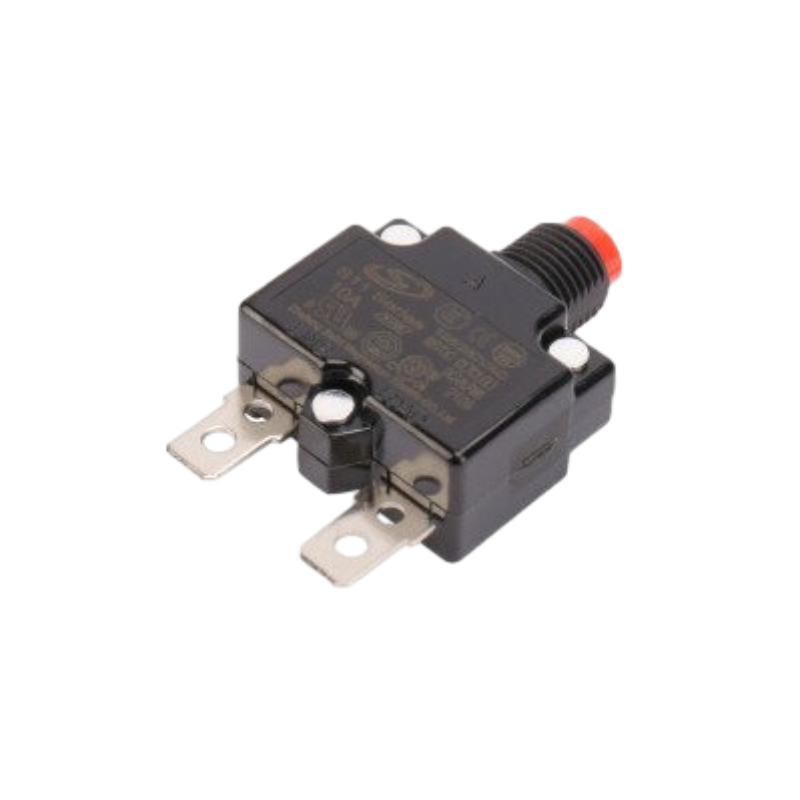
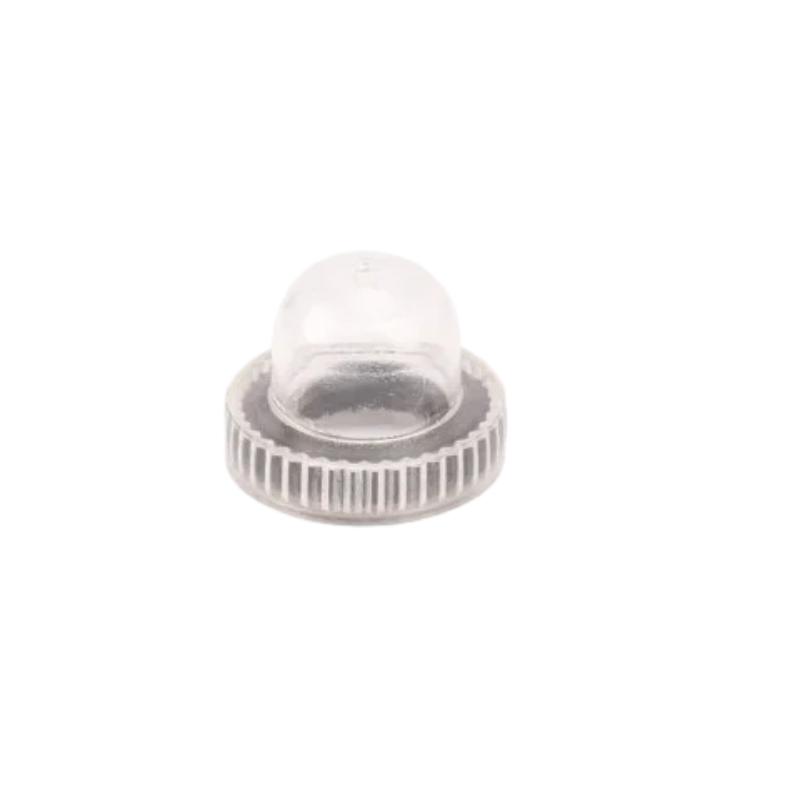
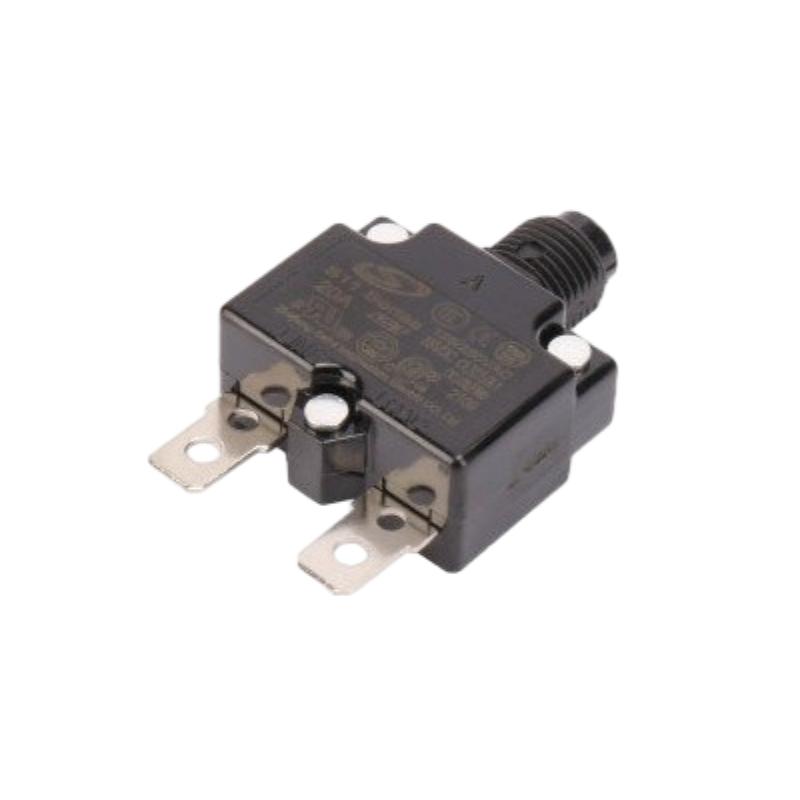
In industrial and commercial environments, the integrity and longevity of electrical systems are paramount. Protecting critical equipment from overcurrent conditions is not merely a best practice; it is a fundamental requirement for operational continuity and safety. The Overload Protector with waterproof cap represents a significant advancement in circuit protection technology, specifically engineered to withstand harsh environmental conditions while delivering reliable current interruption. This specialized component is crucial for safeguarding motors, transformers, and other inductive loads against thermal and mechanical stress caused by sustained overcurrents, preventing costly damage, unplanned downtime, and potential safety hazards. Its integrated waterproof cap ensures robust performance even in environments exposed to moisture, dust, or corrosive agents, extending the operational lifespan of both the protector and the protected equipment.
Industry Trends in Circuit Protection
The landscape of industrial electrical systems is rapidly evolving, driven by demands for increased efficiency, automation, and predictive maintenance. This shift necessitates more sophisticated and resilient circuit protection solutions. Current industry trends highlight several key areas:
- Enhanced Environmental Durability: As industrial operations expand into challenging climates and applications (e.g., offshore platforms, agricultural machinery, outdoor substations), the demand for components like the Overload Protector with waterproof cap that offer superior ingress protection (IP ratings) is soaring. Manufacturers are focusing on materials and sealing technologies that resist water, dust, chemicals, and extreme temperatures.
- Integration with Smart Systems: The rise of Industry 4.0 and the Industrial Internet of Things (IIoT) is driving the need for circuit protectors that can communicate their status. Future designs may incorporate sensors for real-time monitoring of current, temperature, and operational cycles, enabling predictive maintenance and remote diagnostics.
- Miniaturization and Higher Current Densities: Space constraints in modern control panels and equipment require more compact protection devices capable of handling increasingly higher current loads without compromising performance or thermal management.
- Sustainability and Material Innovation: There's a growing emphasis on using recyclable materials, reducing energy consumption in manufacturing, and extending product service life. Innovations in non-toxic and high-performance polymers for components like the waterproof cap are becoming critical.
- Global Compliance and Standardization: With global supply chains and operations, adherence to international standards such as IEC, UL, CSA, and CE is non-negotiable, ensuring safety, interoperability, and market access.
These trends underscore the importance of robust, intelligent, and environmentally adaptive solutions, placing the Overload Protector with waterproof cap at the forefront of modern industrial requirements.
Technical Specifications and Parameters
The performance of an overload protector is defined by its precise technical specifications, which dictate its suitability for specific applications. The Overload Protector with waterproof cap is designed with a comprehensive set of parameters to ensure optimal protection and operational reliability.
Typical Product Specifications
| Parameter | Value/Description |
|---|---|
| Rated Current Range | 0.5 A to 30 A (configurable) |
| Rated Voltage | AC 125/250V, DC 50V |
| Interrupting Capacity | 1,000 A @ 125VAC; 200 A @ 250VAC |
| Trip Time (at 200% overload) | 5-30 seconds (depends on rating) |
| Dielectric Strength | 1500 VAC / 1 minute |
| Insulation Resistance | >100 MΩ @ 500VDC |
| Operating Temperature Range | -10°C to +60°C |
| Waterproof Rating | IP67 (with waterproof cap installed) |
| Mechanical Life | >10,000 operations |
| Terminal Type | Quick connect, Screw terminals (variant-dependent) |
| Compliance | UL, CSA, TUV, RoHS Compliant |
These specifications underscore the protector's ability to operate reliably in diverse and demanding environments, providing precise thermal overload protection for a wide array of electrical equipment. The IP67 rating, specifically achieved through the integrated waterproof cap, is a critical feature for applications where exposure to water and dust is unavoidable.
Application Scenarios and Technical Advantages
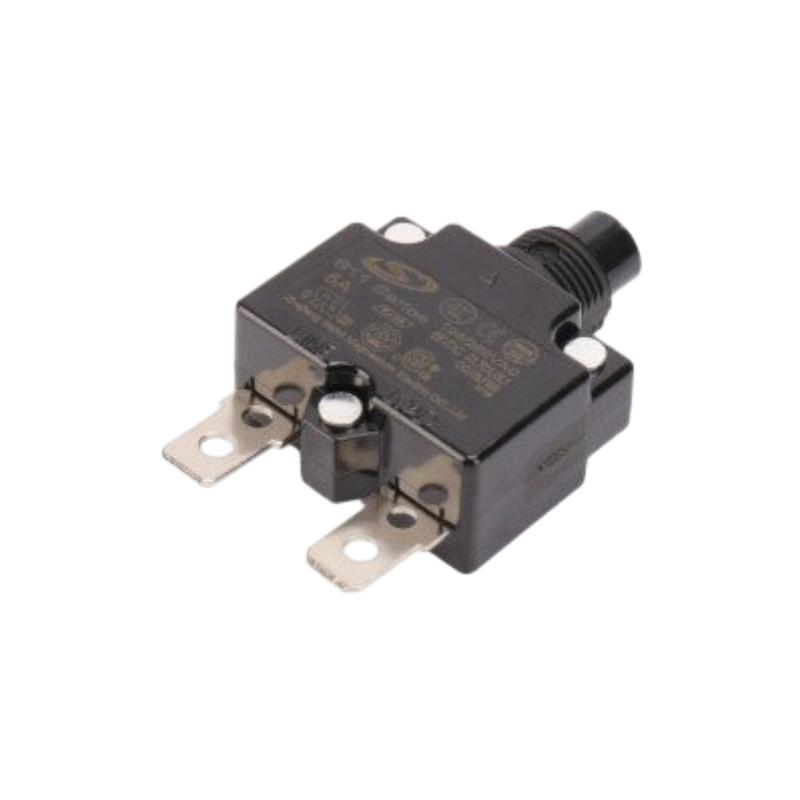
The versatility and robust design of the Overload Protector with waterproof cap make it indispensable across numerous B2B sectors. Its ability to provide reliable circuit protection while enduring challenging environmental conditions translates into significant technical and operational advantages.
Target Industries:
- Petrochemical: Protecting pumps, motors, and control systems in hazardous and corrosive environments.
- Metallurgy: Safeguarding heavy-duty machinery, conveyor systems, and process equipment from overcurrents amidst dust and high temperatures.
- Water Supply & Drainage: Essential for submersible pumps, wastewater treatment plants, and irrigation systems where constant moisture exposure is a factor.
- Marine & Offshore: Crucial for electrical systems on vessels, platforms, and port equipment requiring salt-fog and water resistance.
- Renewable Energy (Solar, Wind): Protecting inverters, charge controllers, and motor drives in outdoor and exposed installations.
- Outdoor & Recreational Equipment: Used in generators, power washers, and heavy-duty outdoor tools, ensuring safety and durability.
Demonstrated Advantages in Typical Scenarios:
- Energy Saving: By preventing motor burnout due to sustained overcurrents, the protector ensures equipment operates within optimal parameters, avoiding inefficient performance and premature replacement costs.
- Corrosion Resistance: The robust materials and waterproof cap ensure long-term functionality in highly corrosive atmospheres, significantly extending service life compared to standard unprotected devices. This is particularly vital in coastal areas or chemical processing plants.
- Reduced Downtime: Rapid and reliable tripping action upon overload prevents catastrophic equipment failure, allowing for quick reset (manual or automatic, depending on model) and minimizing production interruptions.
- Enhanced Safety: By consistently breaking the circuit under fault conditions, it protects personnel from electrical hazards and prevents potential fires or explosions, especially in critical industrial settings.
- Cost-Effectiveness: The extended service life, reduced maintenance, and prevention of expensive equipment damage offer a superior total cost of ownership (TCO) compared to less durable alternatives.
- Operational Reliability: The precise thermal tripping mechanism is less susceptible to nuisance tripping from momentary inrush currents, ensuring stable operation while still providing critical protection.
Manufacturing Process Flow
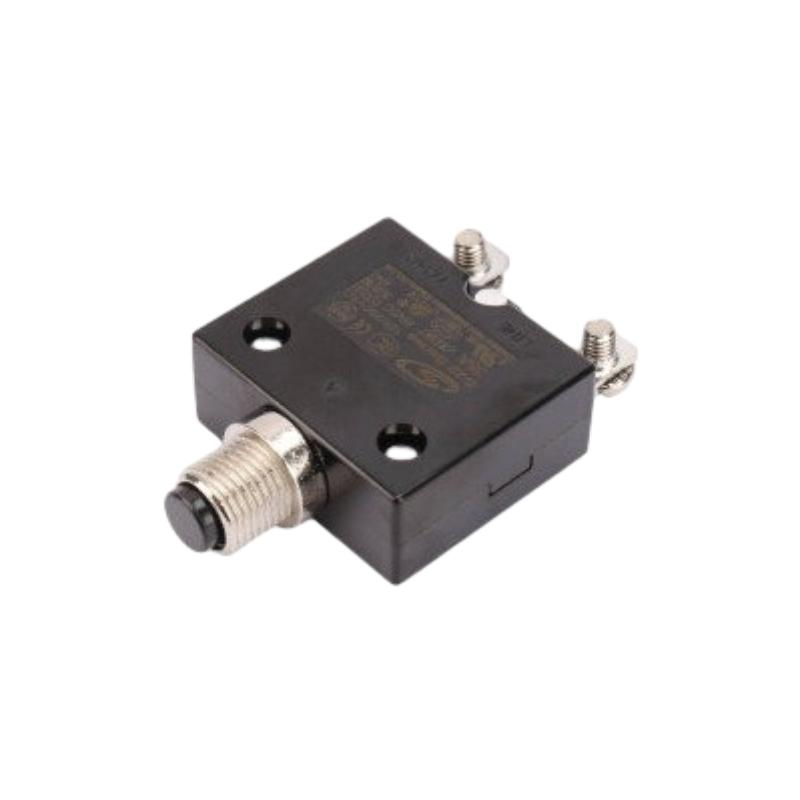
The production of a high-quality Overload Protector with waterproof cap involves a meticulously controlled manufacturing process, leveraging advanced techniques and stringent quality assurance protocols to ensure product reliability and performance.
Process Steps:
- Material Sourcing & Inspection: High-grade raw materials are selected, including specialized plastics (e.g., thermoset resins, UV-stabilized polycarbonate) for the housing and waterproof cap, bimetallic strips (e.g., nickel-chromium alloys) for the thermal tripping mechanism, and conductive alloys (e.g., copper-silver) for electrical contacts. Incoming materials undergo rigorous inspection for chemical composition, mechanical properties, and purity, adhering to ISO 9001 quality standards.
-
Component Manufacturing:
- Housing and Cap Molding: Precision injection molding or compression molding is used to create the protector's body and the waterproof cap. This process ensures dimensional accuracy and optimal material density for structural integrity and environmental sealing. The cap material is often silicone or a specialized elastomer, chosen for its flexibility, UV resistance, and chemical inertness.
- Bimetallic Strip Fabrication: Bimetallic strips are precision-formed through rolling and cutting processes, followed by heat treatment to ensure consistent thermal expansion characteristics essential for accurate tripping.
- Contact Assembly: Electrical contacts are forged or stamped from high-conductivity alloys, then silver-plated for low resistance and superior arc quenching capabilities. Automated machinery ensures precise attachment to carriers.
- Terminal Machining: Terminals (e.g., quick-connect spades, screw terminals) are typically manufactured via CNC machining or stamping from brass or copper, ensuring precise dimensions and robust connection points.
- Assembly and Integration: Components are assembled in a cleanroom environment to prevent contamination. Automated assembly lines ensure consistent placement of the bimetallic strip, contacts, spring mechanisms, and reset button within the housing. The waterproof cap is then mechanically or adhesively sealed onto the reset mechanism, forming a hermetic barrier.
- Calibration: Each protector undergoes individual calibration to ensure the bimetallic strip trips at its specified current rating within the defined time tolerance. This is achieved by passing a precisely controlled overload current through the device and adjusting the mechanism.
-
Rigorous Testing Standards:
- Electrical Performance: Tests include dielectric strength, insulation resistance (per ANSI/UL standards), contact resistance, and precise trip current/time verification.
- Environmental Testing: This is critical for the Overload Protector with waterproof cap. Tests include IP67 water and dust ingress protection tests (e.g., IEC 60529), salt fog resistance (ASTM B117), thermal shock, and vibration testing to simulate real-world conditions.
- Mechanical Endurance: Repeated operation cycles (e.g., 10,000+ cycles) are performed to verify the mechanical life of the reset mechanism and contacts.
- Short-Circuit Capacity: Devices are tested at their maximum interrupting capacity to confirm they can safely break high fault currents.
- Final Inspection & Packaging: Each finished product undergoes a final visual and functional inspection before being packaged with protective materials to prevent damage during transit. Traceability data is recorded for each batch.
This comprehensive process ensures that every Overload Protector with waterproof cap not only meets but often exceeds industry benchmarks for safety, reliability, and longevity, typically offering a service life exceeding 10 years under normal operating conditions.
Vendor Comparison and Selection Criteria
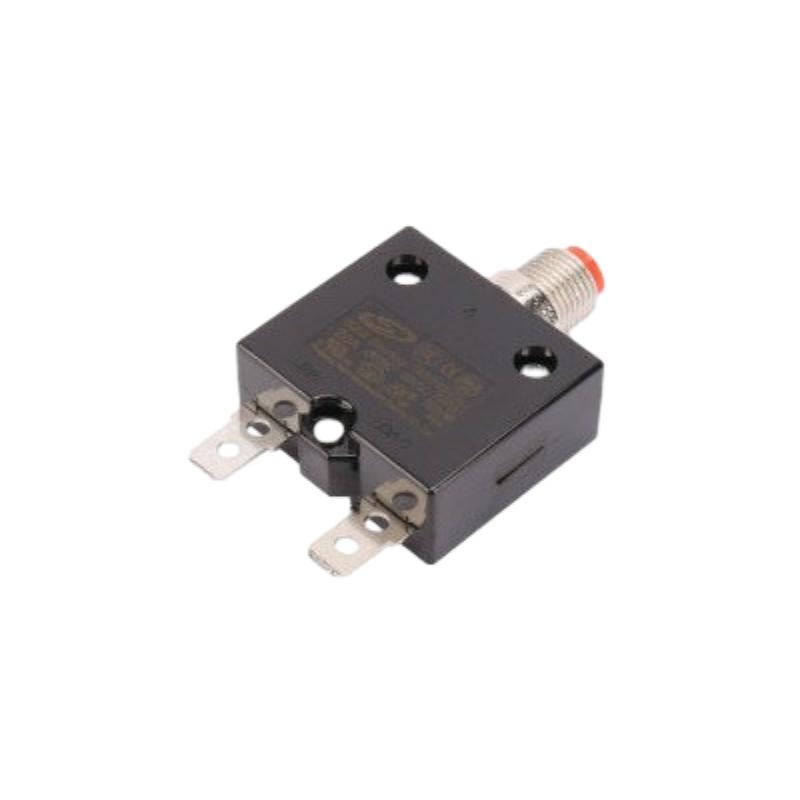
Choosing the right supplier for critical components like the Overload Protector with waterproof cap involves a thorough evaluation beyond mere price. Industrial buyers and engineers prioritize a blend of quality, reliability, technical support, and the ability to meet specific application requirements. Here’s a framework for comparison:
Key Comparison Factors:
| Criterion | High-Quality Vendor Profile | Typical Lower-Tier Vendor Profile |
|---|---|---|
| Product Quality & Reliability | ISO 9001 certified. Robust materials (UV-stabilized plastics, high-grade bimetallic elements, silver-alloy contacts). Consistent IP67 performance, verified through independent lab testing. Low field failure rates. | May lack formal quality certifications. Uses standard, less durable plastics. Inconsistent IP rating, prone to leakage. Higher susceptibility to environmental degradation and premature failure. |
| Compliance & Certifications | UL, CSA, TUV, CE, RoHS, REACH compliance. Provides detailed certification documentation and test reports. | May only meet basic or local standards. Documentation may be incomplete or difficult to verify. Risk of non-compliance in target markets. |
| Technical Support & Expertise | Dedicated engineering support, application specialists, rapid response to technical inquiries. Offers design-in assistance and custom solution development. | Limited technical assistance, often only sales-focused. Difficulty in addressing complex application challenges or custom requests. |
| Customization Capabilities | Offers a wide range of current ratings, mounting options, terminal types, and cap colors/materials. Flexible for specific OEM requirements. | Limited standard configurations only. Minimal to no flexibility for specific customer needs. |
| Lead Time & Fulfillment | Transparent lead times, reliable on-time delivery. Robust supply chain management. Flexible inventory solutions. | Inconsistent delivery, potential for delays due to weak supply chain or production issues. |
| Warranty & After-Sales | Comprehensive warranty (e.g., 2-5 years). Clear RMA process, dedicated customer service, and replacement policies. | Short or unclear warranty terms. Difficult or slow after-sales support. |
Choosing a vendor with a strong profile in these areas ensures not only product performance but also long-term partnership value, critical for sustained industrial operations. Companies with decades of experience in circuit protection and a proven track record of authoritative certifications (e.g., ISO, FDA, if applicable for related products) and test data will naturally instill greater trustworthiness.
Customized Solutions
While standard Overload Protector with waterproof cap models cater to a broad range of applications, many B2B clients require highly specific configurations to integrate seamlessly into their unique equipment designs or meet extraordinary environmental demands. A leading manufacturer understands these nuances and offers extensive customization capabilities.
Customization options can include:
- Specific Current Ratings: Fine-tuned trip currents to match exact motor characteristics or load profiles, optimizing protection without nuisance tripping.
- Mounting Configurations: Development of custom mounting brackets, panel cutouts, or alternative terminal layouts (e.g., quick-connect, solder lugs, screw terminals) to fit specific enclosure designs.
- Waterproof Cap Materials & Colors: Selection of cap materials for enhanced chemical resistance (e.g., Viton for aggressive chemicals) or UV stability, alongside color-coding for visual identification in complex systems.
- Integrated Features: Customization to include auxiliary contacts for remote signaling, integrated indicator lights, or specific wire harnesses for plug-and-play installation.
- Performance Characteristics: Adjustments to trip time-delay curves to accommodate high inrush currents without sacrificing ultimate overload protection.
Engaging with a manufacturer that possesses strong R&D capabilities and a collaborative engineering approach ensures that these specialized requirements are met with precision and efficiency, translating into tailored solutions that enhance equipment performance and reliability.
Application Case Studies
Real-world implementations demonstrate the tangible benefits of deploying the Overload Protector with waterproof cap.
Case Study 1: Municipal Water Pumping Station
A municipal water pumping station in a humid, coastal region faced frequent failures of motor protection devices due to corrosion and moisture ingress, leading to costly pump downtime and increased maintenance. After migrating to Overload Protector with waterproof cap units with an IP67 rating and specialized anti-corrosion materials, the facility reported a 70% reduction in electrical component failures over 18 months. The units reliably protected the submersible pump motors from overcurrents caused by pipe blockages or motor bearing issues, while enduring the harsh, saline air and spray. The rapid reset capability also minimized service interruption, improving the overall efficiency of water distribution.
Case Study 2: Agricultural Irrigation System
A large-scale agricultural operation utilizing automated irrigation systems across vast fields required robust protection for its numerous pump motors. The previous protectors were prone to failure from dust accumulation and incidental water spray during operation. Implementing the Overload Protector with waterproof cap resulted in zero reported protection device failures over two growing seasons. The integral waterproof cap effectively sealed the sensitive internal components from environmental contaminants, ensuring consistent operation of the irrigation pumps even under dusty conditions and direct spray from sprinklers. This led to uninterrupted water supply, preventing crop loss and significantly reducing maintenance labor.

Frequently Asked Questions (FAQ)
- Q1: What is the primary benefit of the waterproof cap?
- A1: The waterproof cap provides enhanced ingress protection, typically achieving an IP67 rating when installed correctly. This prevents moisture, dust, and corrosive particles from entering the reset mechanism and internal circuitry, significantly extending the protector's service life and ensuring reliable operation in harsh outdoor or industrial environments.
- Q2: How does a thermal overload protector work?
- A2: Thermal overload protectors utilize a bimetallic strip that heats up as current flows through it. If the current exceeds the rated value for a sustained period, the bimetallic strip bends due to differential thermal expansion, triggering a mechanical mechanism to open the circuit and interrupt the current flow. This protects the equipment from overheating and damage.
- Q3: What are the typical lead times for these protectors?
- A3: For standard configurations, lead times typically range from 2 to 4 weeks, depending on order volume and current production schedules. Custom solutions or large-volume orders may require 6 to 8 weeks. We maintain a transparent communication policy regarding lead times and fulfillment status, especially for our established partner clients.
- Q4: What kind of warranty is offered?
- A4: We offer a comprehensive 3-year warranty on our Overload Protector with waterproof cap against manufacturing defects and material failures under normal operating conditions. This commitment reflects our confidence in the product's quality and durability. Details of the warranty policy are available upon request.
- Q5: What after-sales support is available?
- A5: Our dedicated customer support team and technical engineers are available to assist with any post-purchase inquiries, troubleshooting, or application guidance. We provide detailed installation instructions, wiring diagrams, and troubleshooting guides. For complex issues, on-site technical assistance can be arranged, ensuring complete client satisfaction and operational continuity.
Conclusion
The Overload Protector with waterproof cap stands as a testament to advanced circuit protection engineering, meticulously designed to meet the rigorous demands of modern industrial applications. Its combination of precise thermal protection, exceptional environmental durability, and adherence to global standards makes it an indispensable component for safeguarding valuable electrical assets. From preventing costly downtime in petrochemical plants to ensuring continuous operation of vital water infrastructure, its robust design and reliable performance deliver significant operational efficiency and safety benefits. For B2B decision-makers and engineers, investing in this superior protection technology translates directly into enhanced system reliability, reduced maintenance expenditures, and ultimately, a lower total cost of ownership. Partner with a manufacturer committed to quality, innovation, and unparalleled technical support to integrate these advanced solutions into your critical systems.
References
- IEC 60529: Degrees of protection provided by enclosures (IP Code). International Electrotechnical Commission.
- UL 1077: Standard for Supplementary Protectors for Use in Electrical Equipment. Underwriters Laboratories.
- ISO 9001: Quality management systems – Requirements. International Organization for Standardization.
- ASTM B117: Standard Practice for Operating Salt Spray (Fog) Apparatus. ASTM International.
- NEMA ICS 2: Industrial Control and Systems: Controllers, Contactors and Overload Relays. National Electrical Manufacturers Association.
-
Industrial Fire Proof Tape Guide for High Temperature ProtectionNewsApr.16,2026
-
Ultimate Guide to Fireproof Tape Protection and ApplicationsNewsApr.09,2026
-
Exploring Black Tack Butyl Applications and Benefits for Optimal SealingNewsApr.07,2026
-
Comprehensive Guide to Black Butyl Rubber Tape Applications and BenefitsNewsApr.04,2026
-
Comprehensive Guide to High Power Butyl Waterproof Tape ApplicationsNewsMar.31,2026
-
Comprehensive Guide to 360tronics Butyl Waterproof Tape for Airtight and Watertight SealsNewsMar.28,2026