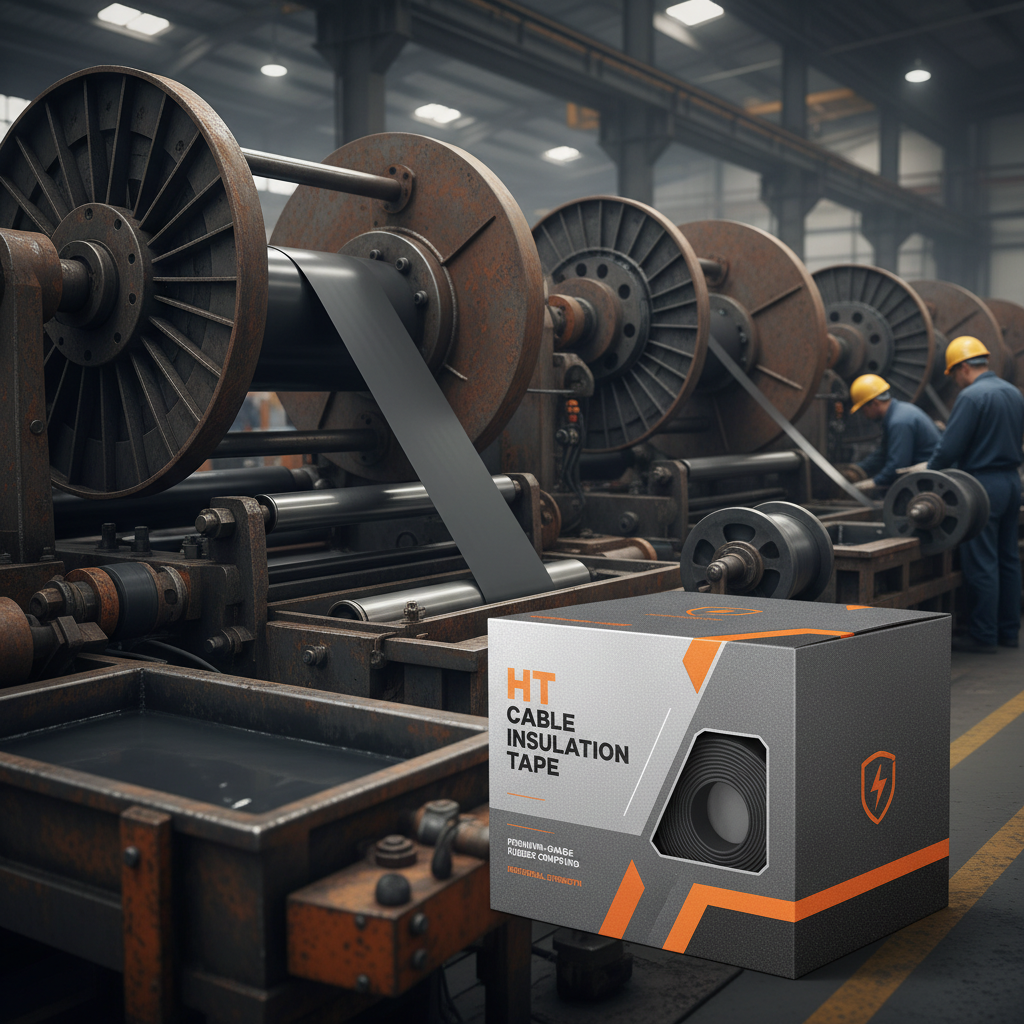
Ensuring the stability of high-voltage power grids requires specialized materials that can withstand extreme electrical stress and environmental degradation. The use of ht cable insulation tape has become a global standard for electrical engineers and utility providers who need to prevent flashovers and ensure long-term dielectric strength in complex cabling systems.
Across the globe, the push toward smart grids and renewable energy integration has increased the load on existing infrastructure, making the quality of insulation more critical than ever. Without high-performance ht cable insulation tape, the risk of catastrophic failure in high-tension lines increases, leading to costly downtime and significant safety hazards for technicians and the general public.
Understanding the technical nuances of these insulation materials allows companies to optimize their maintenance cycles and reduce the Total Cost of Ownership (TCO) for their electrical assets. By leveraging advanced polymer science and precise application methods, ht cable insulation tape provides a reliable barrier against moisture, chemicals, and electrical leakage in the most demanding industrial environments.
Global Relevance of HT Cable Insulation Tape
In the current era of rapid urbanization and industrial expansion, the demand for stable high-voltage power transmission is at an all-time high. According to standards aligned with ISO and IEC, the integrity of cable joints and terminations is the most frequent point of failure in electrical networks. High-tension (HT) ht cable insulation tape serves as the primary defense mechanism, ensuring that high-voltage currents remain contained and do not leak into the surrounding environment.
The global shift toward sustainable energy, including the deployment of massive wind and solar farms, requires the transmission of power over vast distances using high-tension cables. This transition has highlighted the necessity for materials that can withstand fluctuating thermal loads and varying atmospheric pressures. By employing high-grade ht cable insulation tape, utility companies can significantly reduce the frequency of unplanned outages and enhance the resilience of national power grids.
Defining HT Cable Insulation Tape and Its Role
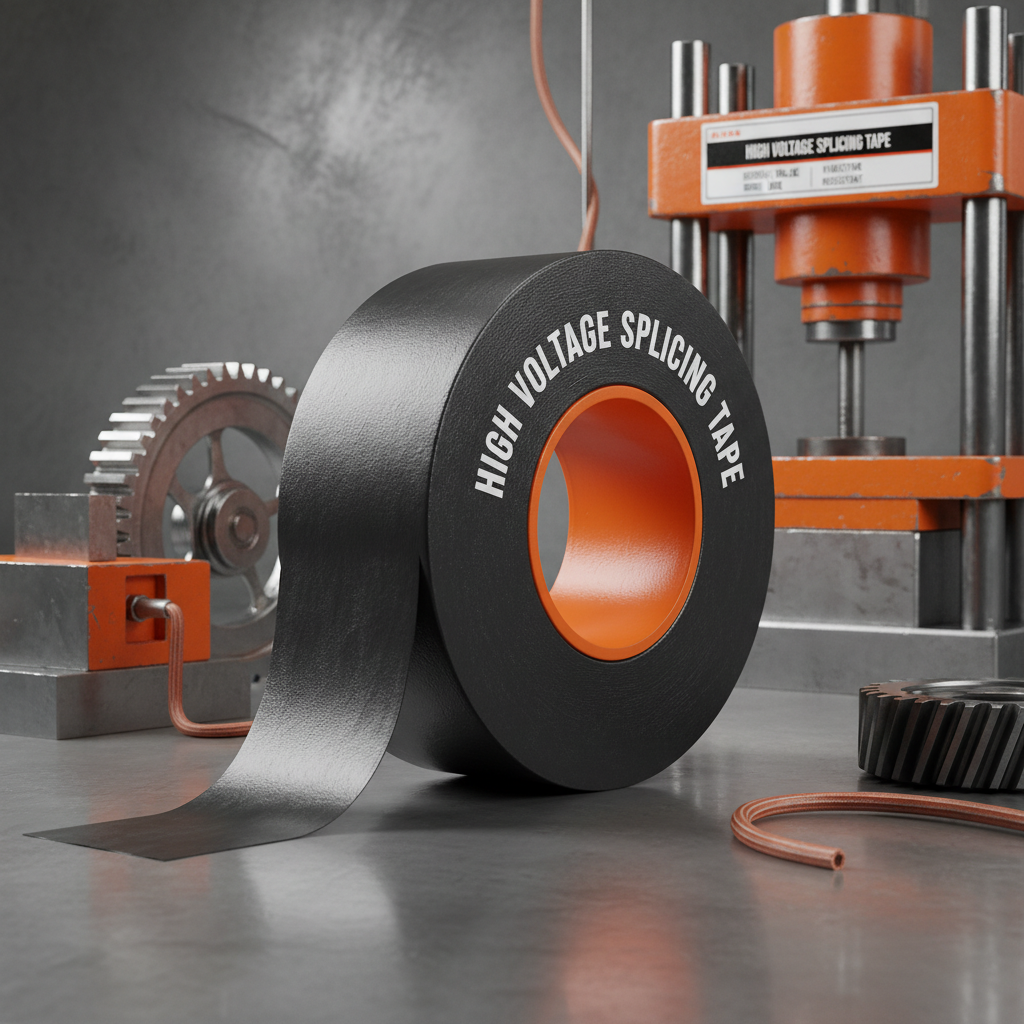
At its core, ht cable insulation tape is a specialized elastomeric or polymer-based wrapping material designed specifically for high-voltage applications. Unlike standard PVC electrical tapes used in residential wiring, HT tapes are engineered with superior dielectric strength, meaning they can withstand much higher electrical pressures without breaking down. They are often self-amalgamating or fusing, creating a seamless, waterproof barrier that eliminates the gaps where electrical tracking typically begins.
The primary role of this material is to manage electrical stress at critical points, such as cable splices, joints, and terminations. In high-voltage environments, electricity tends to concentrate at edges or uneven surfaces, which can lead to "corona discharge" or partial discharge. By applying ht cable insulation tape, technicians can smooth out these electrical gradients, effectively redistributing the stress and preventing the insulation from failing prematurely.
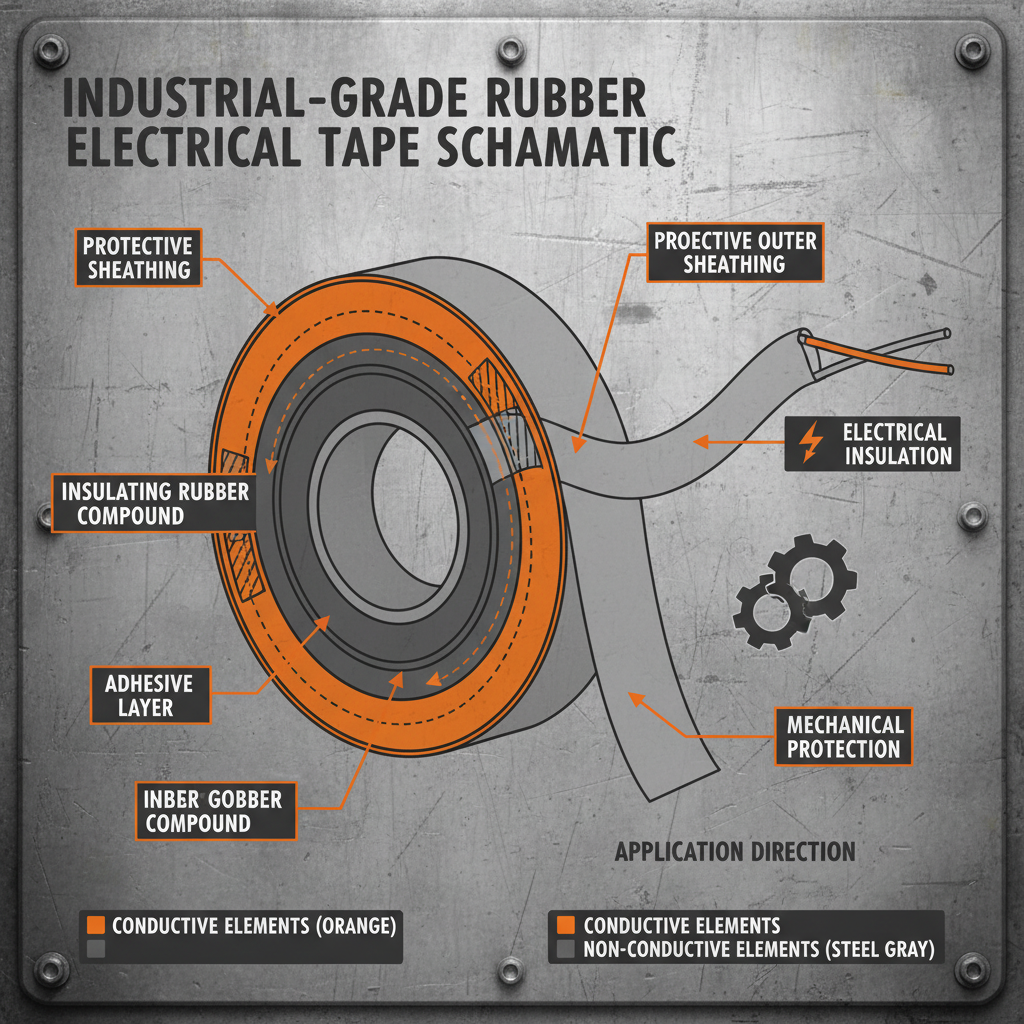
Beyond simple electrical insulation, these tapes provide essential mechanical protection and environmental sealing. They protect the inner conductors from moisture ingress, chemical corrosion, and physical abrasion. This multi-functional approach is vital for humanitarian and infrastructure projects in remote areas, where maintenance access is limited and the reliability of the power supply can be a matter of critical safety and survival.
Core Technical Components of High-Tension Tapes
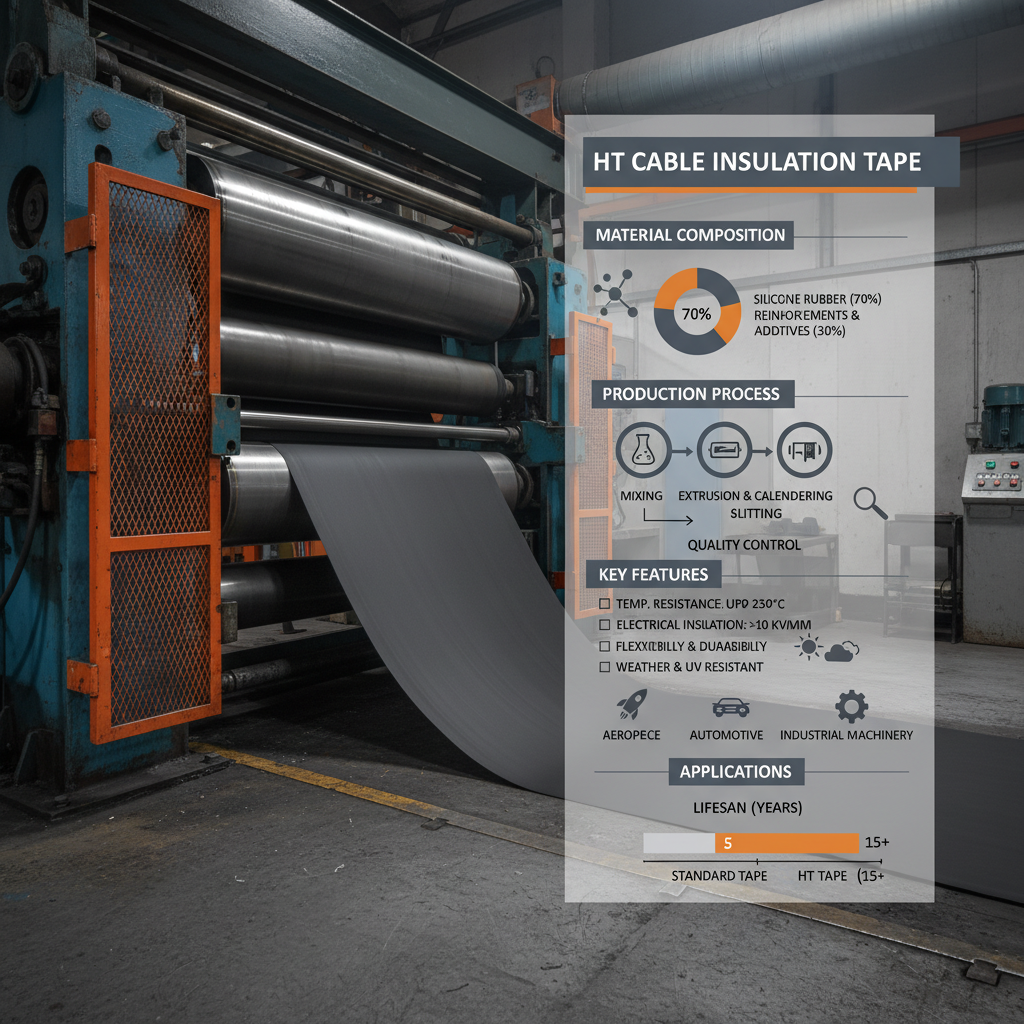
The effectiveness of ht cable insulation tape is determined by its material composition, typically featuring Ethylene Propylene Rubber (EPR) or high-grade silicone. These materials are chosen for their exceptional stability across a wide temperature range, ensuring that the tape does not become brittle in freezing climates or melt under the high thermal loads generated by heavy current flow.
Another critical factor is the "fusing" or "self-amalgamating" property of ht cable insulation tape. When wrapped with a specific overlap, the tape chemically bonds to itself, creating a monolithic layer of insulation. This eliminates the need for adhesives that could degrade over time and ensures a completely airtight and watertight seal, which is essential for cables buried underground or submerged in water.
Dielectric strength and resistance to "tracking" are the final pillars of these materials. Tracking occurs when a conductive path is formed on the surface of the insulation due to contamination or moisture. High-quality ht cable insulation tape is formulated with hydrophobic properties that repel water and contaminants, preventing the formation of these dangerous conductive paths and extending the lifespan of the cable installation.
Practical Performance Metrics for Insulation Efficiency
Evaluating the performance of ht cable insulation tape requires a look at specific KPIs such as breakdown voltage, elongation at break, and thermal conductivity. High elongation allows the tape to stretch and conform perfectly to the irregular shapes of cable joints, ensuring there are no air pockets—which are the primary sites for partial discharge in high-voltage systems.
When comparing different application methods, it is clear that the overlap ratio and tension during application directly impact the final insulation rating. A properly applied wrap creates a synergy between the material's inherent dielectric strength and the physical density of the layer, resulting in a system that can operate reliably for decades.
Comparative Performance of HT Cable Insulation Tape Variants
Global Applications and Industrial Use Cases
The versatility of ht cable insulation tape makes it indispensable across various heavy industries. In the mining sector, where cables are subjected to extreme mechanical stress, abrasion, and acidic groundwater, these tapes provide a ruggedized layer of protection that prevents short circuits in critical hauling and ventilation systems. Similarly, in the oil and gas industry, the tape's resistance to hydrocarbons ensures that power delivery to offshore platforms remains uninterrupted despite the harsh saline environment.
In urban infrastructure, particularly in the tunnels of major subway systems or the conduits of high-density city centers, ht cable insulation tape is used to secure joints in medium-to-high voltage distribution lines. In these confined spaces, where a single electrical fire could be catastrophic, the flame-retardant properties of specialized HT tapes provide an essential layer of safety, preventing the spread of fire through the cabling network.
Long-term Value and Safety Advantages
Investing in premium ht cable insulation tape translates directly into lower operational risks. The logical advantage is clear: the cost of a high-quality tape is negligible compared to the cost of a single high-voltage failure, which can include not only the repair costs but also the loss of production and potential legal liabilities. Reliability in insulation builds trust with stakeholders and ensures that the infrastructure can support growth without requiring constant, expensive overhauls.
From a safety perspective, the use of certified ht cable insulation tape protects the dignity and life of the electrical worker. By providing a robust barrier against accidental contact and preventing arc flashes, these materials reduce the risk of workplace injuries. The peace of mind that comes from knowing a joint is sealed with a professional-grade, self-fusing material is an emotional value that cannot be overlooked in high-risk environments.
Furthermore, the sustainability angle is becoming increasingly important. Durable insulation means fewer replacements and less material waste over the lifecycle of the power grid. By extending the mean time between failures (MTBF), ht cable insulation tape supports a more sustainable approach to industrial maintenance, aligning with global goals to reduce the environmental footprint of the energy sector.
Future Innovations in Insulation Materials
The future of ht cable insulation tape is being shaped by the integration of nanotechnology and "smart" materials. Researchers are currently developing tapes embedded with conductive nano-particles that can detect the onset of partial discharge or overheating. This would transform the tape from a passive barrier into an active sensor, allowing utility companies to predict a failure before it happens through real-time monitoring.
Sustainability is also driving the development of bio-based polymers for ht cable insulation tape. The goal is to maintain the rigorous dielectric and thermal properties of EPR and silicone while utilizing renewable raw materials. This shift toward "Green Insulation" will be critical as governments mandate stricter environmental standards for the manufacturing of rubber and plastic products in the energy sector.
Additionally, the rise of automation and robotic application is changing how these tapes are installed. Precise, machine-applied wraps ensure perfect tension and overlap, eliminating the human error that often leads to insulation voids. As the digital transformation of the grid continues, the synergy between advanced materials and automated deployment will redefine the standards for high-voltage cable reliability.
Analysis of HT Cable Insulation Tape Material Performance and Application
| Material Type |
Dielectric Strength |
Environmental Resistance |
Installation Complexity |
| Self-Amalgamating EPR |
Very High (9/10) |
Excellent Moisture Proof |
Moderate (Requires Stretch) |
| High-Temp Silicone |
High (8/10) |
Superior Heat Resistance |
Easy (Highly Flexible) |
| Heavy-Duty PVC HT |
Medium (6/10) |
Good Chemical Resistance |
Very Easy (Adhesive) |
| Butyl Rubber Composite |
High (8/10) |
Maximum Airtight Seal |
Moderate (Tacky) |
| Nano-Enhanced Polymer |
Ultra High (10/10) |
Extreme Weather Ready |
Complex (Special Tools) |
| Fluoropolymer Wrap |
High (7/10) |
Total Acid Resistance |
Moderate (Heat Shrink) |
FAQS
The primary difference lies in the dielectric strength and material composition. Standard tapes are usually basic PVC designed for low-voltage home electronics. In contrast, ht cable insulation tape is engineered from EPR or silicone, designed to withstand thousands of volts, resist tracking, and often feature self-fusing properties to create a waterproof, monolithic seal that standard tapes cannot achieve.
To achieve a professional seal, the tape should be applied with a consistent overlap (typically 50%) and stretched to its recommended elongation percentage. This tension activates the self-amalgamating process, allowing the layers to fuse chemically. It is also critical to ensure the cable surface is clean and free of oil or dust before application to avoid creating air pockets.
Yes, specifically the self-fusing and butyl-based versions of ht cable insulation tape are designed for waterproof applications. Because they bond to themselves to create a seamless barrier, they effectively prevent water ingress into cable joints, making them ideal for underground conduits and submerged power lines, provided they are used in conjunction with appropriate outer jackets.
Electrical tracking is the formation of a conductive carbon path on the surface of an insulator, usually caused by moisture and contamination. ht cable insulation tape prevents this by using hydrophobic materials that repel water and contaminants. The smooth, fused surface also eliminates crevices where pollutants can accumulate, significantly reducing the risk of surface flashovers.
When installed correctly according to industry standards, high-quality ht cable insulation tape can last 20 to 30 years. Its lifespan depends on the environmental exposure; however, its resistance to UV radiation, ozone, and extreme temperatures ensures that it maintains its dielectric properties far longer than conventional adhesive-based tapes.
Because self-fusing ht cable insulation tape creates a chemical bond, it cannot be "unwrapped" like standard tape. It must be carefully cut away using a utility knife. Due to the monolithic nature of the bond, once the tape is removed, the joint must be cleaned and completely re-wrapped with new material to restore the original insulation integrity.
Conclusion
The role of ht cable insulation tape extends far beyond simple wrapping; it is a critical component of global energy security and industrial safety. From its superior dielectric strength and self-fusing capabilities to its ability to withstand the harshest environments on Earth, this material ensures that our high-voltage infrastructure remains stable and efficient. By focusing on the technical synergy of material science and precise application, industries can virtually eliminate the risk of catastrophic insulation failure.
As we look toward a future of smarter grids and greener energy, the continuous innovation in insulation materials will be the catalyst for more resilient power systems. We encourage engineers and procurement specialists to prioritize certified, high-performance materials to safeguard their assets and personnel. For more information on industry-leading insulation solutions, visit our website: www.qiangdatape.com.