
Advancing Electrical Infrastructure with High-Performance Self-Amalgamating Tapes
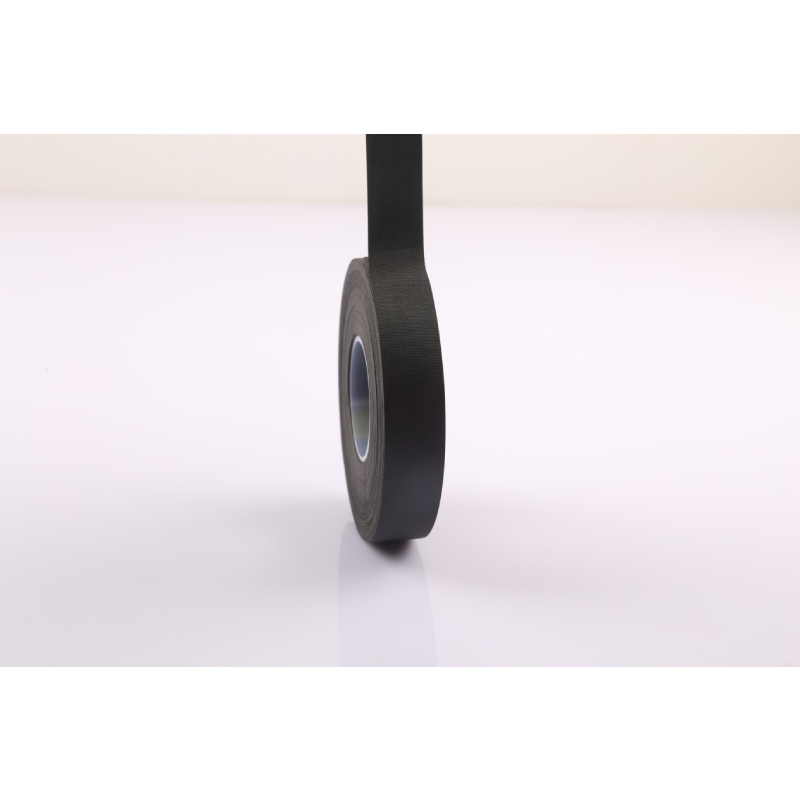
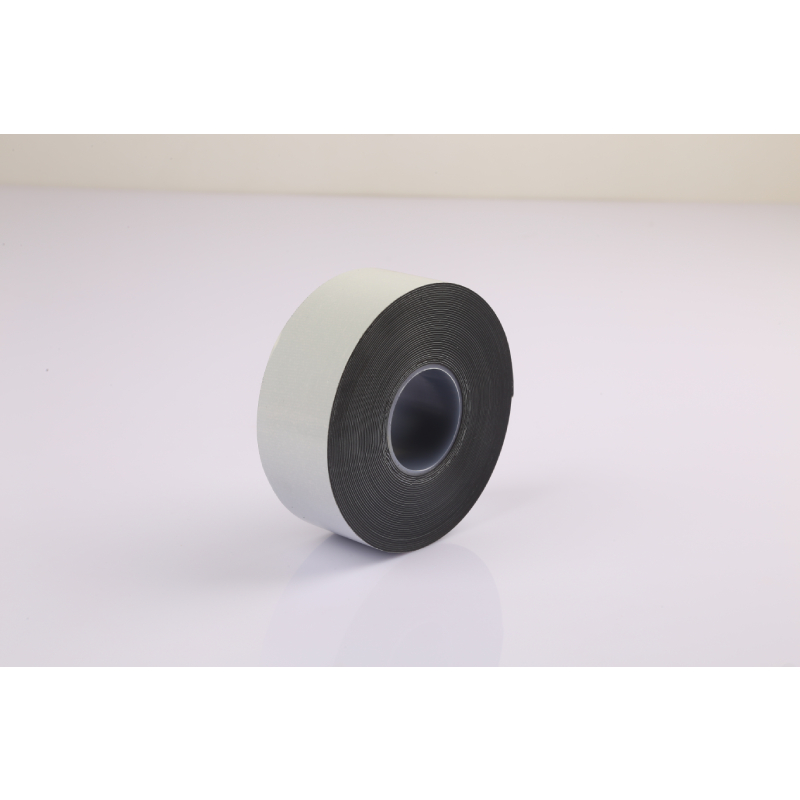
In the intricate world of modern electrical infrastructure, ensuring robust and reliable insulation and sealing for medium voltage applications is paramount. This necessitates the use of specialized materials engineered to withstand demanding operational conditions. Among these, medium voltage fusion tape stands out as a critical component, offering superior electrical performance, environmental protection, and long-term durability. Often referred to as self-amalgamating tape or high-voltage splicing tape, this product category plays a pivotal role in maintaining the integrity and safety of electrical systems globally. Its unique self-fusing properties distinguish it from conventional rubber tape electrical solutions, making it indispensable for high-stakes installations and repairs.
The demand for advanced insulation materials is continuously driven by industry trends such as grid modernization, renewable energy integration, and the expansion of industrial infrastructure. As electrical systems become more complex and operate at higher capacities, the need for tapes that offer exceptional dielectric strength, moisture resistance, and thermal stability becomes even more pronounced. This article delves into the technical intricacies, application benefits, and strategic considerations surrounding this essential electrical accessory.
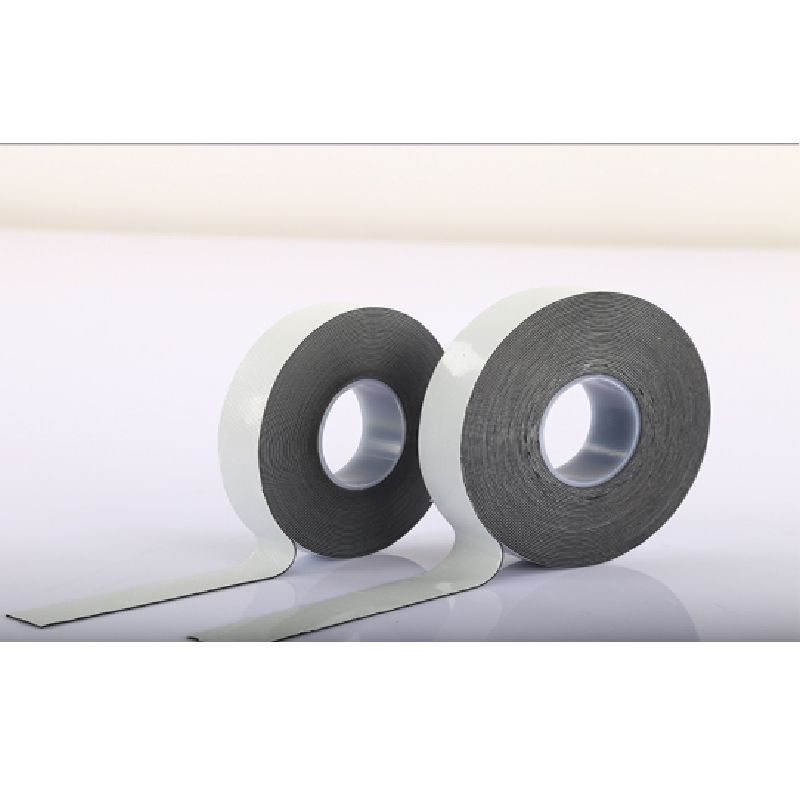
The Advanced Manufacturing Process of Medium Voltage Fusion Tape
The production of high-quality medium voltage fusion tape is a sophisticated process, demanding precision and stringent quality control at every stage. Unlike traditional tapes, the self-amalgamating nature requires careful formulation and manufacturing techniques to ensure optimal performance. The primary materials used are typically ethylene propylene rubber (EPR) or butyl rubber compounds, often blended with specific tackifiers and curing agents to achieve the desired self-fusing properties and electrical characteristics.
Manufacturing Process Flow:
- Material Compounding: High-grade EPR or butyl rubber is mixed with various additives, including cross-linking agents, antioxidants, and fillers, in a controlled environment. This stage is crucial for achieving the tape's specific electrical and mechanical properties.
- Milling/Calendering: The compounded rubber mixture is then processed through specialized calendering machines. This involves passing the material through a series of heated rollers to form it into a thin, uniform sheet of precise thickness. This process is critical for ensuring consistent tape dimensions and properties.
- Lining and Curing: A release liner is typically applied to prevent the tape from sticking to itself before application. The tape then undergoes a curing or vulcanization process, which enhances its physical and electrical properties, making it resilient and durable.
- Slitting and Winding: The cured rubber sheets are precisely slit into desired widths and then wound onto cores, ready for packaging. This step ensures consistent roll dimensions and ease of use in the field.
- Quality Control and Testing: Throughout the process, rigorous testing is conducted. This includes checks for thickness, width, tensile strength, elongation, dielectric strength, and self-amalgamation rate.
Testing standards such as ISO 9001 for quality management, ASTM D4388 for rubber insulating tape, and various ANSI standards for electrical insulation materials are meticulously adhered to. These tapes are engineered for a service life exceeding 20 years under proper installation and operating conditions, demonstrating exceptional stability.
Target industries benefiting from these tapes include petrochemical, metallurgy, power generation and distribution, mining, and water supply & drainage. The advantages in typical application scenarios are significant: enhanced energy saving through minimized leakage currents and improved insulation, alongside superior corrosion resistance, especially crucial for underground or harsh environmental applications.
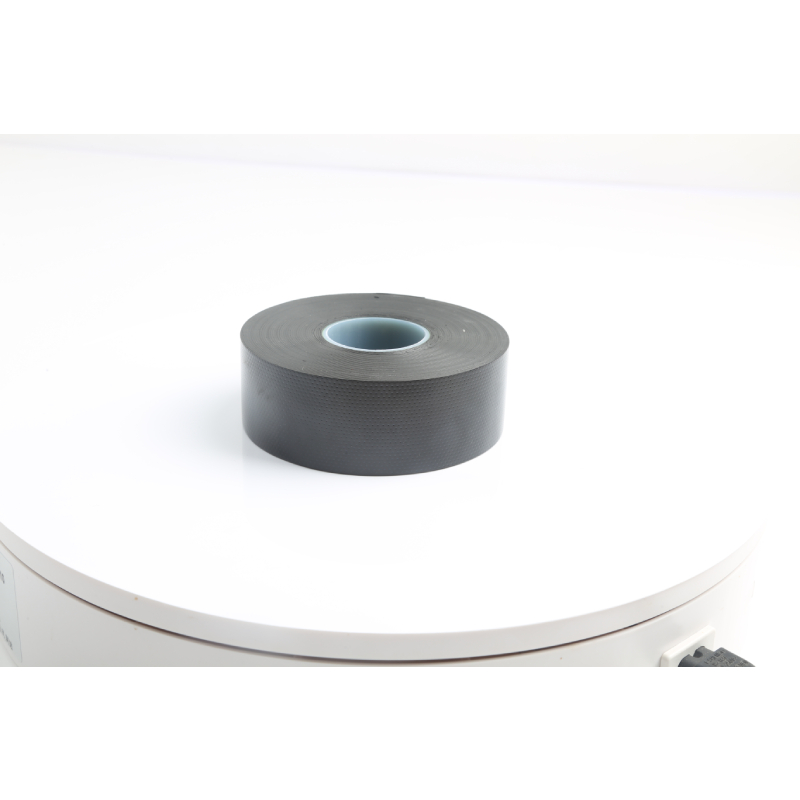
Technical Specifications and Performance Parameters
The efficacy of medium voltage fusion tape is defined by a set of critical technical specifications and performance parameters. These metrics ensure the tape can reliably perform its insulation and sealing functions in demanding electrical environments.
Typical Product Specification Table: Qiangda Medium Voltage Tape
| Parameter | Measurement Unit | Typical Value | Test Standard |
|---|---|---|---|
| Material Composition | N/A | Ethylene Propylene Rubber (EPR) | Internal Spec. |
| Dielectric Strength | kV/mm (V/mil) | ≥25 (≥635) | ASTM D1000 |
| Operating Temperature Range | °C | -40 to +90 | IEC 60243 |
| Elongation at Break | % | ≥700 | ASTM D4325 |
| Tensile Strength | MPa (psi) | ≥1.5 (≥218) | ASTM D4325 |
| Volume Resistivity | Ohm-cm | >10^14 | ASTM D257 |
| Water Absorption (24 hrs) | % | ≤0.1 | ASTM D570 |
| Self-Amalgamation | % | ≥90 | Internal Spec. |
Understanding these parameters is crucial for engineers and procurement specialists. High dielectric strength ensures robust insulation against voltage breakdown, while a wide operating temperature range guarantees performance in various climatic conditions. Excellent elongation allows the tape to conform seamlessly to irregular shapes, creating a void-free seal, and high tensile strength contributes to the mechanical stability of the splice or insulation. Low water absorption and high volume resistivity are indicators of superior moisture protection and electrical insulation integrity over time.
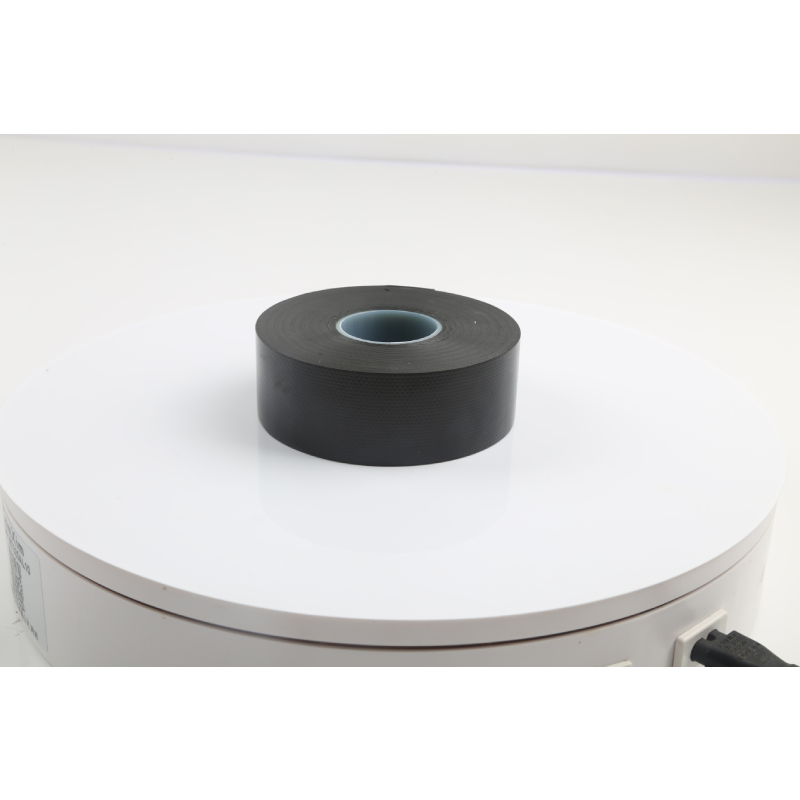
Key Technical Advantages of Medium Voltage Fusion Tape
The inherent design and material science behind medium voltage fusion tape imbue it with several distinct technical advantages that set it apart from conventional insulation methods, including standard rubber tape electrical products.
- Self-Amalgamating Properties: This is the hallmark feature. When stretched and wrapped, the tape layers fuse into a homogeneous, void-free mass. This creates a solid dielectric barrier that eliminates air voids and moisture ingress pathways, critical for preventing partial discharge and insulation breakdown in medium voltage systems.
- Excellent Electrical Insulation: With high dielectric strength and low dissipation factor, it provides superior insulation for splices, terminations, and bus bar wraps, maintaining electrical integrity under significant stress.
- Superior Moisture and Environmental Sealing: The fused, solid barrier offers exceptional resistance to water, humidity, and other environmental contaminants. This is vital for underground cables, outdoor installations, and environments prone to condensation, preventing corrosion and short circuits.
- High Conformability and Flexibility: The elastic nature of the tape allows it to stretch and mold around irregular shapes and sharp edges without compromising its integrity, ensuring comprehensive coverage and a tight seal.
- UV and Ozone Resistance: Formulations are often engineered to withstand prolonged exposure to ultraviolet radiation and ozone, factors that degrade many conventional rubber materials over time, especially in outdoor applications.
- Thermal Stability: Designed to perform reliably across a broad temperature range, from extreme cold to high operating temperatures, ensuring consistent performance in diverse environments.
- Corrosion Resistance: By forming an impermeable barrier, the tape prevents corrosive agents from reaching conductors and connectors, extending the lifespan of electrical components, particularly in industrial settings like petrochemical plants.
- Energy Saving: By eliminating air voids and providing excellent insulation, these tapes minimize partial discharge and leakage currents, contributing to lower energy losses and improved system efficiency.
These advantages translate into significant benefits for B2B decision-makers, including enhanced system reliability, reduced maintenance costs, extended asset life, and improved safety compliance.
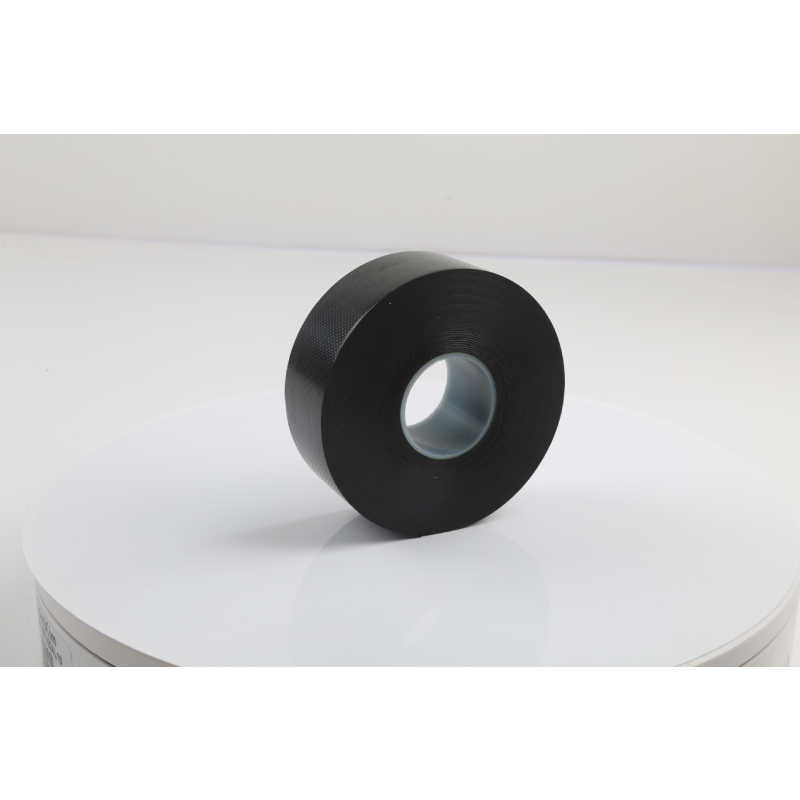
Diverse Application Scenarios and Target Industries
The versatility and robust performance of medium voltage fusion tape make it an indispensable solution across a multitude of industries and specific application scenarios. Its ability to create a hermetic, self-fusing electrical seal is critical for protecting sensitive components and ensuring operational continuity.
Primary Application Scenarios:
- Cable Splicing and Jointing: Essential for insulating and sealing medium voltage cable splices, both in overhead and underground installations. It restores the original cable insulation integrity, preventing moisture ingress and electrical breakdown at splice points.
- Cable Terminations: Used for building up stress cones and insulating connections at cable terminations, particularly in outdoor environments where exposure to weather elements is a concern.
- Bus Bar Insulation: Provides critical insulation for bus bars in switchgear, substations, and control panels, preventing accidental contact and improving arc-flash protection.
- Motor Lead Insulation: Offers durable insulation and moisture protection for motor leads and connections, especially in harsh industrial environments.
- Protection of Electrical Connections: Used to seal and protect a wide range of electrical connections, including those in communication cables, from moisture, dust, and corrosive chemicals.
- Cable Jacket Repair: An effective solution for quickly and reliably repairing damaged cable jackets, restoring both electrical and mechanical protection.
Key Target Industries:
- Power Generation & Distribution: Indispensable for utility companies for maintaining power lines, substations, and grid infrastructure.
- Petrochemical Industry: Used in refineries, chemical plants, and offshore platforms where explosive atmospheres and corrosive chemicals demand intrinsically safe and robust electrical insulation.
- Metallurgy and Heavy Manufacturing: In steel mills, aluminum smelters, and heavy machinery plants, where extreme temperatures, dust, and mechanical stress are common, these tapes provide essential protection.
- Mining: For underground and surface mining operations, reliable insulation for trailing cables and power distribution systems is critical for safety and operational efficiency.
- Water Supply & Drainage: Protecting electrical components in pumping stations, water treatment plants, and irrigation systems from constant moisture and harsh chemicals.
- Renewable Energy: Essential for connecting and protecting cables in wind farms (onshore and offshore) and solar installations, where environmental exposure is significant.
The robust nature of medium voltage fusion tape ensures critical electrical connections remain secure and insulated, contributing to the safety, longevity, and efficiency of infrastructure across these diverse sectors.
Vendor Comparison and Customized Solutions
When selecting a supplier for medium voltage fusion tape, B2B buyers must consider a range of factors beyond just price. Quality, reliability, certification, and the ability to provide tailored solutions are paramount for ensuring long-term performance and project success.
Key Factors for Vendor Comparison:
| Comparison Factor | Importance | Description & Consideration |
|---|---|---|
| Product Quality & Consistency | High | Ensures reliable electrical performance and long service life. Look for consistent material composition, thickness, and amalgamation properties across batches. |
| Certifications & Standards | High | Adherence to international standards like ISO 9001, ASTM, IEC. Indicates quality management and product safety. |
| Technical Support & Expertise | Medium-High | Ability to provide guidance on application, troubleshooting, and material selection. A knowledgeable partner is invaluable. |
| Customization Capabilities | High (for specific projects) | Offering specific widths, thicknesses, formulations, or colors to meet unique project requirements. |
| Lead Time & Logistics | High | Reliable delivery schedules and efficient supply chain management are crucial for project timelines. |
| Cost-Effectiveness (Lifecycle) | High | Beyond initial price, consider the total cost of ownership, including product lifespan, reduced failures, and maintenance. |
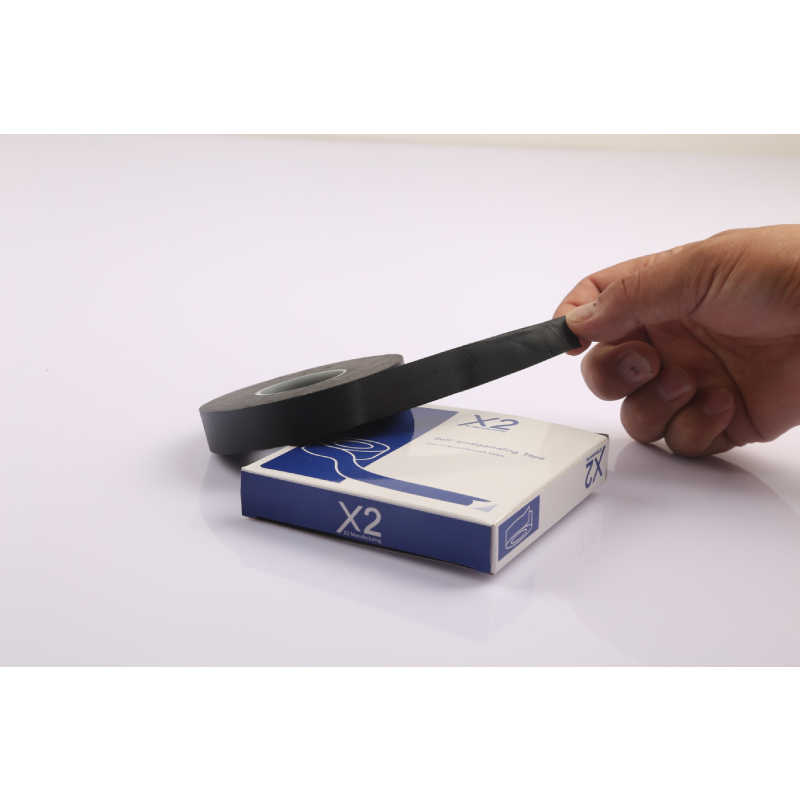
Qiangda Tape, for instance, distinguishes itself by focusing on research and development to produce specialized self-amalgamating tapes that not only meet but often exceed industry standards. Our commitment to continuous improvement ensures that our products, including rubber tape electrical variants for lower voltage applications, incorporate the latest material science advancements.
Customized Solutions:
Recognizing that off-the-shelf solutions may not always fit every unique project, we offer extensive customization options for our medium voltage fusion tape. This includes:
- Tailored Dimensions: Specific widths (e.g., 19mm, 25mm, 38mm, 50mm) and thicknesses to suit particular application requirements or existing equipment.
- Specialized Formulations: Developing compounds with enhanced properties such as extreme temperature resistance, increased chemical inertness, or specialized UV stabilizers for exceptionally harsh environments.
- Color Options: While typically black, specific project requirements might necessitate other colors for identification or aesthetic purposes.
- Packaging and Branding: Custom packaging solutions, including private labeling, to align with client branding or specific logistical needs.
Our engineering team collaborates closely with clients to understand their precise needs, providing expert advice and developing solutions that integrate seamlessly into their operations, ensuring optimal performance and cost efficiency.
Real-World Application Case Studies
The practical utility and superior performance of medium voltage fusion tape are best illustrated through real-world applications where it has provided measurable benefits. These case studies underscore its reliability and effectiveness in critical infrastructure projects.
Case Study 1: Substation Upgrade in a Coastal Region
A major utility company undertook an upgrade of an aging substation located in a coastal environment, known for its high humidity and saline air. The existing cable splices and bus bar insulation showed signs of degradation due to salt fog and moisture ingress, leading to increased maintenance and risk of outages.
- Challenge: To re-insulate and seal numerous medium voltage connections (15kV) against extreme moisture and corrosive airborne particles, ensuring long-term reliability without extensive downtime.
- Solution: Qiangda's medium voltage fusion tape was selected for its superior self-amalgamating properties, high dielectric strength, and excellent resistance to water and ozone. It was applied to all cable splices and bus bar insulation points after thorough cleaning.
- Results: Post-installation, comprehensive testing confirmed significant improvements in insulation resistance and partial discharge levels. The seamless, void-free encapsulation provided a hermetic seal, eliminating moisture-related failures. Over five years, the substation has experienced a 70% reduction in insulation-related maintenance, and no weather-induced outages attributed to insulation breakdown have occurred. The robust protection ensured enhanced energy efficiency by minimizing leakage current paths.
Case Study 2: Underground Cable Repair in a Mining Operation
A large underground mining facility faced frequent issues with damaged power cables (20kV) due to abrasive conditions and exposure to groundwater. Traditional repair methods often failed prematurely, causing costly operational interruptions.
- Challenge: To execute rapid, durable, and waterproof repairs on damaged medium voltage cables in a demanding, wet, and abrasive underground environment, minimizing downtime.
- Solution: The maintenance team opted for a high-performance medium voltage fusion tape due to its exceptional conformability, strong amalgamation, and resistance to abrasion and water. The damaged sections were cleaned, conductors repaired, and then meticulously wrapped with multiple layers of the fusion tape, followed by a protective outer layer.
- Results: The self-fusing tape created a solid, homogeneous, and waterproof jacket, effectively restoring the cable's integrity. Repairs were completed faster than with heat-shrink methods, significantly reducing repair time. Over a two-year period, the number of re-repairs on sections treated with the fusion tape dropped by 85%, leading to substantial savings in labor, materials, and crucially, reducing operational downtime. This enhanced the overall safety and reliability of the mining operation's power supply.
Trust & Support: Certifications, Warranty, and After-Sales
Establishing trust with B2B partners is foundational to lasting relationships. This is built not only on the quality of products like medium voltage fusion tape but also on the robustness of operational practices, commitment to standards, and comprehensive customer support.
Authoritative Certifications:
Qiangda Tape operates under stringent quality management systems to ensure every roll of medium voltage fusion tape meets global benchmarks. Our adherence to international certifications provides an external validation of our commitment to excellence:
- ISO 9001:2015 Certified: Our manufacturing processes and quality management system are certified to ISO 9001, ensuring consistent product quality from raw material sourcing to final delivery.
- RoHS Compliance: All products comply with the Restriction of Hazardous Substances Directive (RoHS), safeguarding environmental and human health by limiting harmful chemicals.
- REACH Compliant: We adhere to the Registration, Evaluation, Authorisation and Restriction of Chemicals (REACH) regulation, reflecting our commitment to chemical safety and transparency.
- ASTM & IEC Standards: Our tapes are tested and perform in accordance with relevant ASTM (e.g., D4388, D4325) and IEC (e.g., 60243) international standards for electrical insulating materials.
Our long-standing relationships with global partners in the power and industrial sectors speak to our reliability and service quality.
Warranty and Lead Time:
We stand behind the quality of our products with a comprehensive warranty against manufacturing defects, typically covering a period of 12 months from the date of purchase. Our efficient production and logistics network enables competitive lead times, generally ranging from 2-4 weeks for standard orders, with expedited options available for urgent requirements. Lead times for customized solutions will be provided upon detailed project scope agreement. We maintain a robust inventory of raw materials and finished goods to respond promptly to demand.
Dedicated Customer Support:
Our commitment extends beyond product delivery. We provide robust after-sales support, including:
- Technical Assistance: Our team of expert engineers is available to provide guidance on product selection, application techniques, and troubleshooting.
- Training Programs: On-site or remote training can be arranged to ensure optimal application and maximize product performance for your teams.
- Responsive Communication: We ensure prompt responses to inquiries, feedback, and support requests through dedicated account managers and technical support channels.
Frequently Asked Questions (FAQ)
Q1: What is the primary difference between medium voltage fusion tape and standard rubber tape electrical?
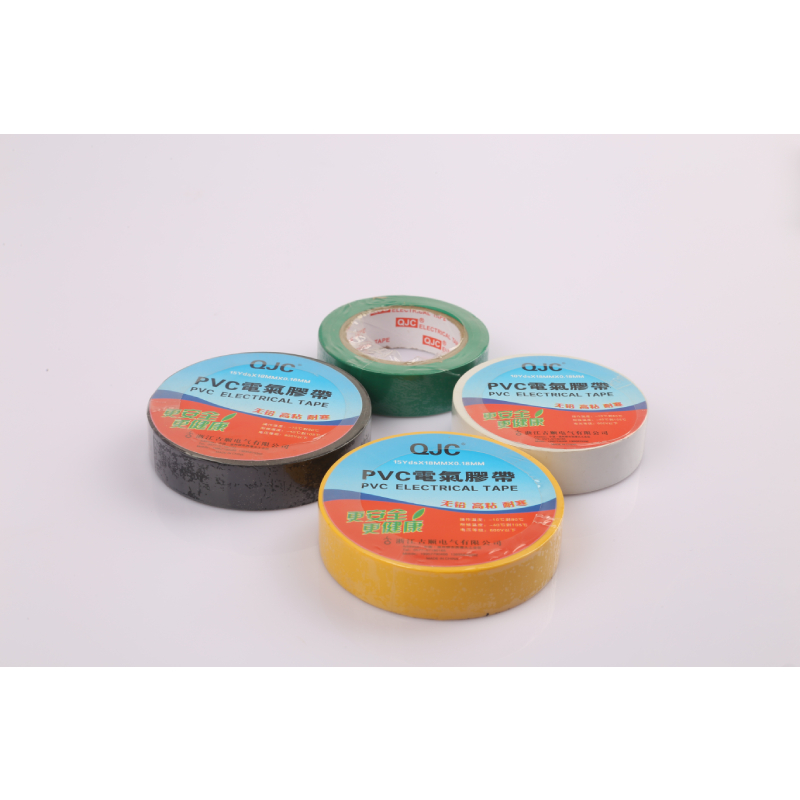
A1: The key difference lies in their self-amalgamating property. While both are rubber-based, fusion tape, when stretched and wrapped, fuses into a single, cohesive, void-free insulating and sealing layer. Standard rubber tape electrical provides insulation but does not self-fuse to create a monolithic seal, making it less effective against moisture and partial discharge in critical medium voltage applications.
Q2: How should medium voltage fusion tape be applied for optimal performance?
A2: For optimal performance, the tape should be applied by stretching it to 75-100% of its original width while wrapping. Each layer should overlap the previous one by at least 50% to ensure complete fusion and a void-free insulation barrier. Ensure the surface is clean and dry before application.
Q3: What is the shelf life of medium voltage fusion tape?
A3: Typically, when stored in its original packaging, away from direct sunlight and extreme temperatures (ideally between 10-30°C and 40-70% relative humidity), our medium voltage fusion tape has a shelf life of at least 2 years. Proper storage is crucial to maintain its self-amalgamating properties.
Q4: Can this tape be used for both indoor and outdoor applications?
A4: Yes, our medium voltage fusion tape is designed for robust performance in both indoor and harsh outdoor environments. Its excellent UV, ozone, and moisture resistance make it suitable for exposed installations, including aerial and underground applications.
Q5: What voltage ratings can this tape handle?
A5: Our medium voltage fusion tape is specifically engineered for applications up to 69kV, providing reliable insulation and sealing. For specific applications, always refer to the product datasheet and consult with our technical team to ensure proper selection and usage.
Conclusion
The continuous evolution of electrical infrastructure demands advanced, reliable, and durable insulating solutions. Medium voltage fusion tape represents a cornerstone of such solutions, offering unparalleled protection, performance, and longevity for critical electrical connections. Its self-amalgamating properties, coupled with exceptional dielectric strength, moisture resistance, and environmental stability, make it an indispensable asset for engineers and project managers across a wide spectrum of industries. By choosing a reputable manufacturer like Qiangda Tape, backed by stringent certifications, customizable options, and dedicated support, businesses can ensure the integrity, safety, and efficiency of their medium voltage electrical systems for decades to come.
References
- IEEE Std. 48-2009, IEEE Standard for Test Procedures and Requirements for Alternating-Current Cable Terminations 2.5 kV Through 765 kV.
- IEC 60243-1:2013, Electrical strength of insulating materials – Test methods – Part 1: Tests at power frequencies.
- ASTM D4388, Standard Specification for Nonmetallic Semi-Conducting and Insulating Rubber Tapes.
- ANSI C2-2017, National Electrical Safety Code (NESC).
- "Handbook of Electrical Insulation Materials" by T. L. Mauldin, McGraw-Hill, 2004.
-
Industrial Fire Proof Tape Guide for High Temperature ProtectionNewsApr.16,2026
-
Ultimate Guide to Fireproof Tape Protection and ApplicationsNewsApr.09,2026
-
Exploring Black Tack Butyl Applications and Benefits for Optimal SealingNewsApr.07,2026
-
Comprehensive Guide to Black Butyl Rubber Tape Applications and BenefitsNewsApr.04,2026
-
Comprehensive Guide to High Power Butyl Waterproof Tape ApplicationsNewsMar.31,2026
-
Comprehensive Guide to 360tronics Butyl Waterproof Tape for Airtight and Watertight SealsNewsMar.28,2026