
Understanding Cambric Tape: An Essential for High-Performance Electrical Insulation
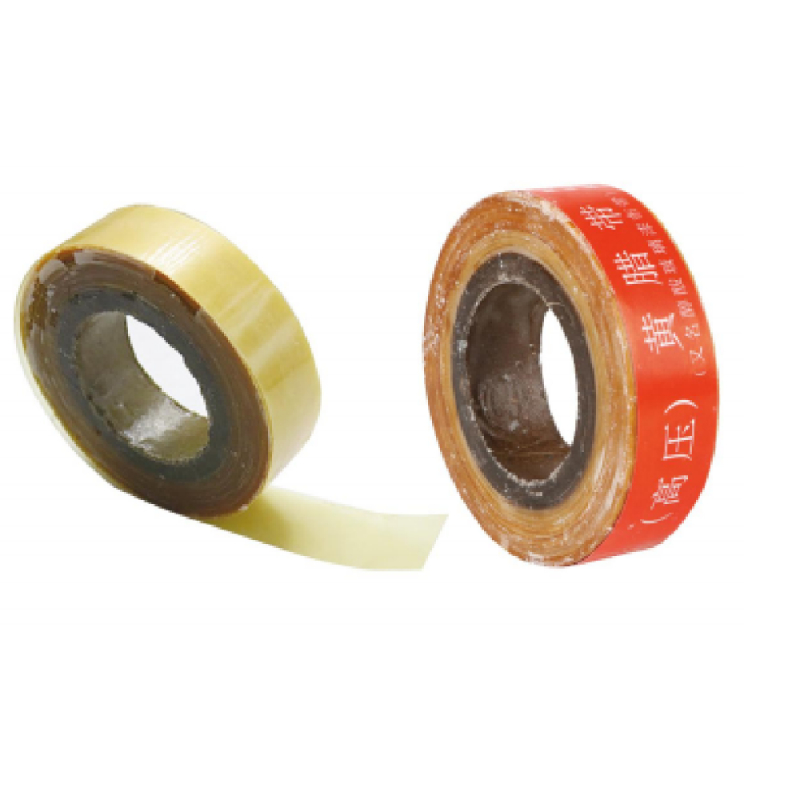
In the demanding landscape of modern electrical engineering, the integrity of insulating materials is paramount. Among the most critical components for robust electrical insulation, cambric tape stands out for its exceptional dielectric strength and thermal stability. Specifically, fiberglass yellow varnished insulating tape, a superior variant of cambric tape, provides unparalleled protection in high-voltage and high-temperature environments. This comprehensive guide delves into its manufacturing, technical specifications, diverse applications, and strategic advantages, tailored for B2B decision-makers and technical professionals seeking reliable insulation solutions.
The Advanced Manufacturing Process of Varnished Cambric Tape
The production of high-quality **cambric tape** involves a meticulous, multi-stage process designed to imbue the base material with superior electrical and mechanical properties. This intricate manufacturing ensures that the final product, such as fiberglass insulating tape, meets stringent industry standards and performs reliably under extreme conditions.
Materials & Foundation
- Substrate Material: The core of our Fiberglass Yellow Varnished Insulating Tape is a high-grade fiberglass woven fabric. This material is chosen for its inherent high tensile strength, excellent dimensional stability, and superior temperature resistance compared to organic fibers. The weave pattern is critical for uniform varnish absorption and overall tape integrity.
- Insulating Varnish: The fiberglass fabric is impregnated with a specially formulated insulating varnish, typically an oil-modified alkyd resin or a polyester resin. This varnish is selected for its high dielectric strength, thermal stability, adhesion properties, and resistance to moisture and chemicals. The yellow coloration is often achieved through specific pigment additives that do not compromise electrical properties.
Manufacturing Process Flow
Fabric Preparation: Rolls of fiberglass fabric undergo rigorous inspection for consistency, weave defects, and cleanliness. Any impurities could compromise the final product's electrical performance.
Varnish Impregnation: The fiberglass fabric is continuously fed through a specialized coating line where it is saturated with the insulating varnish. This is typically done via dipping or roller coating to ensure complete and uniform penetration of the varnish into the fabric's fibers.
Curing & Drying: The varnish-coated fabric then enters multi-zone drying ovens. Here, the varnish is thermally cured at precise temperatures, typically between 120°C to 180°C, to polymerize and solidify, bonding firmly to the fiberglass. This stage is critical for achieving the desired dielectric properties and mechanical strength.
Multiple Passes (If Required): For thicker tapes or enhanced insulation, the material may undergo several impregnation and curing cycles, building up layers of varnish to achieve the desired dielectric strength and thickness.
Slitting & Winding: Once cured, the wide rolls of varnished fiberglass fabric are precisely slit into specified widths and then accurately wound onto cores, ready for packaging. This stage demands precision to maintain consistent dimensions.
Quality Control & Testing: Throughout the process, and especially at the final stage, rigorous quality control checks are performed.
Testing Standards & Service Life
Our **varnish cambric tape** adheres to international testing standards, including IEC 60454-3-5, ASTM D373, and NEMA LI 6. These standards ensure that critical parameters like dielectric strength (voltage breakdown), tensile strength, tear resistance, thermal class (e.g., Class F 155°C), and resistance to environmental factors are consistently met. Properly applied and maintained, **fiberglass insulating tape** offers a service life exceeding 20 years in its intended operating environment, significantly contributing to the longevity and reliability of electrical apparatus.
Technical Specifications: Fiberglass Yellow Varnished Insulating Tape
Understanding the precise technical specifications of **fiberglass tape for electrical insulation** is crucial for engineers and procurement specialists. Our Fiberglass Yellow Varnished Insulating Tape is engineered for high-performance applications, offering a robust solution for demanding electrical insulation requirements. Below are key parameters:
| Property | Unit | Value (Typical) | Standard |
|---|---|---|---|
| Material Composition | - | Fiberglass Fabric + Oil-modified Alkyd Varnish | IEC 60454 |
| Thickness | mm (mil) | 0.13mm (5 mil) - 0.25mm (10 mil) | ASTM D373 |
| Dielectric Strength | kV/mm (V/mil) | >30 kV/mm (>750 V/mil) | IEC 60243-1 |
| Tensile Strength | N/10mm (lbs/in) | >150 N/10mm (>85 lbs/in) | ASTM D373 |
| Thermal Class | °C | Class F (155°C) | IEC 60085 |
| Elongation at Break | % | 3-5% | ASTM D373 |
| Moisture Absorption | % | <1% | ASTM D570 |
These specifications highlight the tape's robust performance, particularly its exceptional dielectric strength, which is critical for preventing electrical breakdown in high-stress applications. The Class F thermal rating signifies its suitability for continuous operation at elevated temperatures, a common requirement in motors, generators, and transformers.
Industry Trends and Application Scenarios
The electrical insulation market is constantly evolving, driven by demands for higher efficiency, increased power density, and enhanced safety. The trend towards miniaturization in electronics and the push for renewable energy sources necessitate insulating materials that can withstand more severe operational parameters. **Varnished cambric tape** is perfectly positioned to meet these challenges.
Target Industries and Typical Applications
- Power Generation & Distribution: Used extensively in the insulation of transformer coils, generator windings, and busbars. Its high dielectric strength ensures reliable operation and prevents flashovers in critical infrastructure.
- Heavy Machinery & Motors: Essential for insulating stator coils, rotor windings, and inter-layer insulation in industrial motors, traction motors (railways), and large rotating machinery. It contributes to energy saving by minimizing leakage currents and enhancing efficiency.
- Mining and Marine Equipment: Due to its robust mechanical strength and resistance to harsh environmental factors, **cambric tape** is ideal for insulating electrical components in mining equipment and marine vessels, where reliability is non-negotiable.
- Switchgear and Control Panels: Provides critical insulation in switchgear apparatus, circuit breakers, and control panels, ensuring safe isolation of live components and preventing short circuits.
- Renewable Energy: Increasingly utilized in wind turbine generators and solar inverter systems, where high voltage and fluctuating thermal conditions demand superior insulation performance.
In these scenarios, the advantages of **fiberglass insulating tape** are evident: exceptional corrosion resistance from chemical exposure, enhanced energy saving by reducing power losses, and superior safety by preventing electrical faults.
Technical Advantages and Competitive Edge
The selection of an insulating tape goes beyond basic functionality; it's about optimizing long-term performance and reliability. Our Fiberglass Yellow Varnished Insulating Tape offers distinct technical advantages that set it apart in the market:
- Superior Dielectric Strength: With a dielectric strength exceeding 30 kV/mm, it provides a high level of electrical insulation, minimizing the risk of breakdown even under significant voltage stress. This is critical for preventing partial discharge and corona effects, which can degrade other materials over time.
- Exceptional Thermal Stability: Rated for Class F (155°C) operation, it maintains its insulating properties across a broad temperature range, making it suitable for high-temperature electrical apparatus where conventional tapes might fail. Its resistance to thermal aging is a significant advantage.
- High Mechanical Strength: The fiberglass substrate provides excellent tensile strength and dimensional stability, resisting stretching, tearing, and abrasion during application and throughout its service life. This ensures the integrity of the insulation even in dynamic environments.
- Resistance to Moisture and Chemicals: The high-quality varnish provides a protective barrier against moisture ingress, oils, and common industrial chemicals, which can otherwise compromise insulation integrity and lead to premature failure.
- Flexibility and Conformability: Despite its strength, this **varnished cambric tape** remains highly flexible, allowing for easy wrapping around complex shapes and contours without cracking or losing its insulating properties, simplifying application for technicians.
Vendor Comparison: Why Choose Our Fiberglass Insulating Tape
While several manufacturers offer insulating tapes, the performance and reliability vary significantly. Our commitment to stringent quality control, adherence to international standards (ISO 9001 certified production), and extensive experience in the electrical insulation sector for over two decades distinguish us.
| Feature/Property | Our Fiberglass Varnished Insulating Tape | Standard Cotton Cambric Tape (Varnished) |
|---|---|---|
| Base Material | Fiberglass Fabric | Cotton Fabric |
| Thermal Class | Class F (155°C) | Class A (105°C) or Class B (130°C) |
| Dielectric Strength (Typical) | >30 kV/mm | ~20-25 kV/mm |
| Tensile Strength (Typical) | High (>150 N/10mm) | Moderate (~100 N/10mm) |
| Moisture Resistance | Excellent | Good (but more susceptible to wicking) |
| Chemical Resistance | Excellent | Good |
Customized Solutions and Application Case Studies
Recognizing that every industrial application has unique requirements, we offer customized solutions for our **fiberglass tape for electrical insulation**. This flexibility ensures that our products seamlessly integrate into diverse manufacturing and maintenance processes, delivering optimal performance.
Customization Options
- Width and Length: Tapes can be supplied in specific widths from 10mm up to 1000mm and varying lengths to minimize waste and streamline application for customers.
- Thickness: While standard thicknesses are available, we can adjust the number of varnish layers to achieve desired dielectric strength and mechanical properties.
- Varnish Type: For specific chemical or thermal resistance needs, alternative varnish formulations (e.g., silicone, acrylic, or polyester-based) can be explored.
- Surface Treatment: Options for enhanced tackiness or smoother surface for specific winding machines.
Real-World Application Case Studies
Case Study 1: High-Voltage Transformer Insulation Upgrade
A leading power grid operator faced recurring insulation breakdown issues in their older 132kV power transformers, primarily due to localized overheating and partial discharge in the winding insulation. Traditional cotton-based insulating tapes were failing to withstand the continuous thermal and electrical stresses. Upon consultation, we provided our custom-width Fiberglass Yellow Varnished Insulating Tape with enhanced dielectric strength. Post-implementation, the transformers demonstrated a 30% reduction in partial discharge activity and a 15% increase in operational lifespan, contributing to significant maintenance cost savings and improved grid reliability.
Case Study 2: Offshore Wind Turbine Generator Rewind
An offshore wind energy company required a highly durable and thermally stable insulation material for rewinding the generators of their 8MW wind turbines. The harsh marine environment, characterized by high humidity, salt spray, and extreme temperature fluctuations, demanded an insulation solution that would prevent moisture ingress and maintain dielectric integrity. Our **fiberglass insulating tape** was chosen for its excellent moisture resistance and Class F thermal performance. The tape allowed for precise layering around complex coil geometries, securing robust insulation that has performed flawlessly in aggressive conditions for over five years, exceeding the client's expectations for material longevity.
Ensuring Trustworthiness: FAQ, Logistics, Warranty & Support
Building long-term partnerships in the B2B sector relies on transparency and reliability. We are committed to providing not just high-quality **fiberglass tape for electrical insulation**, but also comprehensive support throughout the customer journey.
Frequently Asked Questions (FAQ)
Q: Is this cambric tape suitable for outdoor applications?
A: While the varnished finish provides good moisture and chemical resistance, prolonged direct UV exposure can degrade the varnish over many years. For critical outdoor applications, additional UV-resistant outer layers or enclosures are recommended.
Q: Can I request specific widths or lengths for bulk orders?
A: Absolutely. We specialize in customized solutions and can accommodate a wide range of widths and lengths to meet your project specifications. Please contact our sales team to discuss your specific requirements.
Q: What is the shelf life of the Fiberglass Yellow Varnished Insulating Tape?
A: When stored in a cool, dry environment away from direct sunlight and humidity, our tape has a typical shelf life of 12-24 months from the date of manufacture. Proper storage is crucial to maintain its optimal performance.
Lead Time & Fulfillment
Standard orders for our Fiberglass Yellow Varnished Insulating Tape typically have a lead time of 2-4 weeks, depending on order volume and current production schedules. For customized orders, lead times will be provided upon specific quotation and may vary based on complexity. We maintain robust supply chain logistics to ensure timely and efficient delivery to global clients. Expedited shipping options are available upon request.
Warranty & Customer Support
We stand behind the quality of our products. Our Fiberglass Yellow Varnished Insulating Tape comes with a standard 1-year warranty against manufacturing defects, provided the product is stored and used under recommended conditions. Our dedicated customer support team is available to assist with technical queries, application guidance, and after-sales service. We offer comprehensive technical documentation and are committed to ensuring our clients achieve optimal results with our insulation solutions.
Authoritative References
Our commitment to quality and technical excellence is supported by adherence to established industry standards and scientific principles. The information presented is grounded in widely accepted electrical engineering and materials science knowledge.
- IEC 60454-3-5: Specifications for Pressure-sensitive Adhesive Tapes for Electrical Purposes - Part 3: Specifications for Individual Materials - Sheet 5: Woven Glass Fabric Tapes with Varnish Impregnation. International Electrotechnical Commission.
- ASTM D373: Standard Specification for Black and Yellow Straight-Cut Varnished Cotton Fabric and Varnished Cotton Fabric Tapes Used for Electrical Insulation. American Society for Testing and Materials.
- NEMA LI 6: Laminated Thermosetting Products, Fabricated Parts, and Varnished Fabric. National Electrical Manufacturers Association.
- IEC 60085: Electrical insulation - Thermal evaluation and designation. International Electrotechnical Commission.
- Electrical Insulation Conference (EIC) Proceedings, Institute of Electrical and Electronics Engineers (IEEE). Various publications on insulation material performance and testing.
-
Industrial Fire Proof Tape Guide for High Temperature ProtectionNewsApr.16,2026
-
Ultimate Guide to Fireproof Tape Protection and ApplicationsNewsApr.09,2026
-
Exploring Black Tack Butyl Applications and Benefits for Optimal SealingNewsApr.07,2026
-
Comprehensive Guide to Black Butyl Rubber Tape Applications and BenefitsNewsApr.04,2026
-
Comprehensive Guide to High Power Butyl Waterproof Tape ApplicationsNewsMar.31,2026
-
Comprehensive Guide to 360tronics Butyl Waterproof Tape for Airtight and Watertight SealsNewsMar.28,2026