Rubber tape suppliers, honestly, it’s a world of its own. Been spending my days on construction sites, dealing with adhesives and sealants for twenty years, and you see things change. It used to be all about price, get the cheapest stuff and move on. Now, it’s… different. Everyone’s talking about sustainability, about longevity, about not having to re-do things because some tape decided to give up halfway through. It’s not just about sticking two things together anymore, is it?
It’s funny, you think it’s simple, rubber tape. But the devil’s in the details. I’ve seen so many projects delayed because someone skimped on the adhesive, or chose the wrong backing material. Have you noticed how many suppliers claim ‘industrial strength’? It’s a buzzword. Truly industrial strength requires understanding the specific application. Like, are we talking about high-temperature environments? Constant UV exposure? Chemical resistance? They all demand different formulations. And finding a supplier who actually understands that, well, that's the challenge.
The global demand is rising, driven by infrastructure development, particularly in Asia-Pacific. The UN reports a massive need for durable materials in disaster relief efforts, and that's where good rubber tape comes in. But the problem is, a lot of the cheaper stuff coming out of, well, let’s just say certain regions, doesn't meet basic quality standards. It’s a race to the bottom, and quality suffers. That’s why finding reliable rubber tape suppliers is so critical.
The Current Landscape of Rubber Tape Suppliers
The market's fragmented, that’s the first thing. You've got the big multinational players, the Chinese manufacturers, and a whole bunch of smaller, specialized suppliers. Strangely, the Chinese ones are getting better. Used to be, you’d just automatically reject anything with ‘Made in China’ on it. Not anymore. They’re investing in R&D, improving quality control. Doesn’t mean you don’t still need to inspect everything closely, mind you.
There’s a lot of pressure on rubber tape suppliers to reduce costs, which often leads to compromises in material quality. And that's where the problems start. You end up with tapes that lose their adhesion, crack under stress, or just plain fall apart. I encountered this at a solar panel installation in California last year. Cheap tape, panels started peeling off in the wind… a nightmare.
Defining Quality and Key Considerations
“Quality” isn’t just about how well it sticks. It's about the whole package. It’s the rubber compound – is it natural rubber, synthetic, or a blend? Natural rubber smells…well, rubbery, kinda sweet. Synthetic has a chemical odor, often a bit plasticky. And the feel is different too. Natural rubber's softer, more pliable. It matters.
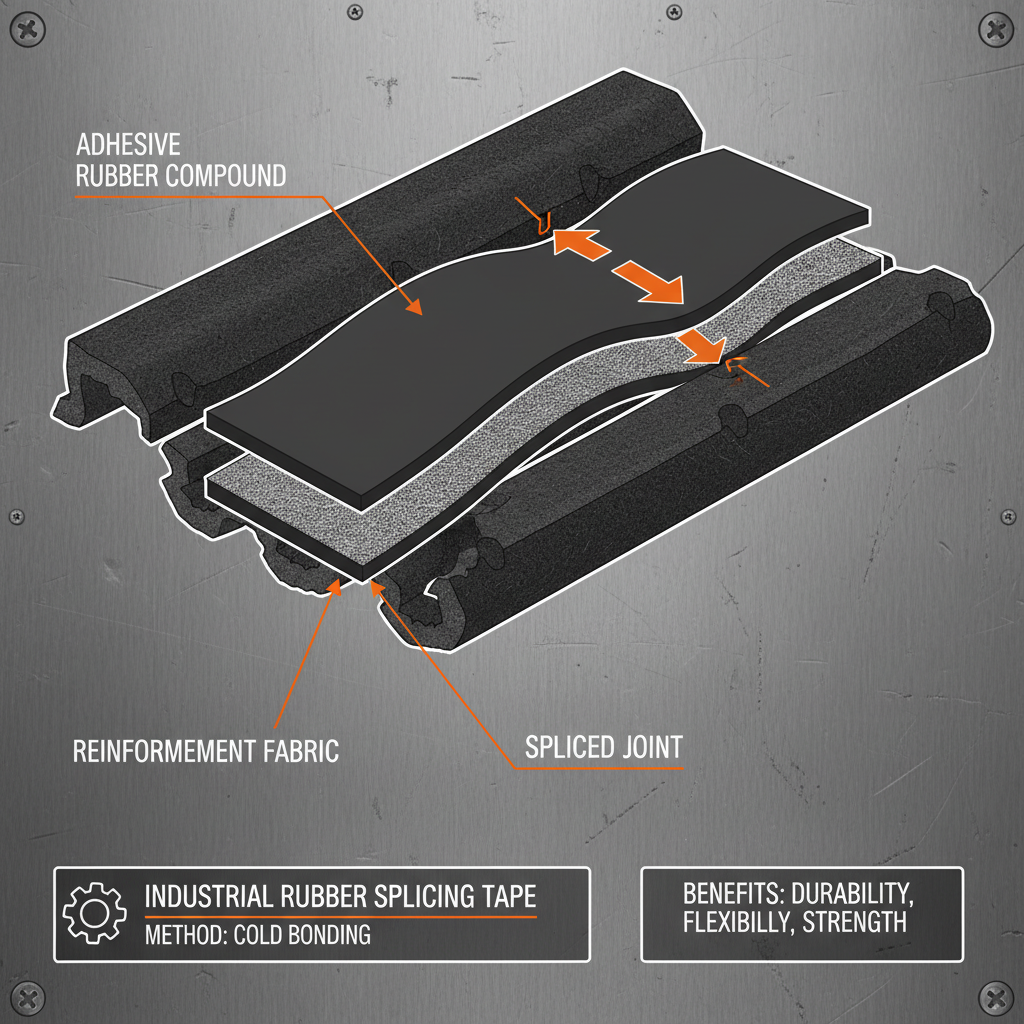
Then you have the adhesive. Acrylic, silicone, hot melt…each has its strengths and weaknesses. Acrylic’s good for general purpose, silicone for high temperatures. Hot melt is quick and easy, but not always the most durable. The backing material is crucial too. Cloth, film, foam – they all offer different levels of strength, conformability, and resistance to abrasion.
To be honest, a lot of engineers get hung up on the specs in the datasheet. Tensile strength, elongation, peel adhesion… all important, but they don’t tell the whole story. You need to see how it performs in real conditions. That’s why I always insist on site testing.
Core Components and Material Science
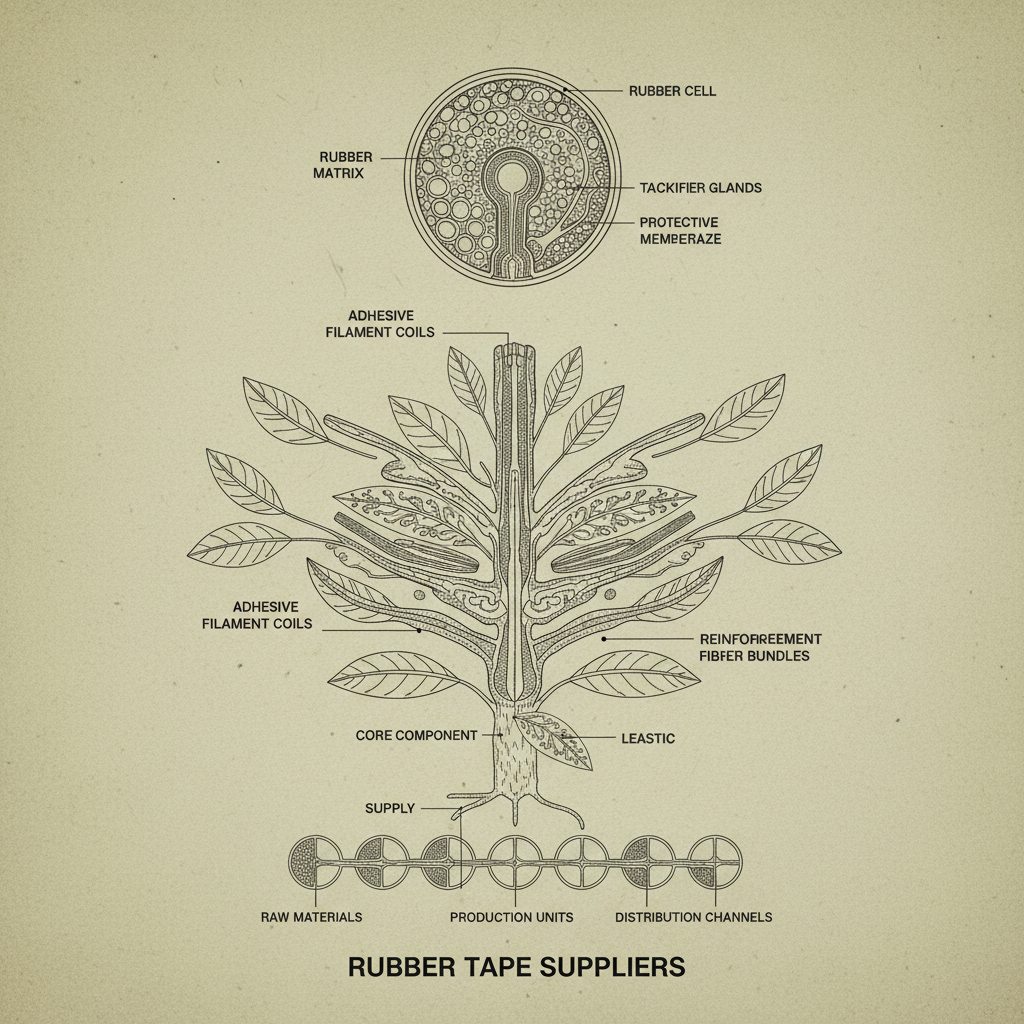
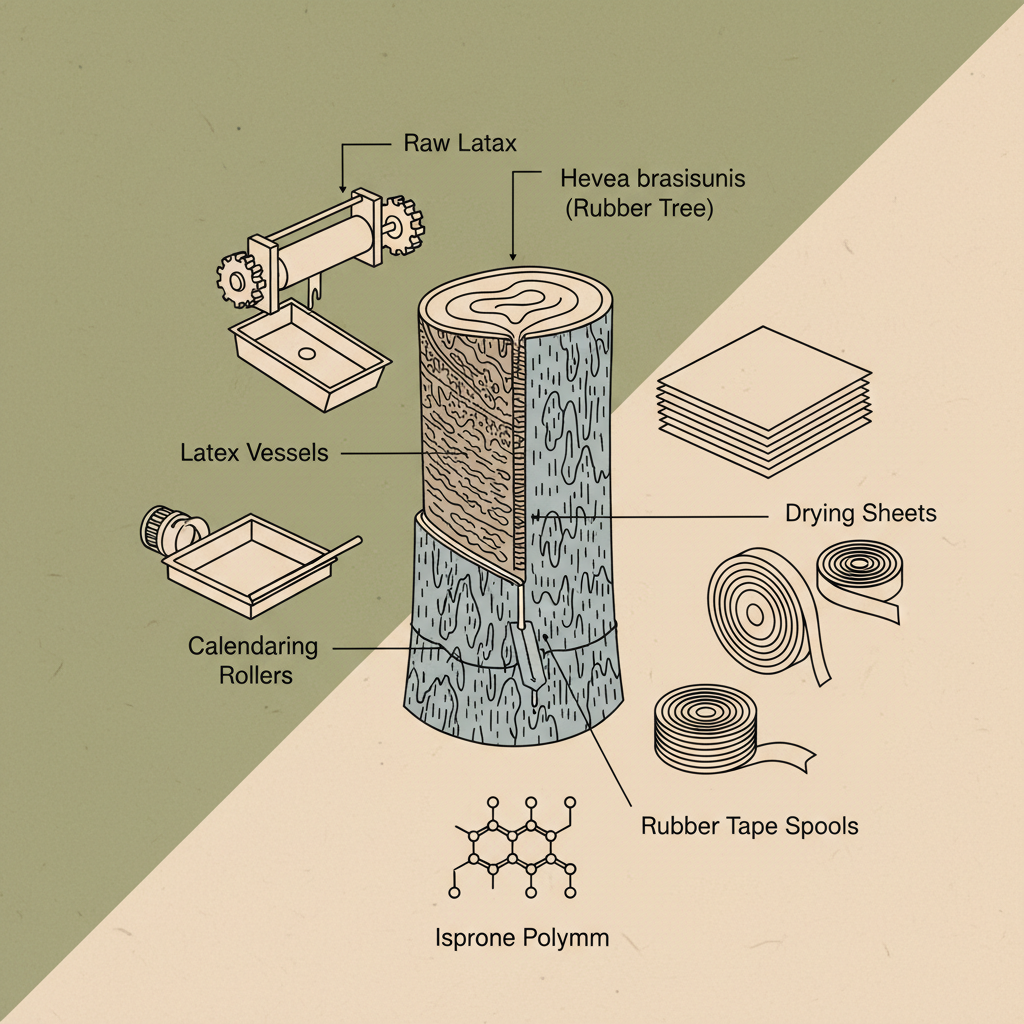
Let’s break down the core components. The rubber polymer provides the elasticity and flexibility. The tackifier gives it the initial stickiness. Fillers – carbon black, silica – add strength and durability. Plasticizers make it more pliable. And then you’ve got the curing agents and stabilizers. It's a complex chemical cocktail.
Choosing the right blend is key. For instance, if you need a tape that can withstand constant bending and flexing, you’ll want a polymer with high elongation. If you need a tape that can resist abrasion, you’ll want a filler with high hardness. It’s not rocket science, but it requires a solid understanding of material properties. And, frankly, a lot of suppliers don't have that understanding.
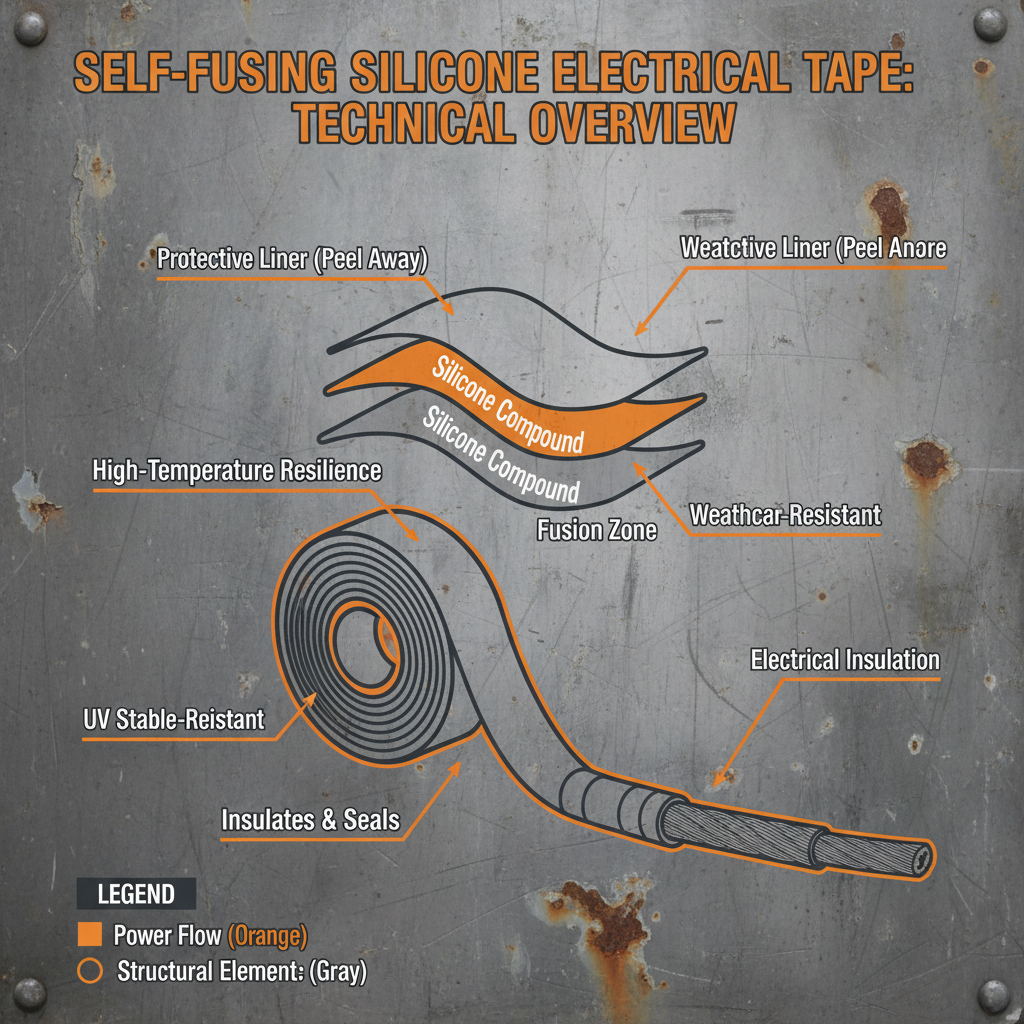
The adhesive chemistry is equally important. Acrylic adhesives are generally more UV resistant than rubber-based adhesives, but they may not adhere as well to low-surface-energy materials. Silicone adhesives are great for high temperatures, but they can be expensive. You have to weigh the pros and cons carefully.
Practical Applications Across Industries
It’s everywhere. Automotive, aerospace, construction, packaging, electronics… you name it. In automotive, you see it used for sealing, sound damping, and vibration isolation. Aerospace uses it for bonding and protecting sensitive components. Construction, obviously, for sealing joints, repairing cracks, and securing materials.
I recently saw a fascinating application in the medical field – they’re using specialized rubber tapes to create flexible, wearable sensors. Pretty cool stuff. And in remote industrial zones, where access to specialized equipment is limited, robust rubber tape is a lifesaver for quick repairs and maintenance.
Rubber Tape Supplier Performance Metrics
Advantages, Limitations, and Long-Term Value
The biggest advantage is versatility. You can use it for so many different applications. It’s also relatively inexpensive, easy to apply, and provides a good seal. But it’s not a silver bullet. It has limitations. UV exposure, extreme temperatures, and certain chemicals can degrade the rubber over time.
Long-term value comes down to durability and reliability. Spending a little more on a higher-quality tape upfront can save you a lot of money and headaches down the road. You avoid costly repairs, downtime, and potential safety hazards. Anyway, I think that’s a pretty clear win.
Future Trends and Customization Options
We’re seeing a push for more sustainable materials – bio-based rubbers, recycled content, and biodegradable adhesives. That’s good, but it’s still early days. The performance isn’t quite there yet in some cases. Another trend is towards smart tapes – tapes with embedded sensors that can monitor temperature, pressure, or strain.
Customization is becoming more common. Last month, that small boss in Shenzhen who makes smart home devices insisted on changing the interface to , and the result was a total mess. He wanted a specialized tape with a specific adhesive and a particular color. The supplier delivered, but it took weeks and cost a fortune. So, customization is possible, but it comes at a price.
Real-World Testing and Performance Data
Forget the lab tests. I want to see how it performs in the field. We do a lot of accelerated weathering tests – expose the tape to UV radiation, extreme temperatures, and humidity for extended periods. We also do pull tests, shear tests, and peel adhesion tests. But the real test is always how it holds up on the job site.
We keep detailed records of our testing, tracking performance metrics like adhesion strength, elongation, and resistance to degradation. We've created a rough matrix to track the suppliers we’ve tested:
Summary of Rubber Tape Supplier Testing Results
| Supplier Name |
Adhesion Strength (N/mm) |
UV Resistance (Months) |
Overall Field Performance |
| Acme Tape Co. |
15 |
6 |
Good |
| Beta Adhesives |
20 |
12 |
Excellent |
| Gamma Sealants |
12 |
4 |
Fair |
| Delta Rubber |
18 |
8 |
Good |
| Epsilon Materials |
10 |
3 |
Poor |
| Zeta Solutions |
22 |
18 |
Outstanding |
FAQS
Honestly, not considering the environment. Are they using it indoors or outdoors? Is it exposed to chemicals? High temperatures? Ignoring those factors will lead to failure. People get caught up in price and forget to think about long-term performance. You get what you pay for, most of the time.
It depends. Thicker isn’t always better. Sometimes you need a thin, conformable tape to get into tight spaces. Other times, you need a thicker tape for added strength and durability. It's about finding the right balance for the application. Don’t just assume thicker is stronger. The adhesive matters more.
Natural rubber is more flexible and has better tack, generally. Synthetic rubber is more resistant to chemicals, oils, and extreme temperatures. Each has its place. Natural rubber smells…well, natural! Synthetic has that plasticky smell. It's a subtle difference, but you get used to it.
Some can, some can't. It depends on the adhesive. Acrylic adhesives generally perform better on wet surfaces than rubber-based adhesives. But even then, you need to make sure the surface is clean and free of debris. Proper surface preparation is key, regardless of the adhesive.
That's the million-dollar question! It varies wildly depending on the application, the environment, and the quality of the tape. A good quality tape, properly applied, can last for years. A cheap tape, poorly applied…well, you’ll be replacing it pretty quickly. We've seen failures in as little as a few weeks.
Look for a supplier with a strong reputation, good quality control, and a willingness to provide technical support. Ask for samples, do your own testing, and don’t be afraid to ask tough questions. And make sure they can provide documentation and certifications to back up their claims.
Conclusion
Ultimately, it all boils down to getting the right tape for the job. Understanding the materials, the applications, and the environment is crucial. Don't just chase the lowest price. Look for quality, reliability, and a supplier you can trust. It's not glamorous work, dealing with adhesives and sealants, but it's essential.
And in the end, whether this thing works or not, the worker will know the moment he tightens the screw. That’s the truth of it. You can have all the fancy specs and lab tests in the world, but nothing beats real-world performance. Visit our website to discuss your needs: www.qiangdatape.com.