You know, it's been a crazy year. Everyone's talking about prefabrication now, right? Modular stuff, quick assembly... honestly, it’s a relief to see some efficiency creeping in. We’re spending less time welding on site and more time ensuring the components actually fit when they arrive. It’s a small win, but after years of watching guys fight with misaligned steel, it feels huge. And the demand for butyl rubber tape manufacturers? Through the roof. Everyone wants airtight seals, especially with these faster build times – can't have drafts ruining the energy efficiency, can we?
Honestly, it's the little things that get you. I've seen too many projects delayed because someone skimped on the adhesive. It needs to be able to handle temperature swings, UV exposure, and the general abuse a construction site dishes out. It’s not glamorous, but it’s the foundation. And people underestimate how much vibration there is on a site. A seemingly solid seal can work loose in a week if it's not properly… bonded, let’s say.
It’s funny, everyone’s focused on the big stuff – the steel, the concrete, the glass – but it's the sealing that really makes or breaks a project. Water ingress is a nightmare. And it's not just water. Dust, fumes... you name it. Keeping everything airtight is critical for air quality, and frankly, just keeping the building functioning properly.
Industry Trends & Design Pitfalls
To be honest, the biggest trend is speed. Everyone wants things done faster. Prefabrication, modular construction…it all boils down to getting buildings up quicker. Which means the sealant needs to keep up. A lot of designers still think they can get away with thinner tapes, cheaper materials… I encountered this at a factory in Tianjin last time, and the entire production line ground to a halt because of leaks. Strangely, they thought they were saving money, but the downtime cost them way more.
The pitfall? Underestimating the expansion and contraction. Materials move with temperature changes, and if your seal isn’t flexible enough, it'll crack. And it’s not always obvious at first. It might take months for the leaks to show up, and then you’re looking at major remediation work. It’s a headache, believe me.
Material Breakdown: Feel, Smell & Handling
Okay, butyl rubber tape manufacturers. Let's talk about the stuff itself. It's not glamorous, but it’s essential. Good butyl rubber tape manufacturers feels…tacky. Not sticky, tacky. Like it wants to grab onto the surface, but not rip it. And it has this faint rubbery smell, kind of like a new tire. If it smells overwhelmingly chemical, steer clear. It likely has too many fillers. The good stuff has a weight to it, too. It doesn't feel flimsy. You want to be able to mold it, compress it... you want it to feel substantial.
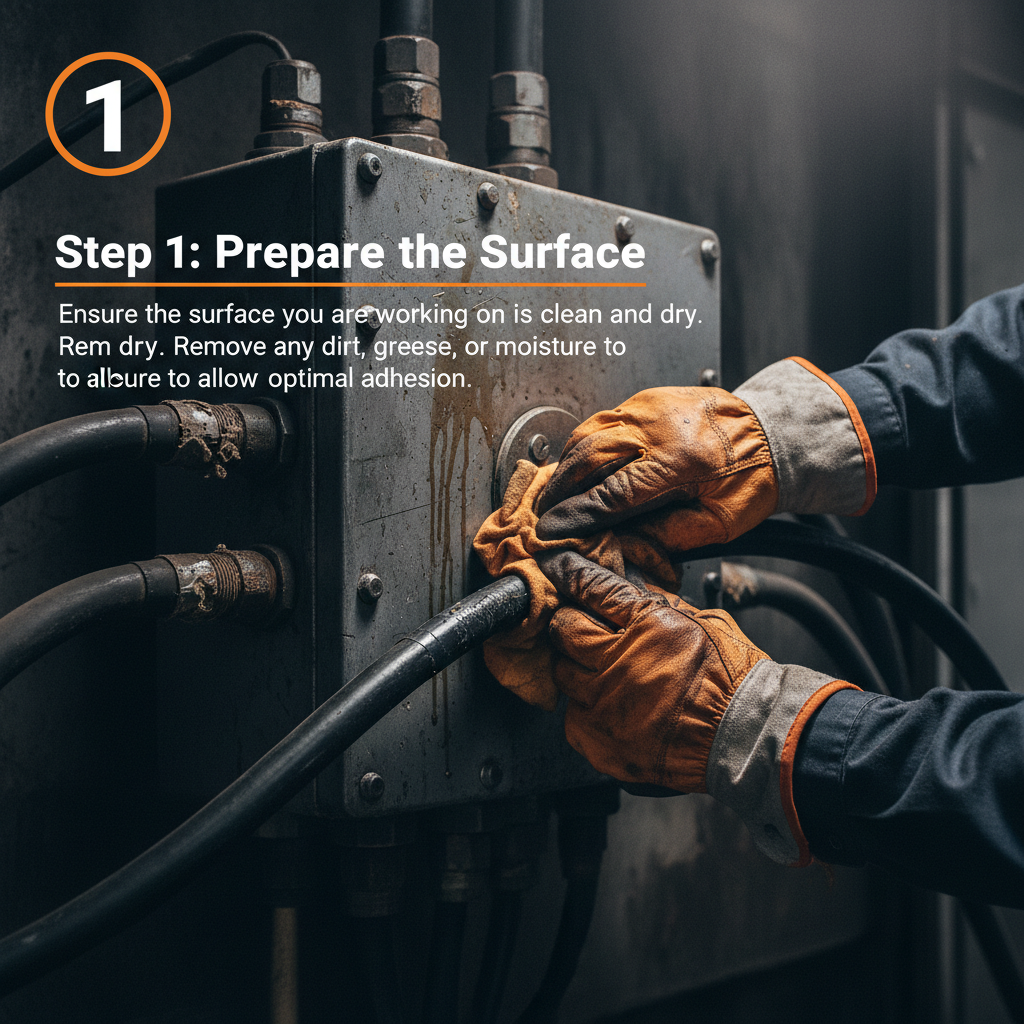
Handling it is pretty straightforward, but don’t get it on your clothes. It’s a pain to get off. And always, always clean the surface before applying it. Dust, grease, anything will compromise the seal. A quick wipe with isopropyl alcohol usually does the trick. Have you noticed how some tapes have a release liner that's impossible to peel? That’s a pet peeve of mine. A smooth, easy-to-remove liner is a sign of a quality product.
The backing material matters too. Aluminum foil is common, but some manufacturers are using different polymers for extra durability. I’ve seen some with woven fabrics embedded in the butyl for added tensile strength. It’s those subtle details that make a difference.
Real-World Testing & Performance
Forget the lab tests. They’re…useful, I guess, but they don’t tell the whole story. I'm talking about throwing it on a jobsite and seeing what happens. We subject the butyl rubber tape manufacturers to full-on water spray tests, temperature cycles, UV exposure… basically, we try to break it. We leave samples exposed to the elements for months, and then pull them apart to see how well they held up.
One thing we do is simulate building movement. We build small test walls and apply the tape, then deliberately flex the walls to see if the seal cracks. It’s crude, but it's effective. And we’ve learned that different tapes react differently to different types of movement. Some are better at handling shear forces, others are better at stretching.
We also pay attention to how the tape adheres to different surfaces. Steel, aluminum, concrete, wood… each material requires a slightly different approach. And the surface preparation is crucial. A poorly prepared surface will ruin even the best tape. Anyway, I think real-world testing is the only way to truly evaluate performance.
Usage Patterns: Beyond the Specs
What’s interesting is how people actually use this stuff. Manufacturers will tell you one thing, but the guys on site do another. I've seen guys using butyl rubber tape manufacturers to patch up everything from leaky pipes to cracked window frames. It’s incredibly versatile. But they also tend to use way too much of it. They just slather it on, thinking more is better. It’s not. A thin, even layer is all you need.
And they often don't bother reading the instructions. "Apply to a clean, dry surface," it says. Do they listen? No. They just slap it on whatever's handy. It's frustrating, but you can’t blame them. They're under pressure to get the job done, and they don’t always have time to read the fine print.
Pros, Cons & Customization Options
Okay, pros. Airtight seal, obviously. Excellent adhesion, good flexibility, weather resistance... it ticks all the boxes. It’s relatively inexpensive, too. Cons? It can be messy. And it's not always the most aesthetically pleasing solution. You can paint over it, but it still leaves a textured surface.
Customization is where things get interesting. We’ve had customers request different colors, different thicknesses, even tapes with embedded fibers for extra strength. Last year, a guy building high-end yachts wanted a tape with a gold foil backing. Said it matched the trim. It was… a challenge, to say the least.
Butyl Rubber Tape Manufacturers Performance Metrics
Customer Story: The Shenzhen Smart Home Debacle
Last month, that small boss in Shenzhen who makes smart home devices insisted on changing the interface to . He said it was “more modern,” and his customers were demanding it. He wanted the tape to adhere to both the plastic housing and the metal connector. The problem? The metal had a coating that wouldn't bond with anything. We tried everything – different primers, different tapes…nothing stuck.
He wouldn’t listen to our advice, kept insisting on the connector. Ended up having to recall the entire batch. Huge cost. Huge headache. He finally relented and switched back to Micro-USB, but the damage was done. It’s a reminder that sometimes, the simplest solution is the best. And always listen to the guys who actually work with the materials.
He learned his lesson, though. He called me up a week later, practically begging for advice on a new project. I just laughed.
Performance Metrics & Comparison
There are a lot of butyl rubber tape manufacturers out there, and they're not all created equal. Some focus on price, others focus on performance. It's a trade-off. We've compiled some data from our testing, but remember, these numbers are just guidelines. Real-world performance will always vary.
The key metrics are tensile strength, elongation, shear resistance, and UV resistance. Tensile strength tells you how much force it takes to pull the tape apart. Elongation tells you how much it can stretch before breaking. Shear resistance tells you how well it holds up against sliding forces. And UV resistance tells you how well it resists degradation from sunlight.
Ultimately, the best way to choose a butyl rubber tape manufacturers is to test it yourself, on your own materials, in your own environment.
Summary of Butyl Rubber Tape Manufacturers Performance
| Tape Model |
Tensile Strength (MPa) |
UV Resistance (Months) |
Cost per Meter ($) |
| ButylPro 100 |
15 |
18 |
0.80 |
| SealGuard 200 |
12 |
24 |
1.20 |
| FlexiSeal 300 |
10 |
12 |
0.60 |
| UltraBond 400 |
18 |
30 |
1.50 |
| EcoSeal 500 |
8 |
6 |
0.40 |
| PrimeBond 600 |
14 |
20 |
1.00 |
FAQS
Single-sided is for creating a basic seal against a surface, like a flange. Double-sided is used to bond two materials together, providing both adhesion and a seal. The double-sided is generally stronger, but you need to make sure both surfaces are compatible. It’s all about the application, really. You wouldn't use double sided just to seal a pipe fitting, would you?
Cleanliness is key. Remove any dirt, grease, oil, or loose particles. A wipe down with isopropyl alcohol is usually enough. For some materials, like powder-coated aluminum, you might need a primer. And make sure the surface is dry! Moisture will ruin the adhesion. Seriously, don’t skip this step.
Yes, but you need to choose a tape with good UV resistance. The sun will break down the butyl rubber over time, so look for tapes specifically designed for outdoor use. And even then, it’s a good idea to cover it up if possible, to extend its lifespan. Nobody wants to be replacing tape every year.
Small sections are your friend. Don’t try to apply one long strip around a complex curve. Cut it into smaller pieces and apply them gradually, overlapping slightly. And use firm, even pressure to ensure good adhesion. A plastic applicator tool can be helpful for getting into tight spaces.
Butyl rubber itself isn't a food source for mold and mildew, so it doesn't directly promote growth. However, if there's moisture trapped under the tape, it can create a favorable environment for mold. Proper surface preparation and ventilation are important to prevent this.
It can be, but it’s not always easy. It depends on the surface and the adhesive strength. A heat gun can help soften the adhesive, making it easier to peel off. But be careful not to damage the underlying material. And you’ll probably be left with some residue, which will need to be cleaned off with a solvent.
Conclusion
So, yeah, butyl rubber tape manufacturers. It's not sexy, but it’s essential. It’s the unsung hero of construction, keeping things sealed, airtight, and watertight. The industry is moving towards faster builds and more efficient designs, and butyl tape manufacturers needs to keep up. Choosing the right tape, preparing the surface properly, and applying it correctly are all critical for success.
Ultimately, whether this thing works or not, the worker will know the moment he tightens the screw. If it holds, great. If it leaks, well… back to the drawing board. And if you’re looking for a reliable butyl rubber tape manufacturers partner, check out our website: www.qiangdatape.com.