
The Indispensable Role of self amalgamating tape in Modern Industrial Applications
In demanding industrial environments, robust and reliable electrical insulation and sealing solutions are paramount. The emergence of self amalgamating tape, particularly advanced formulations like PlB self-amalgamating Tape, has revolutionized how critical connections are protected. This specialized form of insulating tape, also known as amalgamating tape, self annealing tape, or self vulcanizing tape, possesses a unique property: when stretched and wrapped, its layers fuse together into a solid, homogeneous mass without the need for adhesive, heat, or external pressure. This creates a seamless, void-free electrical insulation and moisture seal that outperforms conventional tapes in harsh conditions.
Its exceptional dielectric strength, weather resistance, and ability to conform to irregular shapes make it an indispensable asset across a multitude of sectors, from high-voltage power transmission to marine and telecommunications infrastructure. The PlB self-amalgamating Tape, specifically, leverages polyisobutylene (PIB) rubber to deliver superior performance in terms of insulation, waterproofing, and long-term durability, crucial for maintaining operational integrity and safety.
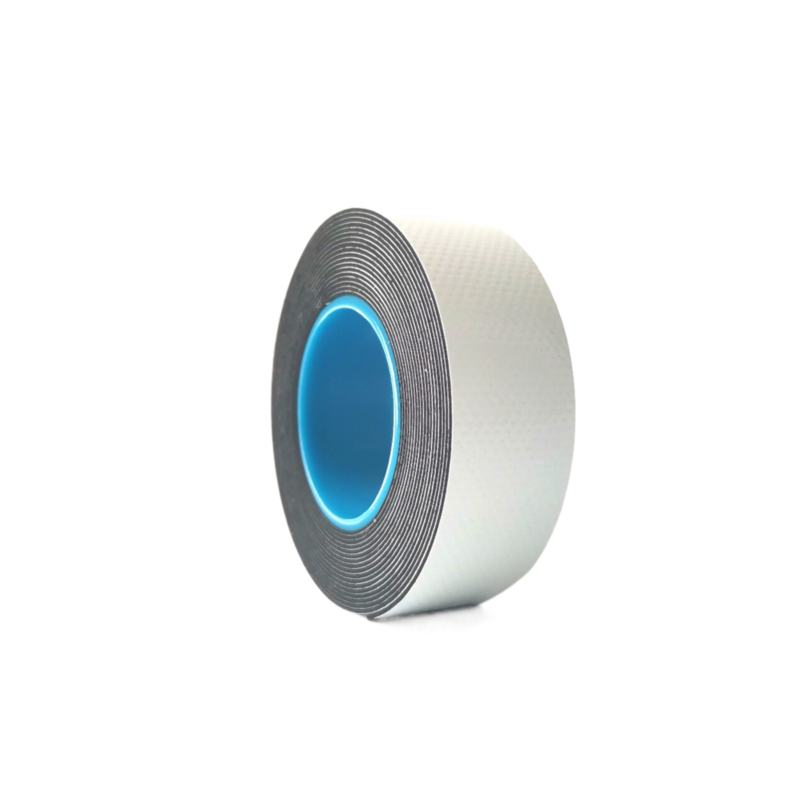
Manufacturing Process: Precision Engineering for Superior Self Amalgamating Tape
The production of high-performance self amalgamating tape is a highly specialized process, ensuring the unique properties that make it so effective. The PlB self-amalgamating Tape, for instance, follows a meticulously controlled manufacturing flow to achieve its exceptional characteristics:
- Material Selection and Compounding: The foundation of quality amalgamating tape lies in its raw materials. For PIB self-amalgamating tapes, high-grade polyisobutylene (PIB) rubber is selected, often blended with specific elastomers, tackifiers, anti-oxidants, and fillers. These components are precisely weighed and mixed in a high-shear mixer at controlled temperatures. This compounding process is critical to ensure uniform dispersion and optimize the material's amalgamation capabilities, elasticity, and long-term stability.
- Extrusion (Casting): The compounded material is then fed into an extruder. Through a process analogous to casting, the molten polymer is forced through a die to form a continuous, thin sheet. Precise control over temperature and die geometry is essential to achieve uniform thickness and width, directly impacting the tape's performance and consistency.
- Lamination with Release Liner: Immediately after extrusion, the still-warm tape is typically laminated onto a silicone-coated release liner. This liner prevents the tape from amalgamating onto itself while still in roll form and allows for easy unwinding during application. The type and quality of the release liner are crucial for user experience.
- Cooling and Curing: The laminated tape then undergoes a controlled cooling process, often followed by a brief curing phase (not true vulcanization, but a stabilization of polymer chains). This optimizes the material's elastic memory and ensures the unique amalgamation properties are fully developed.
- Slitting and Winding: Large master rolls are then precisely slit into the desired widths (e.g., 19mm, 25mm, 38mm, 50mm) using high-precision cutting equipment. These narrower strips are then wound onto individual cores to create the final product rolls.
- Quality Control and Testing: Throughout the entire process, rigorous quality control measures are implemented. This includes checking material composition, thickness, width, tensile strength, elongation at break, dielectric strength, and most importantly, the amalgamation rate. Products are tested against international standards such as ASTM D4388, BS EN 60454, and various ISO requirements to ensure consistent performance and reliability.
The service life of high-quality self amalgamating tape, particularly PlB formulations, can exceed 20 years in typical outdoor applications due to its excellent UV and ozone resistance. Target industries benefiting from these advantages include petrochemical, metallurgy, water supply & drainage, telecommunications, marine, and power generation & distribution. In these sectors, its advantages include significant energy saving by preventing current leakage, superior corrosion resistance for metal components, and simplified installation for maintenance personnel.
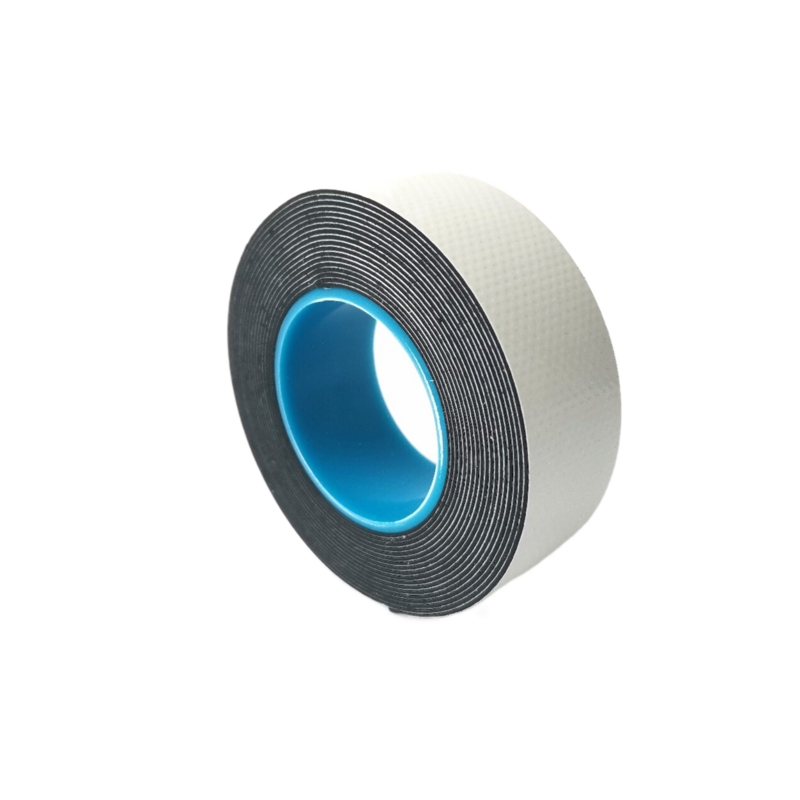
Industry Trends and Market Demand for Amalgamating Tape
The global market for electrical insulation solutions is experiencing significant growth, driven by expansion in renewable energy infrastructure, smart grid development, and the increasing complexity of industrial electrical systems. Self amalgamating tape stands at the forefront of this evolution due to its unparalleled performance in harsh environmental conditions. Key trends include:
- Increased Demand in Renewable Energy: Solar farms and wind turbines require robust, weather-resistant insulation for cabling and connections exposed to extreme elements. Vulcanizing tape provides reliable seals against moisture and UV degradation, extending the lifespan of critical components.
- Growth in Electric Vehicles (EVs) and Charging Infrastructure: High-voltage cabling in EVs and rapid charging stations necessitates superior insulation and sealing, an area where self vulcanizing tape excels.
- Smart Grid Modernization: Upgrading aging electrical grids often involves complex splicing and sealing of cables, where the conforming nature and permanent seal of amalgamating tapes are invaluable.
- Miniaturization and Higher Power Density: As electrical components become smaller and handle higher power, the need for compact, highly effective insulation like self amalgamating tape becomes more critical.
- Emphasis on Environmental Durability: With climate change impacts, industries are seeking materials that offer enhanced resistance to temperature extremes, chemicals, and moisture for extended periods without degradation.
These trends highlight a growing appreciation for the long-term cost savings and enhanced safety provided by premium insulation solutions like PlB self-amalgamating Tape. End-users are increasingly prioritizing products that reduce maintenance frequency and improve system reliability.
Technical Specifications of PlB Self Amalgamating Tape
Understanding the technical specifications of self amalgamating tape is crucial for engineers and procurement specialists to ensure optimal performance in specific applications. PlB self-amalgamating Tape is engineered to meet stringent industry standards, offering a blend of electrical, mechanical, and environmental properties.
PlB Self-Amalgamating Tape Typical Specifications
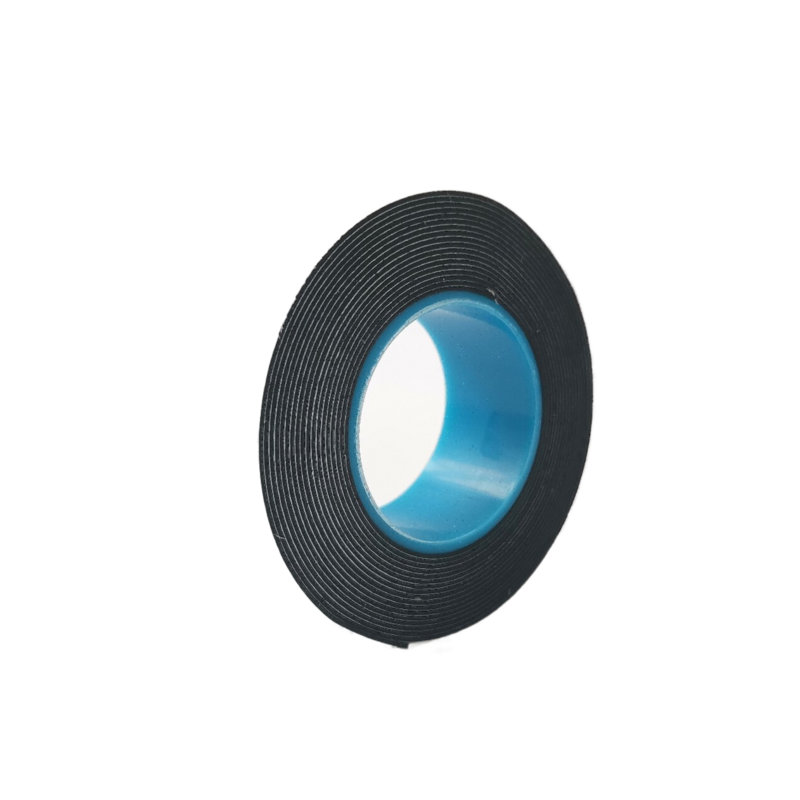
These parameters underscore the tape's suitability for high-performance applications where electrical integrity and environmental protection are non-negotiable. The high dielectric strength ensures effective insulation even under significant electrical stress, while excellent elongation allows for tight, void-free wraps over complex geometries.
Application Scenarios for Self Amalgamating Tape
The versatility of self amalgamating tape, particularly PlB formulations, makes it indispensable across a diverse range of industrial and commercial applications. Its ability to create a permanent, watertight seal and provide robust electrical insulation makes it ideal for protecting critical infrastructure.
- Electrical Splicing and Cable Repair: From low-voltage automotive wiring to high-voltage power cables, amalgamating tape is used to insulate and moisture-seal cable splices and repairs, ensuring long-term electrical integrity in underground, overhead, and submerged installations.
- Moisture Sealing and Waterproofing: It forms an impenetrable barrier against water, dust, and corrosive elements, making it perfect for sealing coaxial cable connectors, antenna connections, and cable glands in telecommunications, marine, and outdoor electrical systems.
- Corrosion Protection: The void-free seal prevents moisture and oxygen from reaching metal components, significantly reducing galvanic corrosion in pipe wraps, underground utilities, and exposed metal parts.
- Busbar Insulation: In switchgear and control panels, self vulcanizing tape is used to insulate busbars and other irregular shapes, enhancing safety and preventing short circuits.
- Hose and Pipe Repair: As a temporary or emergency repair, it can seal leaks in pipes and hoses under low pressure, making it a valuable tool in plumbing and industrial maintenance.
- Automotive and Marine Applications: Protecting wiring harnesses, battery terminals, and sensor connections from engine heat, road salt, and seawater is a common application.
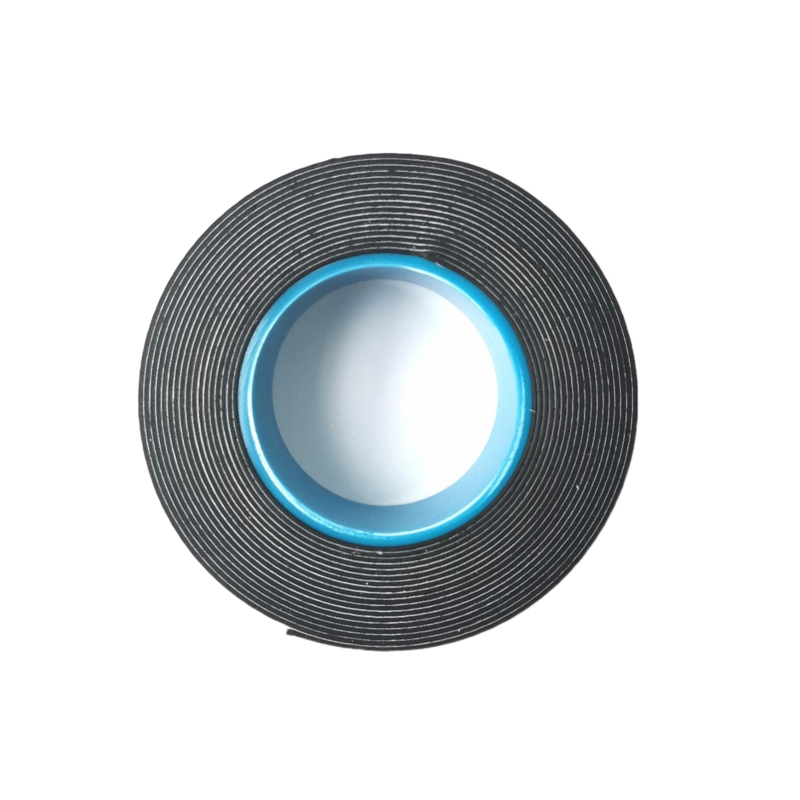
These scenarios demonstrate the tape's robust capabilities in preventing electrical failures, reducing maintenance costs, and extending the operational life of critical infrastructure components. Its adaptability to diverse environmental challenges makes it a preferred solution for engineers globally.
Technical Advantages and Benefits
The technical advantages of PlB self amalgamating tape over conventional electrical tapes are manifold, positioning it as a superior choice for critical applications:
- Permanent, Void-Free Seal: Unlike adhesive tapes, self amalgamating tape fuses into a solid, rubbery mass, eliminating air voids and potential pathways for moisture ingress. This creates an impermeable barrier against water, chemicals, and gases.
- Exceptional Electrical Insulation: With high dielectric strength, it provides excellent insulation for both low and high voltage applications, minimizing current leakage and enhancing safety.
- Conformability to Irregular Shapes: Its inherent elasticity allows it to stretch and conform snugly around complex and irregular surfaces, ensuring a complete and uniform seal where rigid insulators would fail.
- Resistance to Environmental Extremes: PIB-based tapes exhibit excellent resistance to UV radiation, ozone, extreme temperatures (-40°C to +90°C), and various chemicals, ensuring long-term performance outdoors and in harsh industrial settings.
- No Adhesives, No Residue: The tape adheres to itself without any sticky adhesive backing, which means no residue on conductors or tools, and clean, hassle-free application and removal (if ever needed for maintenance).
- Durability and Longevity: The integrated, homogeneous mass formed after amalgamation is highly durable, resisting abrasion and mechanical stress, contributing to a significantly extended service life for protected components.
- Simplified Installation: The ease of application—simply stretch and wrap—reduces installation time and labor costs, particularly in situations where complex heat-shrink sleeves or resins would be cumbersome.
These cumulative advantages translate into enhanced operational reliability, reduced downtime, and significant cost savings over the lifespan of electrical and communication infrastructure.
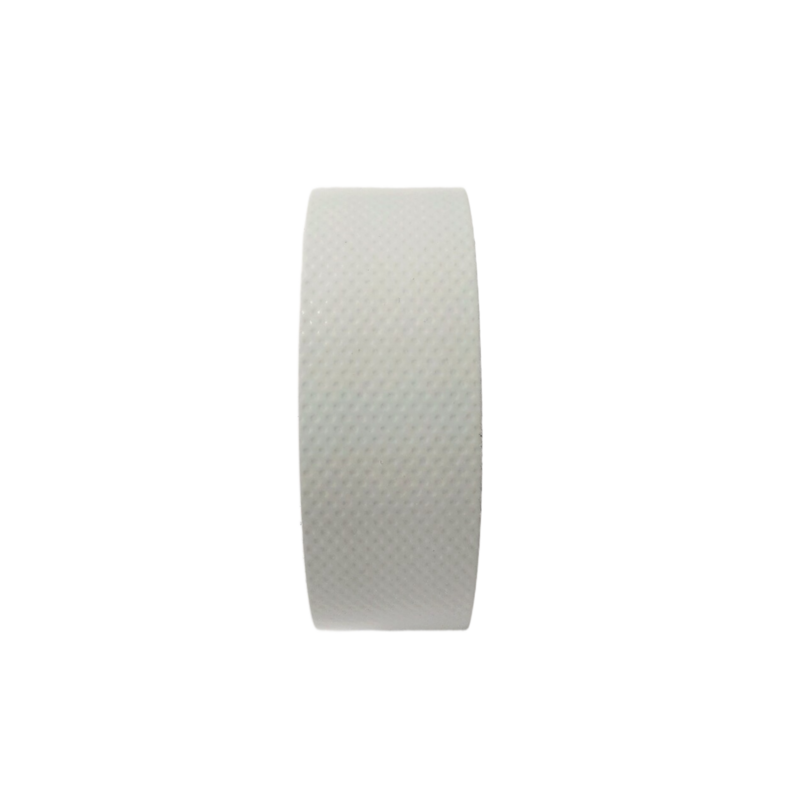
Vendor Comparison and Customized Solutions
When selecting a supplier for self amalgamating tape, it is imperative to evaluate not just product specifications but also vendor capabilities, quality certifications, and the ability to offer customized solutions. Qiangda Tape, with its focus on advanced materials and precise manufacturing, stands out in the market.
Comparative Analysis of Self Amalgamating Tape Offerings
Customized Solutions from Qiangda Tape
Recognizing that standard products may not always meet every unique project requirement, Qiangda Tape offers comprehensive customized solutions for self amalgamating tape. This includes:
- Custom Dimensions: Producing tapes in specific widths, thicknesses, and lengths to perfectly fit specialized applications, optimizing material usage and application efficiency.
- Tailored Formulations: Adjusting the polymer blend to enhance specific properties such as higher temperature resistance, improved chemical resistance, or accelerated amalgamation rates for niche industrial demands.
- Color Customization: Offering different colors for specific identification or aesthetic requirements, particularly useful in complex wiring systems or brand differentiation.
- Private Labeling and Packaging: Providing options for custom branding, packaging, and specific core sizes, catering to distributors and large-scale industrial clients.
Our R&D team works closely with clients to develop solutions that address their precise technical challenges, ensuring that the final product not only meets but exceeds expectations. This collaborative approach underlines our commitment to being a solution-oriented partner rather than just a supplier.
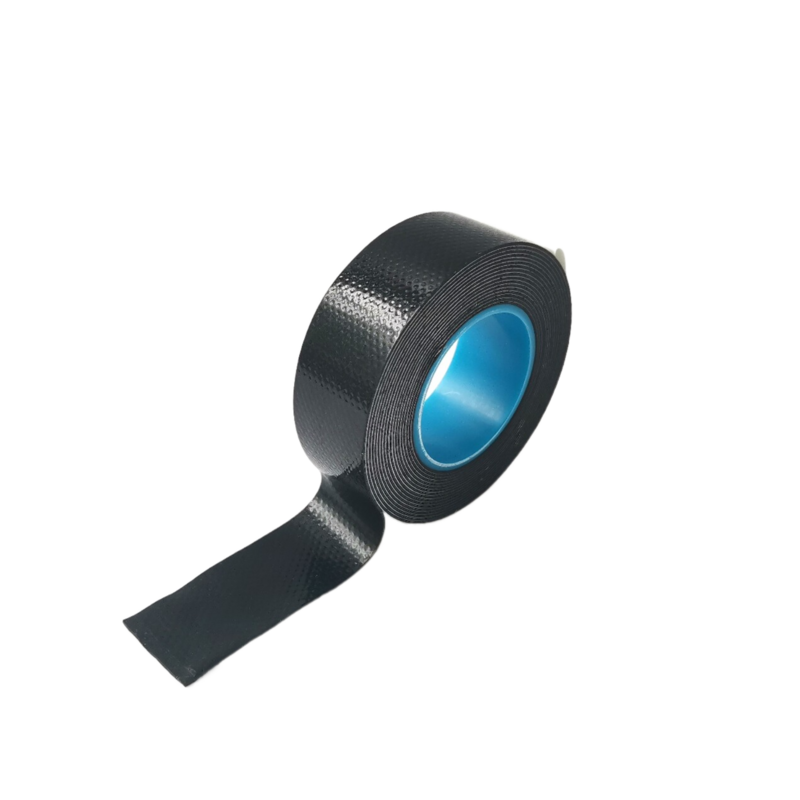
Application Case Studies and Customer Success
The real-world performance of PlB self amalgamating tape is best illustrated through its successful application in various challenging scenarios:
- Case Study 1: Submersible Pump Wiring in Mining Operations
A leading mining company faced recurring issues with water ingress and electrical short circuits in the wiring of its submersible pumps, operating in highly corrosive and wet conditions. Traditional vinyl and rubber tapes failed within months. Upon recommendation, they switched to PlB self-amalgamating Tape for all cable splices and insulation. The tape's robust waterproofing and electrical properties created an impermeable seal, completely eliminating moisture-related failures. The company reported a 70% reduction in electrical maintenance costs for these pumps over a two-year period and significantly extended the lifespan of their submersible electrical connections. - Case Study 2: Telecommunications Antenna Connections in Coastal Regions
A major telecommunications provider operating cell towers in coastal areas struggled with signal degradation and equipment damage due to salt spray, humidity, and high winds affecting antenna connectors. After implementing PlB self-amalgamating Tape as the primary seal for all coaxial cable connections, the provider observed a dramatic improvement in signal stability and a near-zero rate of connector corrosion and water damage. The ease of application also reduced installation time for new sites by 20%, contributing to faster network expansion. - Case Study 3: Insulating High-Voltage Busbars in Power Substations
An electrical utility company required a flexible yet highly insulating solution for irregular busbar connections within an outdoor substation. The tight spaces and complex geometries made traditional rigid insulation challenging. PlB self-amalgamating Tape was applied, conforming perfectly to the busbar shapes and creating a high-dielectric insulation barrier. The project engineer praised the tape’s ability to provide a seamless, uniform insulation layer, which enhanced safety for maintenance personnel and ensured reliable power distribution even under fluctuating weather conditions.
These examples showcase the tangible benefits of choosing high-quality self amalgamating tape for critical industrial challenges. Our customers consistently report improved operational efficiency, reduced maintenance overheads, and enhanced system longevity.
Ensuring Trustworthiness: FAQs, Lead Times, Warranty, and Support
At Qiangda Tape, we understand that trust is built on transparency, reliability, and robust support. Here’s how we ensure a trustworthy partnership for your self amalgamating tape needs.
Frequently Asked Questions (FAQ)
- Q: What is the primary difference between self amalgamating tape and regular electrical tape?
- A: Regular electrical tape relies on adhesive to stick and insulate, which can degrade over time and allow moisture ingress. Self amalgamating tape, like our PlB product, chemically fuses to itself upon stretching to form a solid, void-free, watertight, and electrically insulating mass without adhesive.
- Q: Can PlB self amalgamating tape be applied in cold weather?
- A: Yes, our PlB tape retains its flexibility and amalgamation properties down to -40°C. However, for optimal application, it is generally recommended to work in temperatures above 0°C if possible. If applied in very cold conditions, ensure the tape is stretched sufficiently to initiate amalgamation.
- Q: Is this tape resistant to oil and fuel?
- A: PlB self amalgamating tape offers good resistance to many common oils and fuels, but specific chemical resistance varies. For applications involving constant exposure to aggressive chemicals, please consult our technical datasheet or contact our support team for specific recommendations.
- Q: How much should the tape be stretched during application?
- A: For proper amalgamation and a strong seal, the tape should be stretched to approximately two-thirds of its original width during application. This ensures sufficient tension and material flow for the layers to fuse effectively.
Lead Time & Fulfillment Details
We maintain efficient production lines and robust inventory management to ensure timely delivery. Standard orders for PlB self amalgamating tape typically have a lead time of 7-14 business days, depending on order volume and current stock. For customized solutions or large-volume orders, lead times will be provided upon quotation, ensuring clarity and planning. We offer flexible shipping options to meet your project deadlines globally.
Warranty Commitments
Qiangda Tape stands behind the quality of its PlB self amalgamating tape with a comprehensive product warranty. Our tapes are guaranteed to be free from defects in material and workmanship for a period of 12 months from the date of purchase, when stored and applied according to our guidelines. This commitment reflects our confidence in the product's performance and durability under specified conditions.
Customer Support Information
Our dedicated customer support team is available to assist you with technical inquiries, order placement, and after-sales service. We provide expert guidance on product selection, application techniques, and troubleshooting to ensure your projects succeed. You can reach us via:
- Email: sales@qiangdatape.com
- Phone: +86-571-88888888 (example number)
- Website: Live Chat available at https://www.qiangdatape.com
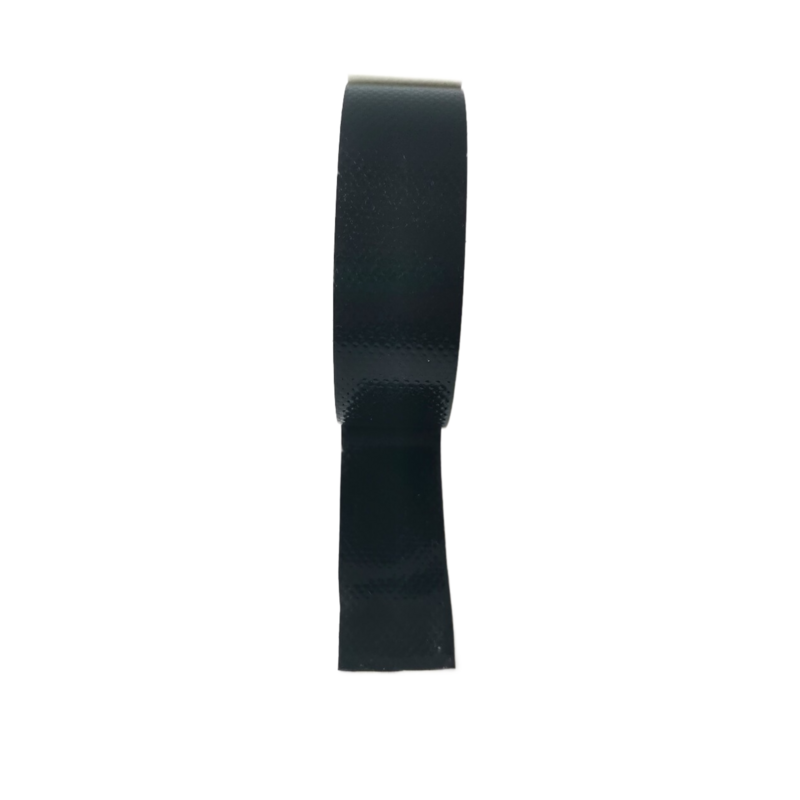
We are committed to providing an exceptional experience, from initial inquiry to long-term project support, solidifying our position as a trusted partner in industrial insulation solutions.
Authoritative References
- ASTM International. (2020). Standard Specification for Self-Amalgamating Silicone Rubber Tapes for Electrical Insulation. ASTM D4388/D4388M-20. Retrieved from www.astm.org
- International Electrotechnical Commission. (2007). Insulating and Sheathing Materials for Cables and Flexible Cords – Part 3-2: PVC Insulating Compounds. IEC 60227-3:2007. Retrieved from www.iec.ch
- IEEE Standards Association. (2018). IEEE Guide for the Application of Elastomeric Tapes to Shielded Power Cables. IEEE Std 404-2018. Retrieved from standards.ieee.org
- The European Committee for Electrotechnical Standardization. (2009). Pressure-sensitive adhesive tapes for electrical purposes. BS EN 60454:2009. Retrieved from www.cenelec.eu
- U.S. Department of Energy. (2015). Electrical Insulation Testing Handbook. Retrieved from www.energy.gov
-
Industrial Fire Proof Tape Guide for High Temperature ProtectionNewsApr.16,2026
-
Ultimate Guide to Fireproof Tape Protection and ApplicationsNewsApr.09,2026
-
Exploring Black Tack Butyl Applications and Benefits for Optimal SealingNewsApr.07,2026
-
Comprehensive Guide to Black Butyl Rubber Tape Applications and BenefitsNewsApr.04,2026
-
Comprehensive Guide to High Power Butyl Waterproof Tape ApplicationsNewsMar.31,2026
-
Comprehensive Guide to 360tronics Butyl Waterproof Tape for Airtight and Watertight SealsNewsMar.28,2026