
A Field Guide to Self-fusing Silicone Rubber Tape
I’ve been around enough power rooms and plant floors to know one thing: when insulation or a quick seal fails, clock time turns into money. That’s where Self-fusing Silicone Rubber Tape quietly earns its keep. No adhesive, no residue—just a clean, permanent fusion under tension. The current market? Growing, especially in EV, renewable energy, and marine retrofits. Many customers say they now keep a roll in every toolkit—because surprises happen.
What’s driving the trend
- Electrification push: EV battery leads, harnesses, inverter cabinets.
- High-temp zones: turbo bays, furnace lines, PV combiner boxes.
- Clean repairs: zero adhesive means zero mess (auditors like that, by the way).
Core specs (field-proven, lab-verified)
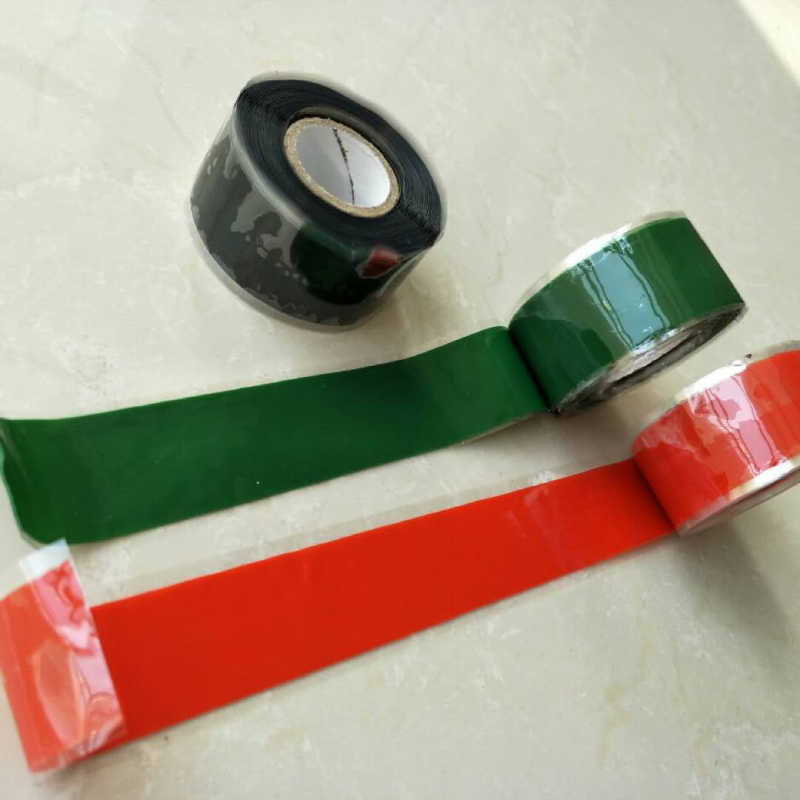
Product: Self-fusing Silicone Rubber Tape (Code: XF-GXJ), origin: OFFICE BUILDING OF MANAGEMENT COMMITTEE OF SHIZISHAN HIGH-TECH ZONE, TONGLING, ANHUI, CHINA. It’s an inorganic silicone rubber with an easy-peel protective liner; vendor notes “H-grade” and use up to 250°C (365°F)—to be honest, that °F looks conservative, but we’ll go with the datasheet claim.
| Parameter | Typical Value (≈, real-world may vary) |
|---|---|
| Base Polymer | Inorganic silicone rubber, self-amalgamating |
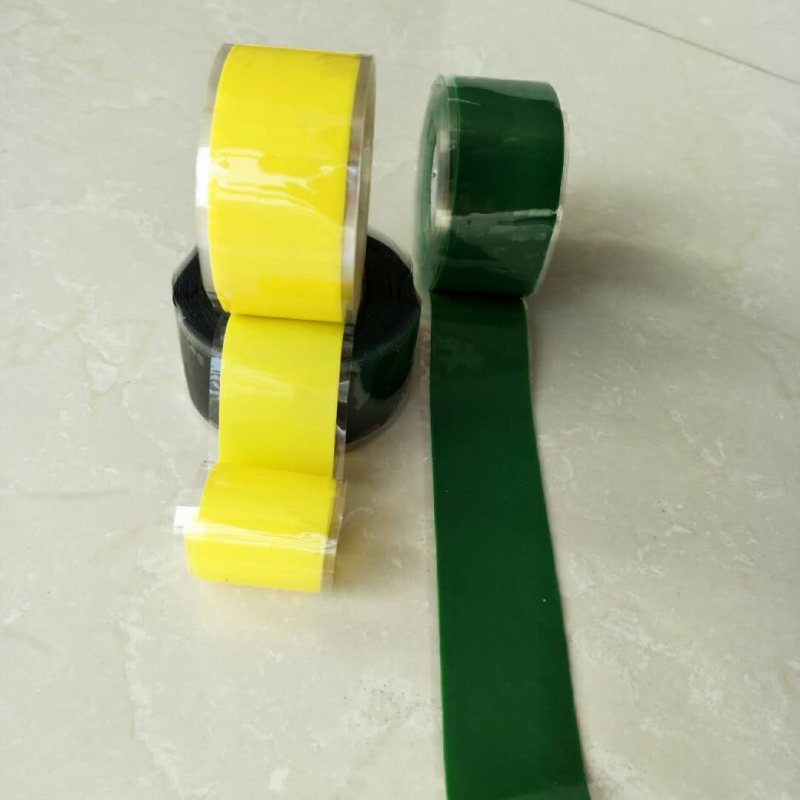
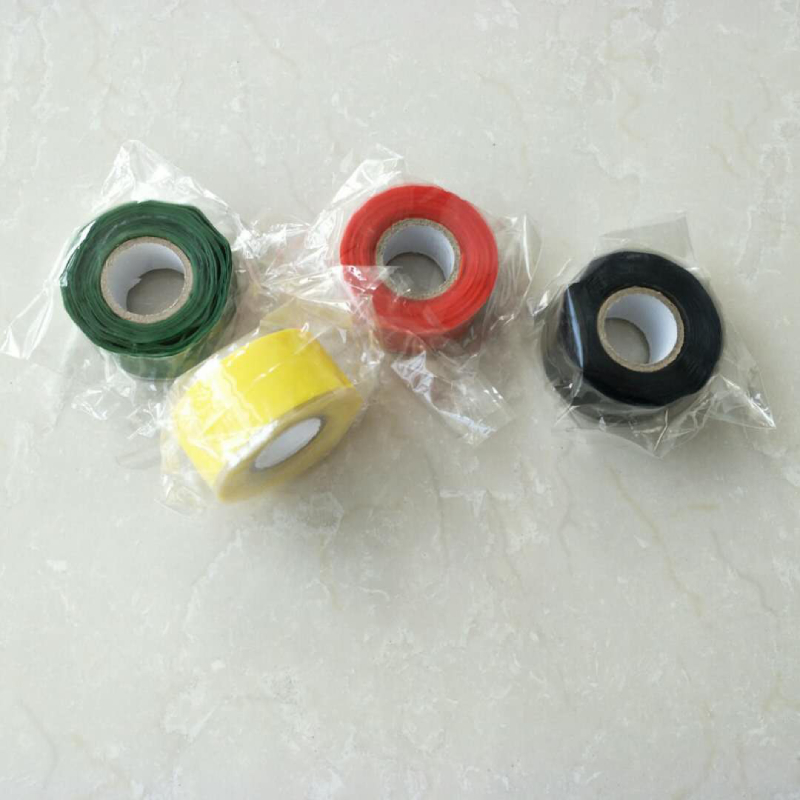
| Colors | Black/Red/White/Green/Blue/Yellow/Grey |
| Thickness | ≈0.3–0.8 mm |
| Widths | 19, 25, 38 mm (custom on request) |
| Elongation (ASTM D412) | ≥ 300–500% |
| Tensile Strength (ASTM D412) | ≥ 3.5 MPa |
| Dielectric Strength (ASTM D149) | ≈ 20–25 kV/mm |
| Operating Temp | -50°C to 250°C (per vendor H-grade note) |
| Weathering/UV | Pass 500 h ISO 4892-2, minimal chalking |
| Water/Ozone | Excellent; no adhesive to hydrolyze |
How it’s made (short version)
Materials are compounded silicone + inorganic fillers → calendered/extruded into sheet → vulcanized for network strength → laminated with an easy-peel protective liner → slit to width → aged/conditioned. QA pulls samples for Shore A (ASTM D2240), tensile/elongation (ASTM D412), dielectric (ASTM D149), and heat aging (IEC 60216). Service life? In moderate UV/ozone, I’d expect 10–20 years; coastal sun and oil mist may shorten that—your mileage will vary.
Where it shines
- Cable splices/terminations: anti-tracking outer wraps to resist electric marks.
- Automotive: turbo-adjacent looms, hose emergency seals.
- Renewables: PV connectors, wind nacelle harnesses.
- Marine/oil & gas: salt-fog areas; quick pipe leak wrapping (temporary).
- Aerospace/MRO: FOD-free harness bundling—no adhesive residue.
Vendor snapshot (quick compare)
| Vendor | Temp Rating | Dielectric | Certs | Lead Time | Notes |
|---|---|---|---|---|---|
| Qiangda XF-GXJ | ≈ -50 to 250°C | ≈ 20–25 kV/mm | RoHS/REACH (vendor typical) | ≈ 2–4 weeks | Strong color range; value pricing |
| Brand X (EU) | ≈ -60 to 220°C | ≈ 18–22 kV/mm | UL file + RoHS | Stock/short | Premium price |
| Premium US Brand | ≈ -55 to 260°C | ≈ 22–27 kV/mm | UL/CSA, RoHS | 1–3 weeks | High-temp extreme |
Customization and QC
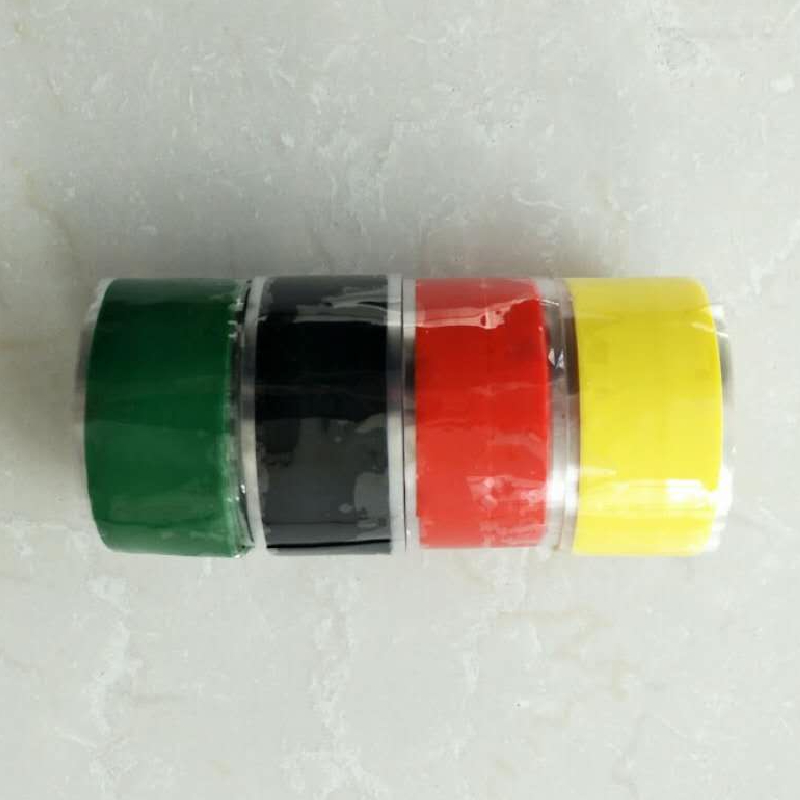
Custom widths/lengths, color coding, liner options (PTFE or PE), and print marks are common. Factory testing often includes D149 dielectric, D412 tensile/elongation, D2240 hardness, IEC 60243 breakdown, salt-fog (ASTM B117), and UV (ISO 4892). Batch CoAs help—ask for them.
Mini case notes (from the field)
- Wind farm splice rewrap: cut partial tracking, spiral two layers of Self-fusing Silicone Rubber Tape, overwrap with glass cloth—no outages for 14 months.
- EV busbar edge protection: double tensioned wraps reduced partial discharge events in routine PD tests.
- Marine pump leak: temporary seal at 5 bar held 48 hours until gasket swap—messy day saved.

Final tips
Stretch to 2–3× width and overlap by 50% for a watertight, track-resistant wrap. Clean (no oil), round sharp edges, and cap ends. For HV work, follow your utility’s spec, not just the tape box.
References
- ASTM D149: Standard Test Method for Dielectric Breakdown Voltage and Dielectric Strength.
- ASTM D412: Standard Test Methods for Vulcanized Rubber—Tension.
- ASTM D2240: Standard Test Method for Rubber Property—Durometer Hardness.
- IEC 60243/IEC 60216: Electric strength and thermal endurance of insulating materials.
- ISO 4892-2: Plastics—Methods of exposure to laboratory light sources.
- UL 94 (contextual flame rating) and RoHS/REACH directives for material compliance.
-
Industrial Fire Proof Tape Guide for High Temperature ProtectionNewsApr.16,2026
-
Ultimate Guide to Fireproof Tape Protection and ApplicationsNewsApr.09,2026
-
Exploring Black Tack Butyl Applications and Benefits for Optimal SealingNewsApr.07,2026
-
Comprehensive Guide to Black Butyl Rubber Tape Applications and BenefitsNewsApr.04,2026
-
Comprehensive Guide to High Power Butyl Waterproof Tape ApplicationsNewsMar.31,2026
-
Comprehensive Guide to 360tronics Butyl Waterproof Tape for Airtight and Watertight SealsNewsMar.28,2026