Electrical rubber tape waterproof is a critical component in ensuring the safety and reliability of electrical systems across a vast range of applications. From protecting splices in low-voltage wiring to providing a robust seal against environmental factors in high-voltage installations, this specialized tape plays a pivotal role in preventing failures, reducing hazards, and extending the lifespan of electrical equipment. Understanding its properties, applications, and advancements is therefore essential for engineers, technicians, and anyone involved in the electrical industry.
Globally, the demand for effective electrical insulation materials is constantly increasing due to expanding infrastructure projects, the growth of renewable energy sources, and the increasing complexity of electrical grids. The UN's Sustainable Development Goal 7, Affordable and Clean Energy, relies heavily on robust and reliable electrical infrastructure. Statistics from the International Energy Agency (IEA) indicate a projected 70% increase in global electricity demand by 2050, further emphasizing the need for high-quality insulation solutions like electrical rubber tape waterproof.
The increasing frequency of extreme weather events, as highlighted by the World Bank, also drives the need for waterproof and durable electrical protection. Faults in electrical systems due to water ingress can lead to significant economic losses, safety risks, and disruptions to essential services. Electrical rubber tape waterproof offers a practical and cost-effective solution to mitigate these risks and ensure the continuous operation of vital electrical systems.
Definition & Meaning
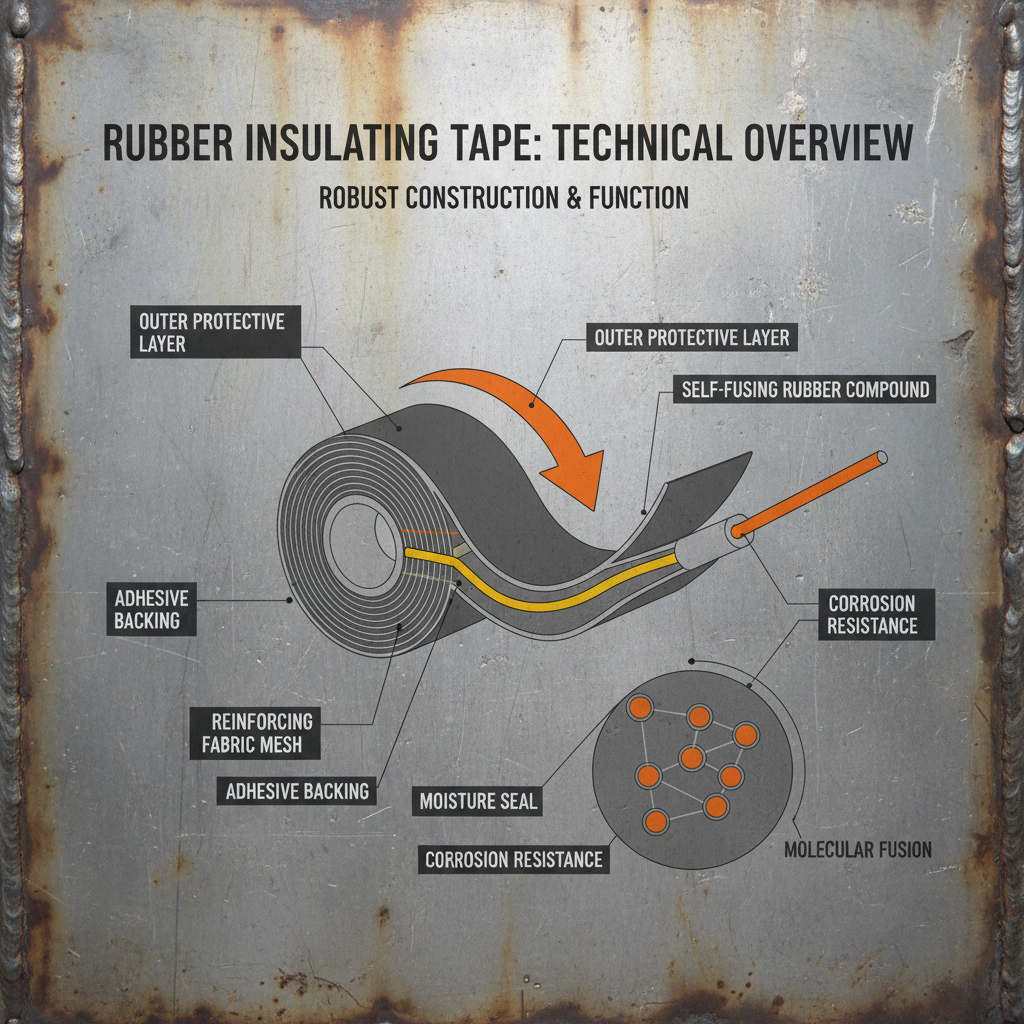
Electrical rubber tape waterproof, at its core, is a pressure-sensitive tape composed of a flexible rubber-based adhesive coating on a waterproof backing material. This backing is often made of a specialized synthetic rubber compound, providing both electrical insulation and a barrier against moisture. Its primary function is to insulate electrical connections, seal against environmental elements, and protect against corrosion.
This tape's connection to modern industry is profound. In a world increasingly reliant on electricity, the need to ensure the safe and reliable operation of electrical systems is paramount. Electrical rubber tape waterproof isn't merely an accessory; it’s a fundamental component in maintaining operational integrity across numerous sectors, including power generation, distribution, and utilization.
From a humanitarian perspective, the tape is crucial in emergency situations and disaster relief efforts. Providing safe and temporary electrical connections in the aftermath of natural disasters, ensuring access to power for critical infrastructure like hospitals and communication networks, relies heavily on readily available and effective electrical rubber tape waterproof solutions.
Key Factors or Core Components
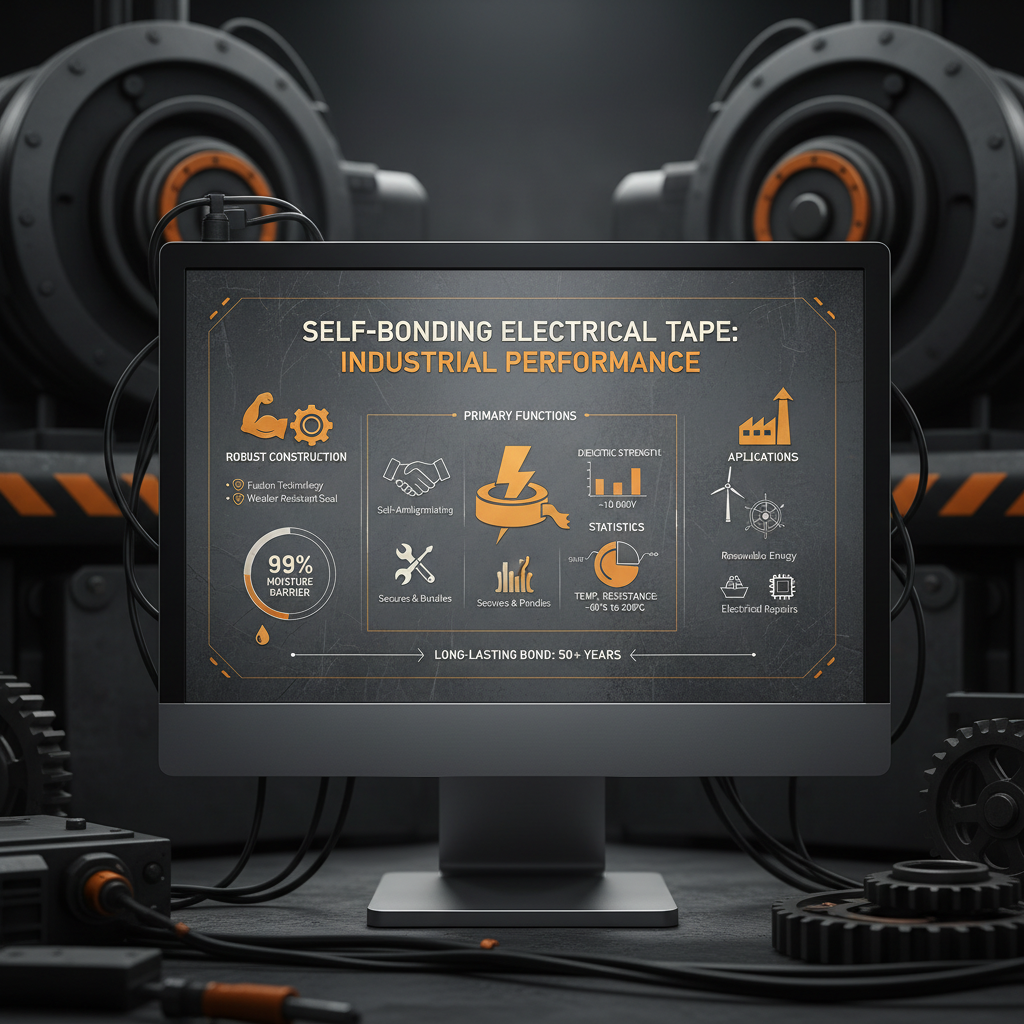
Several key factors contribute to the effectiveness of electrical rubber tape waterproof. Durability is a primary consideration, referring to the tape's resistance to physical wear and tear, abrasion, and UV exposure. A durable tape maintains its insulating properties over a longer period, reducing the need for frequent replacements. Next is Waterproofing, which is paramount, ensuring that moisture cannot penetrate the tape and compromise the electrical connection.
Adhesion Strength is another critical component. The tape must adhere firmly to a variety of surfaces, even in challenging conditions such as irregular shapes or dirty environments. Dielectric Strength refers to the tape's ability to withstand high voltages without breaking down, a key factor in high-voltage applications. Finally, Temperature Resistance is important, allowing the tape to perform reliably across a wide range of operating temperatures.
These components combine to make electrical rubber tape waterproof essential for applications like cable jointing in underground systems where constant moisture and physical stress are present, sealing electrical enclosures in harsh industrial environments, and insulating connections in marine applications where saltwater corrosion is a significant concern.
Global Applications & Use Cases
The applications of electrical rubber tape waterproof are incredibly diverse and span numerous industries globally. In the power generation sector, it's used extensively in the insulation of transformer bushings, cable terminations, and switchgear components. In the construction industry, it safeguards electrical wiring in buildings, ensuring compliance with safety regulations.
Furthermore, in remote industrial zones – think oil and gas platforms, mining operations, or arctic research facilities – where access to specialized equipment and repair services is limited, electrical rubber tape waterproof becomes an invaluable tool for quick repairs and preventative maintenance. Post-disaster relief operations also heavily rely on this tape to establish temporary electrical connections and restore power to critical infrastructure.
Regions with high humidity or frequent rainfall, like Southeast Asia and the Amazon basin, experience a heightened demand for waterproof electrical insulation. Similarly, coastal regions and maritime industries, where saltwater corrosion is prevalent, require robust sealing solutions, making electrical rubber tape waterproof an indispensable material.
Advantages & Long-Term Value
The advantages of using electrical rubber tape waterproof are numerous and extend beyond immediate safety concerns. Cost-effectively, it often presents a significantly cheaper alternative to replacing entire damaged components or undertaking extensive rewiring. In terms of sustainability, using durable and reliable tape reduces material waste associated with frequent replacements and contributes to a longer lifespan for electrical equipment.
From a social impact perspective, it bolsters public safety, reducing the risk of electrical shocks and fires. The reliability it provides translates into increased productivity and minimal downtime for businesses and critical infrastructure. Logically, this tape provides a straightforward, easy-to-apply solution that doesn’t require specialized tools or extensive training. Emotionally, knowing that electrical systems are adequately protected brings peace of mind to individuals and organizations.
Effectiveness of Different electrical rubber tape waterproof Methods
Future Trends & Innovations
The future of electrical rubber tape waterproof is likely to be shaped by advancements in materials science and manufacturing processes. Research into self-healing polymers and nanocomposite materials could lead to tapes with increased durability and enhanced insulation properties. The integration of smart sensors within the tape itself, capable of detecting temperature changes, moisture levels, or even electrical leakage, represents another promising avenue for innovation.
Aligned with the global shift towards green energy and sustainability, there's a growing demand for environmentally friendly electrical insulation materials. Biodegradable or recyclable tape options are under development, aiming to reduce the environmental impact of electrical waste. Digital transformation and automation are also influencing the industry, with automated tape application systems improving efficiency and precision in manufacturing and installation processes.
Challenges & Solutions
Despite its effectiveness, electrical rubber tape waterproof faces certain challenges. Achieving consistent adhesion on contaminated or irregular surfaces can be difficult. Ensuring long-term performance in extreme environments—high temperatures, corrosive atmospheres—requires careful material selection and application techniques. Counterfeit or substandard products can also pose a significant risk.
Solutions involve developing advanced surface preparation methods, such as specialized cleaning agents or primers, to enhance adhesion. Utilizing tapes formulated with materials specifically designed for harsh environments—such as silicone rubber or fluoropolymers—can improve durability. Rigorous quality control measures and industry certifications are essential for combating counterfeit products and ensuring that only genuine, high-quality electrical rubber tape waterproof reaches the market.
Frequently Asked Questions About electrical rubber tape waterproof
Most high-quality electrical rubber tape waterproof is designed to operate effectively within a temperature range of -30°C to 85°C (-22°F to 185°F). However, it's crucial to consult the manufacturer's specifications, as some specialized tapes can withstand even wider temperature variations. Exceeding the recommended temperature limits can compromise the tape's adhesive properties and insulating capabilities, leading to potential failures.
Yes, electrical rubber tape waterproof is generally suitable for outdoor use, provided it's specifically designed for that purpose. Look for tapes with UV resistance to prevent degradation from sunlight exposure. It's also essential to ensure the tape provides adequate waterproofing to protect against rain, snow, and humidity. Proper application and surface preparation are key to achieving a long-lasting, weatherproof seal.
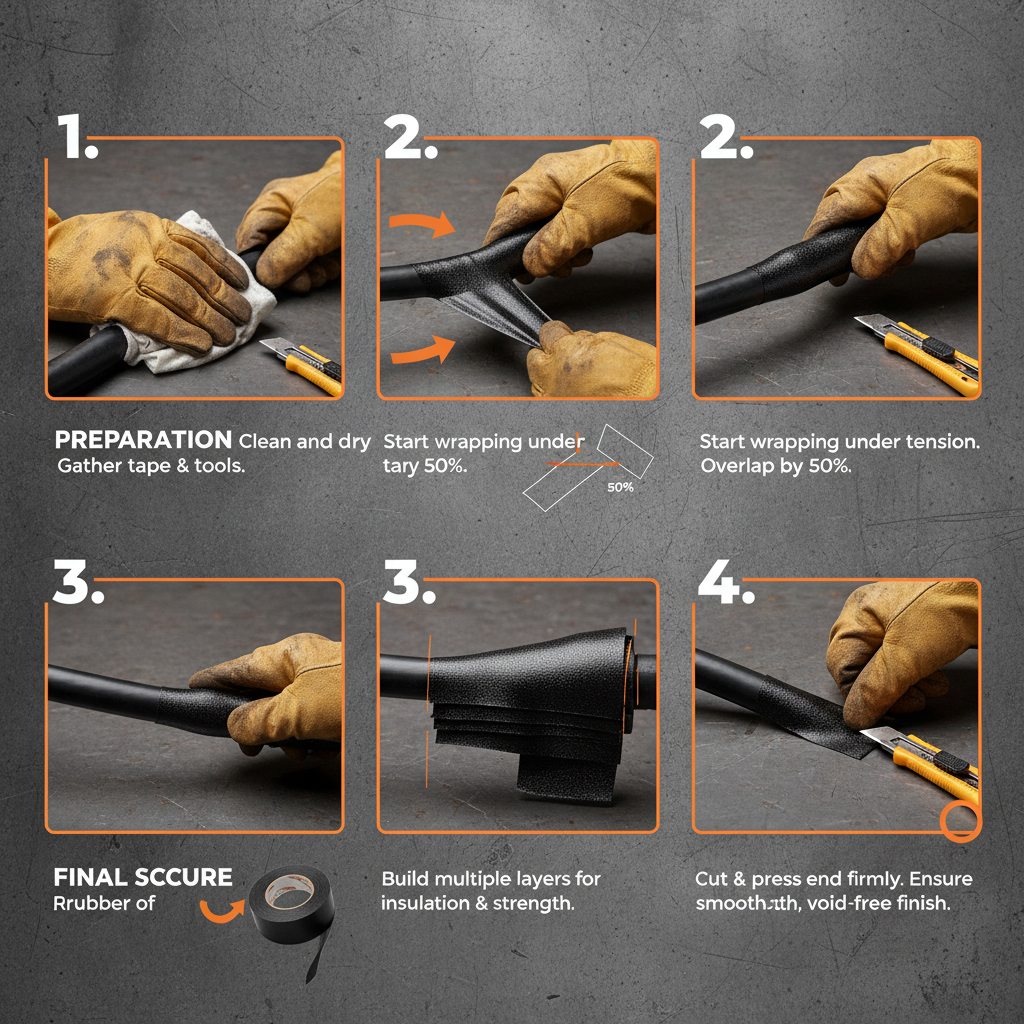
Proper application is critical. First, ensure the surface is clean, dry, and free of contaminants like oil, grease, and dust. Apply the tape with consistent tension, overlapping each layer by at least 50% to create a complete seal. Smooth out any air bubbles or wrinkles as you apply the tape. Avoid stretching the tape excessively, as this can reduce its adhesive strength.
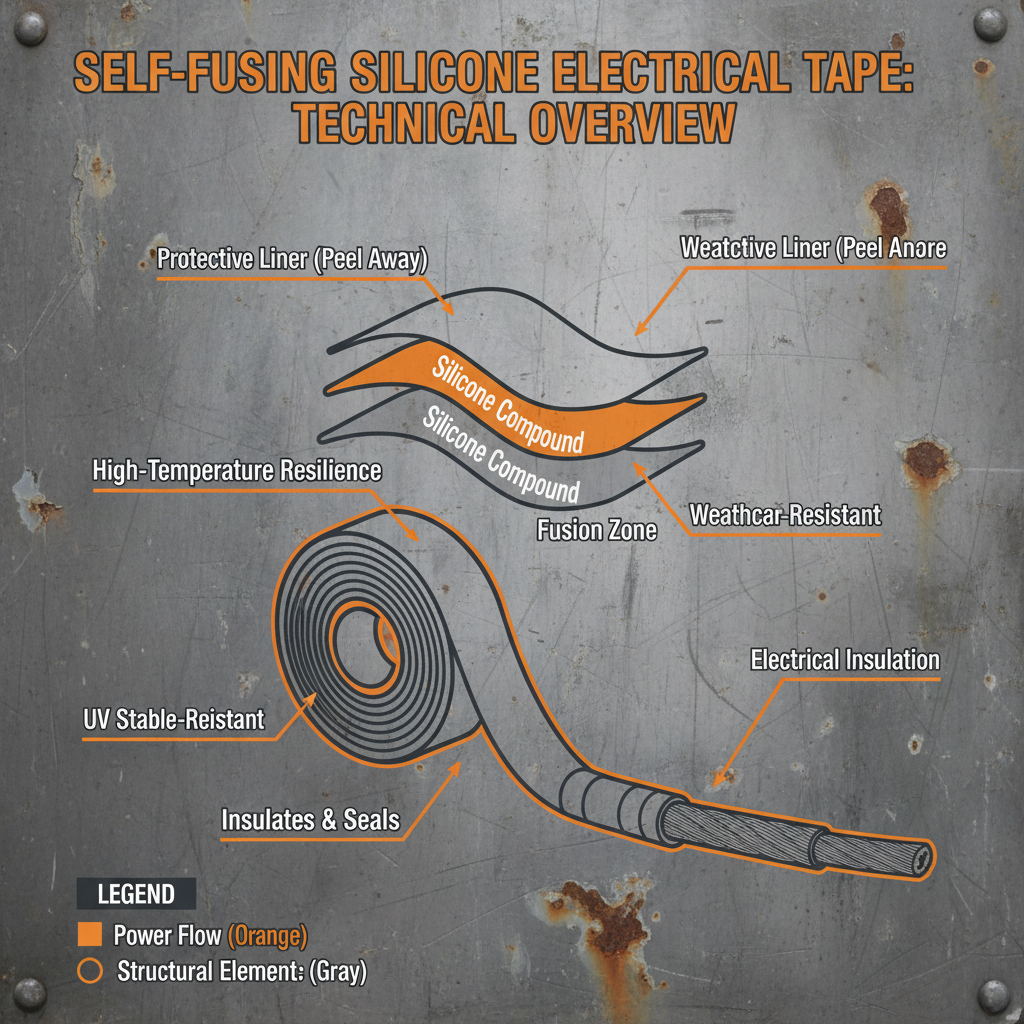
Various types cater to different needs. Self-amalgamating tape forms a waterproof seal without an adhesive, relying on pressure and fusion. Vinyl electrical tape is common for general insulation. Premium tapes use specialized rubber compounds for higher voltage and environmental resistance. Silicone rubber tape excels in high-temperature applications. Choosing the right type depends on the specific application’s requirements.
Generally, it is not recommended to apply electrical rubber tape waterproof to energized circuits. Working with live electricity is extremely dangerous and should only be performed by qualified and trained personnel. While some tapes are designed for temporary emergency repairs on energized systems, it’s always best practice to de-energize the circuit before performing any maintenance or insulation work for safety reasons.
The shelf life of electrical rubber tape waterproof typically ranges from 2 to 5 years, depending on the manufacturer and storage conditions. It’s best to store the tape in a cool, dry place away from direct sunlight and extreme temperatures. Regularly inspect the tape for signs of degradation, such as brittleness or loss of adhesion, before use. Properly stored tape will maintain its performance characteristics for an extended period.
Conclusion
In conclusion, electrical rubber tape waterproof is a foundational material in the modern electrical landscape, offering a vital combination of safety, reliability, and cost-effectiveness. From safeguarding power grids to enabling emergency repairs, its versatility and performance characteristics make it indispensable across a multitude of industries and applications. Understanding its properties, proper application techniques, and emerging trends is crucial for anyone involved in electrical work.
Looking ahead, continued innovation in materials science and manufacturing promises even more advanced electrical rubber tape waterproof solutions, capable of withstanding increasingly challenging environments and supporting the growing demand for sustainable energy infrastructure. We encourage you to explore our range of high-quality electrical rubber tape waterproof products and discover how we can help you ensure the safety and reliability of your electrical systems. Visit our website: electrical rubber tape waterproof.