Self bonding electrical tape represents a critical advancement in electrical maintenance and repair, offering a unique solution for insulation and protection without the need for additional securing methods. This innovative tape adheres strongly to itself, creating a robust and reliable seal, making it a vital component in various industries, from electrical engineering to automotive repair. Its ease of use and effectiveness are transforming how professionals approach electrical tasks, reducing downtime and improving safety.
Globally, the demand for reliable and efficient electrical solutions is constantly increasing, driven by infrastructure development, technological advancements, and the growing need for safe electrical systems. Self bonding electrical tape directly addresses this demand by providing a simple yet highly effective means of insulating and protecting electrical connections. According to a report by the International Electrotechnical Commission (IEC), there's a consistent upward trend in the adoption of self-amalgamating tapes in critical infrastructure projects worldwide.
Furthermore, the portability and minimal tool requirement of self bonding electrical tape make it an invaluable asset in emergency situations and remote locations, where traditional repair methods may be impractical or impossible. Understanding its properties and applications is crucial for anyone involved in electrical work, ensuring both safety and operational efficiency.
What is Self Bonding Electrical Tape?
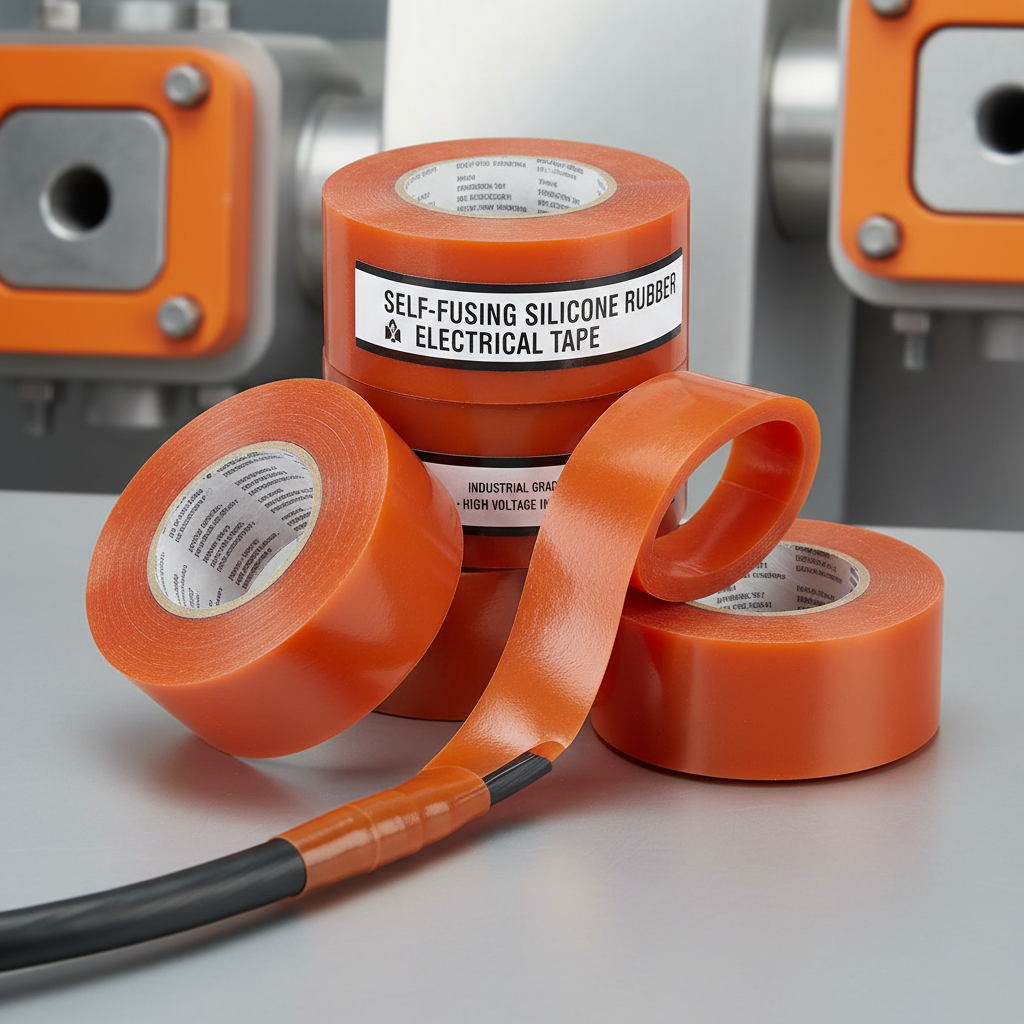
Self bonding electrical tape, also known as self-amalgamating tape, is a specialized type of electrical insulation designed to bond to itself when wrapped, forming a tight, waterproof, and electrically insulating seal. Unlike conventional electrical tape that requires overlapping layers for effective insulation, self bonding tape creates a cohesive bond without adhesives, providing a durable and reliable connection. This makes self bonding electrical tape an excellent choice for various applications where environmental protection and long-term performance are critical.
The unique properties of this tape stem from its composition, typically a blend of ethylene-vinyl acetate (EVA) or similar polymers. These materials possess inherent self-adhesive qualities, activated by stretching during application. The resulting bond is resistant to moisture, abrasion, and extreme temperatures, ensuring consistent performance in challenging environments.
Global Relevance and Industry Context
The global electrical tape market, encompassing self bonding varieties, is experiencing significant growth, driven by the increasing demand for safe and reliable electrical infrastructure. Developing nations, experiencing rapid industrialization, represent a major growth area, with increasing investments in power generation, transmission, and distribution networks. Furthermore, the rise of electric vehicles (EVs) and renewable energy sources is creating new demands for specialized electrical insulation materials, including self bonding electrical tape for cable harnessing and battery pack assembly.
The International Organization for Standardization (ISO) sets rigorous standards for electrical insulation materials, ensuring safety and performance. Self bonding electrical tape, when manufactured to meet these standards, plays a crucial role in compliance, offering a verifiable solution for critical electrical applications. This makes it an essential component in industries ranging from aerospace and defense to telecommunications and power utilities.
A key challenge in the electrical industry is preventing premature failure of electrical connections due to corrosion, moisture ingress, and mechanical stress. Self bonding electrical tape directly addresses these issues by providing a robust and environmentally resilient seal, extending the lifespan of electrical systems and reducing maintenance costs.
Defining Self Bonding Electrical Tape
In its simplest form, self bonding electrical tape is an electrical insulator capable of adhering to itself without the use of traditional adhesives. It’s distinct from standard PVC electrical tape in its core functionality: instead of relying on a sticky surface to maintain its layers, it forms a cohesive, rubber-like bond when wrapped. This is achieved through the specific polymeric composition and the stretching applied during application, activating the self-amalgamating properties.
This characteristic makes it particularly valuable in scenarios where traditional tapes might fail – such as wet or corrosive environments. Its seamless bond prevents moisture from penetrating the insulation, safeguarding electrical components. It's a direct response to the need for more durable and reliable insulation solutions in modern industry, and increasingly, in humanitarian efforts.
The tape's ability to create a fully sealed connection without adhesives also means it doesn’t leave a residue, simplifying repairs and maintenance. This functionality is becoming increasingly critical as devices become more complex and repairs require meticulous precision.
Key Properties of Self Bonding Electrical Tape
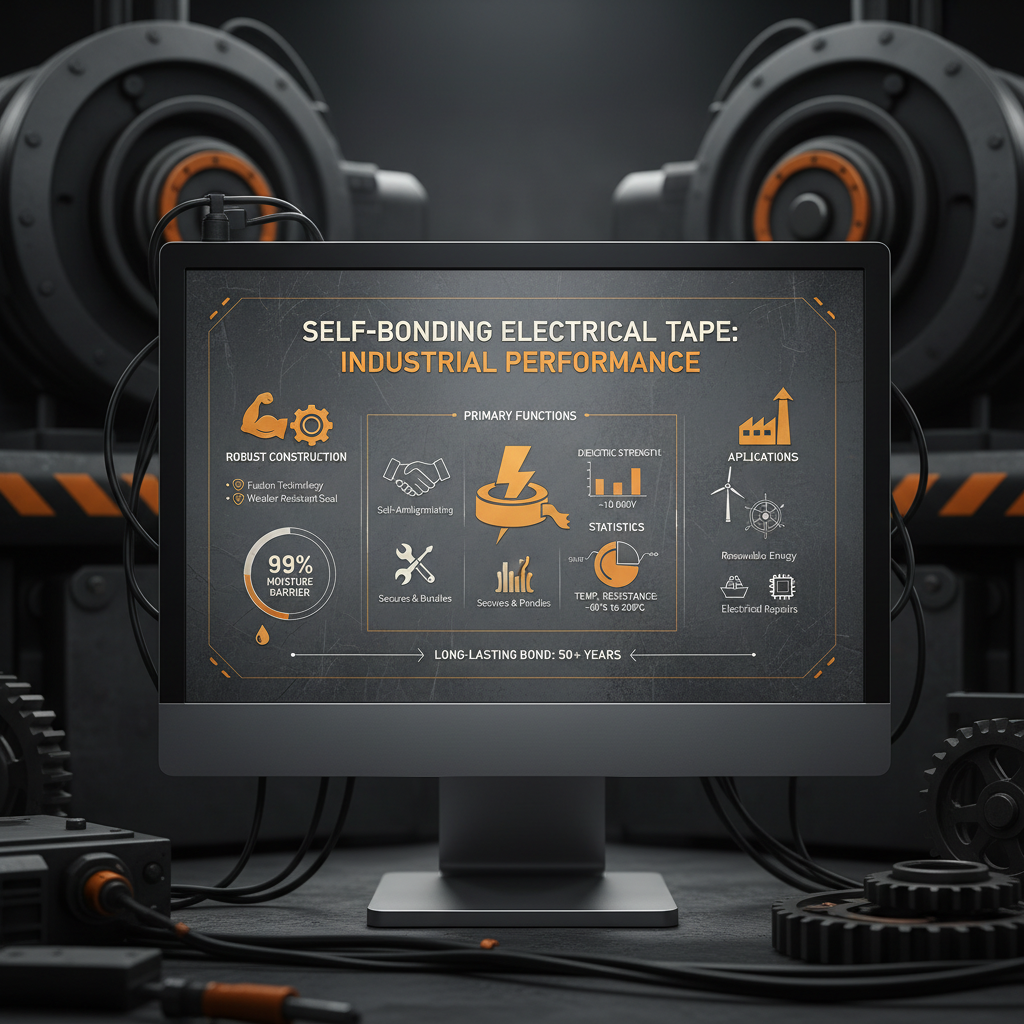
Self bonding electrical tape boasts several key properties that distinguish it from conventional electrical tapes. Firstly, its self-amalgamating ability is paramount, enabling a secure, adhesive-free bond with itself, forming a waterproof and airtight seal. Secondly, its high dielectric strength ensures superior electrical insulation, preventing current leakage and ensuring safety. Self bonding electrical tape’s third important feature is resistance to environmental factors, including moisture, abrasion, UV radiation, and extreme temperatures, guaranteeing long-term performance in challenging conditions.
Furthermore, this tape exhibits excellent flexibility, allowing it to conform easily to irregular shapes and tight spaces, making it ideal for complex electrical repairs. Its non-corrosive nature ensures it won't damage underlying materials or contribute to corrosion over time. Finally, its ease of application simplifies installation, reducing labor costs and minimizing downtime.
Self Bonding Electrical Tape Performance Metrics
Applications Across Industries
The versatility of self bonding electrical tape makes it a crucial component in numerous industries. In the automotive sector, it's used for cable harnessing, protecting wiring from vibration, moisture, and abrasion. The aerospace industry relies on it for securing and insulating wiring in aircraft, where reliability and performance are paramount. In the marine industry, its waterproof properties make it ideal for protecting electrical connections on vessels exposed to harsh saltwater environments.
Further, in post-disaster relief operations, self bonding electrical tape provides a rapid and effective solution for repairing damaged electrical infrastructure, restoring power to critical facilities and communities. In remote industrial zones where access to specialized tools and technicians is limited, its ease of use and self-adhering properties make it an invaluable asset for on-site repairs. The growing renewable energy sector also uses it extensively, particularly in wind turbine and solar panel installations.
Benefits and Long-Term Value
The benefits of utilizing self bonding electrical tape extend beyond immediate repair functionality. The cost-effectiveness of reduced downtime and minimized maintenance significantly contributes to long-term savings. Its durability ensures a longer lifespan for electrical connections, reducing the frequency of repairs and replacements. From a sustainability perspective, the extended lifespan reduces material waste and the environmental impact associated with frequent replacements.
The improved reliability and safety offered by a robust, waterproof seal inspire trust and enhance operational integrity. The ease of use and portability empower technicians to perform repairs quickly and efficiently, boosting productivity and minimizing disruptions. This adds a layer of safety for those performing maintenance, and instills confidence in the system's performance.
Future Trends and Innovations
Future developments in self bonding electrical tape are focused on enhancing its performance characteristics and expanding its applications. Research is underway to develop tapes with even greater resistance to extreme temperatures and corrosive chemicals, widening its utility in specialized industries. Integration with smart materials, such as conductive polymers, could enable self-healing capabilities, further extending its lifespan and reliability.
The rise of digital transformation and automation will drive demand for tapes compatible with robotic assembly processes. Sustainable materials, such as bio-based polymers, are being explored to reduce the environmental impact of production and disposal. The integration of sensors within the tape itself could provide real-time monitoring of insulation integrity, enabling predictive maintenance and preventing catastrophic failures.
FAQS
Unlike standard electrical tape which relies on adhesive, self bonding tape bonds to itself when wrapped, creating a waterproof and airtight seal. This eliminates the risk of adhesive failure due to temperature changes or environmental exposure. It is also self-amalgamating, meaning it melts and fuses with itself over time, becoming a solid, unified layer of insulation. This results in superior long-term reliability, especially in harsh conditions.
Yes, self bonding electrical tape is specifically designed to excel in wet environments. Its self-amalgamating properties create a waterproof seal, preventing moisture ingress and protecting electrical connections from corrosion. This makes it ideal for marine applications, outdoor installations, and repairs in damp locations. However, it’s best to apply it to a clean and dry surface for optimal bonding.
The typical temperature range for most self bonding electrical tapes is from -30°C to +85°C (-22°F to +185°F). However, it’s crucial to check the manufacturer’s specifications as some specialized tapes can withstand even more extreme temperatures. Exposure to temperatures outside the specified range can affect the tape’s performance and longevity.
Proper application is key to maximizing the tape’s effectiveness. Start by cleaning and drying the surface. Stretch the tape firmly as you wrap it, typically around 50-100%. This activates the self-amalgamating properties. Overlap each layer by about half its width, and continue wrapping until you’ve achieved the desired thickness. Avoid wrinkles and ensure a tight, even wrap.
While self bonding tape provides excellent electrical insulation, it’s essential to consult the manufacturer’s specifications and applicable safety standards for high-voltage applications. Certain tapes are specifically designed and rated for higher voltages, while others may not be suitable. Always prioritize safety and choose a tape that meets the required voltage and performance criteria.
Removing self bonding tape can be challenging due to its strong adhesion to itself. Using a solvent, like isopropyl alcohol, or a specialized tape remover may help soften the bond. Carefully peel the tape away, using a plastic scraper if necessary to avoid damaging the underlying surface. Patience and gentle pressure are essential to prevent tearing or leaving behind residue.
Conclusion
In conclusion, self bonding electrical tape represents a significant advancement in electrical insulation technology, offering superior performance, reliability, and ease of use compared to traditional methods. Its unique self-amalgamating properties, resistance to environmental factors, and versatility across diverse industries make it an invaluable asset for professionals and DIY enthusiasts alike. The long-term benefits, including reduced downtime, lower maintenance costs, and enhanced safety, underscore its value proposition.
Looking ahead, continued innovation in materials science and smart technology will further expand the capabilities of self bonding electrical tape, paving the way for even more sophisticated and sustainable electrical solutions. Investing in high-quality self bonding electrical tape is not just about immediate repairs; it’s about ensuring the long-term integrity and efficiency of electrical systems. For premium self bonding electrical tape solutions, visit our website: www.qiangdatape.com