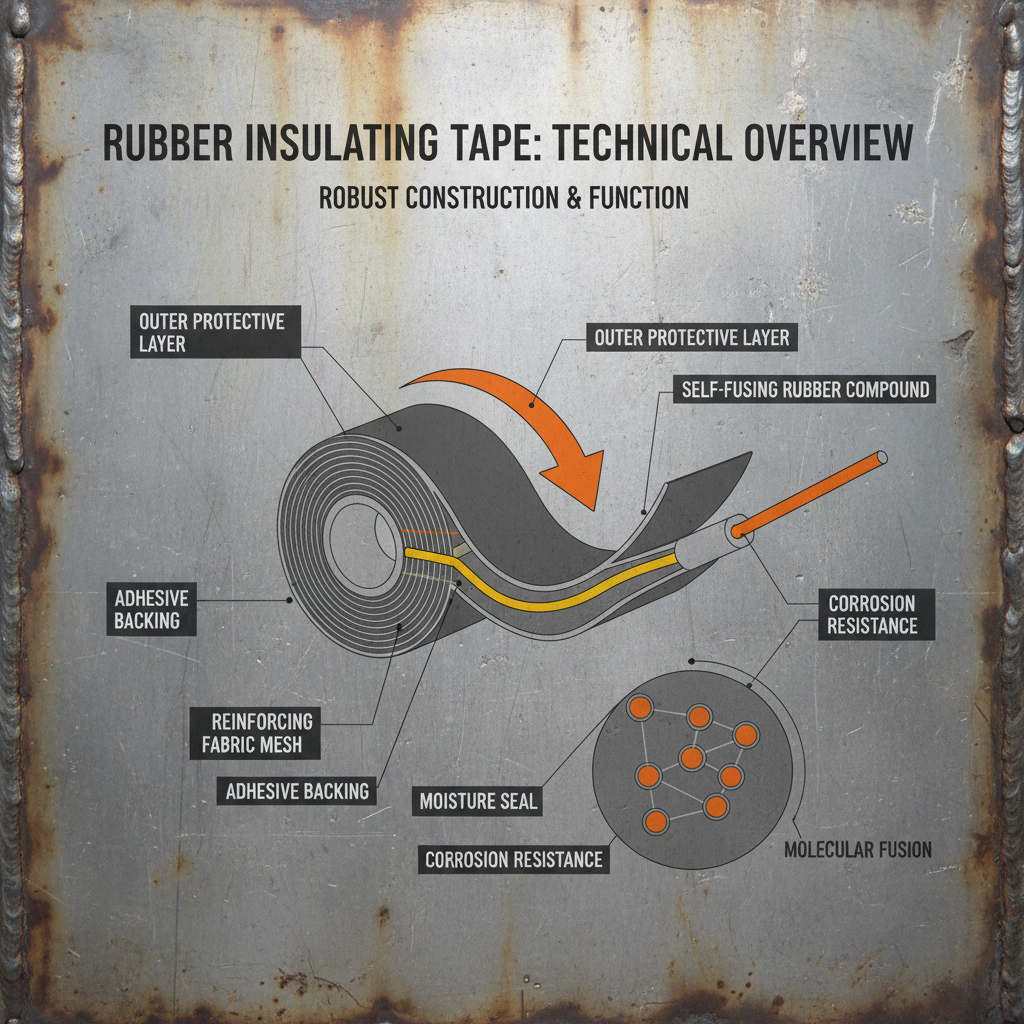
High voltage rubber tape is a critical component in electrical systems, offering robust insulation and protection for a wide range of applications. Its ability to withstand extreme voltages and environmental conditions makes it indispensable in power transmission, distribution, and various industrial processes. Understanding the properties and applications of this tape is vital for ensuring the safety, reliability, and efficiency of electrical infrastructure globally.
The demand for high voltage rubber tape is directly tied to the expansion of electrical grids, the growth of renewable energy sources, and the increasing sophistication of industrial equipment. As populations grow and energy consumption rises, the need for safe and effective insulation solutions becomes ever more pressing. Innovations in materials science are constantly improving the performance and longevity of these tapes, furthering their importance.
This essential material prevents electrical breakdowns, safeguards personnel from hazardous voltages, and contributes to the overall stability of power systems. Selecting the correct high voltage rubber tape for a specific application is crucial, as different types offer varying levels of performance and suitability.
The Significance of High Voltage Rubber Tape
The importance of high voltage rubber tape extends far beyond simple electrical insulation. It’s a crucial factor in maintaining the stability of power grids, protecting valuable equipment from damage, and, most importantly, safeguarding human life. Without reliable high voltage rubber tape, the efficient and safe delivery of electricity would be impossible.
Furthermore, the development of improved high voltage rubber tape formulations directly impacts the longevity and reliability of electrical assets, reducing maintenance costs and minimizing downtime. This is particularly critical in industries where even brief power interruptions can have significant financial or operational consequences.
Defining High Voltage Rubber Tape
High voltage rubber tape is a specialized insulating material designed to prevent electrical current from flowing outside its intended path in high-voltage applications. It is typically composed of a rubber-based polymer, often ethylene propylene rubber (EPR) or silicone rubber, combined with reinforcing fillers and other additives to enhance its dielectric strength, flexibility, and resistance to environmental factors.
Unlike standard electrical tape, high voltage rubber tape is engineered to withstand significantly higher voltage stresses without experiencing breakdown. This makes it essential for insulating splices, terminations, and repairs in cables, transformers, and other high-voltage equipment.
Its application directly supports modern industry and even humanitarian needs. Reliable power distribution, enabled by effective high voltage rubber tape, underpins nearly every aspect of modern life, from healthcare and communication to transportation and manufacturing.
Core Properties of High Voltage Rubber Tape
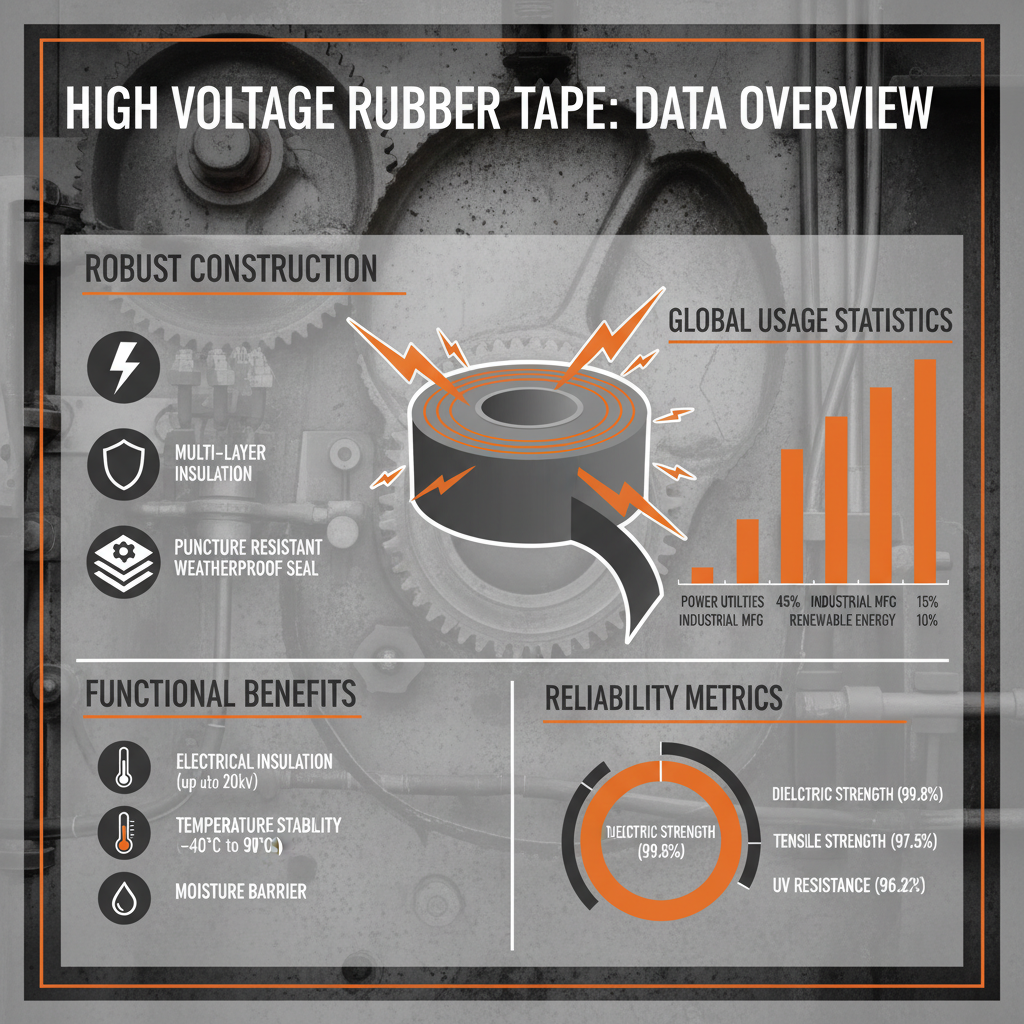
Several core properties define the effectiveness of high voltage rubber tape. Dielectric strength, the ability to resist electrical breakdown, is paramount. This is directly related to the material's thickness and composition. Another crucial property is flexibility, allowing the tape to conform to irregular shapes and ensure complete coverage.
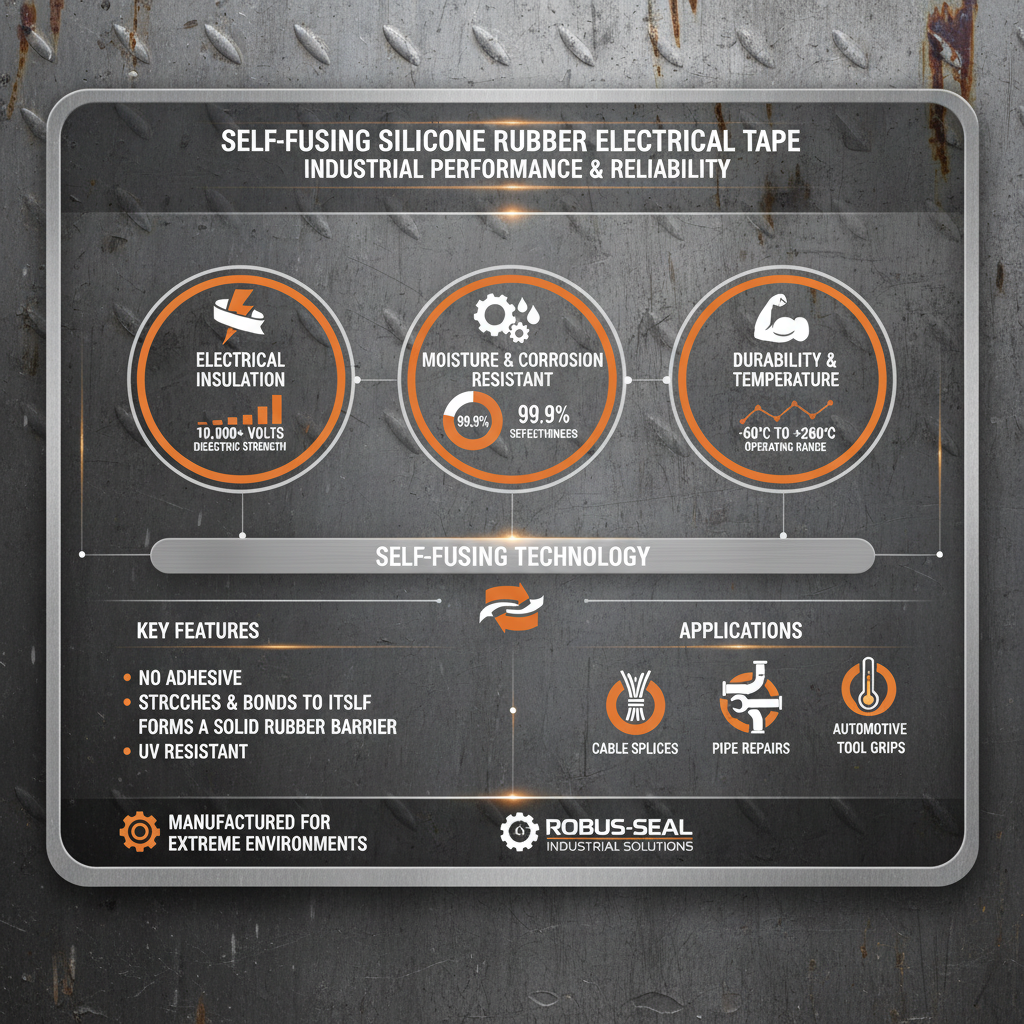
Additionally, resistance to temperature extremes, UV radiation, and moisture are essential for ensuring long-term performance and reliability. High-quality tape will maintain its insulating properties even under harsh environmental conditions. Furthermore, self-amalgamating properties, where layers of the tape bond together to form a waterproof and airtight seal, are highly desirable in certain applications.
Finally, the tape's elongation properties and tensile strength contribute to its durability and ability to withstand mechanical stress. A tape that can stretch and conform without tearing is less likely to fail over time, even in dynamic environments.
Key Performance Indicators
Evaluating high voltage rubber tape requires considering several key performance indicators (KPIs). These metrics provide a quantifiable assessment of the tape's suitability for a specific application. One crucial KPI is breakdown voltage, measured in kilovolts (kV), which indicates the maximum voltage the tape can withstand before failing.
Another important indicator is dielectric constant, which reflects the tape's ability to store electrical energy. Lower dielectric constants are generally preferred in high-frequency applications. Tensile strength, elongation at break, and tear resistance all contribute to assessing the tape’s mechanical robustness.
KPI Comparison of High Voltage Rubber Tape Types
Global Applications and Industries
High voltage rubber tape finds application across a diverse range of industries globally. In the power transmission and distribution sector, it's used extensively for insulating high-voltage cables, splices, and terminations, ensuring the safe and efficient delivery of electricity. It's crucial for maintaining the integrity of power grids.
The renewable energy sector, particularly wind and solar power, relies on high voltage rubber tape to insulate connections within turbines and solar farms. In post-disaster relief operations, its rapid deployment capabilities can help restore power quickly to critical infrastructure.
Advantages and Long-Term Value
The advantages of utilizing high voltage rubber tape are substantial. Cost-effectively, it offers a lower total cost of ownership compared to alternative insulation methods due to reduced maintenance and downtime. Its durability and long lifespan minimize the need for frequent replacements, providing long-term value.
From a sustainability perspective, durable and reliable insulation like that provided by high voltage rubber tape reduces waste and minimizes the environmental impact associated with frequent repairs or replacements. Furthermore, the enhanced safety it provides offers peace of mind and protects valuable assets and personnel.
Future Trends and Innovations
The future of high voltage rubber tape is driven by ongoing innovations in materials science and manufacturing processes. Research is focused on developing tapes with even higher dielectric strength, improved temperature resistance, and enhanced self-healing capabilities.
The integration of nanotechnology into rubber tape formulations promises to deliver unprecedented levels of performance and reliability. Moreover, the increasing demand for sustainable solutions is driving the development of eco-friendly rubber tape alternatives using bio-based polymers and recycled materials.
Smart tapes with integrated sensors that monitor insulation condition and provide real-time data are also on the horizon, enabling predictive maintenance and preventing catastrophic failures.
FAQS
The lifespan of high voltage rubber tape varies depending on environmental factors like temperature, humidity, and UV exposure. However, a properly installed and maintained high-quality tape can typically last between 20 to 30 years. Regular inspections are crucial to identify any signs of degradation and ensure continued performance.
Extreme temperatures, both high and low, can negatively impact the performance of high voltage rubber tape. High temperatures can accelerate degradation and reduce dielectric strength, while low temperatures can make the tape brittle and prone to cracking. Selecting a tape specifically designed for the operating temperature range is vital.
EPR (ethylene propylene rubber) tapes generally offer good electrical properties and are cost-effective, but they have limited temperature resistance. Silicone rubber tapes, on the other hand, excel in extreme temperatures and possess excellent flexibility, but they are typically more expensive. The choice depends on the specific application requirements.
Not all high voltage rubber tapes are suitable for underwater applications. Look for tapes specifically designed for wet environments and possessing excellent water resistance and self-amalgamating properties to create a watertight seal. Proper surface preparation is also essential for optimal adhesion.
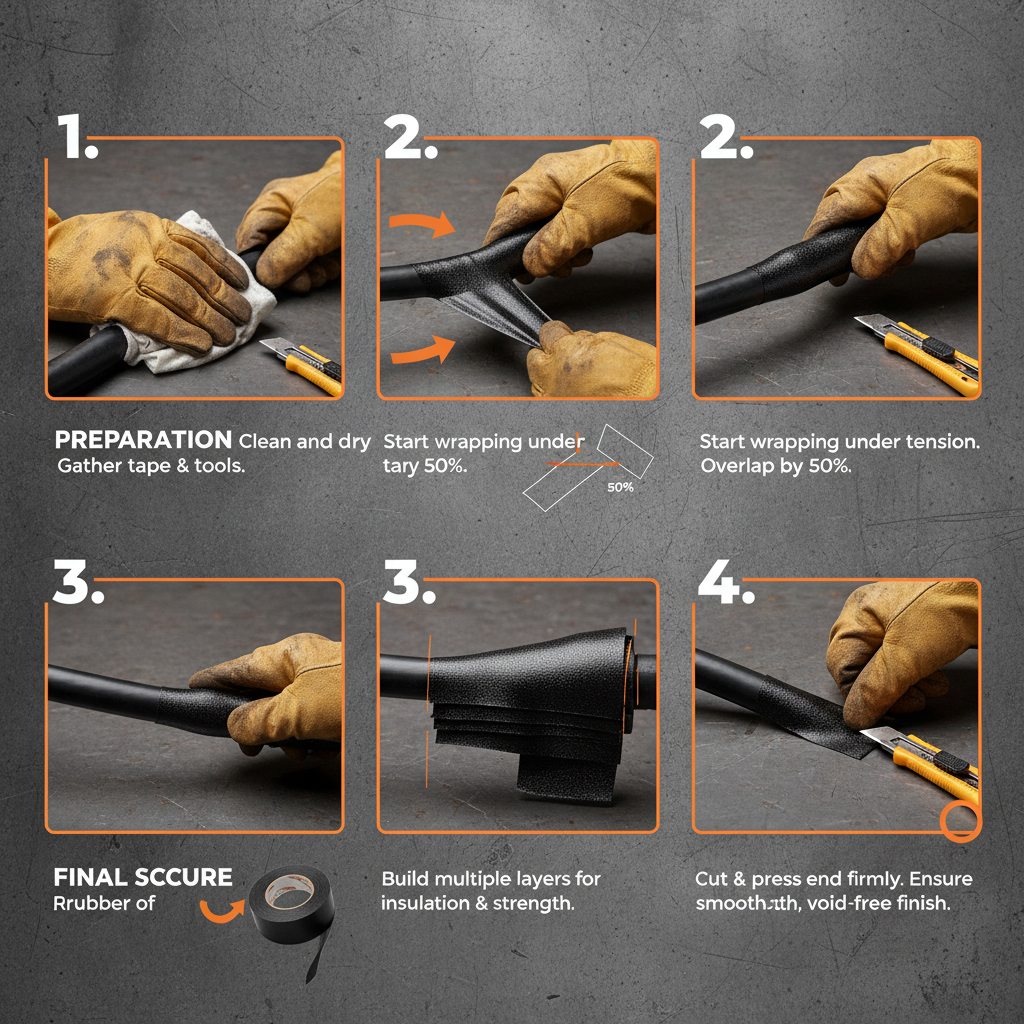
Always de-energize and ground the equipment before working with high voltage rubber tape. Wear appropriate personal protective equipment (PPE), including insulated gloves and safety glasses. Ensure proper ventilation and follow manufacturer's instructions for installation and handling.
Store high voltage rubber tape in a cool, dry, and dark place, away from direct sunlight and sources of heat. Keep it in its original packaging to protect it from contamination and moisture. Avoid storing it in areas with high ozone concentrations, as this can degrade the rubber over time.
Conclusion
High voltage rubber tape remains an indispensable component in ensuring the safe and reliable operation of electrical systems worldwide. Its unique combination of properties – dielectric strength, flexibility, temperature resistance, and durability – makes it crucial across diverse industries, from power transmission to renewable energy. Understanding the nuances of different tape types and their applications is vital for maximizing performance and minimizing risks.
As technology continues to advance, innovations in materials science will undoubtedly lead to even more sophisticated and reliable high voltage rubber tape solutions. Investing in high-quality tape and adhering to best practices for installation and maintenance will not only enhance the safety and efficiency of electrical infrastructure but also contribute to a more sustainable future.